
 EN
EN
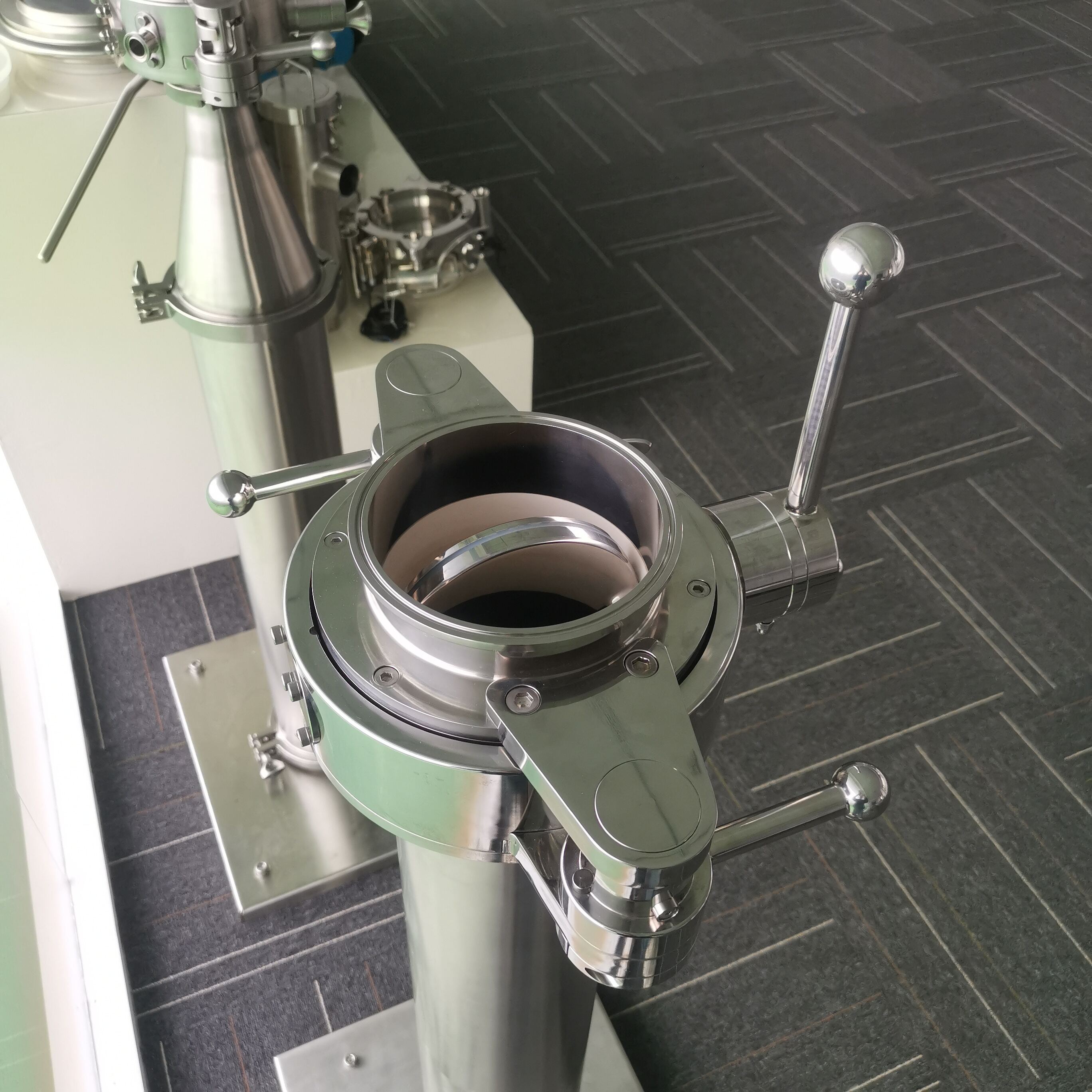
Why Material Selection Is Critical for Split Butterfly Valve Reliability
What materials go into making a split butterfly valve has a major impact on how long it will last before failing in tough industrial settings. When the wrong materials are used, they tend to corrode faster, wear down quicker, or break down chemically once they come into contact with substances such as acids, saltwater, or hot steam from boilers. This often results in problems like leaking seals, stuck moving parts, or even complete valve body collapse. Take carbon steel valves for instance these can start showing signs of pitting corrosion after just a few months in cooling water that contains chlorine compounds. Similarly, plastic sealing components simply cannot handle the intense heat generated during hydrocarbon processing operations and end up melting away. The consequences? Unexpected plant shutdowns that drain budgets at an alarming rate. According to research published by Ponemon Institute back in 2023, each hour lost due to equipment failure costs manufacturing facilities around $740,000.
Three core factors drive material compatibility:
- Fluid chemistry (pH, chlorides, H₂S concentration)
- Temperature and pressure ranges, which affect mechanical strength and thermal stability
- Mechanical stress from flow velocity, particulates, or cyclic operation
Valves with mismatched trim materials exhibit 68% higher replacement rates within five years. Optimal pairing prevents galvanic corrosion between components and ensures leak-free performance—critical in safety-critical or high-availability processes where production losses and incident risks far exceed valve costs.
Comparing Common Split Butterfly Valve Materials by Application Demand
Carbon Steel vs. Stainless Steel in Corrosive Cooling Water Systems
Carbon steel can be pretty economical for cooling water systems that aren't corrosive, but it starts breaking down fast once chloride levels go over around 200 parts per million. Stainless steel options like grade 304 or 316 hold up much better against those pesky pits and crevices that cause corrosion problems. Systems built with this kind of stainless tend to last anywhere from three to five years longer before needing replacement. The upfront price tag is definitely steeper though, somewhere between 40 to maybe even 60 percent more expensive than carbon steel alternatives. Still, many plant managers find the extra spend worthwhile because replacing equipment during production stops costs them hundreds of thousands each hour in lost revenue and repair expenses.
Duplex and Super-Duplex Stainless Steels for High-Pressure, High-Chloride Service
Duplex (UNS S32205/S32206) and super-duplex (UNS S32750/S32760) alloys really come into play when chloride levels go beyond 10,000 ppm or pressure hits 150 psi and climbs. Super-duplex stands out because it offers about double the protection against chlorides compared to regular duplex materials, and roughly five times better than standard 316 stainless steel too. Plus, these alloys hold their strength at around 800 MPa or higher. For industries dealing with seawater cooling systems, offshore drilling operations, or harsh chemical environments, super-duplex is basically a must have material. Valve failures in these situations can lead to unexpected shutdowns that cost companies upwards of a million dollars each day they happen, so getting this right matters a lot.
Selecting Specialty Alloys for Extreme Split Butterfly Valve Environments
When standard materials like stainless steel reach their performance limits—such as in highly corrosive media, temperatures exceeding 600°F (315°C), or pressures above ANSI Class 1500—specialty alloys become essential for split butterfly valve integrity. These conditions accelerate pitting, crevice corrosion, and stress corrosion cracking (SCC), leading to premature failure.
Hastelloy, Inconel, and Titanium: When Standard Materials Fail
Hastelloy alloys like C-276 really stand out when dealing with those harsh acidic environments that are so common in chemical processing plants. They can handle hydrochloric and sulfuric acids without breaking down, while regular 316 stainless steel would start corroding almost immediately under similar conditions. Then there's Inconel 625 which holds up remarkably well in high temperature oxidizing environments, staying strong even when temps hit around 1000 degrees Fahrenheit. That makes it pretty much indispensable for things like flue gas desulfurization units or thermal oil heating systems where other materials just wouldn't last. And let's not forget titanium either. This metal basically laughs at saltwater corrosion problems. It doesn't suffer from chloride stress cracking issues even when submerged in seawater at 80 degrees Celsius. For anyone working on offshore platforms, desalination plants, or anything related to marine engineering, titanium has become something of a gold standard over the years because it simply refuses to fail in these challenging conditions.
Key performance differentiators include:
- Hastelloy C-276: Delivers up to 10× longer service life than 316SS in 10% sulfuric acid at 150°F (65°C)
- Inconel 625: Retains 90% of its yield strength at 1200°F (650°C), compared to carbon steel’s 50% loss
- Titanium Grade 2/7: Immune to chloride-induced SCC across full operational temperature ranges in seawater
These specialty alloys might run anywhere from three to eight times what regular ones do, but they save companies tons of money by preventing unexpected shutdowns. Think about it: the Ponemon Institute reported back in 2023 that unplanned downtime costs process industries around $740k every single hour. That makes these expensive materials worth considering for those crucial split butterfly valves found in oil refineries, chemical processing facilities, and ships. When picking the right alloy though, engineers need to look beyond basic specs. Real world performance depends heavily on knowing exactly what's flowing through the system, how temperatures fluctuate over time, and what kind of physical stress the valve will actually face during operation.
FAQ
What are the primary factors driving material selection for split butterfly valves?
The three primary factors include fluid chemistry (e.g., pH, chlorides, H₂S concentration), temperature and pressure ranges affecting mechanical strength, and mechanical stress from flow velocity, particulates, or cyclic operation.
Why is stainless steel preferred over carbon steel in corrosive environments?
Stainless steel, such as grades 304 or 316, is more resistant to corrosion, especially in environments where chloride levels are high, offering longer lifespan and reducing the need for frequent replacements.
When should super-duplex stainless steel be used?
Super-duplex stainless steel is recommended for high-pressure, high-chloride environments like seawater cooling systems, offshore drilling operations, or harsh chemical environments due to its superior resistance to corrosion and high mechanical strength.
Which specialty alloys are suitable for extreme conditions?
Hastelloy, Inconel, and titanium are suitable for extreme conditions such as highly corrosive media and high temperatures. These materials offer extended service life and resistance to corrosion where standard materials like stainless steel may fail.