
 EN
EN
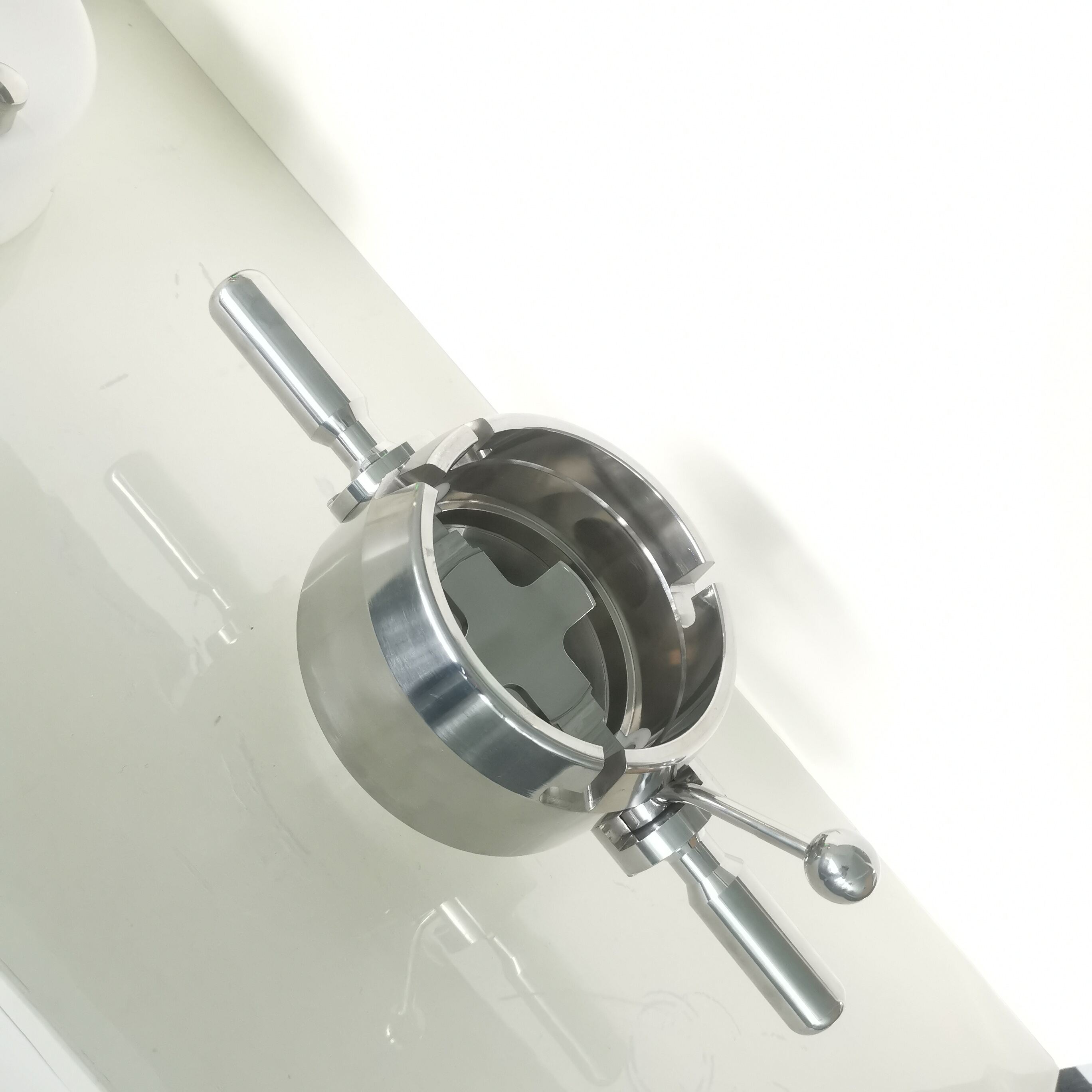
Dual-Halves Architecture: How the Split Butterfly Valve Enables Controlled, Fail-Safe Actuation
Modular Active–Passive Unit Integration and Field-Serviceable Design
Split butterfly valves feature a dual half design that keeps the moving parts separate from the sealing components using what engineers call an active-passive configuration. What makes this setup so useful is that technicians can remove just the actuator part for repairs without touching anything else in the system. This means no need to shut down operations or let pressure out of the pipeline. With standard ISO 5211 connections, replacing actuators takes around half an hour max, and the main valve stays fully operational throughout. Some field reports show this cuts unexpected shutdowns by roughly two thirds compared to regular butterfly valves. The passive side stays completely sealed off during service thanks to its built-in seat mechanism. This kind of tight containment matters a lot in places handling dangerous chemicals, making medicines, or processing materials that need ultra clean conditions where even tiny leaks could spell disaster.
Mechanical Decoupling for Isolation Integrity in Critical Process Loops
When there's a break between the actuator and disc parts, it creates built-in safety features for situations where power goes out, signals get cut off, or components just stop working. If an emergency shutdown happens, the passive unit has these springs inside that push the disc all the way closed within less than 200 milliseconds. Even when running at top pressure levels (around 6 bar), no outside power is needed for this operation. The actual separation between moving parts stops those weird torque issues that can warp or damage the seals themselves. This means the system stays compliant with those strict ISO 5208 Class VI leak standards consistently over time. For industries dealing with things like making sterile medicine batches or handling corrosive chemicals, this design offers extra layers of protection through passive isolation mechanisms. These meet SIL 3 safety standards and basically eliminate any chance of contamination spreading between different materials being processed.
Precision Switching Performance: Torque Synchronization and Dynamic Response of the Split Butterfly Valve
Zero-Backlash Coupling and Torque-Balanced Rotation Mechanics
The whole concept of precision switching starts with how well the mechanics work together. These valves have what's called a zero-backlash coupling system, basically eliminating any slack between the actuator and stem parts. What this means is when someone gives a command, the torque gets transmitted right away without any filtering or delay. There are counter rotating torque elements built into these systems too. They help balance out all those spinning forces across both halves of the valve structure. This setup cuts down on vibrations and spreads the workload more evenly across the seals where everything connects. According to some tests published in Fluid Control Journal last year, this kind of synchronization actually reduces wear on the rubber seals by around 37% compared to regular butterfly valves. Plus it keeps the positioning accurate within plus or minus half a degree even after going through 100 thousand cycles, which is pretty important for things like precise dosing and mixing operations where consistency matters most. And there's another benefit worth mentioning here: energy consumption goes down as well. Measurements show that at six bar pressure levels, the required operating torque drops by approximately 22%, making these systems not just more reliable but also more economical to run over time.
Sub-50 ms Actuation Latency Under Full-Load Conditions (6 bar, ISO 5211 compliant)
This valve manages to get below 50 milliseconds actuation time even when running at full load conditions like 6 bar pressure, mounted according to ISO 5211 standards, and facing dynamic loads. That kind of speed meets what many consider the toughest response requirements in today's process automation world. The reason behind this impressive performance? The design team worked hard on getting just the right balance between disc and stem masses, plus they used some pretty advanced composite materials that have low inertia but still pack a lot of strength, cutting down on rotational resistance significantly. When there are sudden pressure spikes, the valve keeps delivering around 47 millisecond responses on average. That beats industry standards by nearly half according to Process Automation Review from last year. Getting these kinds of fast reactions matters a lot for things like emergency shutdown systems or firewater deluge controls. Any delay here can mean real problems for worker safety, equipment damage, and meeting all those regulatory requirements companies have to follow.
Leak-Tight Sealing: Dual-Stage Containment for Zero-Compromise Switching Integrity
Elastomeric Primary Seal + Metal Secondary Seat: Achieving ISO 5208 Class A (<0.01 cc/min He leak rate)
Valves are designed with leak-proof integrity right from the start using what we call a dual stage sealing system. First comes the main elastomer seal that creates an almost perfect closure when the valve is activated. This seal bends and adjusts naturally to handle small surface flaws, temperature changes, and even chemical reactions while still holding up over time. What makes this really reliable though is the second layer behind it. We machine this metal seat with extreme precision so it acts like an automatic backup whenever needed. If there's pressure difference across the valve or the first seal starts to wear down, this secondary seat kicks in automatically. It keeps things isolated even when facing big pressure differences or after years of continuous operation in demanding environments.
The staged containment system goes well beyond ISO 5208 Class A standards, achieving helium leak rates under 0.01 cc per minute. Testing done by independent labs shows no detectable fugitive emissions when operating at 6 bar pressure over 10,000 complete cycles. For applications involving oxygen service, hydrogen transfer, or materials that are either toxic or prone to spontaneous combustion, where even tiny leaks can cause major problems like explosions, contamination risks, or serious health issues, our dual stage approach removes those single points of potential failure. This design not only meets but actively supports strict zero emission regulations required in many industrial settings today.
Repeatable Positioning Accuracy: Alignment, Coupling, and Long-Term Stability
Precision switching depends not just on initial accuracy–but on sustained repeatability across time, temperature, and cycle count. Three interlocking design principles ensure micron-level consistency:
- Laser-calibrated alignment eliminates angular deviation between disc and seat during installation, preventing asymmetric loading and premature wear;
- Zero-backlash keyed spline coupling removes mechanical slack between actuator output and valve stem, guaranteeing direct, hysteresis-free motion transfer;
- Long-term stability engineering integrates hardened bearing surfaces and coefficient-matched materials to resist thermal drift, creep, and abrasive wear.
Valves with these design elements stay accurate to within about half a degree even after going through 100 thousand cycles according to tests done in real pharmaceutical environments. Such reliability helps keep those super tight purity standards around 99.99% when making sterile products. It also matters for injecting catalysts precisely during polymer production and maintaining steady flows in clean transfer systems. We're talking about situations where something as small as a single degree off track could mean throwing away an entire batch or messing up the whole manufacturing run.
FAQ Section
What is a split butterfly valve?
A split butterfly valve is an advanced type of valve design featuring a dual-half structure that separates moving parts from sealing components, allowing for secure, fail-safe operation and easy maintenance.
How does a split butterfly valve ensure safety?
It provides built-in safety features by mechanically decoupling the actuator and disc parts, ensuring fail-safe operation even during power outages or component failures through passive unit mechanisms.
How does the dual stage sealing system work in these valves?
The system uses an elastomeric primary seal and a metal secondary seat to achieve leak-proof integrity, automatically engaging the backup seal if needed to ensure zero leakage.
Why is precision switching performance important in split butterfly valves?
Precision switching performance, ensured by zero-backlash systems and torque synchronization, reduces wear and improves positioning accuracy, which is critical for applications requiring consistent dosing, mixing, or transfer.
Table of Contents
- Dual-Halves Architecture: How the Split Butterfly Valve Enables Controlled, Fail-Safe Actuation
- Precision Switching Performance: Torque Synchronization and Dynamic Response of the Split Butterfly Valve
- Leak-Tight Sealing: Dual-Stage Containment for Zero-Compromise Switching Integrity
- Repeatable Positioning Accuracy: Alignment, Coupling, and Long-Term Stability
- FAQ Section