
 EN
EN
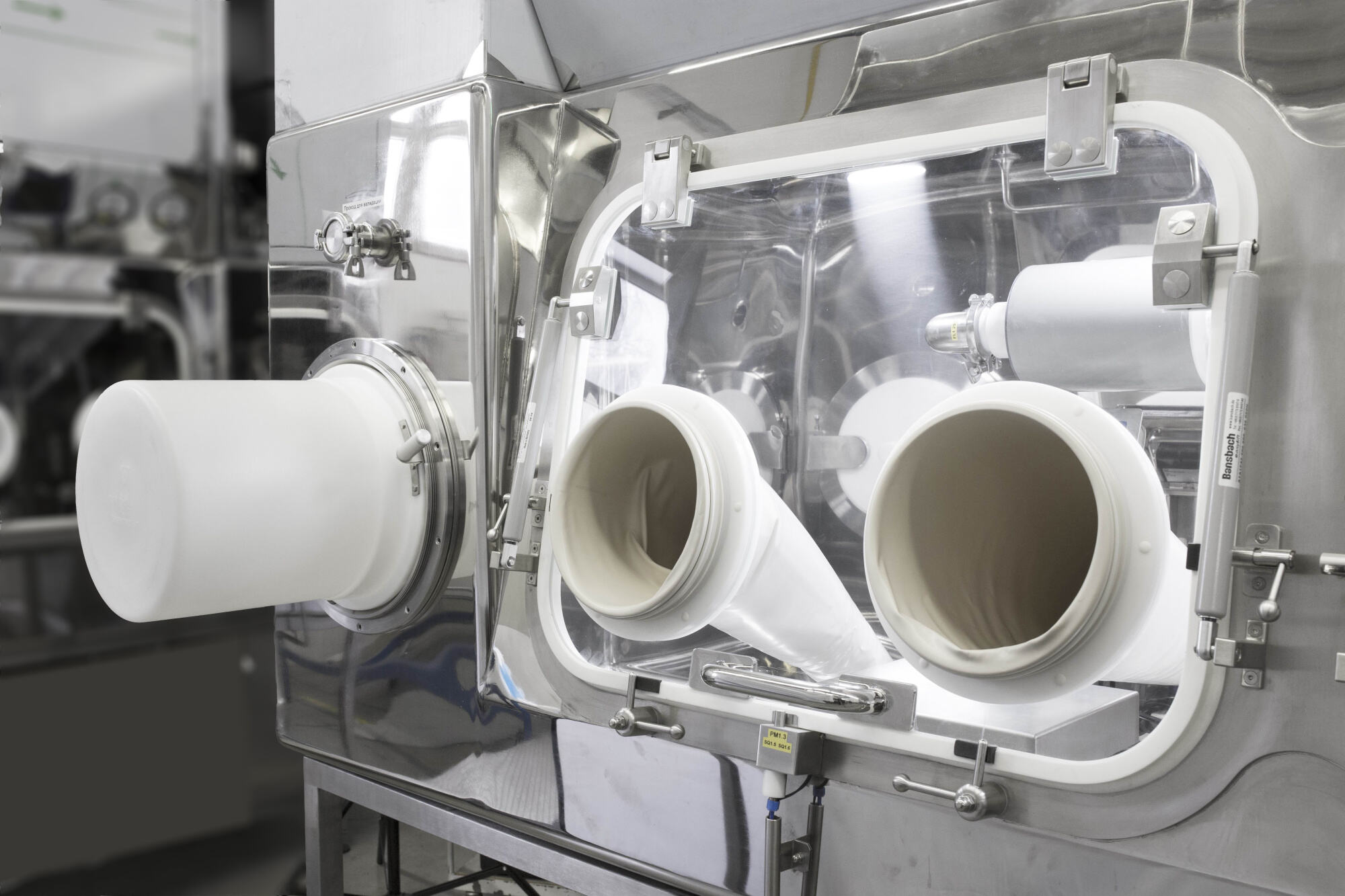
Core RTP System Applications Across Biopharma Manufacturing Processes
Aseptic Filling Under ISO 5/Grade A Conditions Using RTP Systems
Rapid transfer port (RTP) systems enable secure, sterile material transfers during aseptic filling—where maintaining ISO 5/Grade A conditions is non-negotiable. Their double-door mechanism and mechanical interlocks ensure only one door opens at a time, preventing airborne contamination during vial or syringe filling. This closed-system design reduces human intervention by over 80% in critical workflows, significantly lowering contamination risk for sensitive biologics such as monoclonal antibodies. By preserving barrier integrity throughout each transfer cycle, RTPs directly support the sterility assurance principles outlined in EU Annex 1 (2022), making them foundational to modern isolator-based filling lines.
Enabling Closed-System Transfer in Cell and Gene Therapy Manufacturing
In cell and gene therapy manufacturing, RTP systems provide essential containment for high-value, low-tolerance materials—including viral vectors and primary cells. Their standardized beta flange interface allows seamless, sterile docking with single-use bioreactors, cryogenic containers, and harvest vessels, supporting cell viability during cryopreservation and minimizing exposure during media exchanges or harvest steps. This capability is especially critical when handling OEB 4/5 compounds like cytotoxic payloads used in antibody-drug conjugates (ADCs), where cross-contamination must be eliminated. Over 75% of FDA-approved biologics facilities deploy RTPs specifically to meet Annex 1’s closed-processing requirements for high-risk agents requiring viral inactivation or strict environmental control.
Bioprocessing Integration: RTPs for Media, Buffer, and Harvest Transfer
RTP systems streamline sterile material movement across upstream and downstream bioprocessing unit operations:
- Media and buffer additions to bioreactors
- Harvest transfers between centrifuges and depth/filtration systems
- Intermediate product movement between purification and formulation steps
Standardized interfaces allow rapid, reproducible connections with gamma-irradiated single-use assemblies—cutting transfer time while eliminating manual interventions that introduce variability or contamination risk. With operational compatibility across extreme temperature ranges (–196°C to 121°C), RTPs support cold-chain biologics, cryopreserved therapies, and post-sterilization transfers alike. This adaptability enables end-to-end sterility assurance across multi-step biomanufacturing workflows.
Regulatory Compliance and Validation of RTP Systems
EU Annex 1 (2022) Requirements for RTP Systems and Sterility Risk Mitigation
EU Annex 1 (2022) establishes rigorous expectations for any rapid transfer port system used in aseptic manufacturing: RTPs must maintain a validated sterile barrier during all connection, transfer, and disconnection cycles. Mechanical interlocks, dual-seal integrity, and proven decontamination efficacy are mandatory—not optional. Manufacturers must demonstrate that repeated use does not compromise sterility, including validation of cleaning, sterilization (e.g., VHP or steam), and seal performance over lifecycle testing. A 2023 multi-site validation study across 17 facilities reported a 98% reduction in microbial contamination incidents when RTPs replaced traditional glove-port transfers for temperature-sensitive biologics—strong real-world evidence aligning with Annex 1’s core mandate: proactive contamination control through closed-system design.
cGMP Validation Protocols: Leak Testing, Particle Challenge, and Microbial Barrier Efficacy
cGMP-compliant RTP validation requires objective, repeatable testing under simulated operational conditions. Key protocols include:
- Leak testing via pressure decay methods, with acceptance criteria of ≤0.5% leak rate over 30 minutes
- Particle challenge using laser particle counters to verify ISO 5 compliance (≤3,520 particles/m³ for ≥0.5 μm)
- Microbial barrier efficacy, confirmed using biological indicators (e.g., Geobacillus stearothermophilus spores) to achieve ≥6-log reduction
| Parameter | Test Method | Acceptance Standard |
|---|---|---|
| Seal Integrity | Pressure decay test | ≤0.5% leak rate over 30 min |
| Particle Control | Laser particle counter | ≤3,520 particles/m³ (≥0.5 μm) |
| Sterility Assurance | Biological indicator (BIs) | 6-log reduction |
Together, these tests deliver auditable evidence that the RTP maintains sterility, containment, and integrity across its entire service life—supporting batch release, regulatory submissions, and ongoing quality oversight.
Containment and Contamination Control with RTP Systems
OEL-Based Containment Performance for Cytotoxic Agents (e.g., ADCs) and Viral Vectors
RTP systems deliver robust engineering containment for high-potency, high-risk materials—including cytotoxic ADC payloads and replication-competent viral vectors—operating reliably below Occupational Exposure Limits (OELs) as low as 0.1 μg/m³. Validated double-door seals and mechanical interlocks achieve containment levels of ≤10⁻⁶ g/m³ for cytotoxic agents, with pressure decay testing confirming <1% leakage over 60-minute cycles. For viral vector applications, particle challenge assessments—including aerosolized surrogate testing—demonstrate consistent barrier performance against bioaerosols. This level of containment safeguards personnel, prevents facility-wide cross-contamination in multi-product suites, and supports compliance with ISO 14644 Class 5 particulate control requirements during high-risk transfers.
Seamless RTP System Integration with Advanced Sterile Environments
RTP–Isolator and RTP–RABS Interfaces: Maintaining ISO 5 Integrity Through Airflow and Particle Control
Integrating RTP systems with isolators or restricted access barrier systems (RABS) demands precision engineering to preserve unidirectional airflow and Grade A cleanliness. Properly aligned RTP docking mechanisms prevent turbulence, minimize particle shedding, and maintain HEPA-filtered conditions at the interface. When integrated correctly, RTP–isolator and RTP–RABS connections reduce microbial ingress by over 98% in ISO 5 environments—enabling safe, routine material transfer without breaching the critical sterile boundary. This integration extends operator protection while sustaining process sterility across fill-finish and formulation operations.
Interfacing RTP Systems with Single-Use Bioprocessing Equipment for End-to-End Sterility Assurance
RTPs serve as the physical and functional bridge between sterile zones and single-use bioprocessing equipment—including gamma-irradiated media bags, bioreactor liners, harvest containers, and filtration assemblies. Beta-flange compatibility ensures rapid, leak-tight docking that preserves sterility from buffer preparation through final product collection. Each connection forms part of a fully sealed process train—eliminating open transfers, manual interventions, and associated contamination risks. The result is demonstrable, end-to-end sterility assurance: a closed, validated pathway that meets both Annex 1 and ICH Q5A expectations for biologics manufacturing.
FAQs
What is an RTP system?
A rapid transfer port (RTP) system is a sterile transfer mechanism that ensures contamination-free material movement in biopharma manufacturing.
Why are RTPs critical for aseptic filling processes?
RTPs reduce human intervention by over 80%, thereby minimizing contamination risk and preserving ISO 5/Grade A conditions.
How do RTPs support cell and gene therapy manufacturing?
RTP systems enable sterile docking with single-use bioreactors and containers, ensuring containment and viability for sensitive materials like viral vectors and primary cells.
What regulatory standards apply to RTP systems?
RTP systems must comply with EU Annex 1 and cGMP protocols for sterility, particle control, and microbial barrier efficacy.
Can RTPs handle high-risk materials safely?
Yes, RTPs ensure containment for cytotoxic agents and viral vectors below stringent OELs while preventing cross-contamination.