
 EN
EN
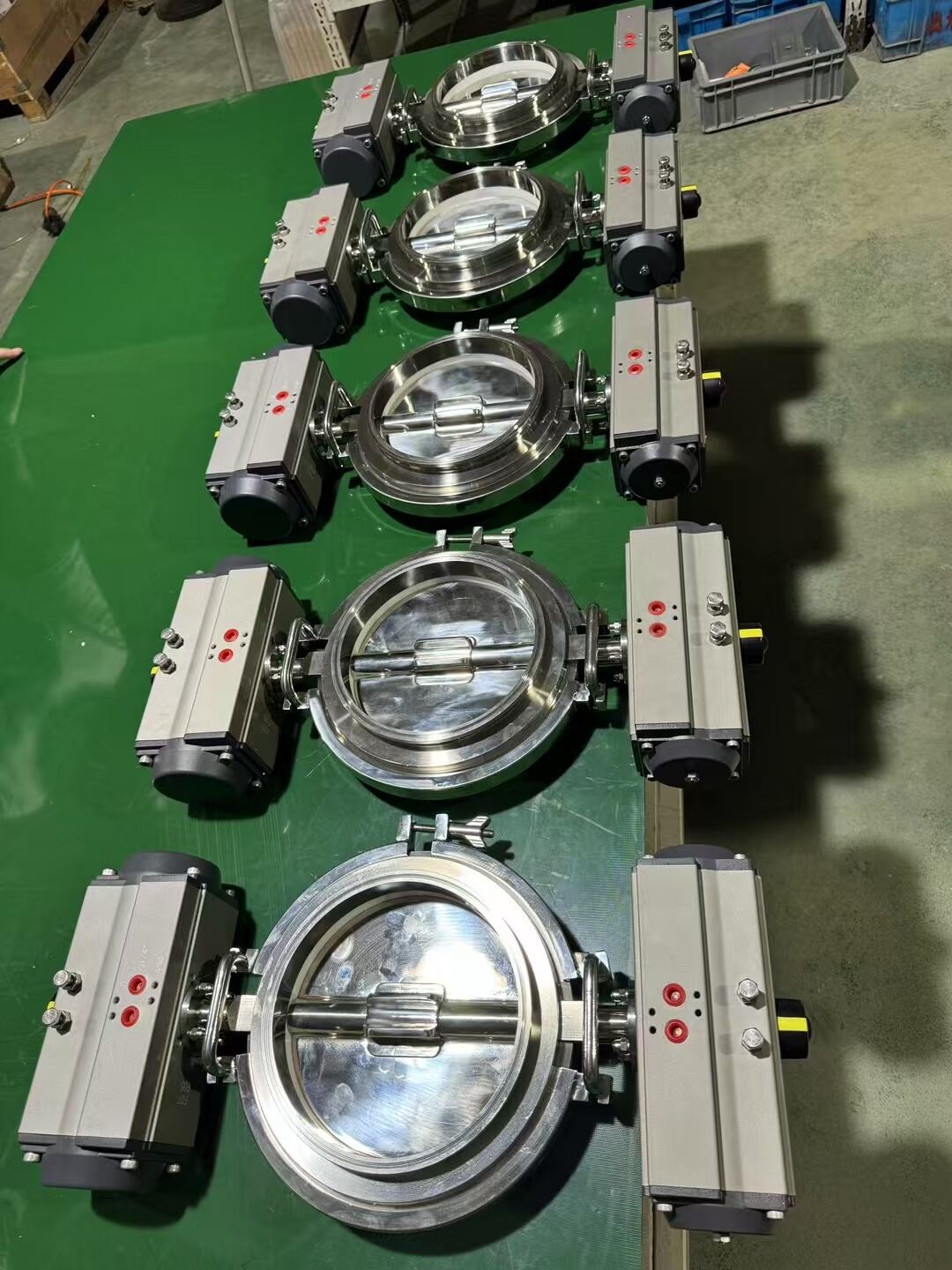
Cad is féidir leis an bhfeabhra Púdar agus cén fáth go bhfuil sé tábhachtach i láimhseáil ábhair mhóra
Bailváltaí powdair a bhainistíonn le hábhar bulk tirim cosúil le poird, pailéid agus granáin laistigh de chórais ionsúite industrialacha agus córais bunaithe ar thartas. Déanann na bailválta seo roinnt rudaí tábhachtacha ag an am céanna: iad a chinntiú conas a bheidh ábhar ag bogadh tríd an gcóras, stopadh sceidealta neamhchiallaithe, agus cothabháil leibhéil brú éifeachtach idir réimsí próiseála éagsúla. Tá an staidiúlacht seo fíorthábhachtach toisc go gcuireann sí béim chun fadhbanna a sheachaint cosúil le trioblóidí truallaithe, easpaigéil chomhdhorcha contúirteacha, agus titim brú a d'fhéadfadh oibríochtaí a mhairseáil. Nuair a n-oibríonn bailválta go mícheart, cailltear faoi 15 uair sa bhliain in ionad éigin mar gheall ar dhúnadh neamhshuntasach i dtrioblóid le gach bailvál mícheart. Cuireann an cineál sin ama isteach seo costas thart ar $740,000 i airgead iarraithe de réir taighde Powder & Bulk Solids ó 2025. Tá rialú sreafa níos tábhachtaí fós i ndearaíonna cosúil le táirgeacht bia agus monaróireacht pharmaighnéasacha áit a bhfuil riachtanais cáilíochta táirge agus rialacháin géarchéime á gcomhlíonadh gan aon amhras. Bíonn difríocht mhór ann an cineál ceart bailválta powdair a roghnú maidir le slándáil an fhacailte, an méid atá á tháirgeadh thar am, agus an bhfuil sé i gcomhréir le caighdeáin shlándála tábhachtacha atá riachtanach i timpeallachtaí easpaigéile.
Cineálacha Eochracha Púdar agus Aiplicíochtaí Oibretha
Eochracha Aerach Rothlacha le haghaidh Díchuimhneas Leanúnach
Coinníonn eochracha aerach rothlacha an brú córas tóir agus ligeann siad do ábhair bogadh tríd go leanúnach. Oibríonn na heochracha seo trí vanaí rothlacha a chruthaíonn phócaí sealaithe nuair a rothlaíonn siad, a ligeann do ábhair phúdaracha rith amach ó thoplaí stórála isteach sa chóras iompair gan ligean ar bhrú. Úsáidtear iad go forleathan i ndaoine cosúil le táirgeadh ceimice, próiseáil bia (go háirithe láimhseáil ar phlúr), agus monaróireacht fharmaisighúil. Is féidir leo rátaí sraithe go leor ard a bhainistiú timpeall 1,000 troigh ciúbach in a nóiméad. An rud a dhéanann iad a mhaolú ná a gcumas maoladh a fháil ó ábhair chrua cosúil le gaineamh silicéase. Go minic, roghnaíonn déantóirí leaganacha le rotaireanna éadach dhardaithe de as crua-éadach, mar sin fós faoi thuairim 40% níos faide ná na modail choinbhinsiúnta nuair a oibrítear le hábhair chroiseacha i gcoinníollacha oibre domhain.
Eochracha Peileacán agus Eochracha Scianacha le haghaidh Rialú Ar/Im
Oibríonn vailvíní leathóg trí bhualadh an phláta ceathrú turas amháin chun an sruth a chur in éag go tapa, agus tá cléibh ar vailvíní geata scian a imníonn go díreach tríd na hábhair a thendann le chéile. Is féidir leis na vailvíní seo oibriú go maith i gcóras ina mbíonn sruthanna ag teacht ón gcríoch agus ina bhfuil gá le cur in éag go tapa agus go reliabla. Úsáideann vailvíní leathóg ábhair cosúil le plúr nó siúcra i bplandáil bia, agus úsáideann vailvíní geata scian ábhair thioraí, salachraí, cosúil le títóniam di-ocsaid a úsáidtear i rinnphaintí agus i gclúdaigh. Ní theann an tsealadh ar na vailvíní seo ach an-ghanbh, ag coimeád ~99% den ábhar atá istigh fiú nuair a bhíonn an brú ag fáscadh suas go dtí 150 punt in aghaidh an orlach cearnóg. Tá sé seo thar a bheith tábhachtach nuair a bhíonn le dealú le ceimicigh mharaitheacha nó le tuirseoga. Tá earráid eile ann freisin: tá níos lú codanna ag bogadh orthu i gcomparáid le vailvíní sleamhnáin, mar sin is éasca le teicneoirí na ndealbhán iad a choimeád. Tuairiscíonn an chuid is mó de na hionad go mbíonn na tréimhsí coimeádta acu faoi dhó ré a fhad is atá tréimhsí coimeádta na vailvíní eile.
Vailvíní Dúbailte Dump don Scoiltiú Idirbhrú
Oibríonn valvaí dúbailte trí oscailt clapaí, ceann tar ceann eile, chun bacáin aer láidre a fhoirmiú idir limistéir le brú éagsúil. Stopann an suíomh seo brú ag cothromú amach nuair a ghlacann sé le hathróga cosúil le cró cáite nó carbón dubh trín gcóras pneimiteach. Is féidir leo difríocht brú níos mó ná 25 psi a sheachaint agus thart ar 30 tonna san uair a ghluaiseacht má chuireann tú iad i bhfoirm cheart don phost atá romhat. An rud a dhéanann iad go minic iontaofa is ea an gné slándála a dhúnann an valv go huathoibríoch más rud é go mbeidh sracadh cumhachta ann. Cuireann sé seo cosc ar scaoilteáil ábhar contúirte, rud atá ag teastáil ó chaighdeán NFPA 652 do thógálanna a dhéanann gníomhaíocht le dustanna lasracha. Breathnaíonn formhór na hoibreoirí ar an dúntas uathoibríoch seo mar rud a thugann siombraíocht orthu in aon fhásacht neamhghnách ar mhaisiniú.
Critéir Roghnúcháin Chriticiúla do Thionscnaimh Barra Fíneáin Iontaofa
Comhoiriúnú Leis an Ábhar agus Inmheáineas Chuimse
Caithfidh na ceart ábhair bhál acmhainn a bheith ag obair leis an gcomhdhúil cheimiceach agus na tréithe fhisiciúla ar leith den phúdar atá i gceist, de réir mar a choinníonn corróidín, úsáid síos, nó briseadh luath ina dhiaidh sin. Nuair atáimid ag obair le hábhair an-mhaith móra cosúil le dusta tóirleacain, púdraí mínearaigh, nó gátha clóch, is é roghnú comhdhúile metalacha daingnithe nó comhpháirteanna línte le ceirmeic an difríocht atá ann maidir le laghdú ar úsáid síos le himeacht ama. D'fhill taighde déanaí ón tionscal láimhseála bulk sa bhliain 2023 amach go mbíonn bálacha clúdaithe le carbide tungstain timpeall trí huaire níos faide ann nuair a bheidh siad ag obair le gáth clóch i gcomparáid le leaganacha nitreacha stadta rialta. Is é an eiteog ná an daingneacht a fháil ar na haibhrí seo chun cothrom a bheith acu go ginearálta le cáilín an phúdair ar Scála Mohs. Cabhraíonn an cluiche meaitseála seo le fhadhbanna éadraithe a laghdú agus go mbeidh níos lú seoltaí againn don chothabháil san am atá romhainn.
Cumhachtú Sealing Faoi Bhacáin nó Brú
Ní féidir leabaithe maith a uainiú agus tú ag baint úsáide as córas idirghabhála pneamataigh le linn uairithe brú agus oibriúcháin iontrála fana. Bíonn rogha na heilastamór bunaithe ar éilimh an phróisis. Oibríonn nitrile go maith i dtreo oil, oibríonn fluorapolamair le ceimiceáin ghéarchéime gan briseadh, agus don bhia nó fealsúnacht áitiúil áit a bhfuil glanadh is tábhachtaí, ní mór dúinn ábhar a chomhlíonann caighdeáin FDA. Coinníonn an dearadh ar an suíochán luchtaithe comhbhrú sealálacha slán fiú amháin nuair a imríonn teochtaí ó mhínas 40 céime Celsius go 200 céim. Agus ná déan dearmad faoi thástáil brú freisin, ní mór dul thar leibhéil oibriúcha gnácha go háirithe le 25 percent just chun cinntiú go fanann gach rud slán faoi choinníollacha an saol fíor.
Meadartha Sraithe, Méid Gáthanna, agus Meadartha Dlús Bholc
Caithfidh méid an bhálvála aithint a dhéanamh ar iompar fhisiciúil do phúdar—ní hamháin trasmhéid volúiméadrach. Teastaíonn bailvéil rothacha le bearna íseal chun púdar finne (<50 microns) a sheachaint ó thrádhall aer agus caillteanas; éilíonn píosa móra nó neamhrialta pasáil níos mó chun dromchla nó bac a sheachaint. Bain úsáid as an treoir seo chun cinntí méide a dhéanamh:
| Fachtóir | Impeachta | Ardú |
|---|---|---|
| Dlúthúlacht an bhalla | Dlús níos airde = sruth níos ísle volúiméadrach | Méadaigh trastomhas an bhálvála |
| Méid Páirticil | Méadaíonn púdar finn ionfhaighteacht aer agus contúirt caillteanais | Rugadh tomhas an rótaire nó an bheartúchán |
| Comhdhlúchacht | Cuirfidh púdar greamaithe tógáil suas agus eascaiptheanna neamhiomlána i bhfeidhm | Intégraigh croithlóirí nó nozzles cúnamh-aer |
Do phúdar le dlús athraithe nó inneachar talún, roghnaigh bailvéil le luas rótaire inathraithe nó gníomhachtú rialaithe chun eascaiptheadh leanúnach agus rialaithe a choinneáil.
Cothabháil, Fiosrú Earráidí agus Ardráta Oibhneachta do Bhailvéil Púdar
Tógann réiteach a fháil ar cheisteanna cothabhála airgead a shábháil sa bhuan agus cuireann sé béim ar an bhfeidhmiú teicneolaíochta le feiceáil níos faide, ag cur in áirithe dúntais chostasacha. Gach trí mí, déan iniúchadh ar shonraí réamhchuidithe cosúil le tréigthe sealálaithe, áit malartaíocha gearrtha nó áiteanna atá lán de mhaolán, go háirithe ag féachaint ar rotair, geataí agus na haghaidh suíocháin áit a dtosaíonn na fadhbanna. Má théann rudaí mícheart – má fheiceann muid patrúin srutha neamhrialacha, cloisimid fuaim phianáin nó fheiceann muid scuiteáil áit ar bith – tá modh córasach ann chun iad a réiteach. Ar dtús, cinntigh go bhfuil na gníomhaireachtóirí ceartaithe go beacht do na geataí scian seo. Ansin, tomhais an spás atá idir an rotor agus an chófra i gcórais frithghaoithe. Ná déan dearmad ar thástáil imní brú a dhéanamh ar na socruithe dúbailte dumpa freisin. Teastaíonn uiscíocht ar iriseoirí gach mhí le greasaíocht ardteochta, agus ba chóir aon sealálacha tréigthe a ionadú láithreach le slinn is fearr don ghluaiseacht thréigthe a oibríonn go hiomlán leis an ábhar atá ag teacht tríd an gcóras. Tugann ionadálacha a bhfuil taifead cothabhála acu go leanúnach tuarascáil ar thorthaí thart ar 35% níos ísle i gcostais iondúcháin agus feidhmiú teicneolaíochta atá timpeall 2 go 3 bliana breise faoi fhéidearthacht i gcomparáid le fanacht go dtí go mbreak síos rud éigin. Tugtar súil speisialta do gheataí scartha a oibríonn le pódraí an-fhine. Éilíonn siad tástáil scuiteála fo-ultach beirt amháin sa bhliain chun sealálacha beaga a aimsiú roimh stílíodh siad isteach in eifeachtaí móra slándála. Comhaoin na réitigh theicniúla seo go léir le traenáil cheart do na hoibrítheoirí ar conas geataí a bhogadh i gceart agus iad ag bainistiú lucht i gceart. Laghdaíonn sé seo strus neamhriachtanach ar chomhpháirteanna agus cabhraíonn sé le gach rud a mhairtear tríd an oibríocht indistriúil is deacra.
Ceisteanna Coitianta
Cad é an fheidhm phríomha válva powdair?
Is é an fheidhm phríomha válva powdair ná rialú ar fhásadh ábhair tharleathna tirim, cosc a chur le sceidealadh, agus rionnachtán staidéir a choinneáil i gcóras induistriúla.
Cén fáthanna atá luaite san alt faoi válvaí powdair?
Pléann an t-alt trí théacs válvaí powdair: Válvaí Aerchuinge Rothair le haghaidh eascairthe leanúnach, Válvaí Pileóg agus Scian Gata le haghaidh rialú ar/ghunadh, agus Válvaí Dúbailte Dumpa le haghaidh dífábhar idirphréidh.
Cén fáthanna ba chóir iad a mheas nuair a roghnaíonn tú válva powdair?
I measc na bhfachtóirí tábhachtacha tá comhoiriúnacht ábhair, inmhuinílacht chrosta, cothromais dhúnadh, ráta srutha, méid ghníomh, agus smaointe ar dhlús bulk.
Conas go mbeidh feidhmshláinte fada agus feidhmniú oiriúnach válvaí powdair agam?
Tugann seiceáil rieamhchothabhála, roghnú ábhar oiriúnach, agus oiliúint cheart do oibríochtaí cinntí ar feidhmshláinte fada agus feidhmniú oiriúnach válvaí powdair.
Ábhar Clár
- Cad is féidir leis an bhfeabhra Púdar agus cén fáth go bhfuil sé tábhachtach i láimhseáil ábhair mhóra
- Cineálacha Eochracha Púdar agus Aiplicíochtaí Oibretha
- Critéir Roghnúcháin Chriticiúla do Thionscnaimh Barra Fíneáin Iontaofa
- Cothabháil, Fiosrú Earráidí agus Ardráta Oibhneachta do Bhailvéil Púdar
- Ceisteanna Coitianta