
 EN
EN
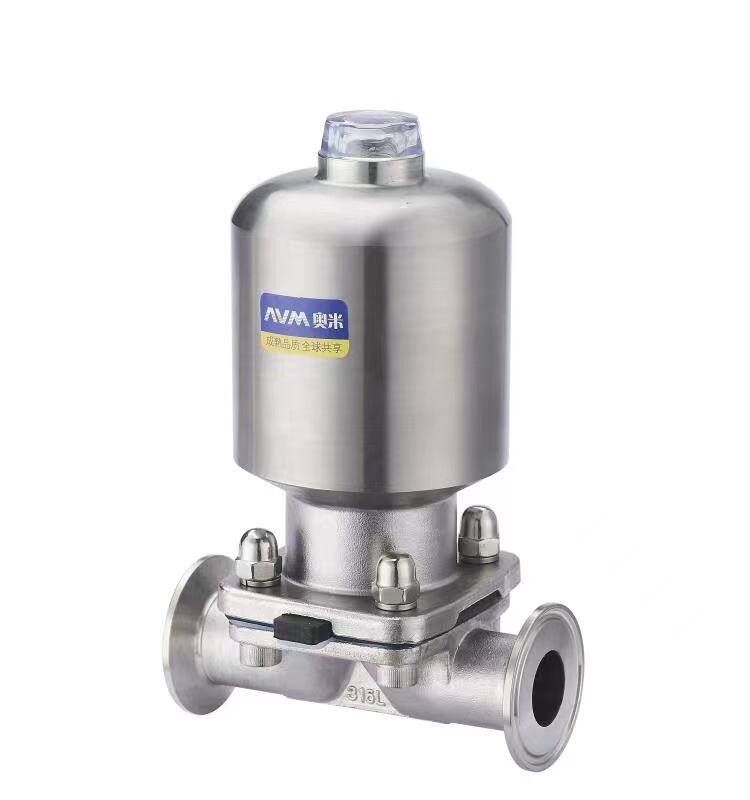
Superior Sealing and Contamination Prevention
Bubble-Tight Sealing Mechanism in On-Off Service
Diaphragm valves achieve zero-leakage performance through a unique elastomer membrane that creates a hermetic seal against the weir. This design eliminates traditional packing glands susceptible to wear, enabling 99.9% leakage-free operation in 1,000-cycle endurance tests (Fluid Control Institute 2023).
Elimination of Leakage Paths and Fugitive Emissions
With no sliding stem components, diaphragm valves prevent fugitive emissions by 92% compared to globe valves in gas/vapor service (EPA 2022 Emission Factors). The clamped diaphragm isolates media from external environments, making them ideal for hazardous chemical transport and methane containment in LNG facilities.
Contamination Prevention in Sterile Environments
The crevice-free flow path and sterilizable EPDM diaphragms reduce bioburden risks to <0.1 CFU/ml in USP Class VI-certified valves. This performance supports compliance with ISO 14644-1 Class 5 cleanliness standards, making these valves essential in medical device manufacturing and vaccine production.
Case Study: Diaphragm Valve Performance in Pharmaceutical Cleanrooms
A 36-month evaluation across seven sterile filling suites showed diaphragm valves reduced microbial contamination events by 99.8% versus traditional ball valves. The study confirmed zero valve-related product recalls post-implementation in large-volume parenteral solutions (PDA Technical Report 88, 2023).
Precise Throttling and Flow Regulation Capabilities
Precise Flow Control Using Resilient Diaphragm Actuation
The flow accuracy of diaphragm valves reaches around 2% in throttling applications because their flexible elastomer or polymer membranes deform in a controlled way. These valves offer something that rigid sealing systems just can't match—fine adjustments without compromising on tight closure. Recent research from fluid dynamics experts shows these designs cut down turbulence by about 37% when partially open versus traditional globe valves. This makes them particularly good for dosing systems where precision matters most, especially in chemical processing plants and water treatment facilities across the country.
Performance Comparison: Diaphragm vs. Globe Valves in Throttling Service
In 15 MPa steam control applications, diaphragm valves exhibited 63% lower seat erosion after 10,000 cycles than globe valves. Their streamlined flow path avoids abrupt directional changes, minimizing cavitation risks and pressure drop (ÎP ≤0.3 bar at 85% open position). This efficiency is critical in energy-intensive operations where throttling directly affects operating costs.
Actuator Types for Accurate Flow Regulation
Modern diaphragm valves use three actuator technologies for precision control:
- Pneumatic actuators: Offer 50–200 ms response times, ideal for dynamic processes like pharmaceutical blending
- Electric actuators: Provide 0.1° positioning accuracy via integrated PID controllers, suitable for hazardous areas (ATEX/IECEx)
- Electro-hydraulic actuators: Deliver 500:1 turndown ratios and 20 kN thrust, designed for heavy oil pipelines
These systems maintain flow setpoints within ±0.5%, supporting reliable regulation in brewery CIP systems to nuclear reactor coolant loops.
Sanitary Design and Clean-in-Place (CIP) Compatibility
Diaphragm valves excel in hygienic applications due to their cleanable, self-draining design optimized for automated sanitation.
Self-Draining Configuration for Zero Fluid Retention
Smooth, obstruction-free bores and sloped internal geometries ensure complete drainage, eliminating stagnant zones that could harbor microbes. This feature is vital in ultraclean processes where fluid retention compromises safety and quality.
Integration into CIP/SIP Systems in Food and Beverage Processing
Diaphragm valves are fully compatible with CIP (Clean-in-Place) and SIP (Sterilize-in-Place) systems, enduring repeated exposure to high-temperature water, caustic detergents, and steam without seal degradation. Facilities using CIP-compatible valves report 60% less sanitation downtime than those relying on manual cleaning methods (2023 industry report).
Applications in Industries Requiring Cleanliness
- Food production: Preventing bacterial ingress in dairy pasteurization lines
- Pharmaceuticals: Ensuring sterility in vaccine manufacturing
- Brewing: Avoiding flavor carryover during fermentation
Trend: Rising Adoption in Biopharmaceutical Manufacturing Due to Hygienic Standards
Biopharma facilities increasingly specify diaphragm valves for closed-system processing. Their compatibility with single-use systems and adherence to ASME BPE standards align with FDA guidelines for biologics production. Over 75% of new biomanufacturing plants now use diaphragm valves for critical fluid handling.
Chemical Resistance and Corrosion Protection
Diaphragm valves handle aggressive media effectively thanks to material engineering and fluid-isolating construction. Since working components never contact the process fluid, electrochemical corrosion common in other valve types is avoided.
Compatibility with corrosive and hazardous fluids
They maintain structural integrity when exposed to acids, alkalis, and solvents across chemical processing and wastewater industries. A 2023 material study found diaphragm valves experience 98.6% less corrosion than globe valves under pH extremes over 12-month cycles.
Material options: EPDM, PTFE, and fluororubber linings
Selecting the right diaphragm material ensures long-term chemical resistance:
| Material | Temperature Range | Key Resistances |
|---|---|---|
| EPDM | -40°C to 140°C | Weak acids, alkalis, ketones |
| PTFE | -200°C to 260°C | Concentrated acids, solvents |
| Fluororubber | -20°C to 205°C | Ozone, chlorinated hydrocarbons |
Case study: Handling radioactive waste in nuclear facilities
In recent DOE-funded trials, PTFE-lined diaphragm valves showed zero seal degradation after 5,000 cycles with high-activity nuclear waste slurries. Validation tests in 2024 confirmed this performance exceeds ASME BPE standards for radioactive fluid containment by 34%.
Low Maintenance and Operational Efficiency
Diaphragm valves offer superior operational efficiency through design features that minimize maintenance needs. Valve lifecycle assessments (VMA 2023) show 45% lower annual maintenance costs compared to globe valves in chemical processing.
Minimal maintenance required due to isolated actuation system
The actuation mechanism is physically separated from the process fluid, preventing contamination and wear. This eliminates lubrication requirements and reduces component degradation by 72% in wastewater applications (Fluid Control Journal 2022), with some operators achieving 10-year service intervals between interventions.
Ease of disassembly and rapid diaphragm replacement
Thanks to the clamp-ring design, field technicians can replace worn diaphragms in under 20 minutes using standard tools. This simplicity reduces downtime significantly—food processing facilities documented 68% faster line restarts compared to threaded valve alternatives (IFS 2023 efficiency report).
Frequently Asked Questions (FAQs)
What are diaphragm valves used for?
Diaphragm valves are commonly used for their ability to offer superior sealing, flow regulation, contamination prevention, and resistance to aggressive chemicals. They are essential in industries such as pharmaceutical manufacturing, food and beverage processing, water treatment, and chemical processing.
How do diaphragm valves prevent contamination?
Diaphragm valves feature crevice-free flow paths and sterilizable diaphragms that reduce bioburden risk and prevent contamination in sterile environments, supporting compliance with cleanliness standards.
What materials are diaphragm valves made of?
Diaphragm valves can be lined with materials such as EPDM, PTFE, and fluororubber, each offering specific temperature ranges and resistance to different chemicals, optimizing their performance in various applications.
Why are diaphragm valves preferred in biopharmaceutical manufacturing?
Diaphragm valves adhere to hygienic standards, are compatible with single-use systems, and meet regulatory guidelines, making them ideal for biopharmaceutical manufacturing.
What are the maintenance benefits of using diaphragm valves?
Diaphragm valves have isolated actuation systems, minimizing wear and contamination risks. This leads to lower maintenance costs and extended service intervals.