
 EN
EN
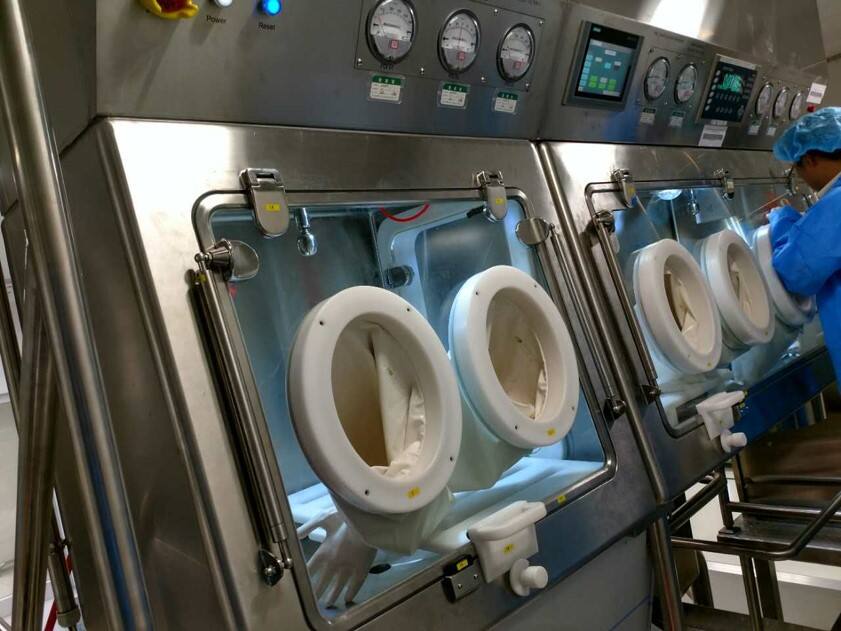
Rapid Transfer Port Fundamentals: Design and Aseptic Principle
A rapid transfer port (RTP) enables sterile material movement between isolated environments using a dual-component design. This system prevents contamination through two core mechanisms: a fail-safe door interlock and a radially compressed seal—both working synergistically to uphold sterility assurance.
Dual-Door Interlock Architecture Preventing Simultaneous Chamber Exposure
The RTP system uses what's called an Alpha-Beta door setup with those mechanical locks that stop both sides from opening at the same time. When the Beta flange connects to the Alpha flange through that bayonet style attachment, built-in sensors check if everything lines up properly before letting either door open. Basically, the isolator side door stays shut until the container side door forms a complete seal, and then when things come apart, the opposite happens too. This whole step-by-step locking mechanism really stops any contamination from getting through, which is super important when dealing with strong chemicals. We're talking about serious money losses here - companies typically spend around $740,000 on average after someone gets exposed to these substances according to Ponemon Institute data from last year. The manual override feature isn't just a button press away either. Workers have to go through specific steps to activate it, which cuts down on mistakes made by people by about 95% when compared to older models with only one door.
Radial Compression Gasket Seal Integrity and Its Role in Maintaining Sterility
Radial compression gaskets, which are often made from FDA approved materials such as silicone or various types of fluoropolymer, form complete 360 degree seals when the flange surfaces come together properly. What makes them different from regular static gaskets is how they distribute pressure across their entire surface area. This helps compensate for minor surface irregularities and also accounts for changes in temperature that can cause components to expand or contract. These seals have been tested extensively under harsh conditions too. When subjected to sterilization processes reaching temperatures around 190 degrees Celsius, they still manage to keep leak rates below one times ten to the negative sixth power millibar liters per second according to ASTM standard F2096 specifications. Such low leakage rates effectively stop any unwanted microorganisms from getting through during critical operations. Some important characteristics that set these apart include their ability to handle extreme environments, maintain consistent performance over time, and adapt well to different installation requirements across various industries.
| Property | Impact on Sterility Assurance |
|---|---|
| Uniform compression | Eliminates seal deformation under pressure differentials |
| Temperature resilience | Withstands SIP/CIP cycles without degradation |
| Material compatibility | Resists aggressive VHP sterilization without leaching |
This design sustains ISO 14644-1 Class 5 conditions during repeated transfers by blocking aerosolized particles ≤0.3µm.
Contamination Control Performance of Rapid Transfer Ports
ISO 14644-1 Class 5 Environment Maintenance During Door Cycling
The rapid transfer ports keep ISO 14644-1 Class 5 (Grade A) standards intact when doors cycle open and closed thanks to carefully designed pressure differences and those special radial gasket seals. During testing, these ports faced really dirty environments with contamination levels reaching up to 1 million colony forming units per cubic meter. They operated under +120 Pa pressure while keeping sterile areas at around +20 Pa. Amazingly enough, no microbes managed to get through despite seeing dirt actually sitting on the seals themselves. Such strong protection fits right in with what the 2022 EU GMP Annex 1 says about controlling contamination scientifically. The system automatically watches pressure levels so they don't drop below 45 Pa during transfers, which stops airborne particles from sneaking in. After being tested in literally thousands of pharmaceutical transfers every day, these systems reliably keep particle counts down to about 3,500 per cubic meter or less, meeting all the requirements for Class 5 conditions while everything is running normally.
Standardized Aseptic Operation Using Rapid Transfer Ports
Stepwise Alpha/Beta Door Sequencing with Real-Time Pressure and Leak Monitoring
The Rapid Transfer Ports work to keep contaminants out by controlling when doors open and close in sequence. Basically, the Beta door needs to completely attach and form a tight seal with the Alpha interface before either chamber can actually release anything. The system is designed so that only one side stays open at once during these operations. When materials are being transferred back and forth, there are built-in sensors constantly checking things like how well the seals hold up, differences in pressure between chambers, and whether any particles get inside. If something goes wrong and crosses those strict ISO standards for cleanrooms (specifically Class 5), the whole thing locks down automatically right away. Studies published in reputable journals show that this approach cuts down on microbe entry by about 98 percent in the highest quality clean environments. What's really nice about it is that it allows for completely sealed transfers without needing people to manually intervene all the time. Throughout the entire transfer process, diagnostic tools keep an eye on how tightly compressed the gaskets are and where everything lines up properly, giving ongoing proof that the system remains sterile from start to finish.
Validation and Regulatory Alignment for Rapid Transfer Port Qualification
Getting rapid transfer ports properly validated remains critical for maintaining sterile conditions and containing contaminants during drug production processes. When looking at what needs checking, three main factors stand out: how air moves through the system, whether there are any leaks (which can be spotted using pressure tests that detect holes smaller than 1×10⁻⁶ mbar·L/s), and how well these ports resist contamination after being cleaned with vaporized hydrogen peroxide. The latest version of EU GMP Annex 1 from 2022 has changed things quite a bit, now asking companies to base their validation on actual scientific data and risk assessments rather than standard practices. Manufacturers must test under the toughest possible conditions, check how seals hold up over time, and push systems to their limits with temperature changes and frequent connections/disconnections. Regular checks involve looking at the equipment visually, tracking how many times it's used, and running occasional tests with microbes to make sure everything stays clean. All this careful documentation helps keep products safe when producing large batches, and also keeps regulators happy during inspections.
FAQ
What is a rapid transfer port?
A rapid transfer port is a system used to move sterile materials between isolated environments without contaminating them, utilizing mechanisms like a dual-component door setup and radially compressed seals.
How does the Alpha/Beta door setup work?
The Alpha/Beta door setup in rapid transfer ports ensures that only one side's door can be open at a time, preventing simultaneous exposure and contamination between chambers.
What materials are radial compression gaskets made from?
Radial compression gaskets are commonly made from FDA-approved materials such as silicone or fluoropolymer, which offer pressure distribution and temperature resilience.
Why is maintaining ISO 14644-1 Class 5 conditions important?
Maintaining ISO 14644-1 Class 5 conditions ensures that contamination levels remain extremely low, crucial for sensitive environments like pharmaceutical manufacturing.