
 EN
EN
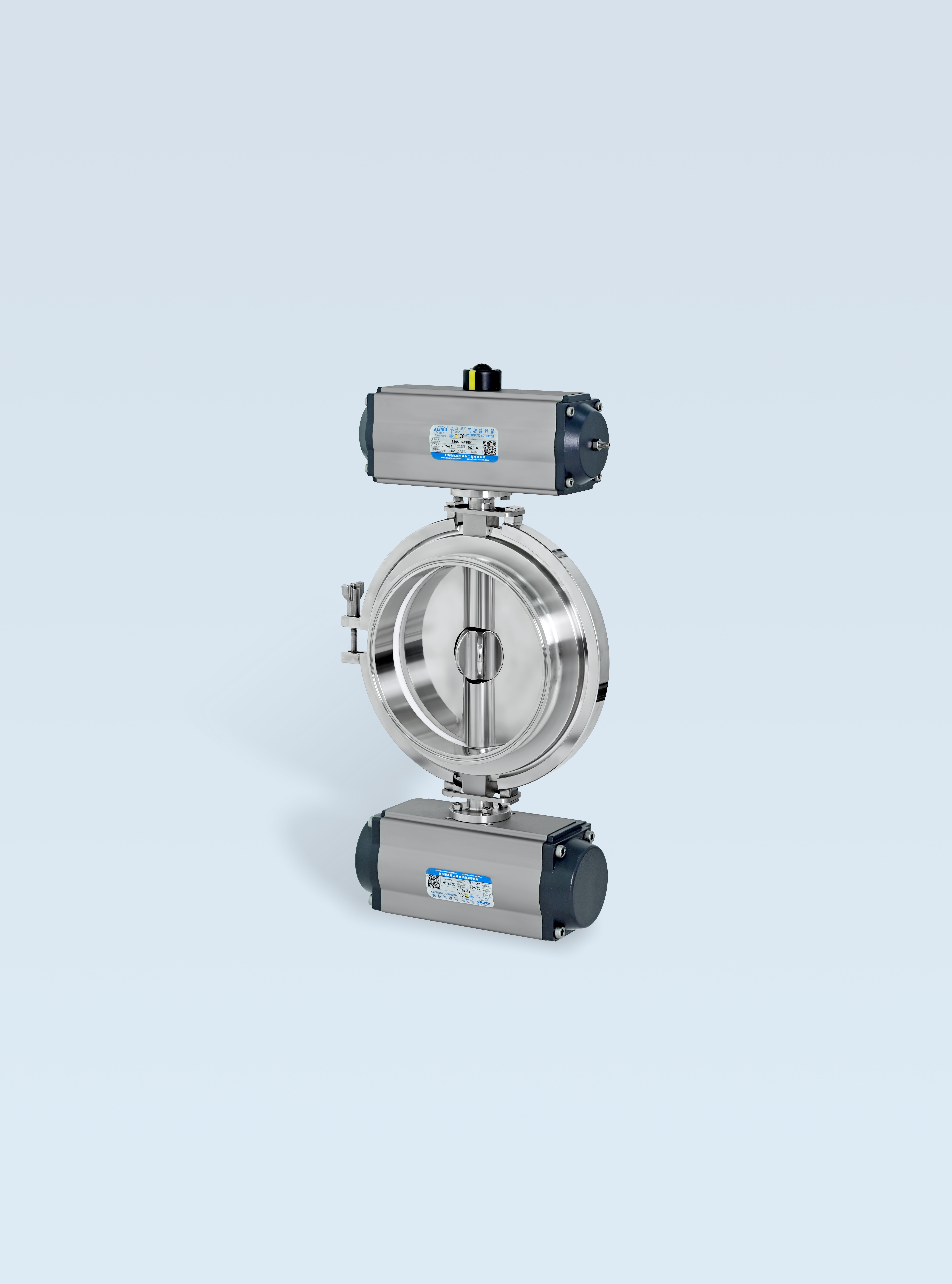
Selecting the Right Powder Valve for Flow Accuracy
Matching Valve Type to Material Properties and Process Requirements
Achieving consistent flow accuracy starts with aligning valve specifications with powder behavior and operational demands. Cohesive materials like titanium dioxide require high-shear valve designs to prevent bridging, while free-flowing powders such as granulated sugar perform best with minimal-contact geometries. Key selection criteria include:
- Material cohesion: Highly cohesive powders demand valves with aggressive shearing surfaces to break clumps
- Abrasion resistance: Hard particulates (e.g., silica sand) necessitate hardened alloys like 440C stainless steel
- Process hygiene: Pharmaceutical applications require polished surfaces (Ra ≤ 0.4 μm) and CIP/SIP compatibility
- Temperature sensitivity: Thermoplastic powders need valves with thermal breaks to prevent melting
Evaluating Pressure Drop and Critical Flow Conditions Across Powder Valves
Pressure differentials directly impact flow consistency—improper ΔP management causes up to 23% throughput variation in powder handling systems. When assessing valves:
- Calculate the minimum fluidization velocity using a ring shear tester
- Verify valve Cv exceeds your system’s peak flow demand by 15–20%
- Analyze pressure drop curves across the full stroke range—sudden drops below 0.5 bar can cause flooding in fine powders
- Implement pressure compensation controls for processes with variable head pressures
Critical flow occurs when powder velocity reaches choking conditions, causing erratic discharge. Always test valves above your operational flowrate threshold using a Powder Flow Tester (PFT) to identify transition points.
Understanding Powder Valve Operation and Control Mechanisms
Sealing Design and Its Role in Preventing Leakage and Ensuring Consistent Flow
Good sealing really matters for how well powder valves work because it stops things like losing product, getting different materials mixed together, and having inconsistent batches. When there are leaks in these powder handling systems, companies often end up wasting around 15% of their material which definitely affects production consistency. Modern sealing solutions such as those rubber sleeve arrangements in pinch valves or the polished contact surfaces on rotary valves create almost completely sealed closures that handle particles getting in from all directions. These kinds of seals keep pressure where it needs to be even when dealing with very fine powders below about 50 microns in size. As a result, the powder flows more consistently through the system and equipment lasts longer since wear related problems happen less frequently.
Actuation Options for Precision: Pneumatic, Electric, and Servo-Driven Powder Valves
Choosing the right actuation method balances speed, precision, and operational costs:
| Actuator Type | Response Time | Control Precision | Best For |
|---|---|---|---|
| Pneumatic | <0.5 seconds | Moderate | High-speed bulk transfer |
| Electric | 2–5 seconds | High | Recipe-driven processes |
| Servo-Driven | <0.1 seconds | Ultra-high | Micro-dosing & APIs |
Pneumatic actuators excel in rapid, high-cycle operations but lack fine-tuning. Electric systems enable programmable flow profiles via PLC integration, while servo-driven valves achieve ±1% dosing accuracy in pharmaceutical applications. For cohesive powders, slower electric or servo actuation prevents flow surges—improving fill-weight consistency by 12–18%.
Material Behavior and Its Impact on Powder Valve Performance
How Particle Size, Morphology, Moisture, and Cohesion Affect Flow Accuracy
How particles behave determines whether materials will flow smoothly or cause problems. When we look at finer particles under 50 microns, they tend to stick together about 60% more than larger ones do. And then there are those odd shapes such as flakes and fibers which actually lock into each other mechanically, making everything harder to move along. Another big issue comes from moisture levels. If material contains over 3% water, it sticks to surfaces much stronger, sometimes doubling or even tripling normal adhesion forces. This creates buildup issues right where it matters most on valves. Testing shows that when cohesion strength measured through shear cells goes past 1 kilopascal, standard valves just won't cut it anymore. Specialized designs become necessary to stop bridging problems. Getting this right matters a lot because in industries like pharmaceuticals or chemicals, keeping dose accuracy within plus or minus 2% is absolutely essential for quality control and regulatory compliance.
Flow Characterization Methods: Ring Shear Tester, FT4, and PFT for Valve Sizing
Understanding how powders behave is essential when specifying valves correctly. Ring shear testing equipment looks at things like cohesive strength and wall friction while applying consolidation pressure, which helps determine what hopper angles are needed for proper mass flow conditions. Dynamic analysis tools actually simulate the energy involved in agitating materials, showing up segregation issues that can really mess with batch consistency across production runs. Permeability testing checks how much air gets trapped in the material mix something that matters a lot for pneumatic conveying systems. Materials with very low permeability readings below 0.5 cm² per second typically require bigger valve clearances to work properly. All these standard test methods produce valuable flow property data including those flow function coefficients that engineers need to size valves appropriately. Getting this right prevents common mistakes where undersized valves lead to significant problems down the line, causing around 30% reduction in throughput rates for dense phase conveying operations.
Installation, Calibration, and Maintenance Best Practices for Reliable Powder Valve Operation
Getting the installation right is key to making sure those powder valves work reliably over time. Line everything up properly with the pipes they connect to so there's no unnecessary strain on the components. Before putting anything into service, flush out all the lines completely to get rid of any bits of dirt or grit that might block things up later or scratch the seals where they shouldn't be. When tightening down parts, stick strictly to what the manufacturer says about torque specs and use good quality tools for the job. Too tight and we risk warping parts; too loose and leaks happen fast. And don't forget about doing some basic leak checks first thing when dealing with important systems. A quick test with nitrogen or just creating a vacuum can save headaches down the road if something goes wrong after materials start flowing through.
Calibrate valves under actual operating conditions: measure flow rates against setpoints across the full control range and adjust actuation parameters to achieve ±2% accuracy. Document baseline settings for future reference. Recalibrate quarterly or after process changes using certified flow meters, as material buildup or wear can alter performance by 5–15% annually.
Maintenance protocols directly impact longevity and reliability:
- Daily: Inspect for leaks, unusual vibrations, or pressure deviations
- Monthly: Verify actuator response times and clean position feedback sensors
- Biannually: Replace dynamic seals and assess wear components like valve seats
- Annually: Perform full diagnostic testing and recalibration
Maintain detailed logs of all maintenance actions and performance metrics. This historical data enables predictive maintenance—addressing issues like seal degradation before failures occur. Combining rigorous installation, data-driven calibration, and proactive upkeep reduces unplanned downtime by up to 40% while ensuring sustained flow accuracy.
FAQ
What is a cohesive material and why does it require specific valve designs?
Cohesive materials are prone to clumping and bridging due to their particle interactions. They require high-shear valve designs that break clumps and ensure consistent flow.
How do pressure differentials affect powder valve performance?
Pressure differentials impact flow consistency—improper management can lead to significant throughput variations. Analyzing pressure drop and ensuring pressure compensation can mitigate this issue.
Why is actuation method selection important for powder valves?
Choosing the right actuation method ensures the balance of speed, precision, and cost. Options like pneumatic, electric, and servo-driven can optimize operations based on the specific application.
How does particle behavior affect valve accuracy?
Factors like particle size, morphology, moisture, and cohesion critically influence flow accuracy. Specialized valve designs may be required to address these challenges.
What maintenance practices ensure reliable valve operation?
Regular inspections, calibrations, and updates on valve components are essential. Following best practices reduces unplanned downtime and enhances flow accuracy.