
 EN
EN
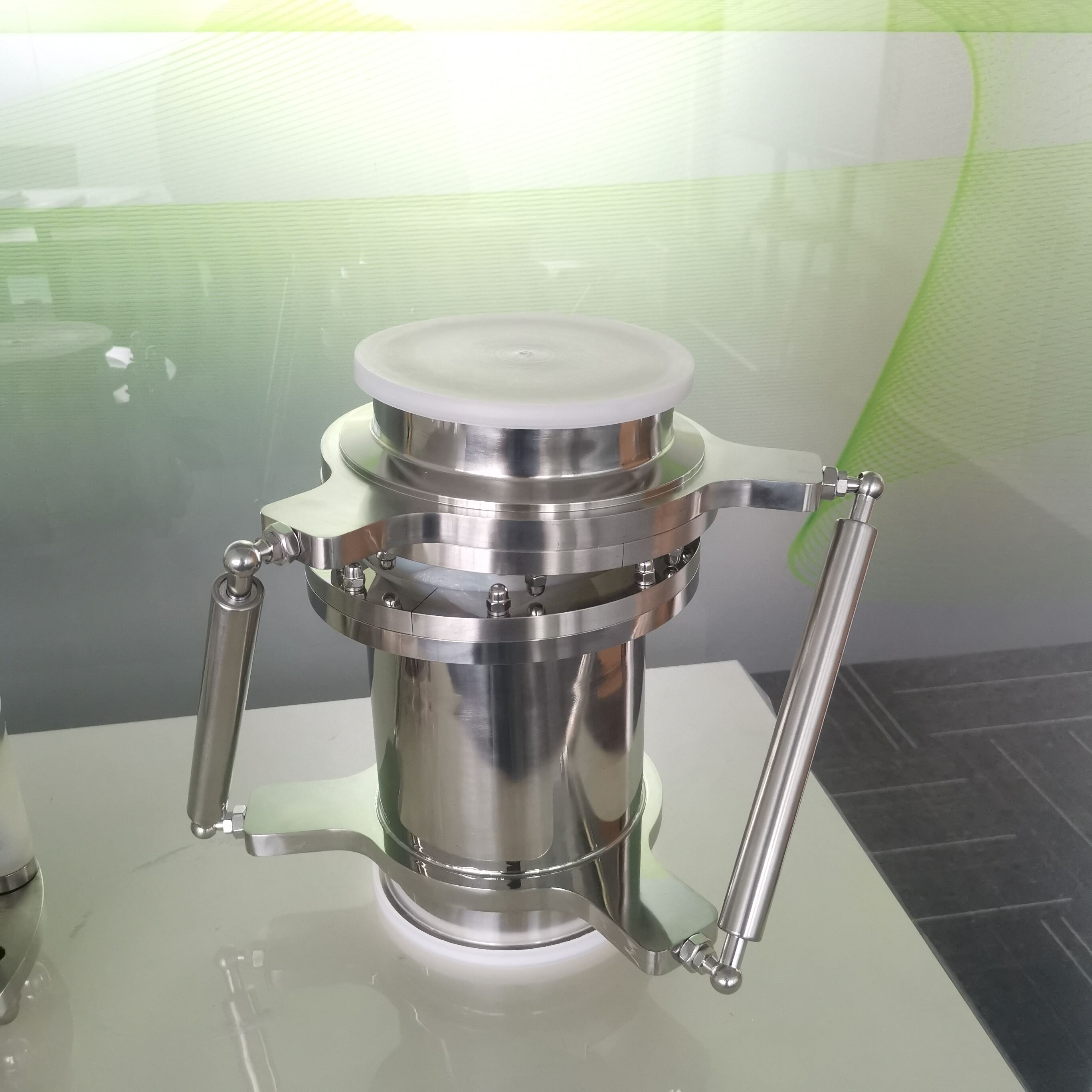
How Split Butterfly Valves Enable Zero-Leak Containment in High-Integrity Processes
Dual-Disc Sealing Architecture and Active/Passive Unit Integration
Split butterfly valves deliver essentially zero leaks thanks to their dual disc sealing design. One part is an active sealing unit that constantly presses against the valve seat. There's also a passive backup ring built right in, designed to kick in automatically when there's thermal expansion or sudden pressure changes. These discs work separately but stay perfectly aligned during operation. This setup gets rid of those tiny gaps that can form over time, which matters a lot when dealing with dangerous substances like toxic APIs, cytotoxic materials, or volatile solvents where even the smallest leak could be problematic. Tests have shown these valves leak less than 0.00001 milliliters per second along each meter of the seal. That's way better than what ISO 15848-1 demands for its top tier Class A valves in industry settings.
Mechanical Sealing Mechanism for Dust-Tight and Gas-Tight Isolation
The body seat is micro finished and integrated into the design so it makes actual metal contact with both discs. This setup creates a gas tight seal even when pressure goes over 150 PSI and stops particles as small as 0.5 microns from getting through, which matters a lot when moving powerful powders around. For the shaft sealing part, we've got spring loaded graphite packing plus another layer made from elastic material. Together they form multiple barriers against leaks going out and contaminants coming in. Manufacturers have tested this configuration during FDA inspections for work involving sterile materials and strong compounds. Plus there's no need for lubricants here, something that gets rid of one major way products get contaminated in regular butterfly valves.
Critical Applications: Pharmaceutical, API, and Fine Chemical Transfer
Split butterfly valves are indispensable in high-containment applications where exposure prevention is non-negotiable—particularly when handling Category 3 and 4 compounds with occupational exposure limits (OELs) below 10 μg/m³. Their dual-barrier sealing architecture directly supports compliance with ISO 14644-1 Class 5 cleanroom standards and EU GMP Annex 1 requirements for closed-system processing.
Containment of Potent Powders and Solvent Vapors During Transfer
The split-body configuration enables rapid disassembly for cleaning validation—critical for batch changeovers in multiproduct facilities—while maintaining dust-tight and gas-tight integrity across thermal cycles and pressure excursions. This ensures consistent containment during transfers of highly potent APIs and volatile solvent vapors, mitigating cross-contamination risk without compromising operational efficiency.
FDA-Compliant Case Study: Closed-System API Handling with Split Butterfly Valve
Recent tests showed nearly perfect containment rates at around 99.99% when moving powerful substances through closed systems using split butterfly valves. These valves kept performing well even after going through over 500 cycles without any detectable leaks. We checked this using standard methods outlined in ASTM E3219-20 for surrogate testing. When it came to cleaning, we found residues were cleaned down to under 10 parts per million. This means manufacturers can switch products quickly without spending extra time on cleaning processes. The system also keeps product areas completely separate from where workers operate, which cuts down risks associated with handling dangerous drugs like cytotoxics. This setup actually aligns pretty well with what the FDA recommended back in 2021 regarding safety measures for handling strong compounds in production facilities.
Selection Criteria for Split Butterfly Valves in Regulated Industries
Choosing the right split butterfly valve for work in pharmaceuticals, biotech labs, or fine chemical manufacturing isn't something that can be rushed. It takes careful consideration beyond just looking at what materials are used and how big they are. The real test comes when these valves actually perform under strict regulations. Start by checking if the parts that come into contact with fluids (like electropolished 316L stainless steel or FDA approved rubber seals) can stand up to whatever chemicals, temperatures, and pressures will be thrown at them during normal operation. Aggressive solvents and gritty slurries shouldn't cause any issues either. Next on the list is finding valves that have both ISO 15848-1 certification for fugitive emissions control and meet ASME BPE standards for biopharma equipment. Make sure there's proper documentation showing surface finishes below 0.38 microns Ra and complete records tracing back all materials used. Sterilization compatibility matters too. Ask for proof that validated SIP/CIP cleaning cycles work properly and look for valves that have handled at least a hundred thousand opening/closing cycles without problems. Lastly, don't forget to get detailed information about how long these valves typically last between failures, when maintenance is needed, and what kind of money gets spent over their entire lifespan. These records help pass those pesky GMP audits while keeping processes running reliably year after year.
Performance Boundaries: Flow Control Accuracy, Throttling Limits, and Comparison to Standard Butterfly Valves
Empirical Throttling Performance Data from Chemical Processing Trials
Tests in chemical processing environments reveal that split butterfly valves keep flow control pretty accurate within about plus or minus 5% when operated between 20% and 80% open. Regular butterfly valves usually drift around 10 to 15% in this range. The special dual disc design helps reduce turbulence and keeps pressure drops stable at around 1630 kPa even when partially closed. This makes them great for handling thick substances, materials sensitive to shear forces, or anything abrasive without losing control. Going below 20% throttle isn't recommended though because it wears out seals faster and creates unstable flow conditions. These valves work best for medium range adjustments rather than delicate low flow situations. Yes, they do have slightly higher pressure loss when fully open compared to standard models, but what they lose in that area they gain back in terms of sealing performance and containment capabilities. That's why many plants choose them specifically for applications where leak free operation matters most alongside good throttling accuracy.
Frequently Asked Questions
What are split butterfly valves used for?
Split butterfly valves are primarily used in high-containment applications such as pharmaceuticals, chemical processing, and biotech labs. They provide zero-leak containment for sensitive or hazardous materials during transfer and processing.
How do split butterfly valves provide zero-leak containment?
These valves use a dual-disc sealing design, with one active and one passive disc, that stays perfectly aligned. This architecture eliminates tiny gaps, ensuring virtually zero leaks even in volatile conditions.
Are split butterfly valves compliant with industry standards?
Yes, split butterfly valves comply with various industry standards, including ISO 15848-1 for fugitive emissions and ISO 14644-1 Class 5 cleanroom standards, among others.
What factors should be considered when selecting split butterfly valves?
Consider material compatibility with chemicals and temperatures, compliance with certifications like ISO 15848-1 and ASME BPE, surface finish quality, and lifespan details to align with strict regulatory requirements.
Table of Contents
- How Split Butterfly Valves Enable Zero-Leak Containment in High-Integrity Processes
- Critical Applications: Pharmaceutical, API, and Fine Chemical Transfer
- Selection Criteria for Split Butterfly Valves in Regulated Industries
- Performance Boundaries: Flow Control Accuracy, Throttling Limits, and Comparison to Standard Butterfly Valves
- Frequently Asked Questions