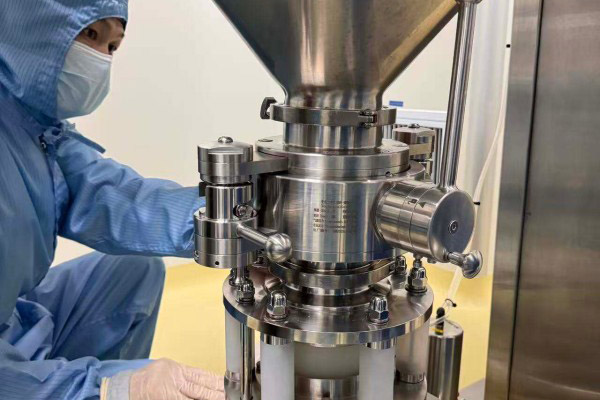

In pharmaceutical and other high-containment processing environments, equipment cleaning is an important consideration when planning material transfer systems. Split butterfly valves (SBVs) are used in applications where controlled powder transfer and containment are required, making the cleaning and maintenance of valve components an important part of overall process equipment management.
AVM is addressing this requirement with its 4-inch passive valve cleaning stand, developed to support the cleaning of passive valves used in split butterfly valve systems. Rather than treating cleaning as an isolated maintenance task, the equipment provides process engineers with a dedicated arrangement to consider when developing equipment layouts, cleaning procedures, and maintenance plans.
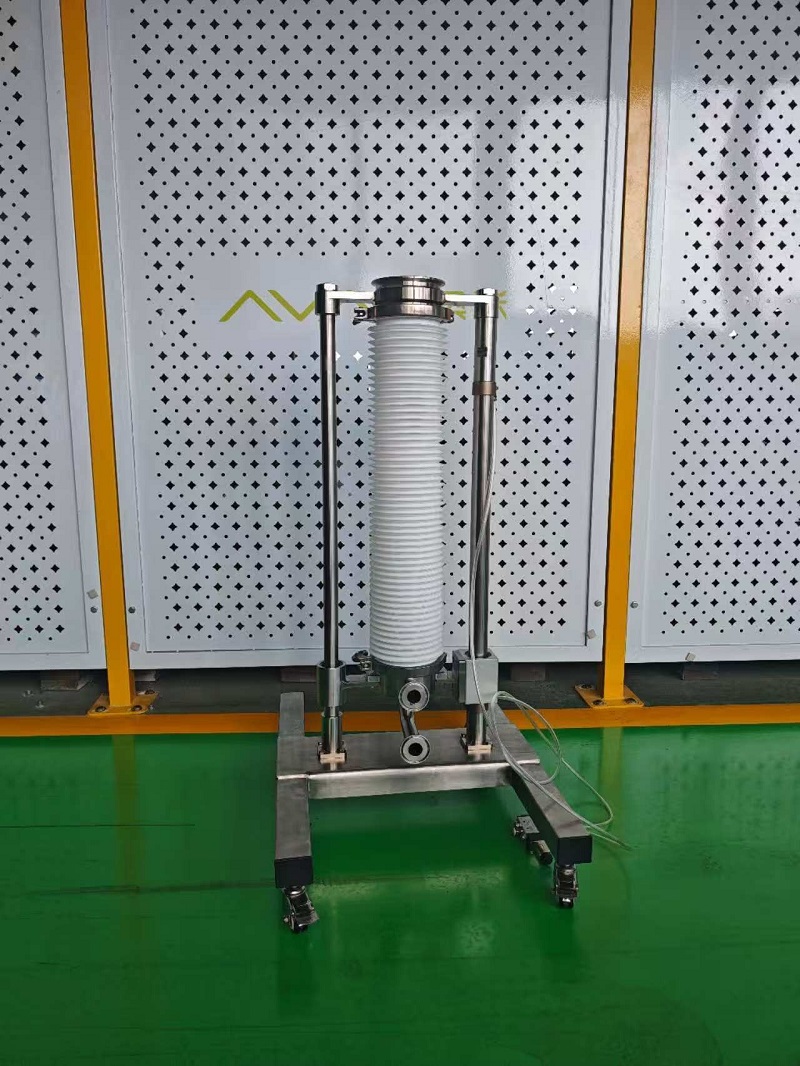
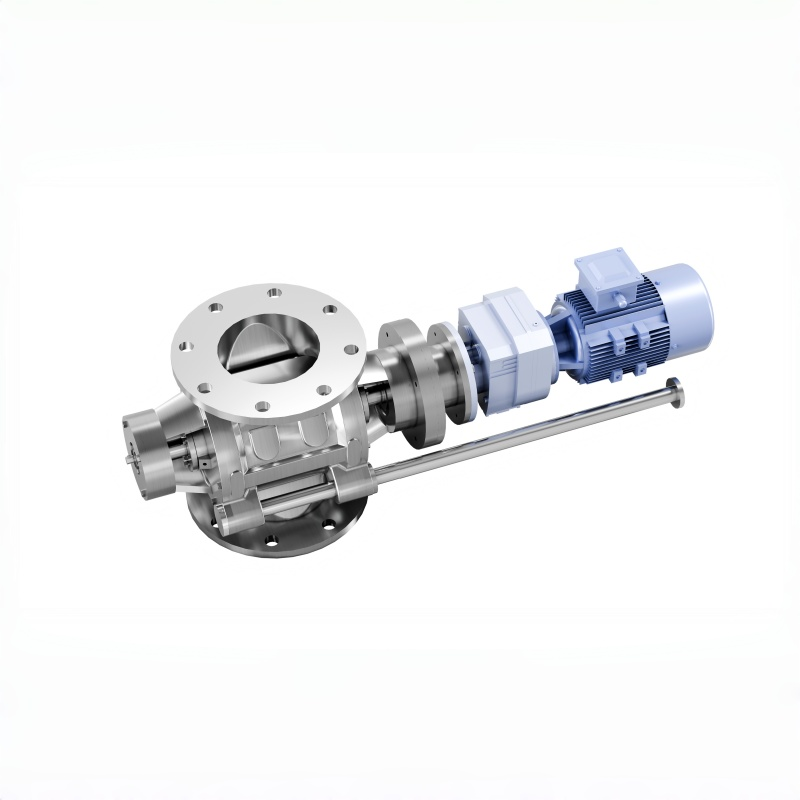
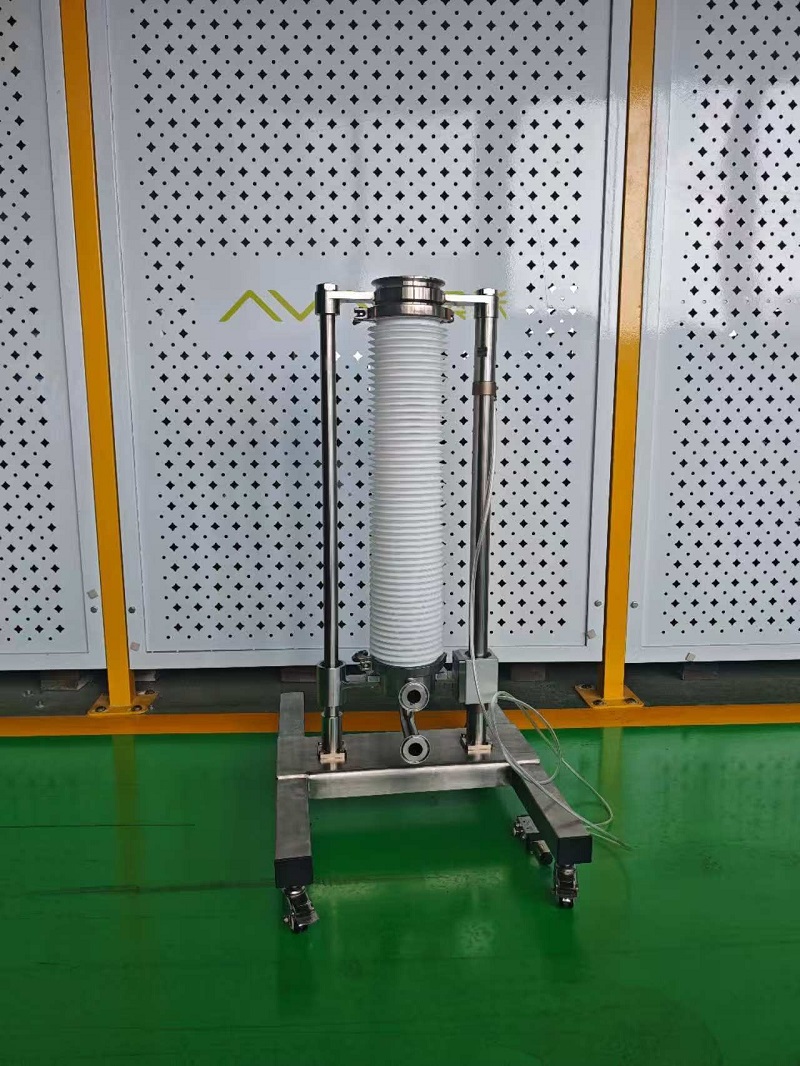
AVM's passive valve cleaning stand designed for split butterfly valve applications.
For pharmaceutical manufacturers and equipment integrators, cleaning requirements should be considered during the early stages of process design. Valve configuration, available installation space, utility connections, cleaning media, and drainage arrangements can all influence how cleaning equipment is incorporated into a production facility.
These considerations become particularly important when equipment must fit into an existing production line. Engineers need to evaluate the relationship between the valve assembly and its surrounding equipment, including the clearance required for maintenance activities and the accessibility of relevant connections.
AVM's passive valve cleaning stand provides a dedicated equipment option for projects involving SBV passive valve cleaning. Its vertical lifting arrangement and integrated cleaning components give engineering teams a defined configuration to review when assessing installation requirements and cleaning workflow design.
Cleaning equipment selection involves more than confirming a nominal connection size. The interface between the valve and cleaning stand must be checked against the actual equipment configuration, while the lifting path and surrounding layout must provide sufficient operating clearance.
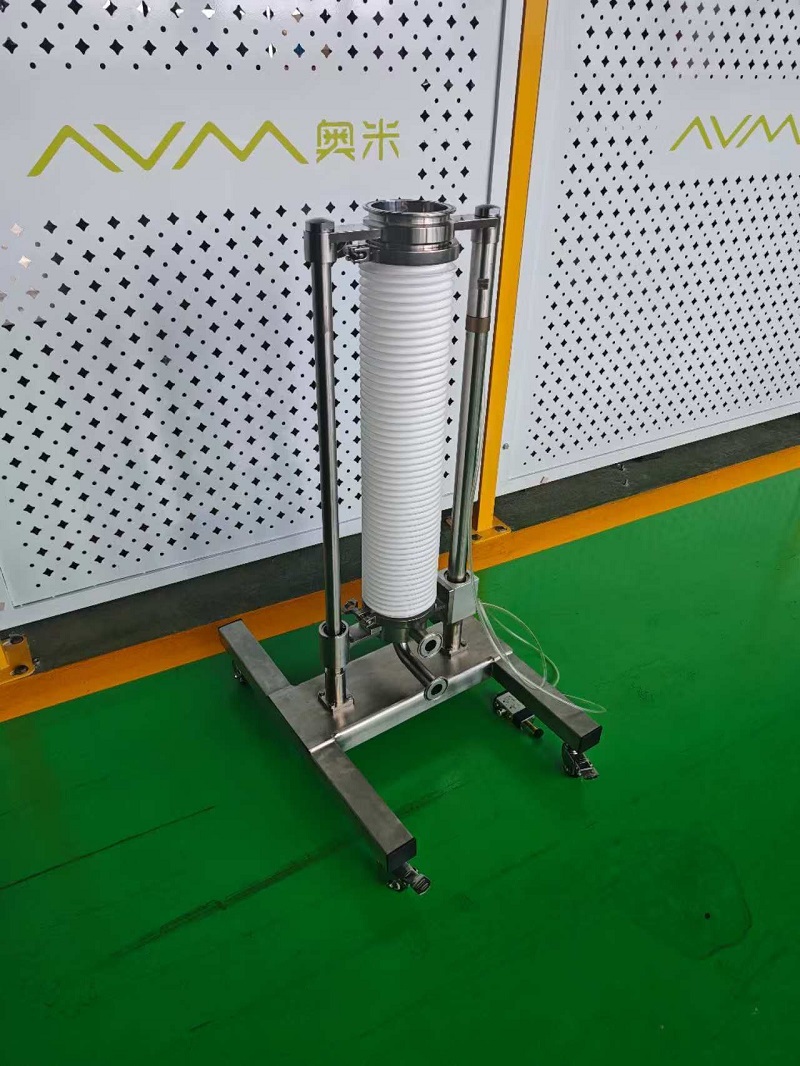
Equipment layout and connection details are important considerations during project integration.
The documented design of AVM's 4-inch passive valve cleaning stand includes a 450 mm lifting stroke, an adjustable operating speed of 20–50 mm/s, and a maximum load of 200 kg. The specified air supply pressure is 5 bar. These parameters provide a reference for preliminary engineering review, including available space, pneumatic utilities, and the intended operating load.
The final installation should be assessed against the approved project drawings and equipment documentation. Buyers should also confirm the required connection interface, pneumatic control arrangement, cleaning supply, and drainage route before placing an order or proceeding with commissioning.
A suitable cleaning plan should reflect the actual valve application, the materials being processed, and the cleaning requirements established by the end user. The cleaning medium, operating pressure, flow conditions, and discharge method should be evaluated together rather than selected independently.
For the AVM cleaning stand, the supplied manual specifies a reference cleaning flow rate of 5 m³/h, a cleaning pressure range of 2–4 bar, and a cleaning radius of 0.8 m. These values can support preliminary equipment assessment, but they should not be interpreted as proof of cleaning effectiveness for every installation. Appropriate operating conditions and cleaning acceptance criteria must be established for the specific process.
Maintenance planning is equally important. Routine inspections should cover the lifting structure, moving components, pneumatic tubing, fittings, and connection points. Abnormal movement, air leakage, or unexpected operating conditions should be investigated in accordance with the manufacturer's instructions and the site's safety procedures.
Cleaning discharge also requires attention. The installation should provide an appropriate drainage or recovery arrangement, and the equipment must be isolated and depressurized before maintenance or disconnection. Any cleaning procedure should be reviewed and approved for the intended application.
When evaluating a passive valve cleaning solution, project teams can improve the equipment selection process by clarifying several requirements in advance:
Valve compatibility: Confirm the actual valve interface, connection dimensions, and orientation rather than relying on nominal size alone.
Installation conditions: Review the equipment footprint, lifting clearance, surrounding piping, and required support arrangements.
Utility availability: Verify the required air supply and pneumatic control configuration against the approved schematic.
Cleaning procedure: Define the cleaning medium, operating conditions, drainage requirements, and acceptance criteria for the specific application.
Documentation: Request the technical drawings and supporting information needed to assess material compatibility, operating limits, and project-specific requirements.
Addressing these questions early helps procurement teams and engineering departments establish clearer equipment specifications and reduce uncertainty during installation planning.
As process equipment projects become more integrated, cleaning and maintenance considerations need to be coordinated with valve selection, facility layout, and operating procedures. Dedicated cleaning equipment can form part of this planning process when its configuration and operating requirements match the intended application.
AVM's 4-inch passive valve cleaning stand offers a defined lifting and cleaning arrangement for split butterfly valve systems. For pharmaceutical manufacturers, process equipment suppliers, and engineering contractors, reviewing the equipment alongside the actual valve configuration and cleaning requirements is an important step toward determining its suitability for a project.
Contact AVM to discuss your split butterfly valve application, equipment layout, and passive valve cleaning requirements. Providing the relevant interface details and project specifications can help the team assess equipment compatibility and identify the technical information required for further evaluation.