
 EN
EN
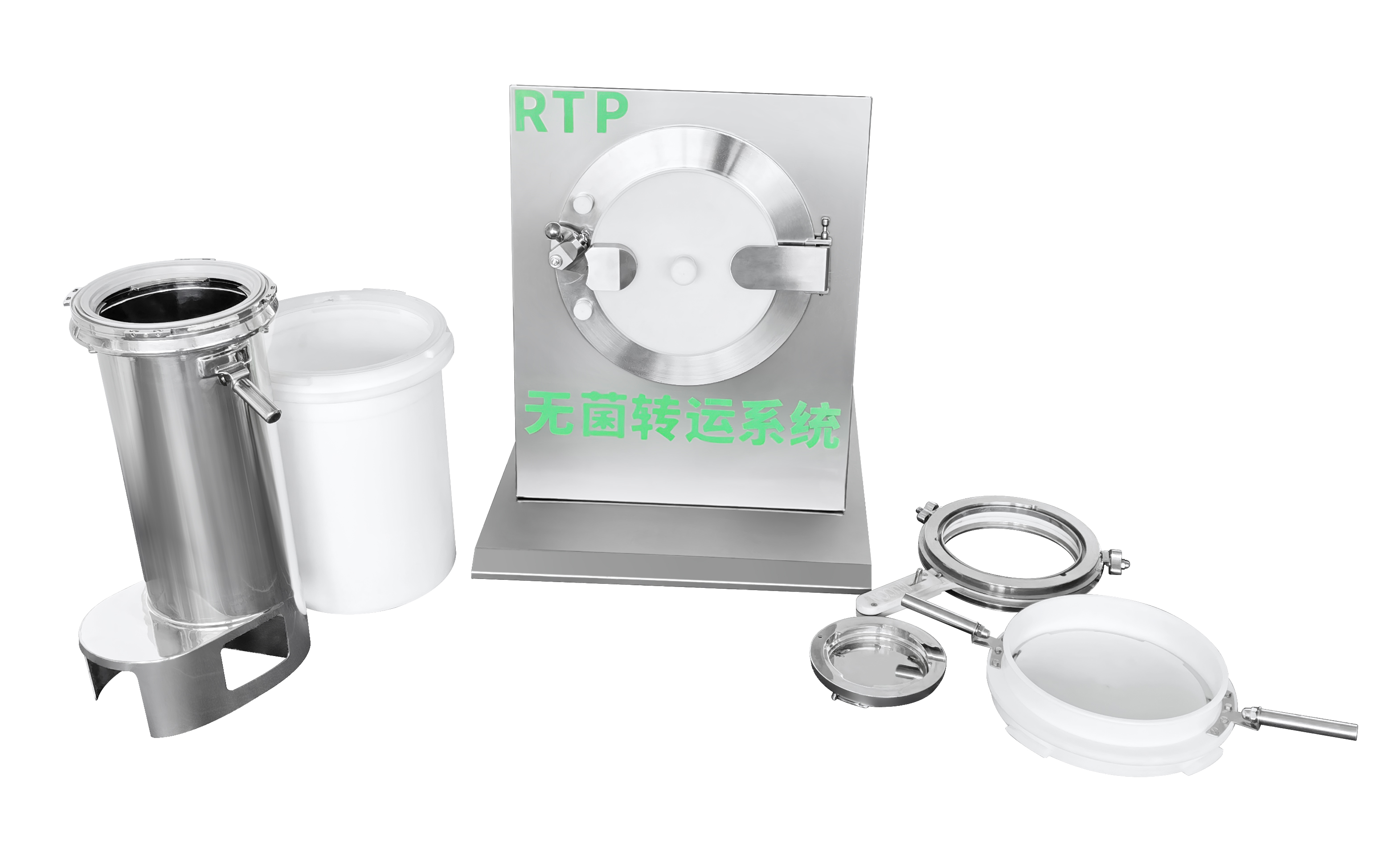
พอร์ตถ่ายโอนแบบเร็วคืออะไร และมันรับประกันความสมบูรณ์แบบแบบปลอดเชื้อได้อย่างไร?
หน้าที่หลัก: การถ่ายโอนวัสดุโดยไม่เกิดการปนเปื้อนระหว่างสิ่งแวดล้อมที่มีการจัดระดับความสะอาดอย่างเคร่งครัด
พอร์ตถ่ายโอนแบบเร็ว (RTP) คือ อินเทอร์เฟซเชิงกลที่ปิดสนิท ออกแบบมาเพื่อการถ่ายโอนวัสดุ—เช่น เครื่องมือที่ผ่านการฆ่าเชื้อ ตัวอย่าง หรือผลิตภัณฑ์ยา—ระหว่างสิ่งแวดล้อมที่แยกจากกัน เช่น อิโซเลเตอร์ หรือห้องสะอาด โดยไม่ทำลายความปลอดเชื้อ ระบบประตูคู่ (องค์ประกอบแอลฟาและเบต้า) สร้างทางเดินที่ปลอดภัยและปิดสนิท โดยเนื้อหาจะไม่สัมผัสกับอากาศภายนอกโดยตรง เมื่อประตูจัดแนวและล็อกเข้าด้วยกัน จะเกิดการปิดผนึกแน่นสนิทที่ผ่านการตรวจสอบแล้วว่าสามารถป้องกันไม่ให้จุลินทรีย์แทรกซึมเข้ามาได้ จึงทำให้สามารถเคลื่อนย้ายวัสดุได้อย่างปลอดภัยระหว่างโซนเกรด A/B กับโซนที่มีระดับความสะอาดต่ำกว่า
การกำจัด 'วงแหวนแห่งความกังวล': พอร์ตถ่ายโอนแบบเร็วช่วยปิดเส้นทางการปนเปื้อนที่สำคัญอย่างมีประสิทธิภาพ
วิธีการถ่ายโอนแบบดั้งเดิมก่อให้เกิดความเสี่ยงที่บริเวณรอยต่อระหว่างสิ่งแวดล้อม—ซึ่งเรียกว่า “วงแหวนแห่งความกังวล” พอร์ตถ่ายโอนแบบเร็ว (RTP) ขจัดจุดอ่อนนี้ออกไปได้โดยใช้ระบบล็อกเชิงกลที่ป้องกันไม่ให้ประตูแยกออกจากกันโดยไม่ตั้งใจในระหว่างการปฏิบัติงานอย่างแน่นหนา ซีลยางแบบบูรณาการผ่านการตรวจสอบแล้วว่าสามารถทนต่อกระบวนการฆ่าเชื้อด้วยไอน้ำ (Steam-in-Place: SIP) หรือไฮโดรเจนเปอร์ออกไซด์แบบไอระเหย (Vaporized Hydrogen Peroxide: VHP) ได้ และระบบยังคงรักษาความต่างของแรงดันที่ควบคุมไว้ข้ามอุปสรรคกั้นนี้อย่างต่อเนื่อง การออกแบบแบบสองชั้นนี้ (dual-containment) สามารถป้องกันอนุภาคและจุลินทรีย์ที่ลอยอยู่ในอากาศได้อย่างมีประสิทธิภาพ จนทำให้อัตราการปนเปื้อนต่ำกว่า 0.1% ในการตั้งค่าที่ผ่านการตรวจสอบแล้ว—สอดคล้องตามข้อกำหนดที่เข้มงวดของ Annex 1 ของสหภาพยุโรป (EU Annex 1) และแนวทางการดำเนินการแบบปลอดเชื้อ (aseptic processing) ของสำนักงานคณะกรรมการอาหารและยาสหรัฐอเมริกา (FDA)
องค์ประกอบการออกแบบหลักของพอร์ตถ่ายโอนแบบเร็วที่เชื่อถือได้
โครงสร้างประตูแบบสองชั้นและระบบล็อกเชิงกลเพื่อการกักเก็บที่ปลอดภัยสูงสุด (fail-safe containment)
หัวใจสำคัญของความปลอดภัยของ RTP คือระบบประตูสองชั้นที่มีกลไกการล็อก—โดยทั่วไปจะเป็นสลักแบบสปริงหรือกลไกแคมหมุน—ที่ป้องกันไม่ให้ประตูทั้งสองบานเปิดพร้อมกัน ในระหว่างการใช้งาน กลไกการล็อกจะบังคับใช้ลำดับที่เข้มงวด: ประตูด้านนอกต้องปิดสนิทก่อนที่ประตูด้านในจะเปิดออกได้ ซึ่งจะช่วยลดข้อผิดพลาดจากมนุษย์และรักษาสภาพแวดล้อมตามมาตรฐาน ISO Class 5 ตลอดกระบวนการขนย้าย ข้อมูลที่ได้รับการตรวจสอบโดยผู้เชี่ยวชาญจากวารสาร PDA (2023) ยืนยันว่าการออกแบบที่มีกลไกการล็อกดังกล่าวช่วยลดเหตุการณ์การปนเปื้อนได้ถึง 92% เมื่อเทียบกับวิธีการขนย้ายด้วยมือ
ความเข้ากันได้ของวัสดุ: สแตนเลสสตีลเกรด 316L เทียบกับพอลิโพรพิลีนในระบบ rapid transfer port แบบใช้ครั้งเดียวทิ้งและแบบใช้ซ้ำ
การเลือกวัสดุมีผลโดยตรงต่อประสิทธิภาพในการทนต่อรอบการฆ่าเชื้อ ความต้านทานต่อสารเคมี และอายุการใช้งานจริง:
| คุณสมบัติ | สแตนเลสสตีลเกรด 316L | โพลีโพรเปิลีน |
|---|---|---|
| การกําจัดโรค | การฆ่าเชื้อด้วยหม้อนึ่ง (Autoclave), การฆ่าเชื้อด้วยไอน้ำไฮโดรเจนเปอร์ออกไซด์ (VHP), การฆ่าเชื้อด้วยความร้อนแห้ง (dry heat) | การฆ่าเชื้อด้วยรังสีแกมมา (Gamma irradiation), การฆ่าเชื้อด้วยเอทิลีนออกไซด์ (ETO) |
| ความทนทานต่อสารเคมี | ยอดเยี่ยม (pH 1–14) | ดี (pH 3–11) |
| ความทนทาน | มากกว่า 10,000 รอบ (แบบใช้ซ้ำ) | การใช้งานแบบใช้ครั้งเดียวทิ้ง |
| ประสิทธิภาพในเรื่องค่าใช้จ่าย | การลงทุนเริ่มต้นที่สูงกว่า | ต้นทุนต่อการใช้งานต่ำลงประมาณ 40% |
สแตนเลสสตีลรองรับการผลิตตามมาตรฐาน GMP ที่มีความถี่สูงและอุณหภูมิสูง ในขณะที่โพลีโพรพิลีนที่ผ่านการฉายรังสีแกมมาให้การควบคุมสารละลายที่อาจเกิดขึ้น (leachables) อย่างได้รับการรับรองสำหรับการจัดการสารประกอบที่มีฤทธิ์แรง—ทั้งสองวัสดุสอดคล้องกับ USP <665> เมื่อมีการรับรองคุณสมบัติอย่างเหมาะสม
รูปแบบพอร์ตถ่ายโอนแบบเร็ว (Rapid Transfer Port) ที่แตกต่างกันและการกำหนดข้อกำหนดในการรับรองการฆ่าเชื้อ
SLTPs, SRTPs และ ERTPs: ความแตกต่างด้านหน้าที่การใช้งานและกรณีการใช้งานเฉพาะตามวัตถุประสงค์
การจัดวางพอร์ตถ่ายโอนแบบเร็ว (RTP) สามรูปแบบหลักตอบสนองความต้องการของกระบวนการที่แตกต่างกัน:
- พอร์ตถ่ายโอนแบบเร็วสำหรับการโหลดครั้งเดียว (Single Load Transfer Ports: SLTPs) ช่วยให้การเชื่อมต่อภาชนะด้วยตนเองทำได้ง่ายขึ้น ลดเวลาในการถ่ายโอนลง 35–40% โดยยังคงรักษาความบริสุทธิ์ระดับ ISO Class 5 ไว้ได้
- พอร์ตถ่ายโอนแบบเร็วที่สามารถฆ่าเชื้อได้ (Sterilizable Rapid Transfer Ports: SRTPs) มีระบบฆ่าเชื้อในตัว—ระบบที่ใช้ความร้อนแห้งสามารถลดจำนวนจุลินทรีย์ได้ถึง 6 ลอการิทึม (6-log) ที่บริเวณรอยต่อของซีล
- พอร์ตถ่ายโอนแบบเร็วแบบปิดสนิท (Enclosed Rapid Transfer Ports: ERTPs) รักษาการแยกวัสดุอย่างสมบูรณ์ตลอดกระบวนการถ่ายโอนผ่านเส้นทางที่ปิดสนิทและต่อเนื่อง ทำให้ไม่มีความเสี่ยงจากการปนเปื้อนทางอากาศเลย
ทั้งสามวิธีนี้ล้วนจัดการกับแนวคิด “วงแหวนแห่งความกังวล” (ring of concern) และรองรับการผสานรวมแบบปรับขนาดได้ทั่วทั้งสายการผลิตยา — ซึ่งได้รับการตรวจสอบและยืนยันตามมาตรฐาน ISO 14644-7 สำหรับความสมบูรณ์ของการป้องกันการรั่วซึมและความต้านทานต่อการท้าทายด้วยจุลินทรีย์
การฆ่าเชื้อด้วยไอน้ำแรงดันสูง (SIP), ความร้อนแห้ง และไฮโดรเจนเปอร์ออกไซด์ในรูปไอ (VHP) — ข้อแลกเปลี่ยนด้านประสิทธิภาพและการพิจารณาความสอดคล้องตาม Annex 1 ของสหภาพยุโรป
การเลือกวิธีการฆ่าเชื้อขึ้นอยู่กับประสิทธิผล เวลาในการดำเนินรอบ (cycle time) และความเข้ากันได้กับวัสดุ:
- การฆ่าเชื้อด้วยไอน้ำแบบติดตั้งอยู่กับที่ (SIP) ให้การกำจัดเชื้อโรคอย่างทั่วถึง แต่มีความเสี่ยงต่อการเสื่อมสภาพของพอลิเมอร์ และทำให้เวลาหยุดการผลิตยาวนานขึ้น
- การฆ่าเชื้อด้วยความร้อนแห้ง (190°C) ให้การลดจำนวนจุลินทรีย์ได้ 6 ลอการิทึม (6-log reduction) อย่างรวดเร็วและไม่ทิ้งสารตกค้าง — เหมาะอย่างยิ่งสำหรับ RTP ที่ทำจากสแตนเลส
- ไฮโดรเจนเปอร์ออกไซด์ในรูปไอ (VHP) ให้ประสิทธิภาพในการกำจัดเชื้อโรคแบบกว้างขวาง (broad-spectrum efficacy) โดยสร้างความเครียดทางความร้อนน้อยมาก แม้กระนั้น ก็จำเป็นต้องมีการตรวจสอบและยืนยันอย่างเข้มงวดเกี่ยวกับสารตกค้างและความเข้ากันได้กับวัสดุ
ภาคผนวก 1 ของสหภาพยุโรป (EU Annex 1) กำหนดให้ต้องมีการบันทึกหลักฐานเกี่ยวกับความซ้ำซ้อนได้ของรอบการฆ่าเชื้อ—รวมถึงการทดสอบการรั่วซึม การศึกษาความท้าทายด้านจุลินทรีย์ และการประเมินความเข้ากันได้ของวัสดุ ตัวอย่างเช่น เหล็กกล้าไร้สนิมเกรด 316L สามารถทนต่อรอบการฆ่าเชื้อด้วยความร้อนแห้งซ้ำๆ ได้ ในขณะที่พอลิโพรพิลีนที่ผ่านการฆ่าเชื้อด้วยรังสีแกมมาจะใช้เฉพาะในแอปพลิเคชัน VHP แบบใช้ครั้งเดียวเท่านั้น
การเลือกพอร์ตถ่ายโอนอย่างรวดเร็ว (Rapid Transfer Port) ที่เหมาะสมสำหรับกระบวนการของคุณ
การเลือก RTP ที่เหมาะสมที่สุดจำเป็นต้องประเมินจากมุมมองเชิงความเสี่ยงในสี่มิติ ดังนี้
- ระดับการควบคุมสิ่งปนเปื้อน (Containment level) : สารออกฤทธิ์ทางเภสัชกรรมที่มีศักยภาพสูง (High-potency APIs) ต้องใช้ระบบล็อกประตูคู่ (double-door interlocks) เพื่อป้องกันการปนเปื้อนข้ามระหว่างการถ่ายโอน
- ความเข้ากันของวัสดุ : เลือกวัสดุพื้นฐานให้สอดคล้องกับวิธีการฆ่าเชื้อและรูปแบบการใช้งานของคุณ—ใช้เหล็กกล้าไร้สนิมเกรด 316L สำหรับระบบที่ใช้งานซ้ำได้และผ่านการฆ่าเชื้อด้วยไอน้ำ (SIP) หรือความร้อนแห้ง ส่วนพอลิโพรพิลีนที่ผ่านการฆ่าเชื้อด้วยรังสีแกมมาจะใช้กับกระบวนการทำงาน VHP แบบใช้ครั้งเดียวเท่านั้น
- การสอดคล้องกันด้านฟังก์ชัน (Functional alignment) : SLTP เหมาะสำหรับการดำเนินงานแบบแมนนวล; SRTP สามารถผสานเข้ากับสายการผลิตกึ่งอัตโนมัติได้; ส่วน ERTP รองรับการผลิตแบบปิดสนิททั้งหมดและแบบต่อเนื่อง
- ความพร้อมสำหรับการตรวจสอบและยืนยัน (Validation readiness) ยืนยันว่าเอกสารที่ผู้จัดจำหน่ายให้มานั้นครอบคลุมวิธีการฆ่าเชื้อเฉพาะของคุณ รวมถึงพารามิเตอร์ของรอบการฆ่าเชื้อ การทดสอบความสมบูรณ์ของการรั่วซึม และข้อมูลการท้าทายทางจุลชีววิทยา ซึ่งสอดคล้องตามมาตรฐาน ISO 14644-7 และข้อกำหนดในภาคผนวก 1 ของสหภาพยุโรป
แนวทางแบบบูรณาการนี้ช่วยให้มั่นใจได้อย่างแข็งแกร่งต่อความปลอดเชื้อ ประสิทธิภาพในการดำเนินงาน และความมั่นใจจากหน่วยงานกำกับดูแล — โดยไม่เกิดการออกแบบเกินความจำเป็น หรือระบุข้อกำหนดสำหรับโครงสร้างพื้นฐานการถ่ายโอนที่สำคัญไว้ต่ำกว่าที่ควร
คำถามที่พบบ่อย
ประโยชน์หลักของการใช้ Rapid Transfer Port (RTP) คืออะไร
ประโยชน์หลัก ได้แก่ การป้องกันการปนเปื้อนข้ามระหว่างสภาพแวดล้อม การรักษาความปลอดเชื้อ การลดอัตราการปนเปื้อนให้ต่ำกว่า 0.1% และการปฏิบัติตามข้อกำหนดที่เข้มงวด เช่น ภาคผนวก 1 ของสหภาพยุโรป และแนวทางของ FDA
RTP สามารถกำจัด 'วงแหวนแห่งความกังวล' ได้อย่างไร
RTP ใช้ระบบล็อกกลไกและระบบประตูคู่เพื่อให้มั่นใจว่าไม่มีส่วนใดของกระบวนการถ่ายโอนที่อาจก่อให้เกิดการปนเปื้อน จึงสามารถกำจัด 'วงแหวนแห่งความกังวล' ได้อย่างมีประสิทธิภาพ
วัสดุใดบ้างที่มักใช้ในการผลิต Rapid Transfer Port
วัสดุทั่วไป ได้แก่ สเตนเลสสตีลเกรด 316L สำหรับระบบใช้งานซ้ำได้ และพอลิโพรพิลีนที่ผ่านการฉายรังสีแกมมาสำหรับการใช้งานแบบใช้ครั้งเดียวเท่านั้น โดยแต่ละชนิดถูกเลือกตามความเข้ากันได้กับวิธีการฆ่าเชื้อ
SLTP, SRTP และ ERTP คืออะไร?
SLTP ช่วยให้การถ่ายโอนด้วยตนเองเป็นไปอย่างง่ายดายขึ้น, SRTP มีระบบฆ่าเชื้อในตัวเพื่อการลดจำนวนจุลินทรีย์อย่างเข้มงวด และ ERTP ให้การแยกตัวอย่างครอบคลุมตลอดกระบวนการถ่ายโอน ซึ่งแต่ละประเภทออกแบบมาเพื่อการใช้งานเฉพาะด้าน
สารบัญ
- พอร์ตถ่ายโอนแบบเร็วคืออะไร และมันรับประกันความสมบูรณ์แบบแบบปลอดเชื้อได้อย่างไร?
- องค์ประกอบการออกแบบหลักของพอร์ตถ่ายโอนแบบเร็วที่เชื่อถือได้
- รูปแบบพอร์ตถ่ายโอนแบบเร็ว (Rapid Transfer Port) ที่แตกต่างกันและการกำหนดข้อกำหนดในการรับรองการฆ่าเชื้อ
- การเลือกพอร์ตถ่ายโอนอย่างรวดเร็ว (Rapid Transfer Port) ที่เหมาะสมสำหรับกระบวนการของคุณ
- คำถามที่พบบ่อย