
Industrial Valves for Sterile Material Conveyance | AVM

All Categories
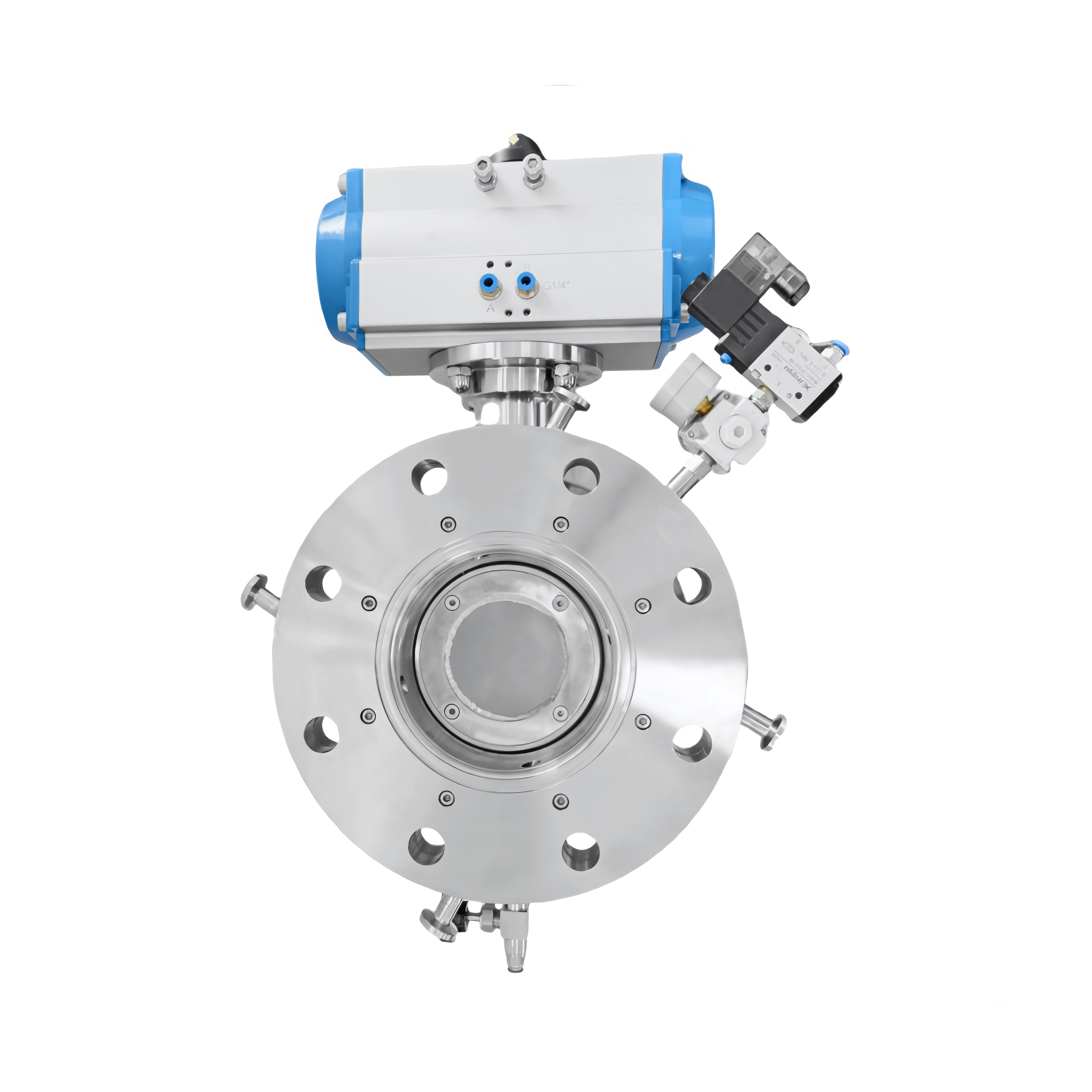
Segment Ball Valve for Precise Control in Harsh Media Applications

Segment Ball Valve for Precise Control in Harsh Media Applications

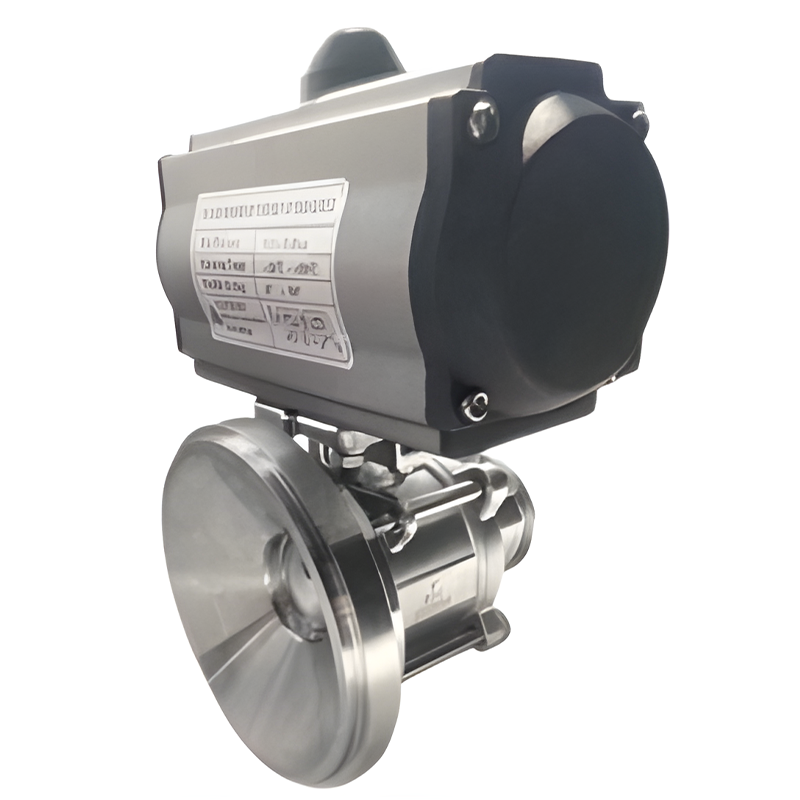
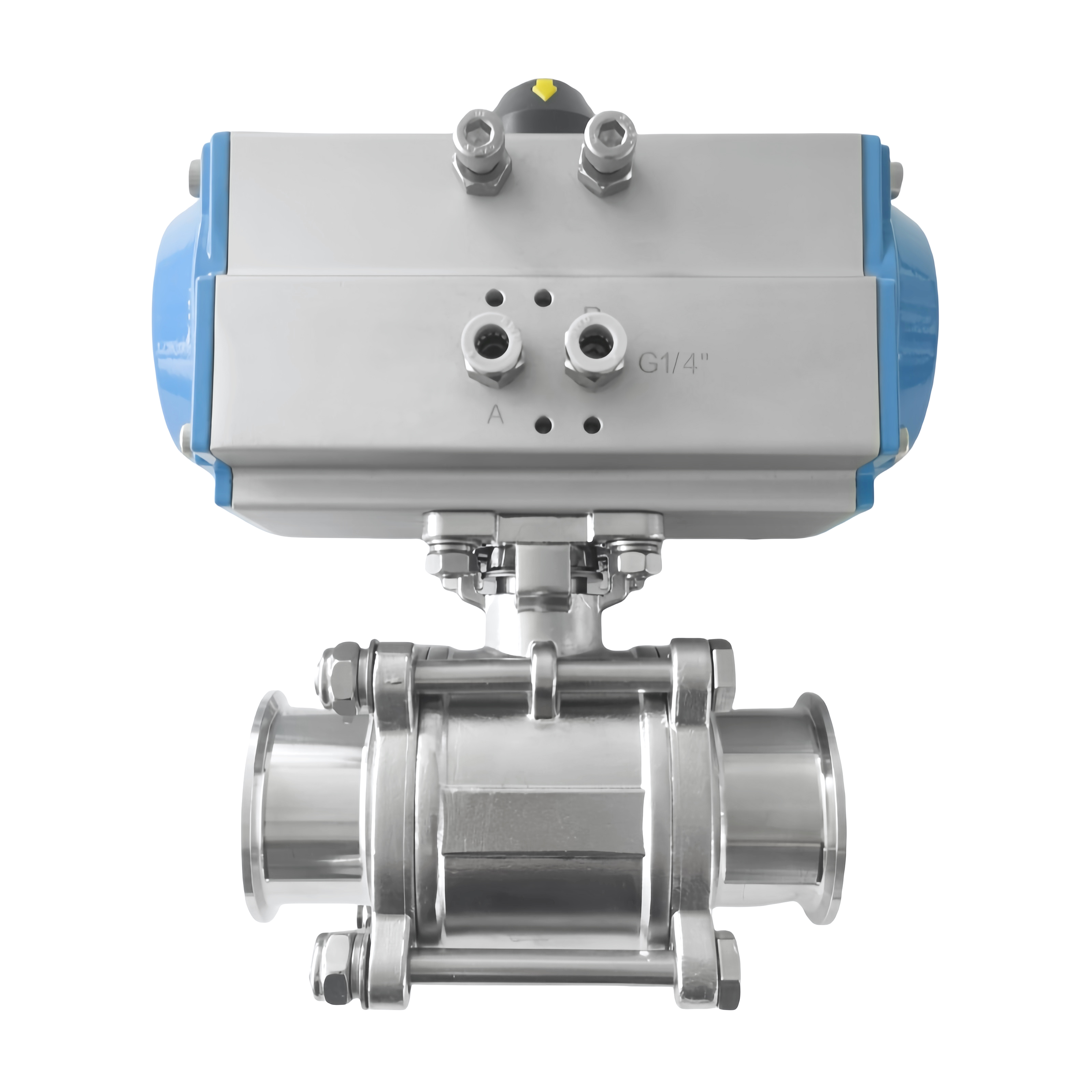
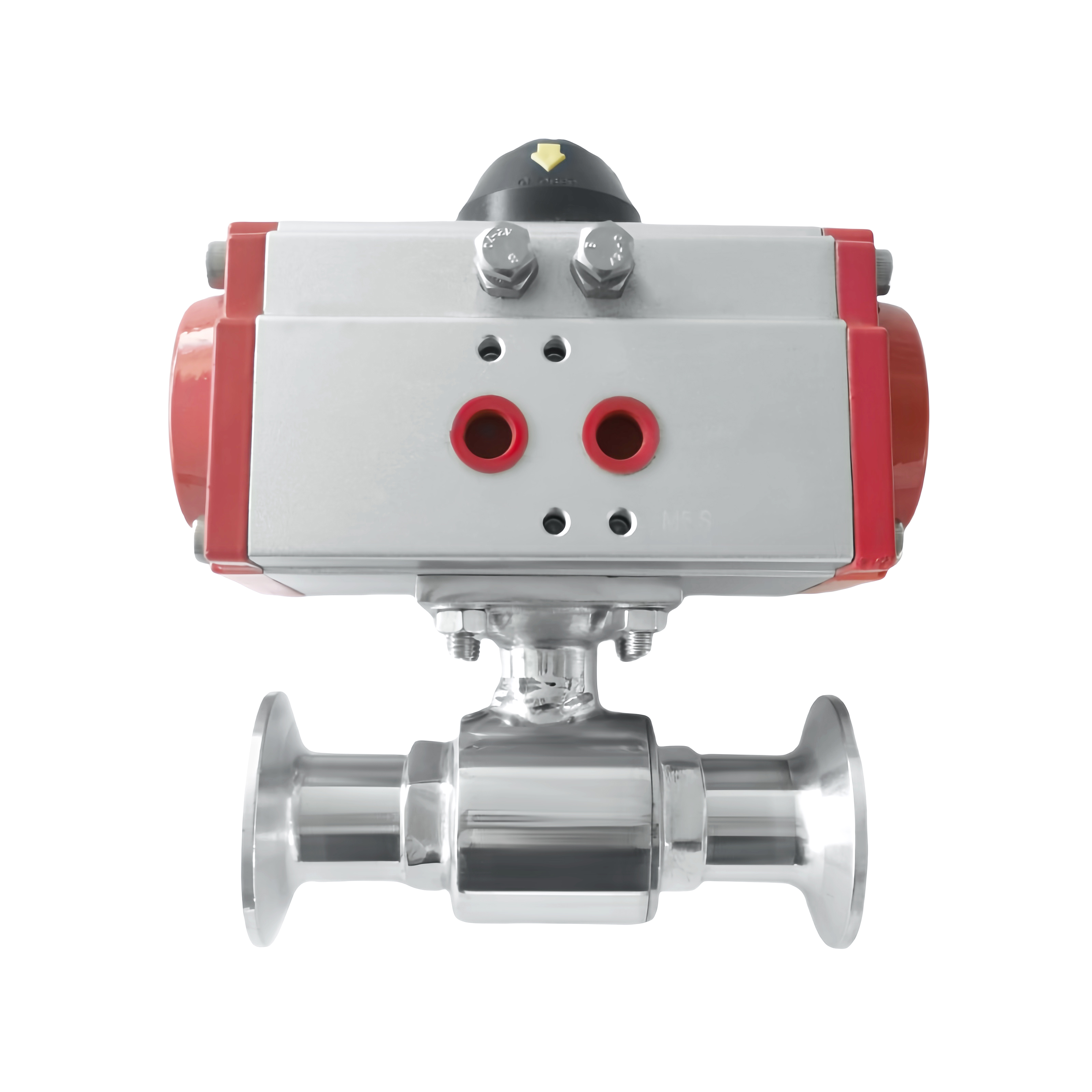
The Segment Ball Valve is designed for precise flow control in industries handling abrasive or corrosive media. The unique segment design provides excellent flow regulation, making it perfect for industries like chemicals, oil, and gas. With a robust structure and high flow capacity, it handles high-pressure and high-temperature conditions with ease. This valve excels in applications where high durability and precise regulation of flow are required, ensuring efficiency in harsh environments.
Get A Quote

Why choose us?

Innovative Design

Our products, such as the rapid transfer port, feature cutting-edge design, ensuring a seamless integration into high-demand environments where cleanliness and contamination control are crucial.

Advanced Safety Features

With features like a streamlined interlocking system and user-friendly handle design, our products enhance operational safety, reducing physical strain and minimizing contamination risks.

Efficient Sterile Transfer

Our rapid transfer ports are ideal for sterile environments, offering double-door transfer systems that maintain the integrity of isolation and prevent contamination.

Related products

AVM's segment ball valves with antistatic designs incorporate conductive PTFE seats and grounding kits, preventing electrostatic buildup in flammable media like solvents and petrochemicals. The segment geometry ensures smooth flow, while the antistatic feature meets API 607 and ISO 10497 standards for safety.

Frequently Asked Questions

What is the function of a Rapid Transfer Port?

A Rapid Transfer Port (RTP) is designed for efficient and safe material transfer in environments that require strict cleanliness, such as in life sciences. It uses a dual-door system to maintain sterile or toxic-free conditions during two-way transfers, ensuring safety without compromising isolation.
Pneumatic Control Valves use compressed air to actuate the valve, controlling the flow of gases or liquids. Commonly used in industrial automation and chemical processing, they provide precise flow control, require minimal maintenance, and are ideal for hazardous environments.
Inflatable Seals expand when inflated, forming a tight seal between two surfaces. These are commonly used in industries like food, pharmaceuticals, textiles, and more, to prevent contamination, ensure clean environments, and improve operational efficiency.
Diaphragm Valves are ideal for industries requiring high purity fluids. They feature a diaphragm that isolates the valve mechanism from the fluid, reducing contamination risk. They are easy to maintain and offer reliable performance in controlling corrosive or sensitive fluids.
Rotary Valves are used to control the flow of powdered materials, providing accurate metering and gas-locking capabilities. They are crucial in industries like food, pharmaceuticals, and chemicals for maintaining flow consistency and preventing material leaks.

Related Articles

Inflatable Seal RTP Systems: Enhancing Leak-Proof Performance in Aseptic Environments

19

Jun

Inflatable Seal RTP Systems: Enhancing Leak-Proof Performance in Aseptic Environments

How Inflatable Seal RTP Systems Achieve Sterile Containment Pressure-Activated Sealing Mechanism Explained Inflatable seal system Inflatable seal systems are based on pressure-actuated seal mechanism and employ pressurized air to keep sterile th...
View More
Pneumatic Actuated Mixproof Valves: Enhancing Efficiency in Chemical Processing

18

Jun

Pneumatic Actuated Mixproof Valves: Enhancing Efficiency in Chemical Processing

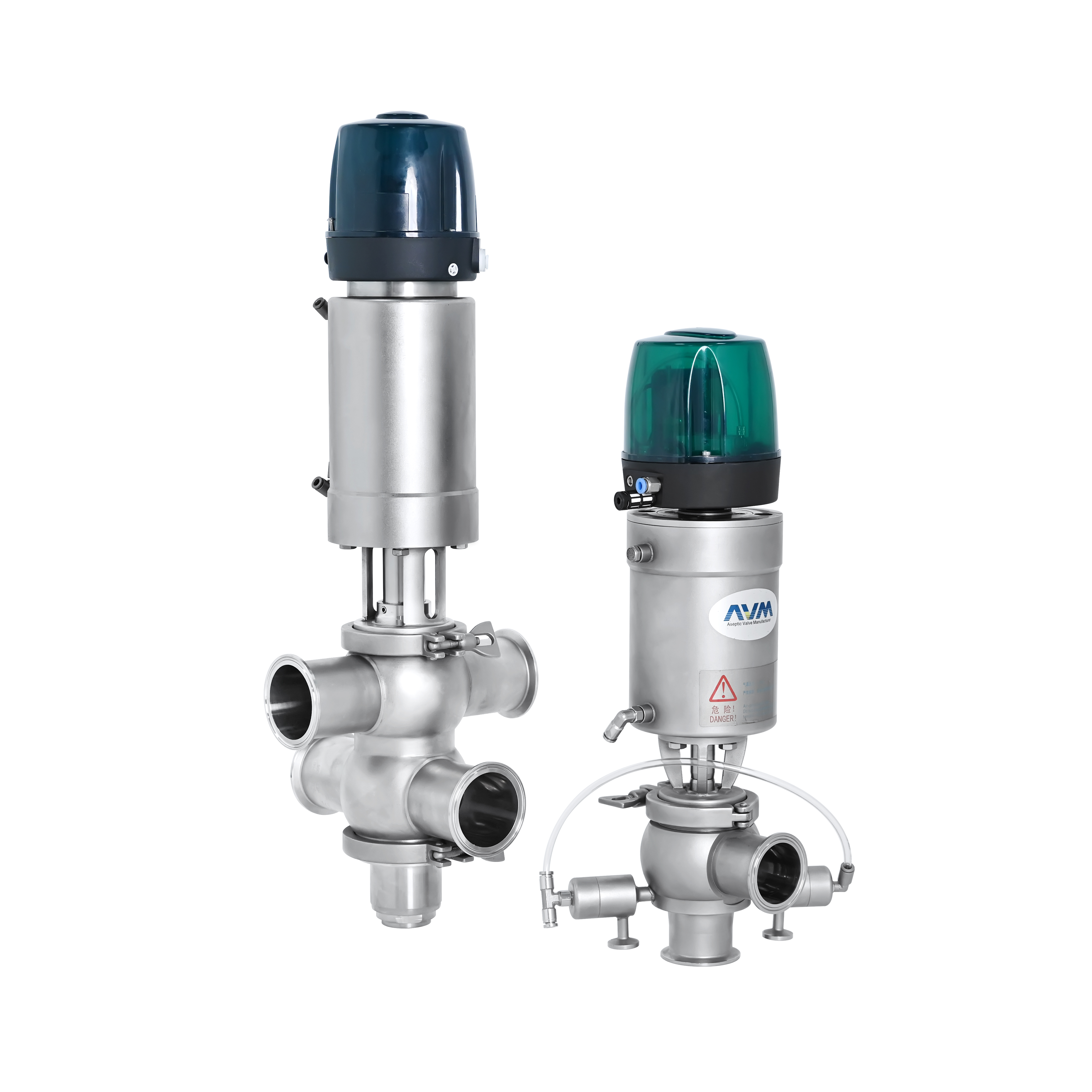
Mixproof Valve Fundamentals for Chemical Processing Understanding Double Seat Mixproof Valve Design Double seat mixproof valves play a key role in stopping different fluids from getting mixed up in industries that handle several liquid streams at on...
View More
Explosion-Proof Pneumatic Control Valves: Ensuring Safety in Hazardous Environments

17

Jul

Explosion-Proof Pneumatic Control Valves: Ensuring Safety in Hazardous Environments

Basics of Explosive Proof Pneumatic Valves   Core Parts and Functions   Explosion proof pneumatic control valves have three main components: the actuator, the body, and the seat. Each part contributes to keeping these system...
View More
How to Choose the Right Pneumatic Control Valve for Pharmaceutical Systems

17

Jul

How to Choose the Right Pneumatic Control Valve for Pharmaceutical Systems

Important Features of Pneumatic Control Valves Within the Pharmaceutical Industry   Effective Flow Control of Active Pharmaceutical Ingredients   Getting flow control right matters a lot in pharmaceutical manufacturing acros...
View More

customer evaluation

Jennifer White
Exceptional Performance in Pulp & Paper Slurry Lines

Managing wood pulp slurries in our paper mill required valves that handle fibrous materials, and these segmental valves shine. The contoured ball reduces fiber buildup, and the full port design minimizes pressure loss. We no longer experience blockages during grade changes, and the valve's longevity exceeds our previous plug valves by three times.

Thomas Moore
Reliable Regulation in Mining Slurry Applications

Our mineral processing plant uses these valves to control abrasive ore slurries. The tungsten carbide coating on the segment resists wear, and the trunnion-mounted design provides stable operation under high pressure. We've cut replacement costs significantly—these valves last twice as long as conventional ball valves in our harsh environment.

Get a Free Quote

Our representative will contact you soon.
Email
Mobile/WhatsApp
Name
Company Name
Message
0/1000
Segment Ball Valves: Precision Throttling for Viscous and Particulate Media

Segment Ball Valves: Precision Throttling for Viscous and Particulate Media

AVM's Segment Ball Valves feature contoured segments for linear flow control, minimizing pressure drop in high-viscosity fluids (pulp, slurries) and fibrous materials. The trunnion-mounted design ensures stable operation, while tungsten carbide coatings resist abrasion. Compliant with ISO and BS standards, they excel in chemical polymerization, mining, and wastewater treatment for precise flow regulation.