
Sanitary & Aseptic Valves for Pharmaceutical & Food Industries | AVM

All Categories
Rotary Valve for Precise Powder Handling and Material Flow Control

Rotary Valve for Precise Powder Handling and Material Flow Control

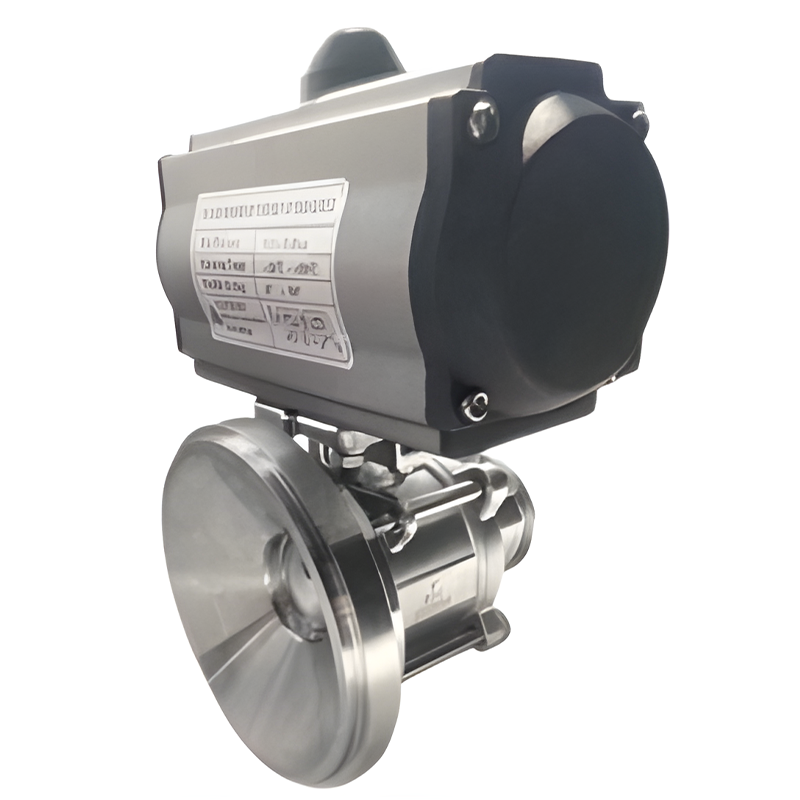
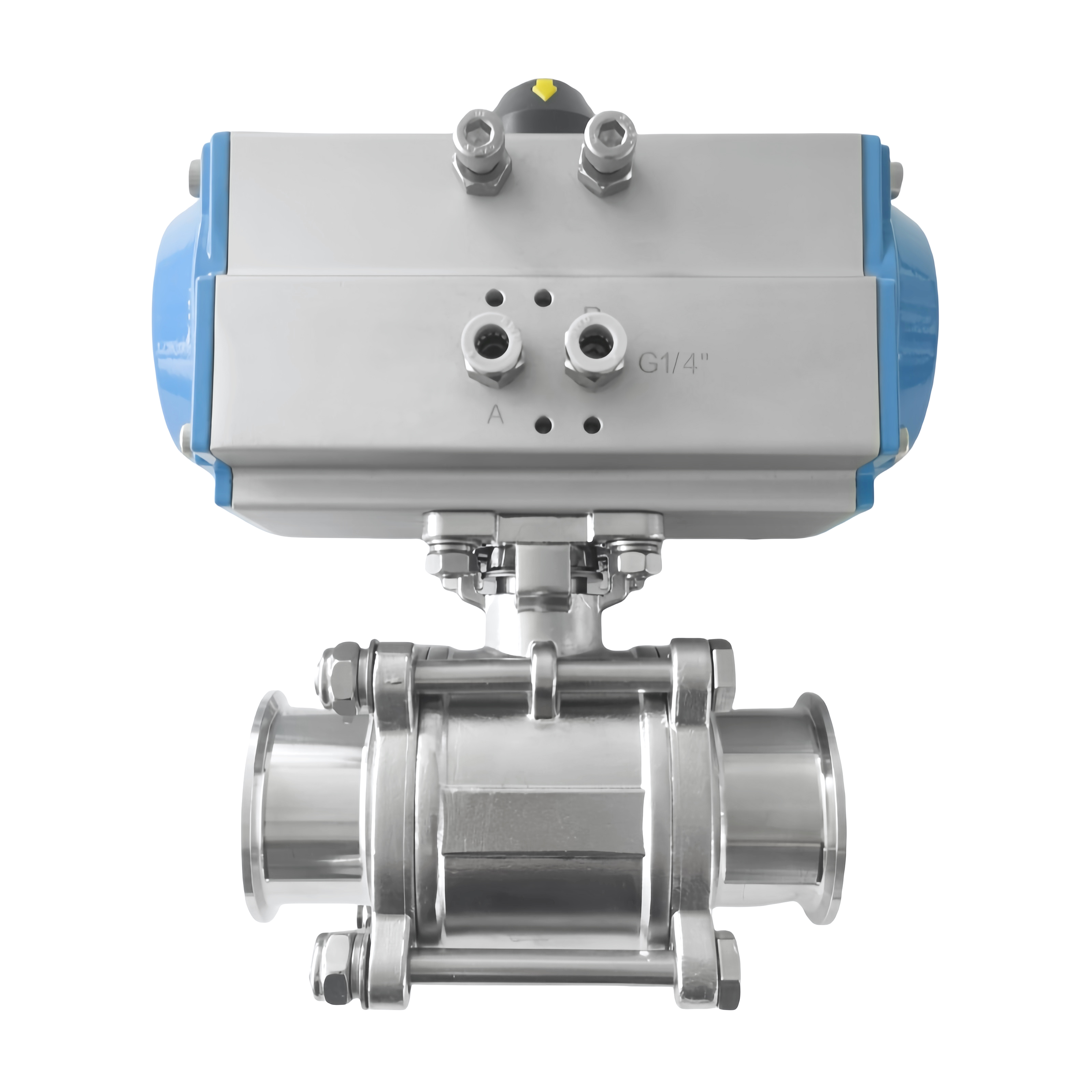
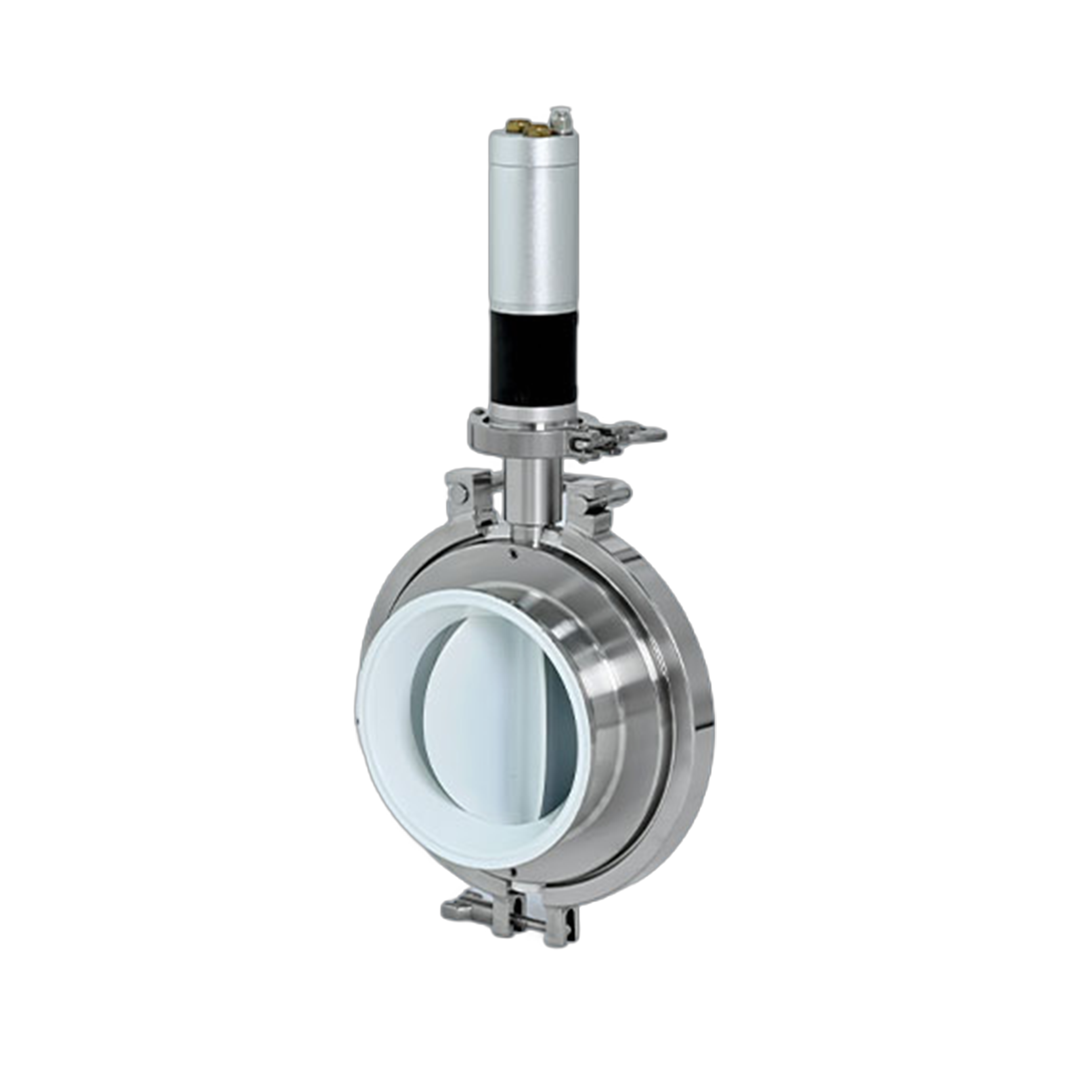
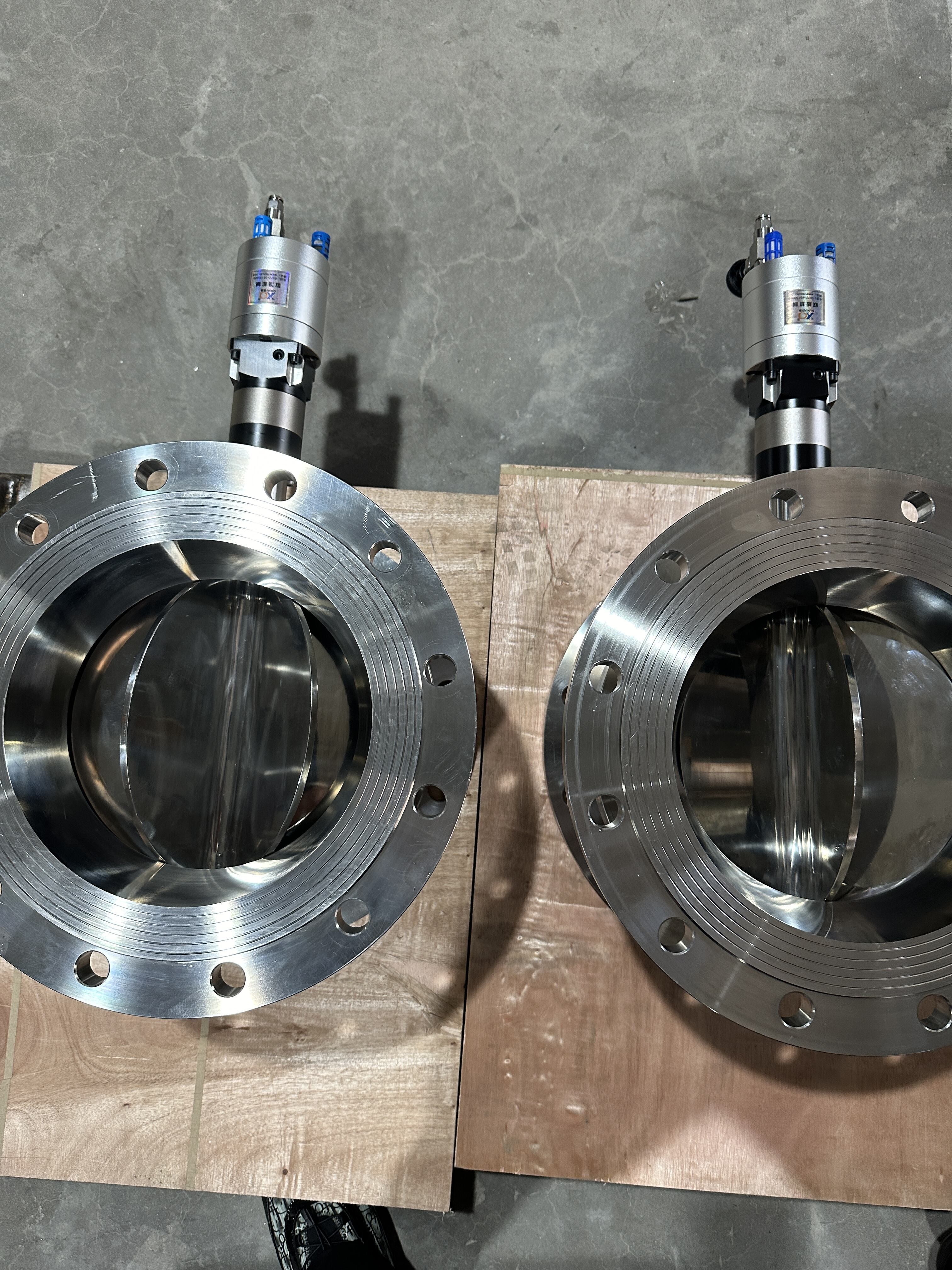
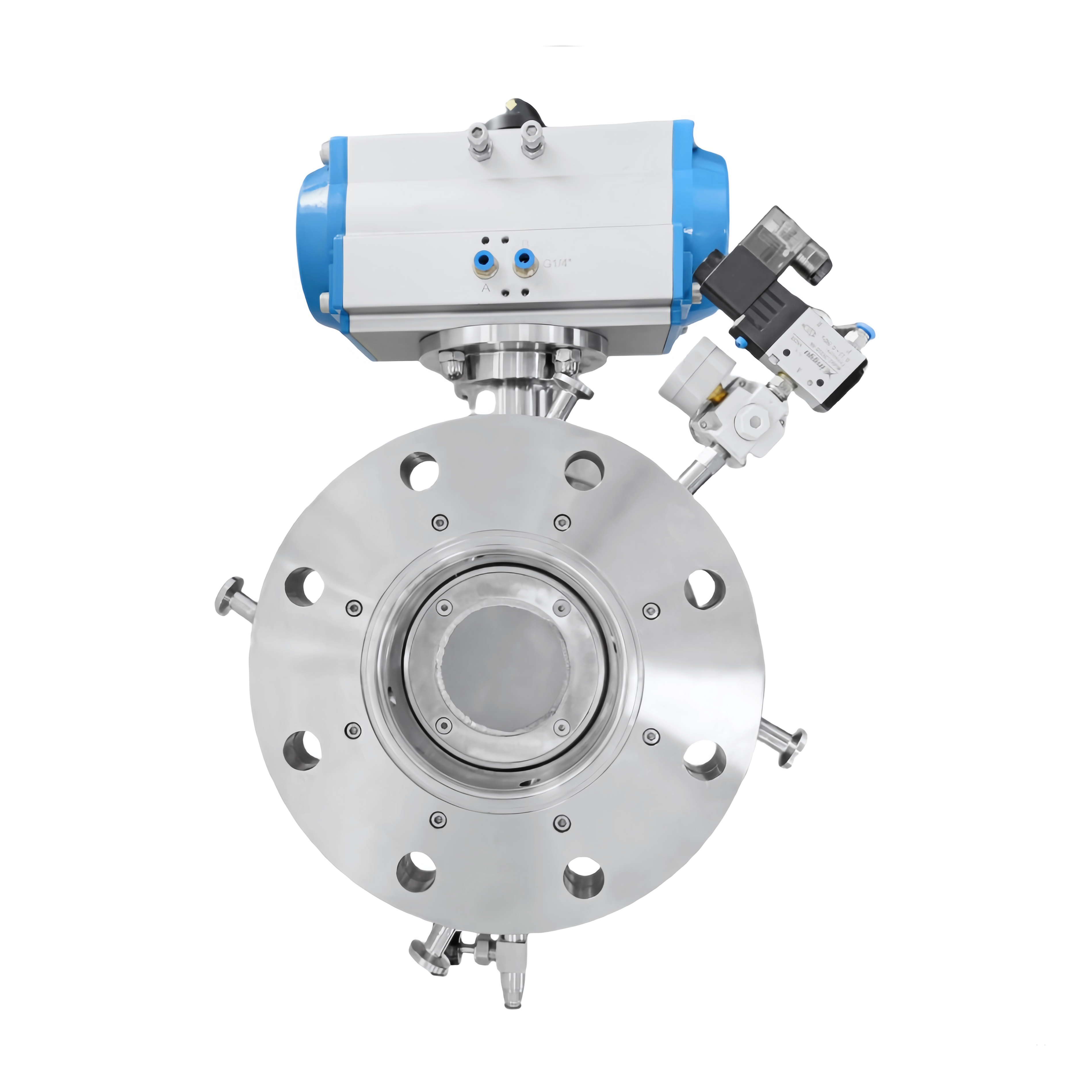
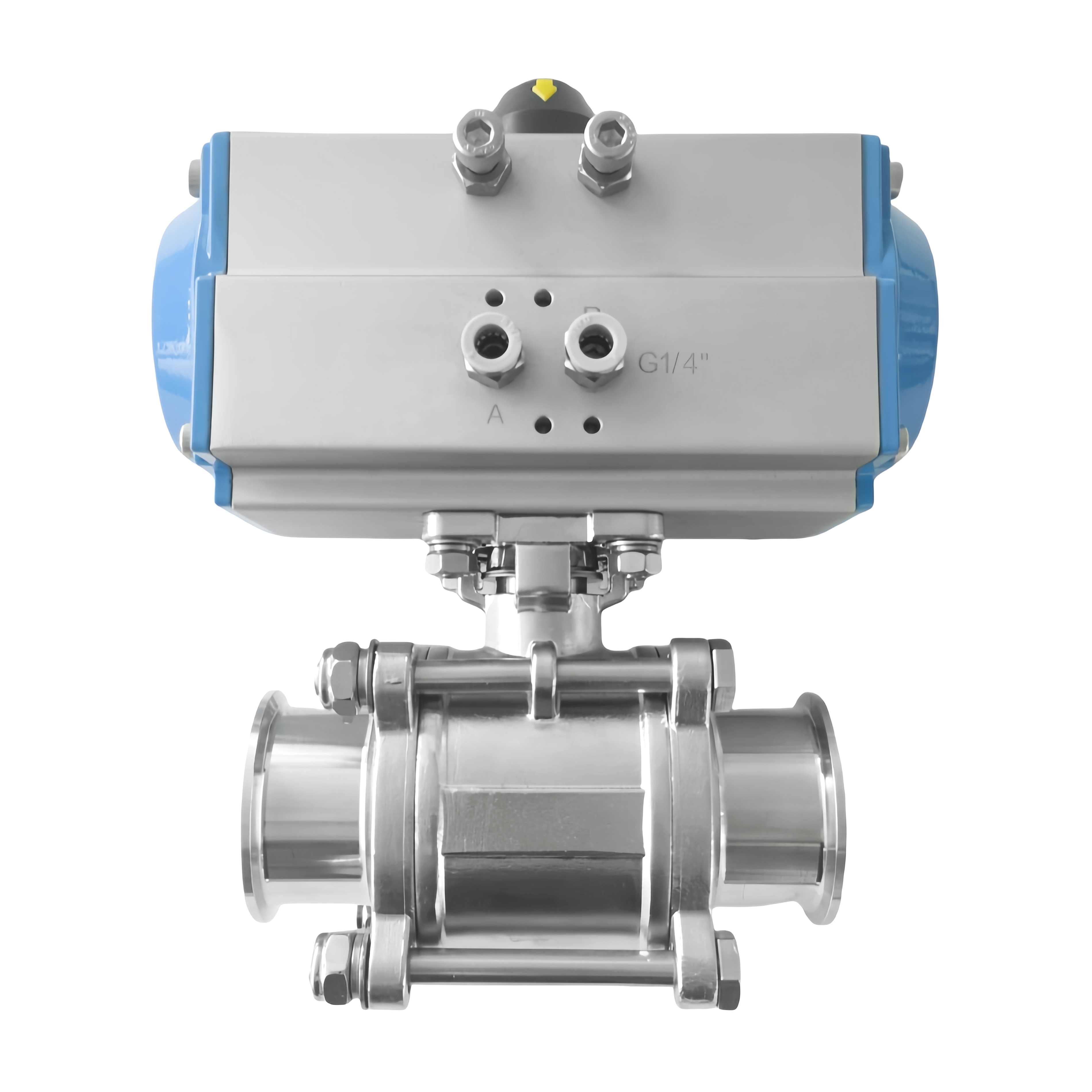
The Rotary Valve is essential for managing powder flow in industries such as food, pharmaceuticals, and chemicals. With various sizes and rotor designs, it offers a customizable solution for accurate material dosing and flow control. Its design allows it to handle both metering and gas-locking functions, ensuring stable and consistent flow. This valve ensures high performance and minimal downtime in powder handling and processing, crucial for maintaining product consistency in large-scale operations.
Get A Quote

Why choose us?

Hygienic Design

Our sanitary butterfly valves are specially designed for industries with high hygiene standards, such as food and pharmaceuticals, ensuring smooth, non-retentive surfaces that prevent bacterial growth.

Innovative Seal Technology

The inflatable seal technology ensures secure sealing in multiple industries, such as food processing and pharmaceuticals, by expanding upon inflation and contracting for easy removal.

Low Maintenance Costs

Our diaphragm valves are designed with minimal maintenance requirements, lowering overall operational costs and ensuring consistent performance in sensitive industries.

Related products

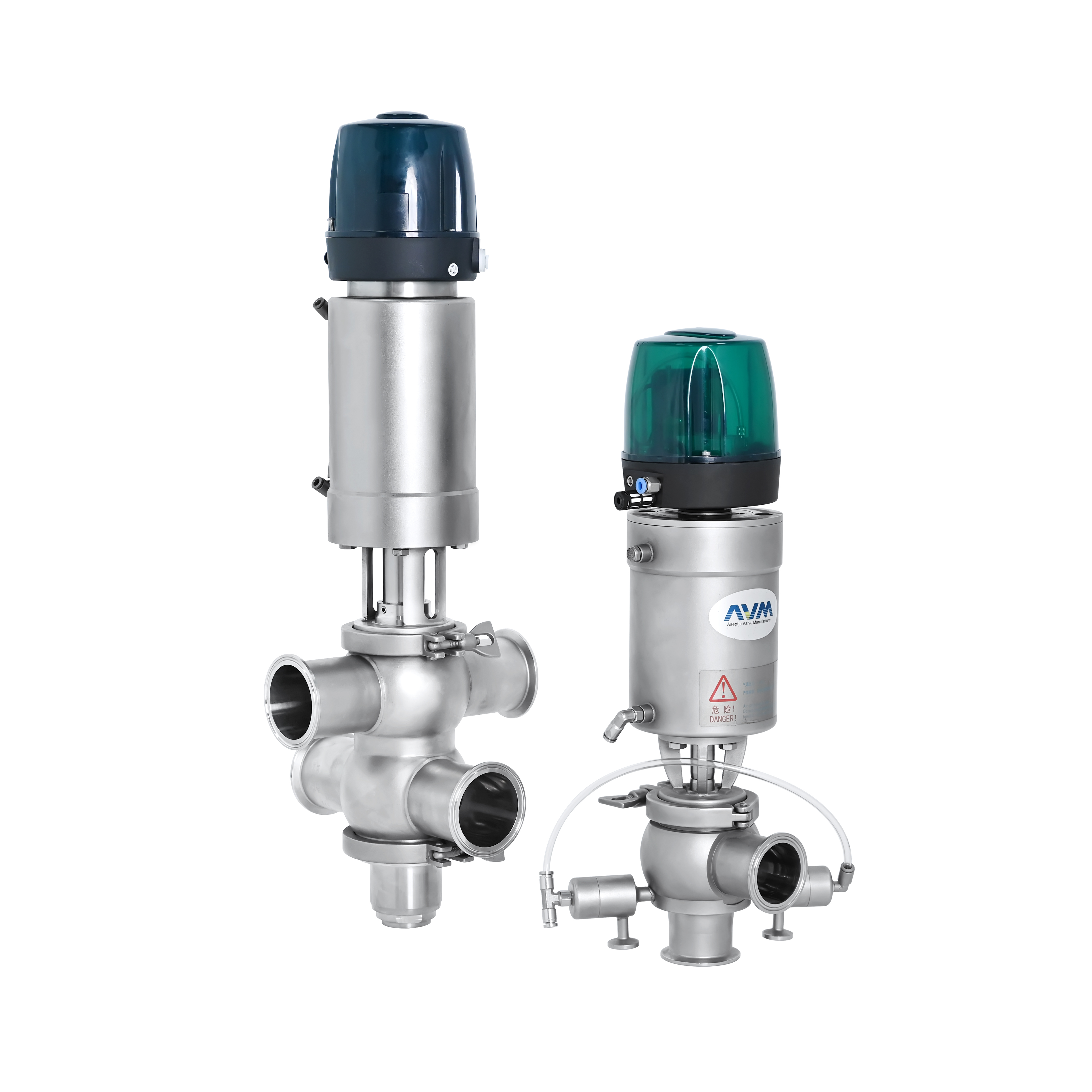
Designed for food grade applications, AVM's rotary valves meet 3A and FDA standards, ideal for flour, sugar, and dairy powder handling. The polished stainless steel bodies (Ra≤0.8μm) and food-grade seals prevent product contamination, while quick-disconnect housings simplify cleaning. Engineered for hygienic pneumatic conveying.

Frequently Asked Questions

What is the function of a Rapid Transfer Port?

A Rapid Transfer Port (RTP) is designed for efficient and safe material transfer in environments that require strict cleanliness, such as in life sciences. It uses a dual-door system to maintain sterile or toxic-free conditions during two-way transfers, ensuring safety without compromising isolation.
Pneumatic Control Valves use compressed air to actuate the valve, controlling the flow of gases or liquids. Commonly used in industrial automation and chemical processing, they provide precise flow control, require minimal maintenance, and are ideal for hazardous environments.
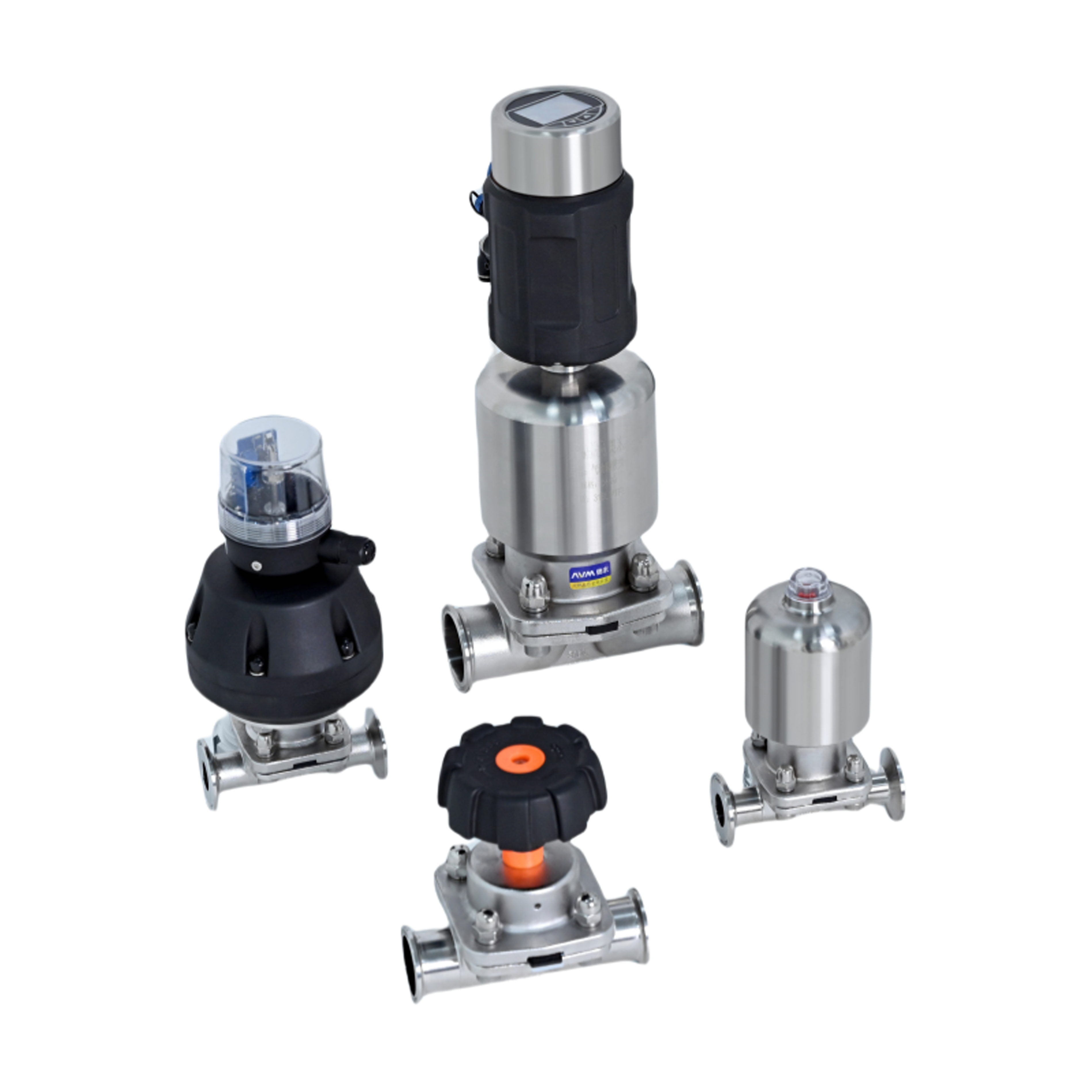
Diaphragm Valves are ideal for industries requiring high purity fluids. They feature a diaphragm that isolates the valve mechanism from the fluid, reducing contamination risk. They are easy to maintain and offer reliable performance in controlling corrosive or sensitive fluids.
A Ball Segment Valve uses an elliptical design to ensure better wear resistance, making it ideal for abrasive materials. A Segment Ball Valve typically has a V-shaped flow path, allowing for precise flow control in industries like chemicals, paper, and textiles.
Aseptic Transfer ensures materials are transferred between systems without compromising sterility. It is essential in pharmaceutical, biotechnology, and food production to prevent microbial contamination during the transfer of sensitive products.

Related Articles

Inflatable Seal RTP Systems: Enhancing Leak-Proof Performance in Aseptic Environments

19

Jun

Inflatable Seal RTP Systems: Enhancing Leak-Proof Performance in Aseptic Environments

How Inflatable Seal RTP Systems Achieve Sterile Containment Pressure-Activated Sealing Mechanism Explained Inflatable seal system Inflatable seal systems are based on pressure-actuated seal mechanism and employ pressurized air to keep sterile th...
View More
Corrosion-Resistant Diaphragm Valves: Ideal for High-Viscosity Fluids in Food Industry

18

Jun

Corrosion-Resistant Diaphragm Valves: Ideal for High-Viscosity Fluids in Food Industry

Understanding Corrosion-Resistant Diaphragm Valve Mechanics Hygienic design in the pharmaceutical industries places particular emphasis on the use of corrosion-resistant diaphragm valves. They work by using a diaphragm as the movable barrier ...
View More
Explosion-Proof Pneumatic Control Valves: Ensuring Safety in Hazardous Environments

17

Jul

Explosion-Proof Pneumatic Control Valves: Ensuring Safety in Hazardous Environments

Basics of Explosive Proof Pneumatic Valves   Core Parts and Functions   Explosion proof pneumatic control valves have three main components: the actuator, the body, and the seat. Each part contributes to keeping these system...
View More
How to Choose the Right Pneumatic Control Valve for Pharmaceutical Systems

17

Jul

How to Choose the Right Pneumatic Control Valve for Pharmaceutical Systems

Important Features of Pneumatic Control Valves Within the Pharmaceutical Industry   Effective Flow Control of Active Pharmaceutical Ingredients   Getting flow control right matters a lot in pharmaceutical manufacturing acros...
View More

customer evaluation

Robert Brown
Continuous Discharge Solution for Cement Handling

In our concrete plant, these rotary valves excel in unloading bulk cement from silos. The vaned rotor ensures uniform discharge without bridging, and the dust-tight seal prevents environmental contamination. The heavy-duty construction withstands constant operation, making them ideal for our 24/7 production schedule.

Jennifer Lee
Precision Metering in Pharmaceutical Powder Blending

Our tablet manufacturing line relies on these valves for accurate powder dosing. The variable speed rotor allows fine-tuned material flow, critical for maintaining blend homogeneity. The quick-disconnect housing simplifies cleaning between batches, and the 3A-certified design meets our strict pharmaceutical standards.

Get a Free Quote

Our representative will contact you soon.
Email
Mobile/WhatsApp
Name
Company Name
Message
0/1000
Rotary Valves: Continuous Powder Handling with Air-Lock Functionality

Rotary Valves: Continuous Powder Handling with Air-Lock Functionality

AVM's Rotary Valves ensure precise metering of powders and granules in pneumatic conveying systems, combining air-locking with discharging capabilities. The star-shaped rotor design prevents material bridging, while hardened steel construction resists wear in flour, cement, and plastic pellet applications. Suitable for positive/negative pressure environments, they offer compact, 24/7 operation with ISO 9001-certified quality.