
Aseptic Valves & Sanitary Solutions for Pharma & Food Industries

All Categories
Aseptic Transfer Systems for Maintaining Sterility During Material Handling and Transport

Aseptic Transfer Systems for Maintaining Sterility During Material Handling and Transport

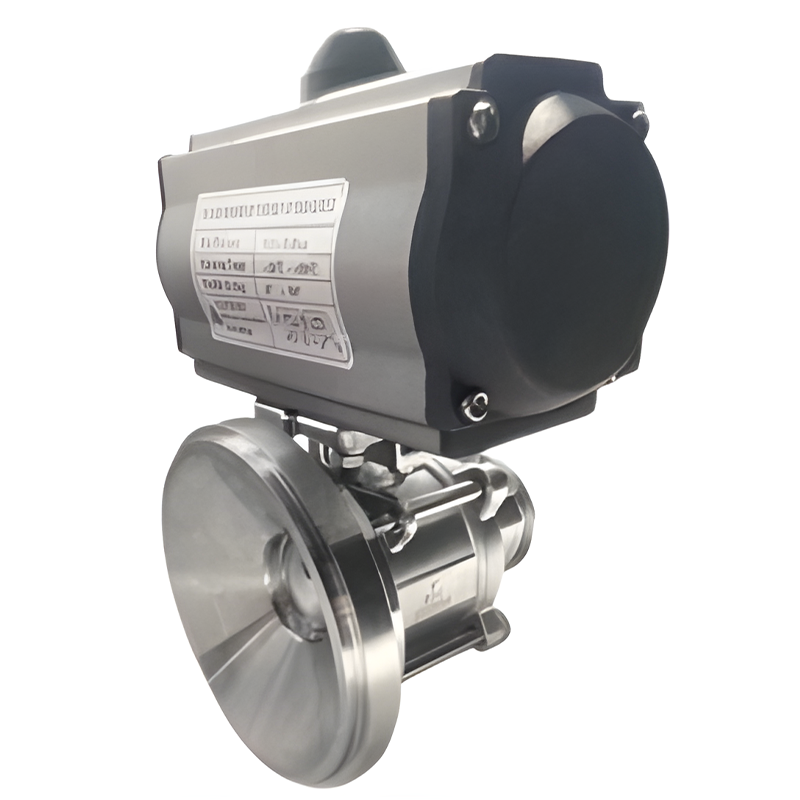
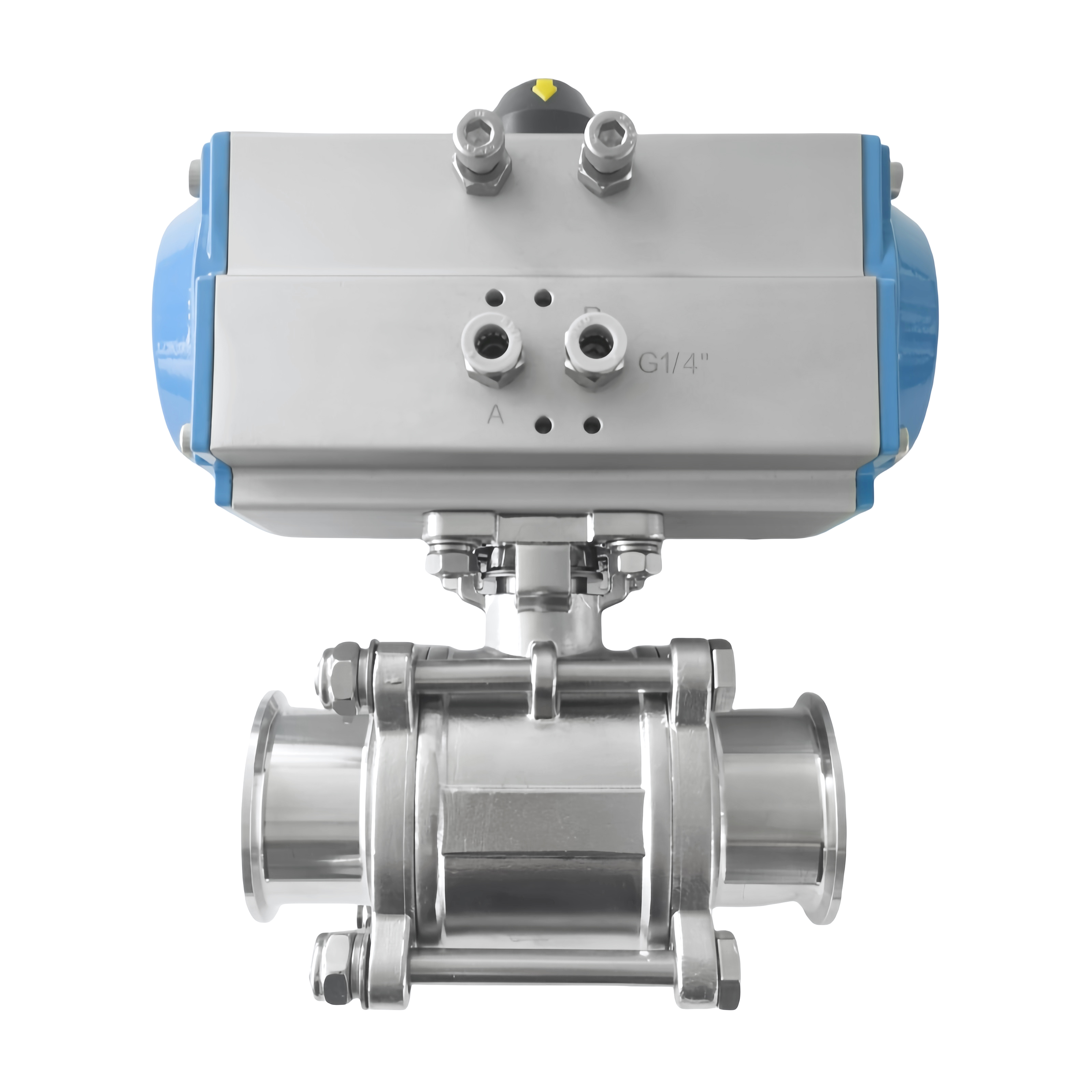
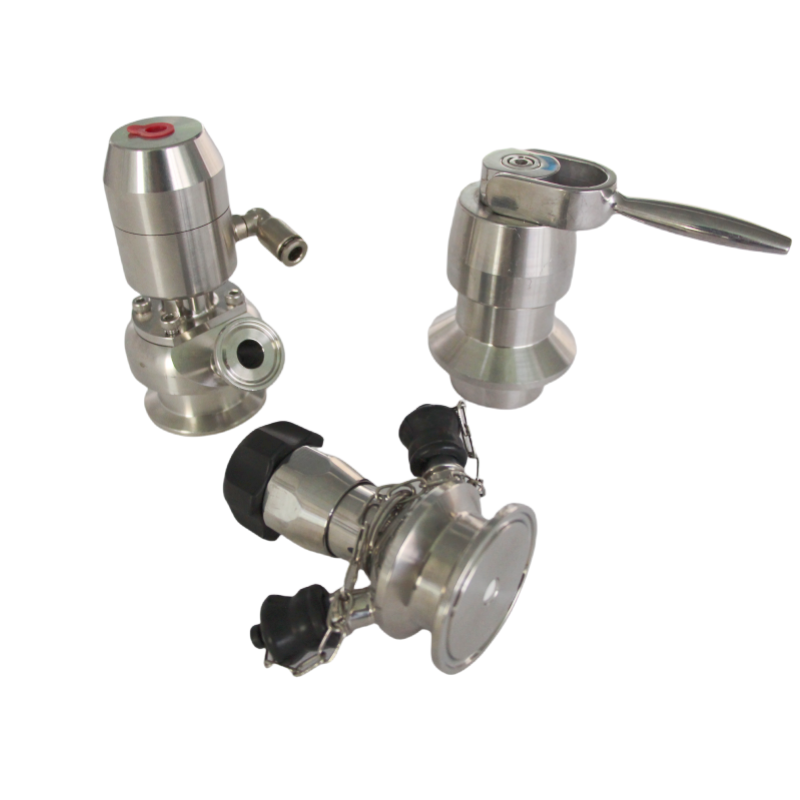
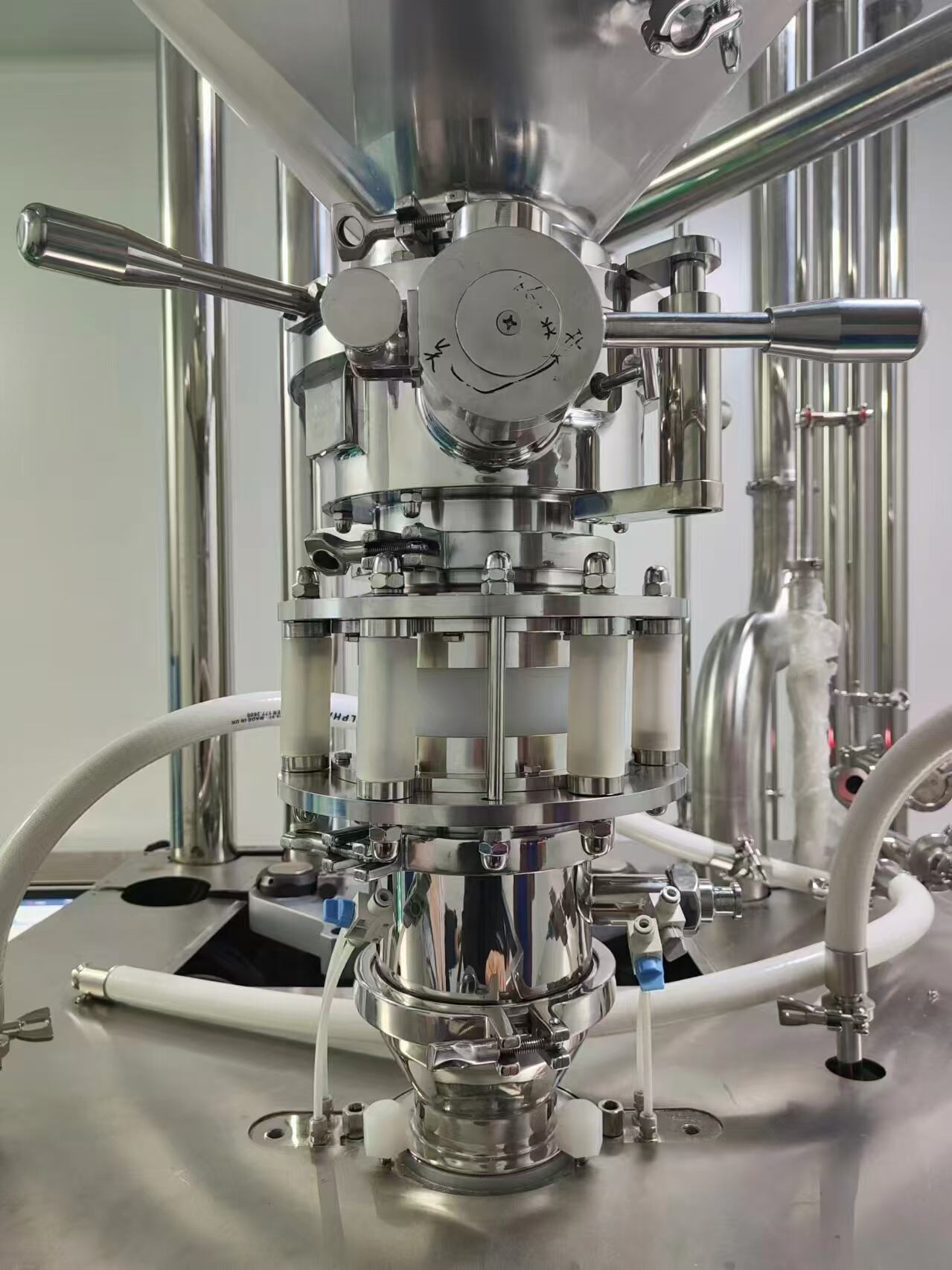
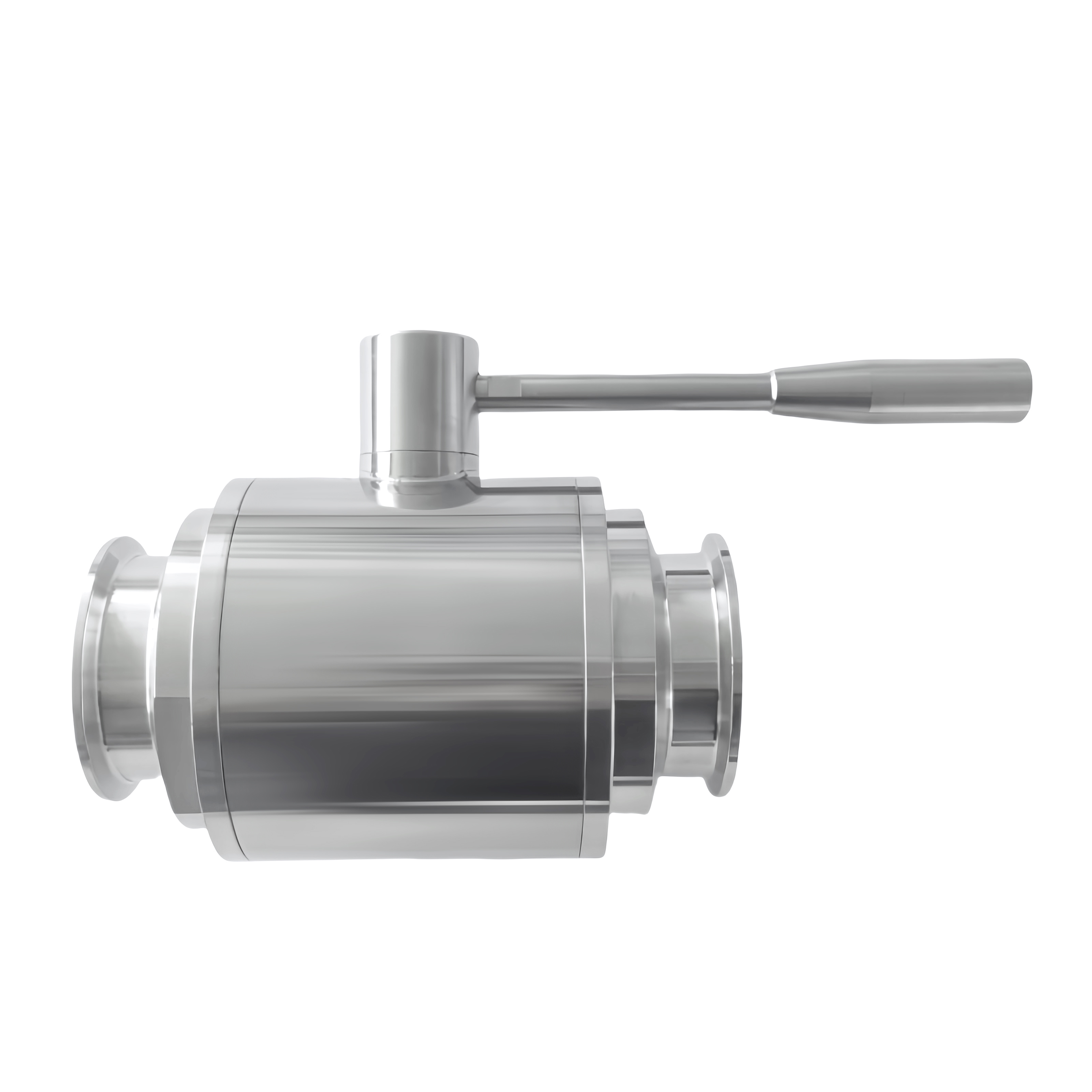
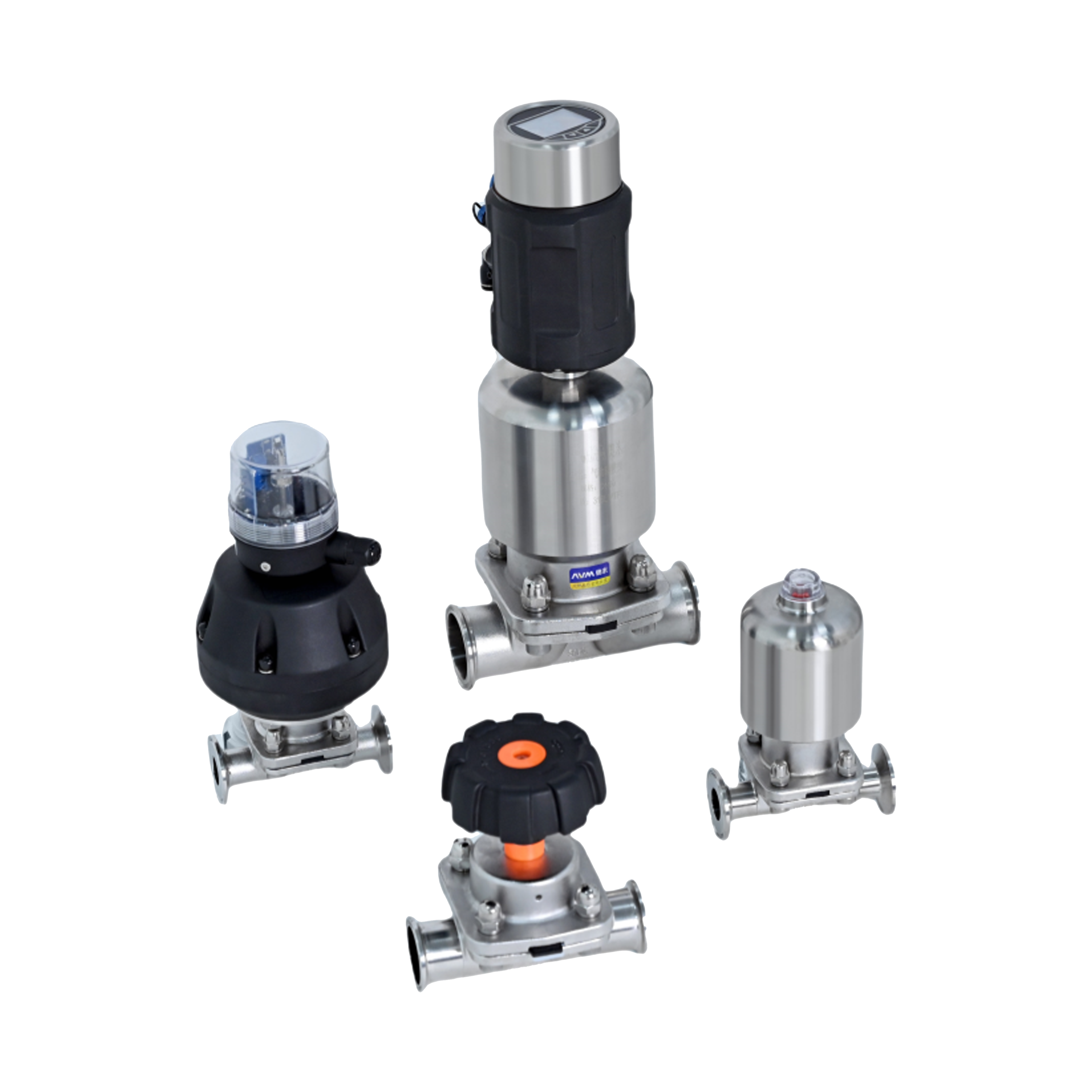
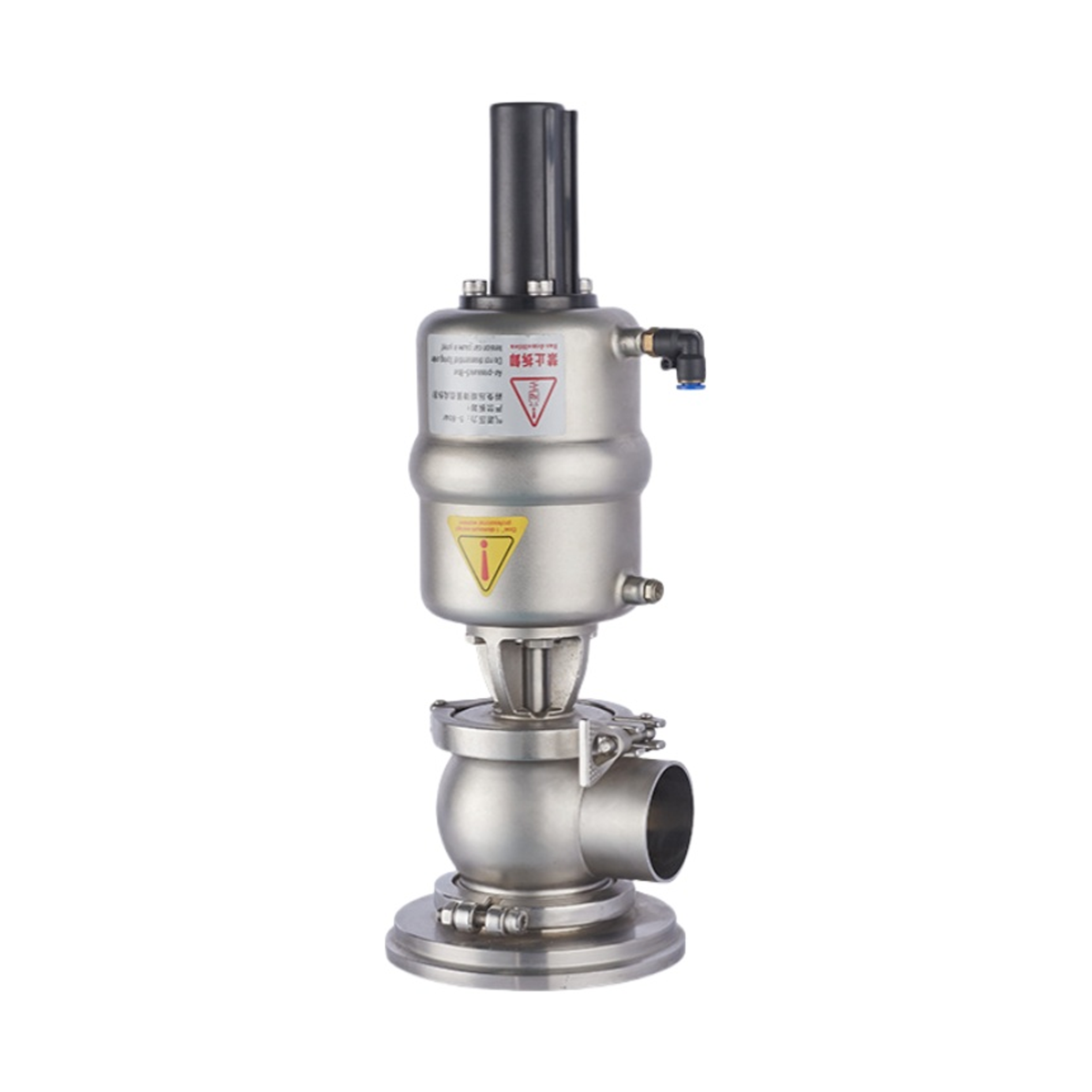
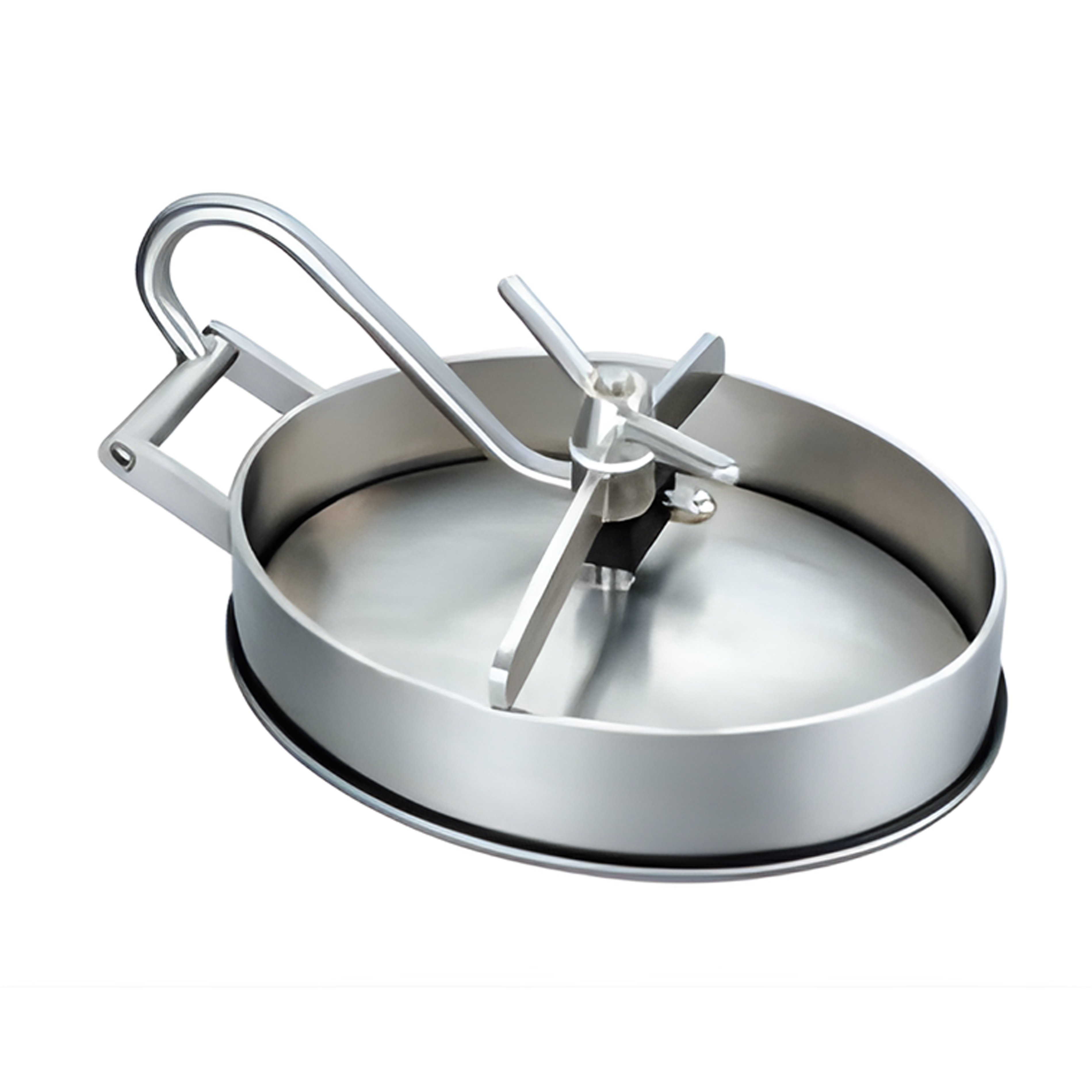
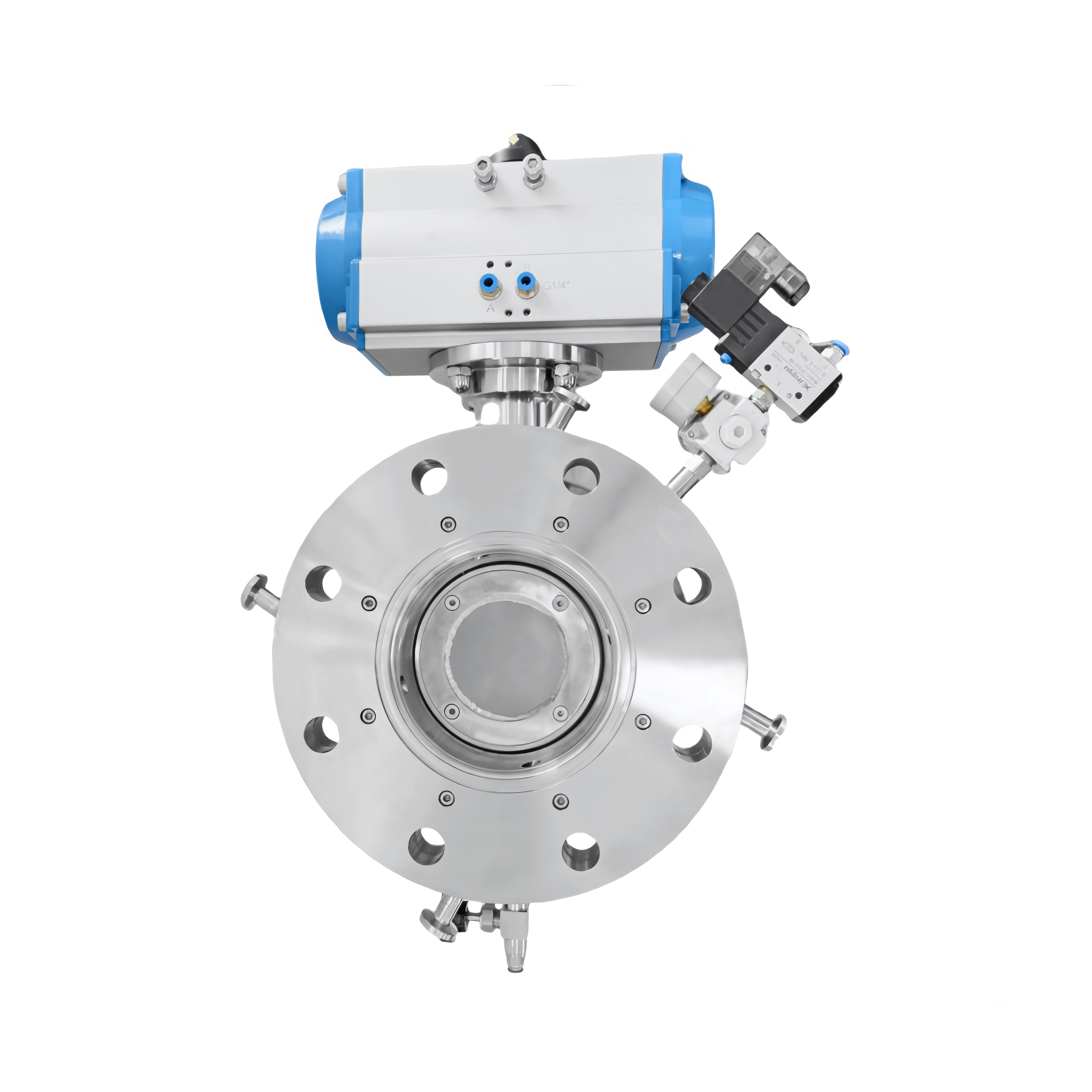
Aseptic Transfer Systems are crucial for maintaining a sterile environment when transferring materials in industries like pharmaceuticals, biotechnology, and food production. These systems ensure that materials are moved between sterile zones without compromising their sterility, preventing contamination in critical processes. Rapid Transfer Ports (RTPs) are integrated into these systems, facilitating secure, contamination-free material transfers. Aseptic Transfer Systems are vital for maintaining product quality and safety, ensuring that sensitive materials are handled in compliance with strict industry standards.
Get A Quote

Why choose us?

Compact and Space-Saving

Our split butterfly valves are compact and lightweight, making them ideal for installations in space-constrained systems like water treatment plants and HVAC systems.

Easy Integration

Whether integrating into automated assembly lines or complex process systems, our rotary valves facilitate smooth, efficient powder handling with minimal operational interruption.

Accurate Material Flow

With our AB valves, customers can control the direction of material flow with high precision, improving process flexibility and efficiency in automated production lines.

Related products

AVM provides single-use aseptic transfer bags integrated with sterile connectors and RTP adapters, minimizing contamination risks in biopharmaceutical batch transfers. The gamma-sterilized, USP Class VI materials ensure product purity, while quick-connect fittings enable efficient setup. Inquire about our single-use transfer bag solutions for your processes.

Frequently Asked Questions

What does an AB Valve do?

An AB Valve is used to control the flow direction between two channels. It allows for efficient switching of fluid pathways in automated systems, improving flexibility and control in industrial applications, particularly in production lines and process systems.
Mixproof Valves prevent cross-contamination between different materials in the transfer process. They are particularly useful in the food, beverage, and pharmaceutical industries where purity and quality control are essential.
Hygienic Valves are used in industries where cleanliness is critical, such as food, pharmaceuticals, and cosmetics. They are designed to prevent contamination, ensuring high-quality, safe products in processes requiring strict hygiene standards.
A Ball Segment Valve typically has an equal percentage flow characteristic, which provides precise flow control, particularly in systems that require fine-tuned adjustments. It’s especially effective in applications involving abrasive or erosive materials.
Segment Ball Valves generally have a linear percentage flow characteristic, ensuring consistent and precise control over the flow rate. They are ideal for industries requiring accurate flow regulation, such as chemical processing, paper production, and fluid handling systems.

Related Articles

Inflatable Seal RTP Systems: Enhancing Leak-Proof Performance in Aseptic Environments

19

Jun

Inflatable Seal RTP Systems: Enhancing Leak-Proof Performance in Aseptic Environments

How Inflatable Seal RTP Systems Achieve Sterile Containment Pressure-Activated Sealing Mechanism Explained Inflatable seal system Inflatable seal systems are based on pressure-actuated seal mechanism and employ pressurized air to keep sterile th...
View More
Pneumatic Actuated Mixproof Valves: Enhancing Efficiency in Chemical Processing

18

Jun

Pneumatic Actuated Mixproof Valves: Enhancing Efficiency in Chemical Processing

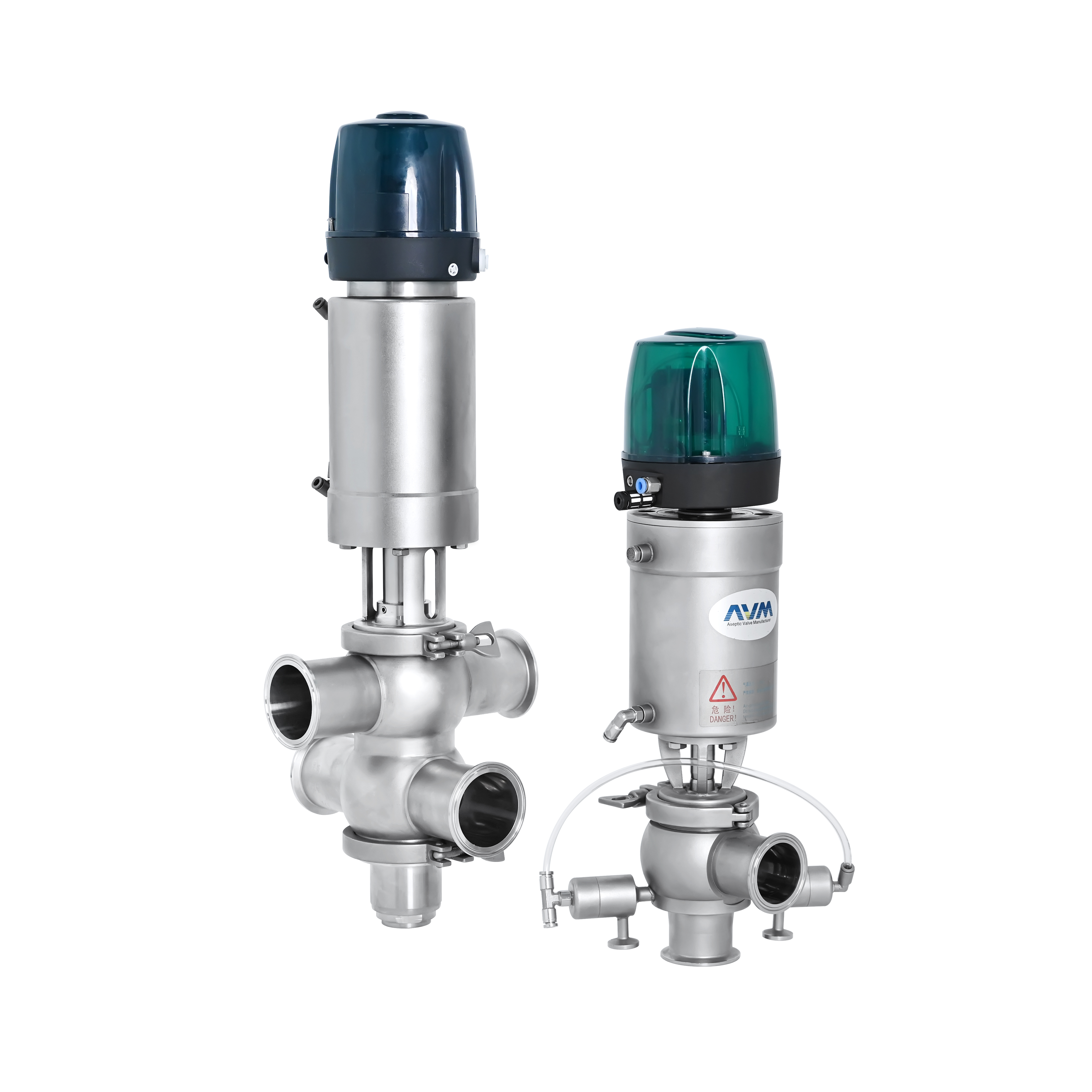
Mixproof Valve Fundamentals for Chemical Processing Understanding Double Seat Mixproof Valve Design Double seat mixproof valves play a key role in stopping different fluids from getting mixed up in industries that handle several liquid streams at on...
View More
Explosion-Proof Pneumatic Control Valves: Ensuring Safety in Hazardous Environments

17

Jul

Explosion-Proof Pneumatic Control Valves: Ensuring Safety in Hazardous Environments

Basics of Explosive Proof Pneumatic Valves   Core Parts and Functions   Explosion proof pneumatic control valves have three main components: the actuator, the body, and the seat. Each part contributes to keeping these system...
View More
How to Choose the Right Pneumatic Control Valve for Pharmaceutical Systems

17

Jul

How to Choose the Right Pneumatic Control Valve for Pharmaceutical Systems

Important Features of Pneumatic Control Valves Within the Pharmaceutical Industry   Effective Flow Control of Active Pharmaceutical Ingredients   Getting flow control right matters a lot in pharmaceutical manufacturing acros...
View More

customer evaluation

James Chen
Aseptic Transfer Solutions: Critical for Sterile Manufacturing

AVM's aseptic transfer systems have transformed our biopharmaceutical reactor operations. The integrated RTP valves and sterile diaphragms create a hermetic barrier during media transfers, eliminating contamination risks. We've achieved 100% aseptic integrity in our monoclonal antibody production, thanks to their 密闭 design and GMP compliance.

Emma Davis
Reliable Aseptic Handling in Vaccine Production

Our mRNA vaccine facility depends on these systems for safe material transfers. The combination of sterile connectors and AVM's diaphragm valves ensures zero microbial ingress during critical steps like viral vector filtration. The documentation package for validation has simplified our regulatory audits significantly.

Get a Free Quote

Our representative will contact you soon.
Email
Mobile/WhatsApp
Name
Company Name
Message
0/1000
Aseptic Transfer: Sterile Material Handling Solutions

Aseptic Transfer: Sterile Material Handling Solutions

AVM's Aseptic Transfer systems ensure contamination-free material transfer in pharmaceutical, vaccine, and cell culture applications. Leveraging sterile connectors, RTP systems, and aseptic diaphragm valves, they create hermetic barriers for safe media transfer. Compliant with GMP/FDA, they feature validated designs and precision-manufactured components for reliable aseptic operations.