
Sanitary & Aseptic Valves for Hazardous Material Conveyance | AVM

All Categories
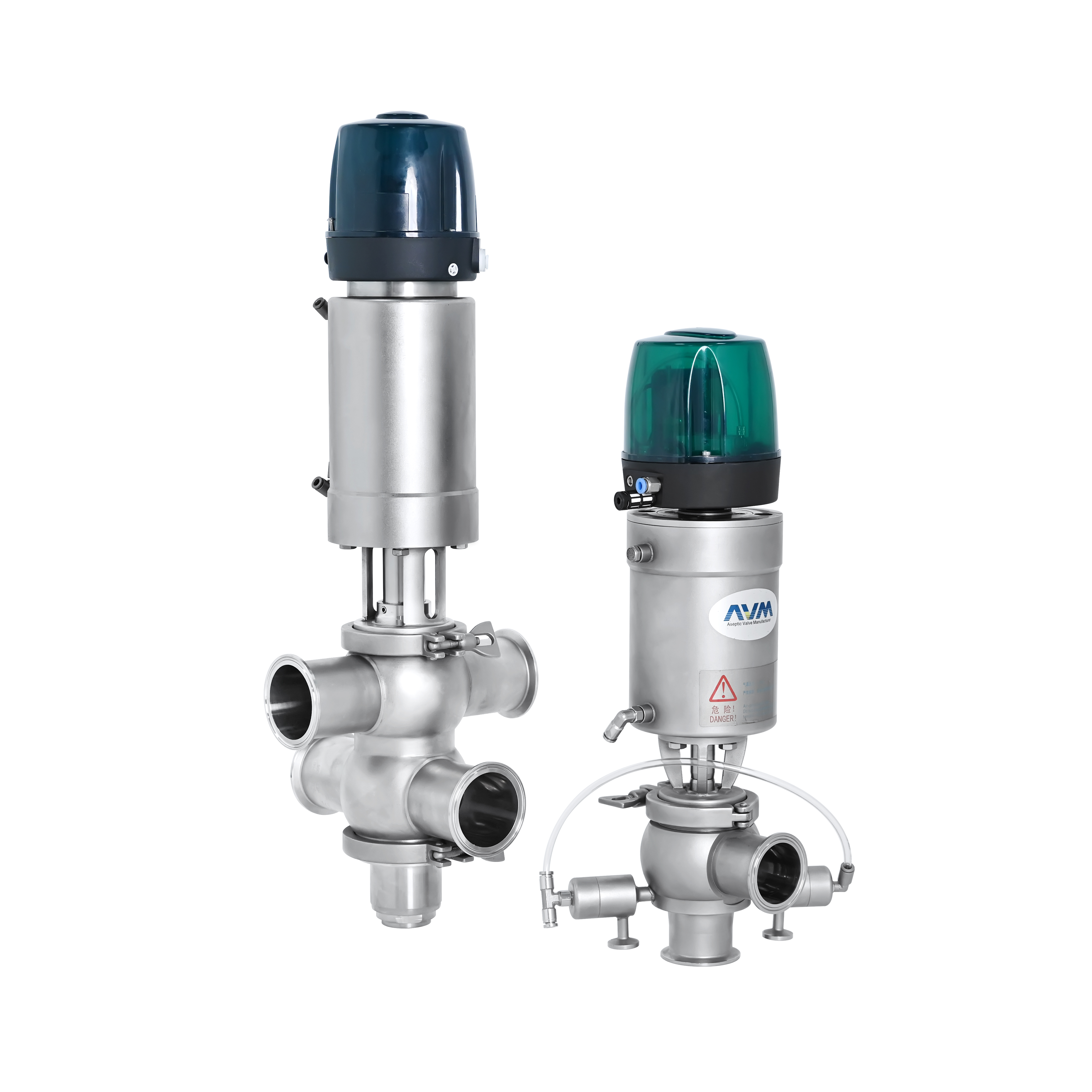
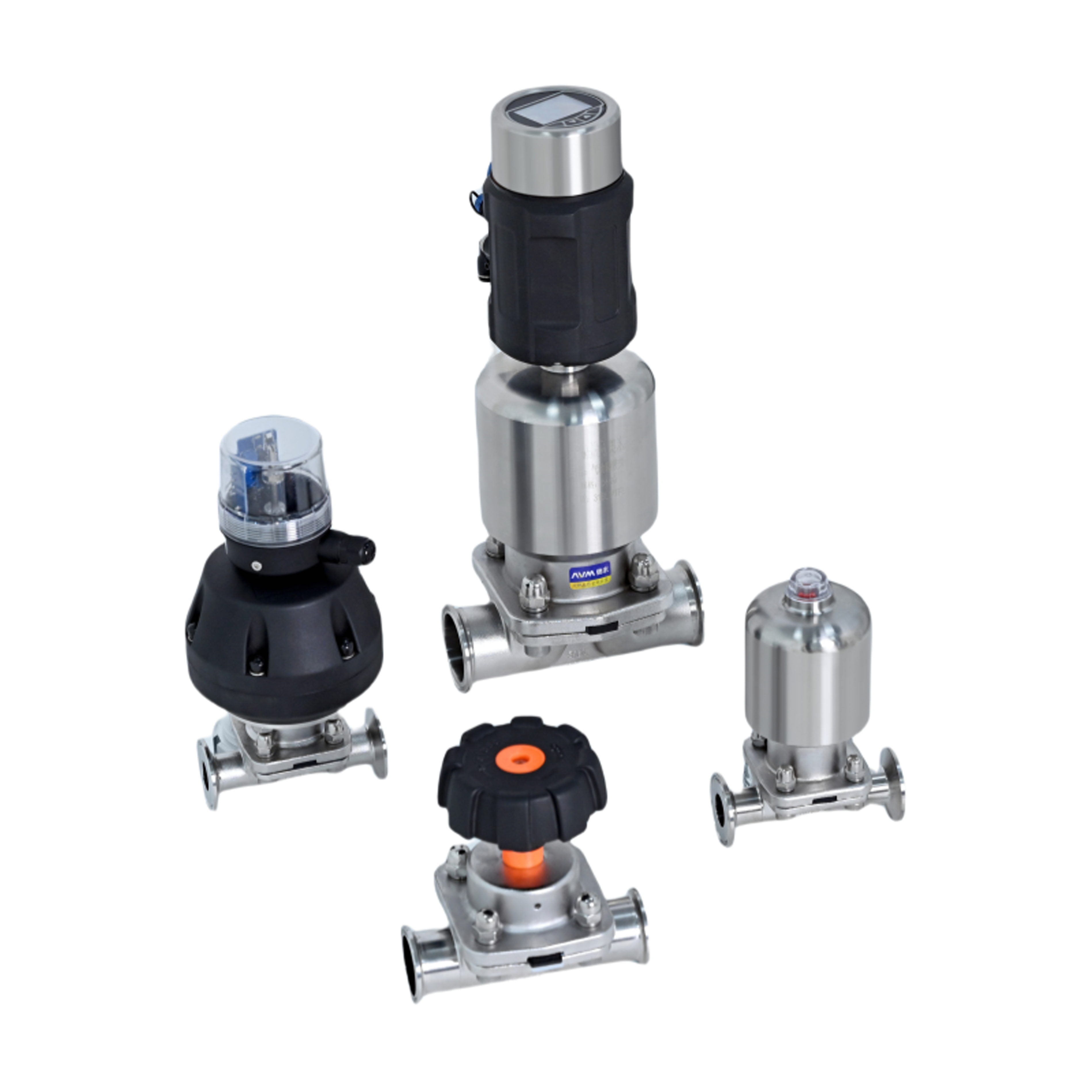
AB Valve for Fluid Control in Automated Industrial Systems

AB Valve for Fluid Control in Automated Industrial Systems

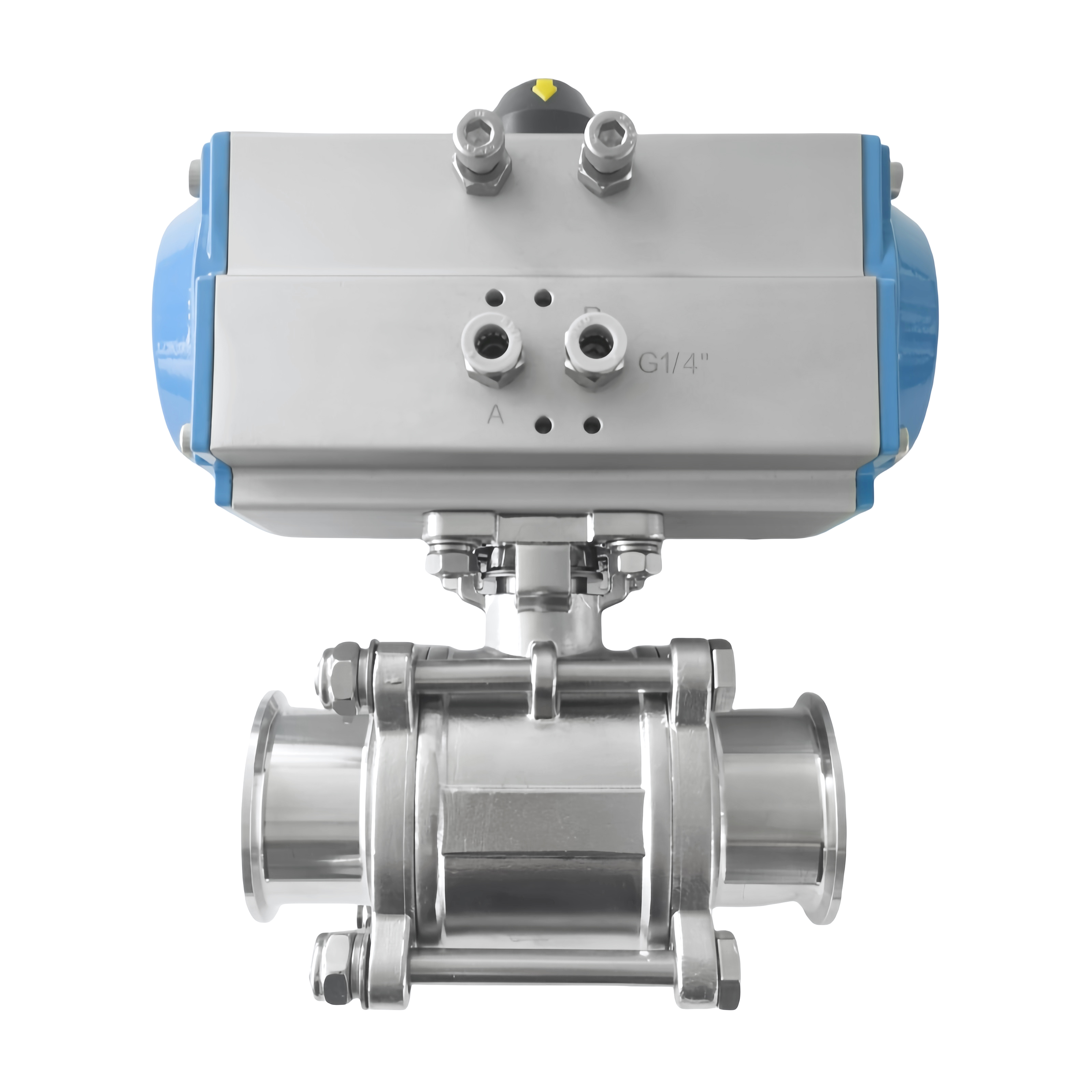
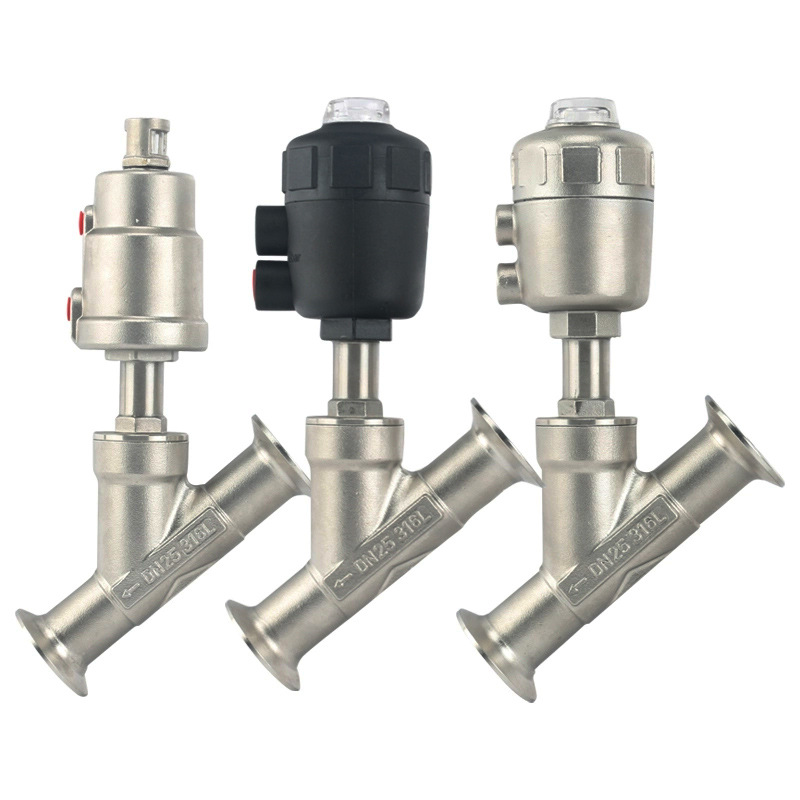
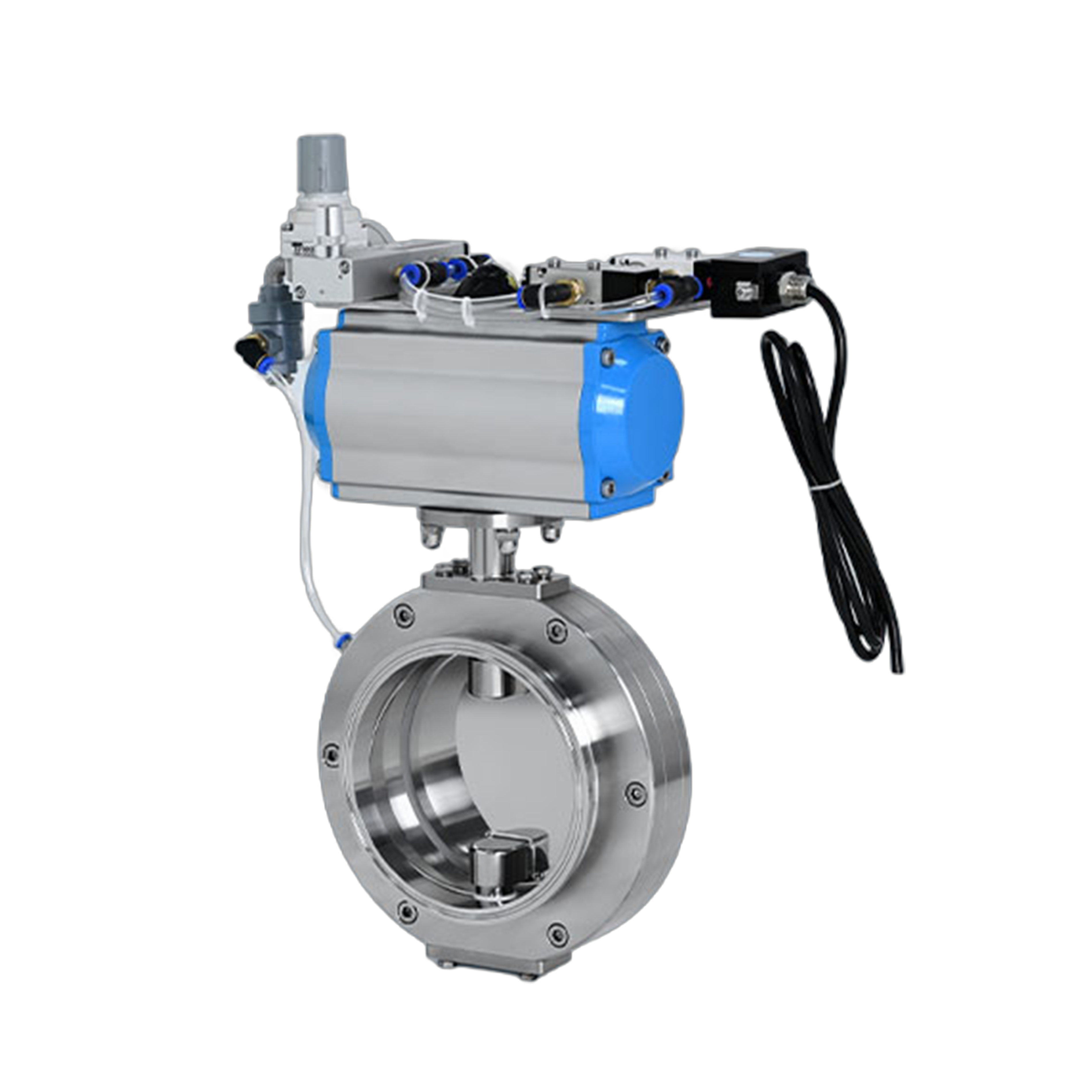
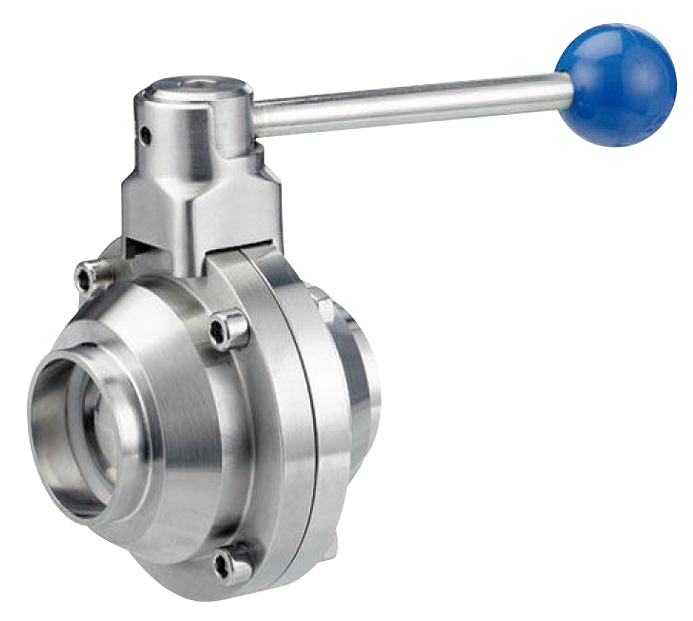
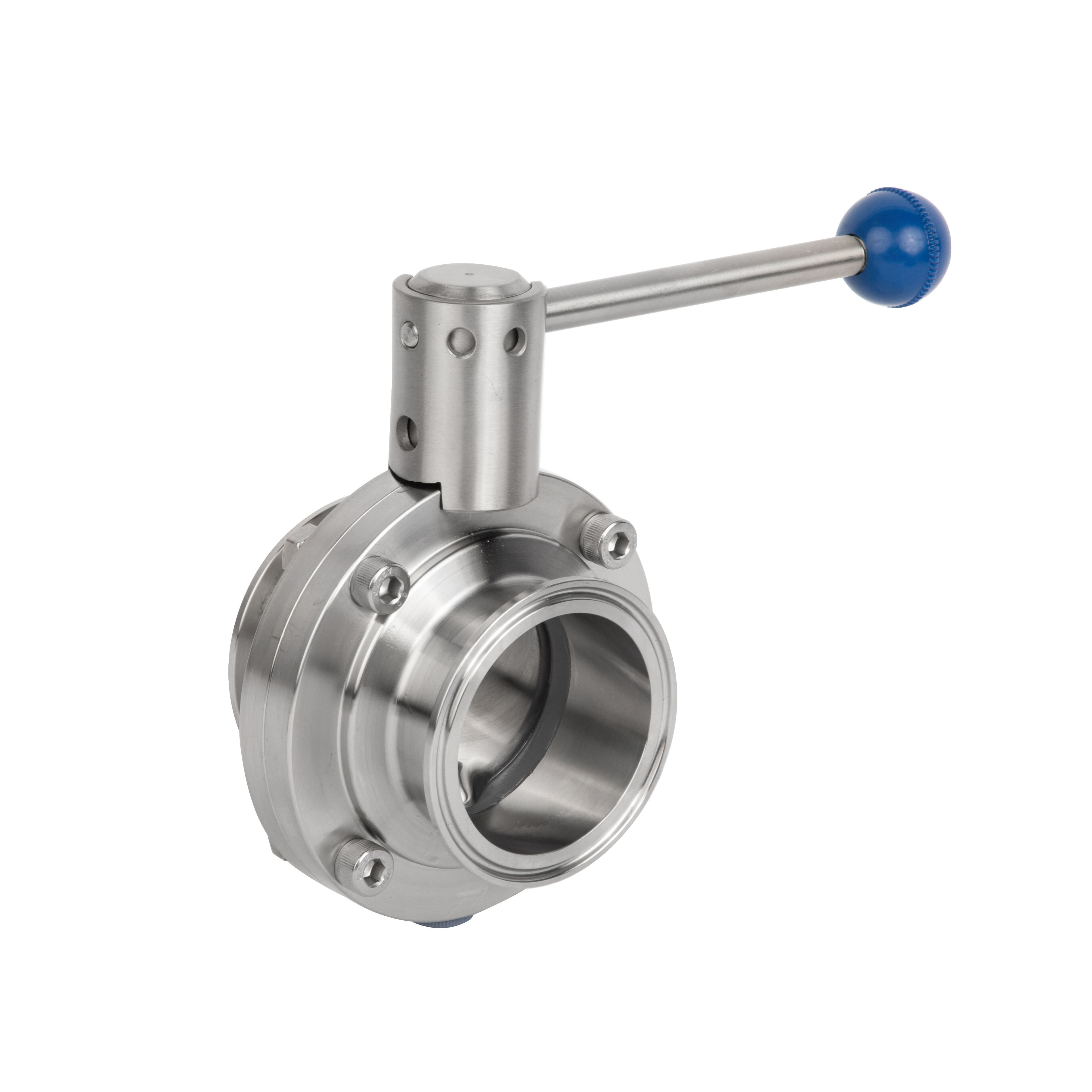
The AB Valve provides precise control of fluid direction and flow, making it perfect for automated production lines. Used across industries like chemicals, automation, and packaging, this valve allows for flexible control over fluid flow between two pathways. It plays a key role in maintaining smooth, continuous operations without interruption, ensuring efficient material handling and manufacturing processes.
Get A Quote

Why choose us?

Versatile Applications

Our divert valves provide flexible flow direction control, perfect for use in powder processing systems and material transport applications, ensuring high operational efficiency.

Cross-Contamination Prevention

The mixproof valve ensures no cross-contamination of materials, essential for industries like pharmaceuticals and food processing, maintaining product quality and safety.

Efficient Sampling

With our sampling valves, industries can easily extract accurate samples from pipelines or containers without disrupting the process, ensuring continuous quality monitoring.

Related products

AVM's stainless steel AB valves with electropolish feature 316L bodies polished to Ra≤0.8μm, ideal for aseptic and hygienic processes. The mirror finish resists particle adhesion and microbial growth, meeting 3A, EHEDG, and GMP standards. Precision-machined via Japanese Mazak CNC centers, they offer durable, low-maintenance isolation. Contact us for electropolished AB valve solutions.

Frequently Asked Questions

What is the function of a Rapid Transfer Port?

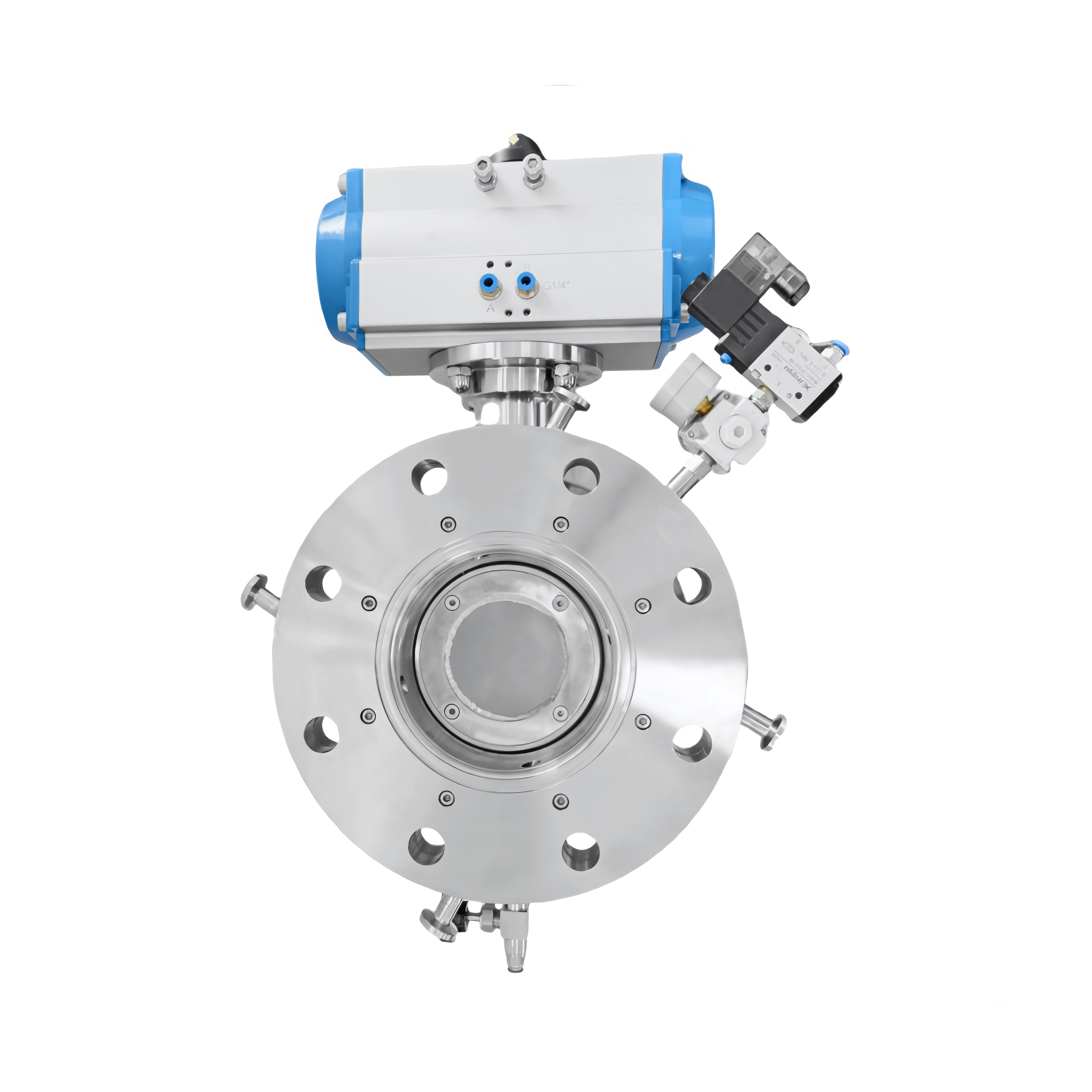
A Rapid Transfer Port (RTP) is designed for efficient and safe material transfer in environments that require strict cleanliness, such as in life sciences. It uses a dual-door system to maintain sterile or toxic-free conditions during two-way transfers, ensuring safety without compromising isolation.
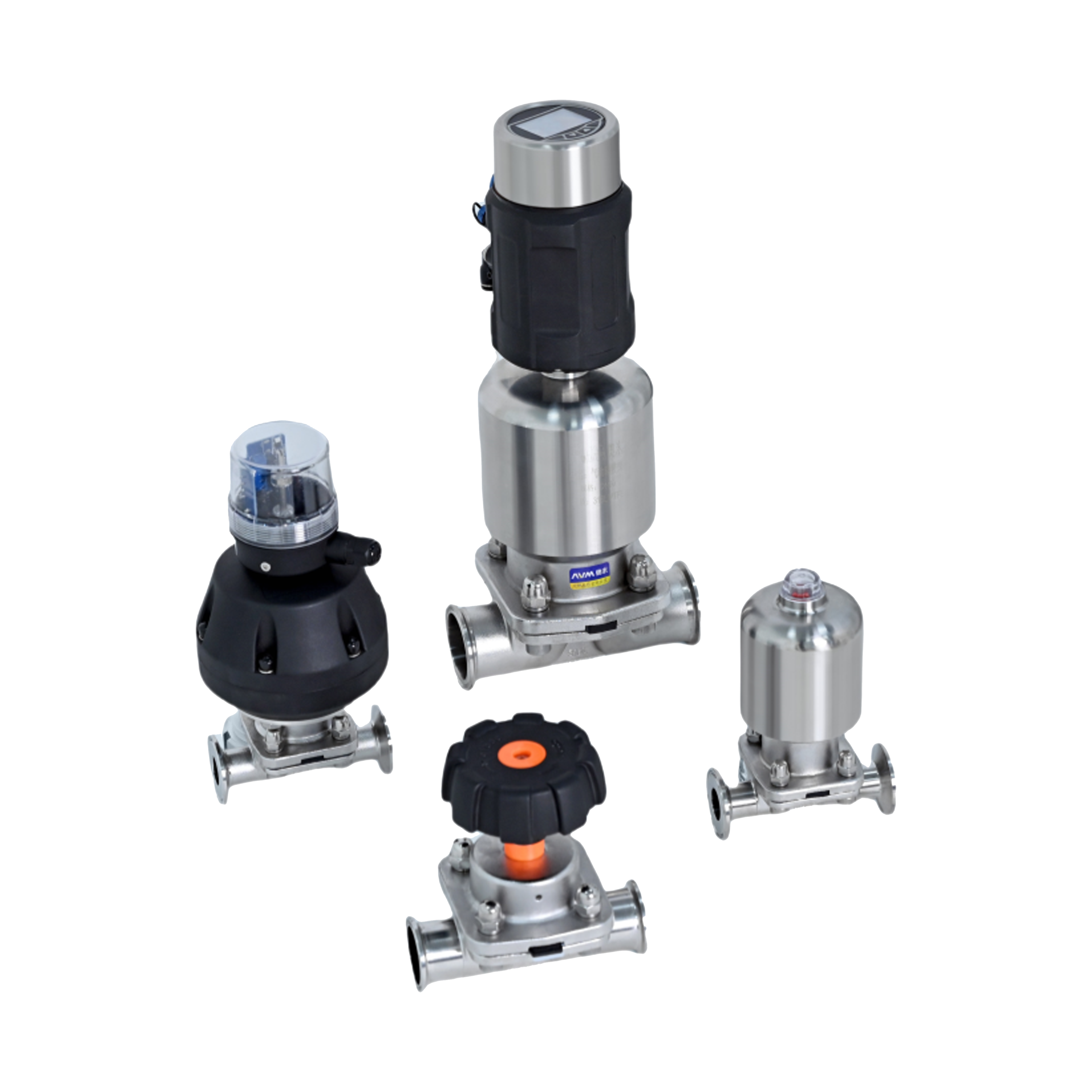
Pneumatic Control Valves use compressed air to actuate the valve, controlling the flow of gases or liquids. Commonly used in industrial automation and chemical processing, they provide precise flow control, require minimal maintenance, and are ideal for hazardous environments.
Inflatable Seals expand when inflated, forming a tight seal between two surfaces. These are commonly used in industries like food, pharmaceuticals, textiles, and more, to prevent contamination, ensure clean environments, and improve operational efficiency.
Sanitary Butterfly Valves are designed to maintain high hygiene standards in industries like food and beverage. Made of stainless steel and treated to prevent bacterial growth, they control fluid flow while ensuring no contamination in the production process.
Rotary Valves are used to control the flow of powdered materials, providing accurate metering and gas-locking capabilities. They are crucial in industries like food, pharmaceuticals, and chemicals for maintaining flow consistency and preventing material leaks.

Related Articles

Inflatable Seal RTP Systems: Enhancing Leak-Proof Performance in Aseptic Environments

19

Jun

Inflatable Seal RTP Systems: Enhancing Leak-Proof Performance in Aseptic Environments

How Inflatable Seal RTP Systems Achieve Sterile Containment Pressure-Activated Sealing Mechanism Explained Inflatable seal system Inflatable seal systems are based on pressure-actuated seal mechanism and employ pressurized air to keep sterile th...
View More
Corrosion-Resistant Diaphragm Valves: Ideal for High-Viscosity Fluids in Food Industry

18

Jun

Corrosion-Resistant Diaphragm Valves: Ideal for High-Viscosity Fluids in Food Industry

Understanding Corrosion-Resistant Diaphragm Valve Mechanics Hygienic design in the pharmaceutical industries places particular emphasis on the use of corrosion-resistant diaphragm valves. They work by using a diaphragm as the movable barrier ...
View More
Pneumatic Actuated Mixproof Valves: Enhancing Efficiency in Chemical Processing

18

Jun

Pneumatic Actuated Mixproof Valves: Enhancing Efficiency in Chemical Processing

Mixproof Valve Fundamentals for Chemical Processing Understanding Double Seat Mixproof Valve Design Double seat mixproof valves play a key role in stopping different fluids from getting mixed up in industries that handle several liquid streams at on...
View More
How to Choose the Right Pneumatic Control Valve for Pharmaceutical Systems

17

Jul

How to Choose the Right Pneumatic Control Valve for Pharmaceutical Systems

Important Features of Pneumatic Control Valves Within the Pharmaceutical Industry   Effective Flow Control of Active Pharmaceutical Ingredients   Getting flow control right matters a lot in pharmaceutical manufacturing acros...
View More

customer evaluation

Michael Robinson
AB Valves: Critical for High-Hazard Material Isolation

AVM's AB Valves ensure safe handling of cytotoxic APIs in our pharmaceutical plant. The double-seat design with an intermediate seal chamber prevents cross-contamination, even during pressure surges. The fail-closed mechanism provides added safety, and the 316L stainless steel construction resists chemical erosion.

Robert King
Aseptic Isolation for Biopharmaceutical Downstream

Our protein purification process uses AB valves to separate product streams from cleaning agents. The sterile barrier between valves prevents CIP fluid contamination, and the automated control integrates seamlessly with our PLC system. They've improved our process efficiency while maintaining GMP compliance.

Get a Free Quote

Our representative will contact you soon.
Email
Mobile/WhatsApp
Name
Company Name
Message
0/1000
AB Valves: Dual-Seat Isolation for High-Risk Applications

AB Valves: Dual-Seat Isolation for High-Risk Applications

AVM's AB Valves feature double-seat structures with intermediate seal chambers, preventing media mixing in high-hazard scenarios (toxic chemicals, APIs). Used in pharmaceutical API production, they offer safe material transfer with fail-safe designs. Compliant with international standards, they are precision-machined for reliability and chemical resistance in critical isolation tasks.