
AVM - Precision Material Conveyance Solutions for Pharma & Food Industries

All Categories
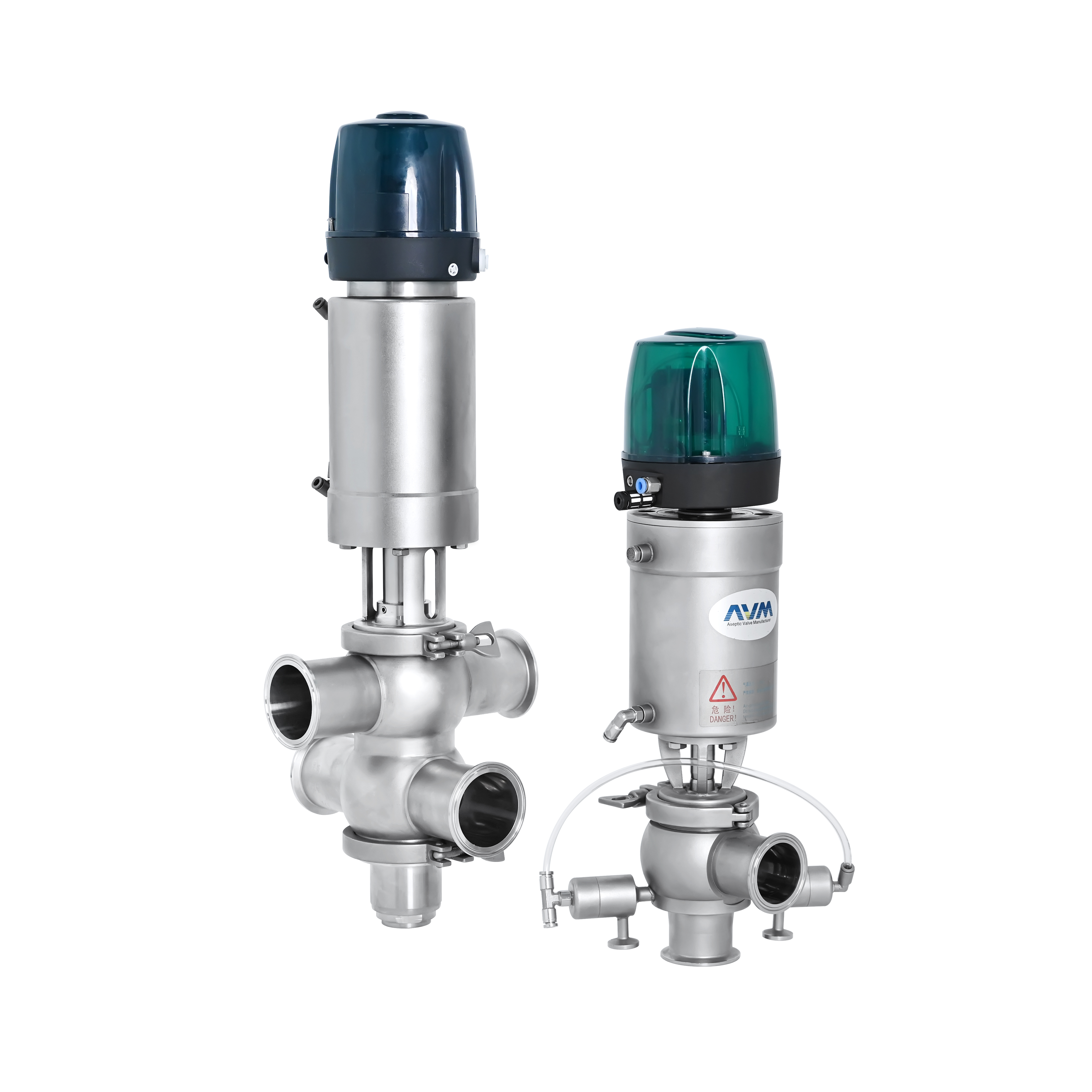
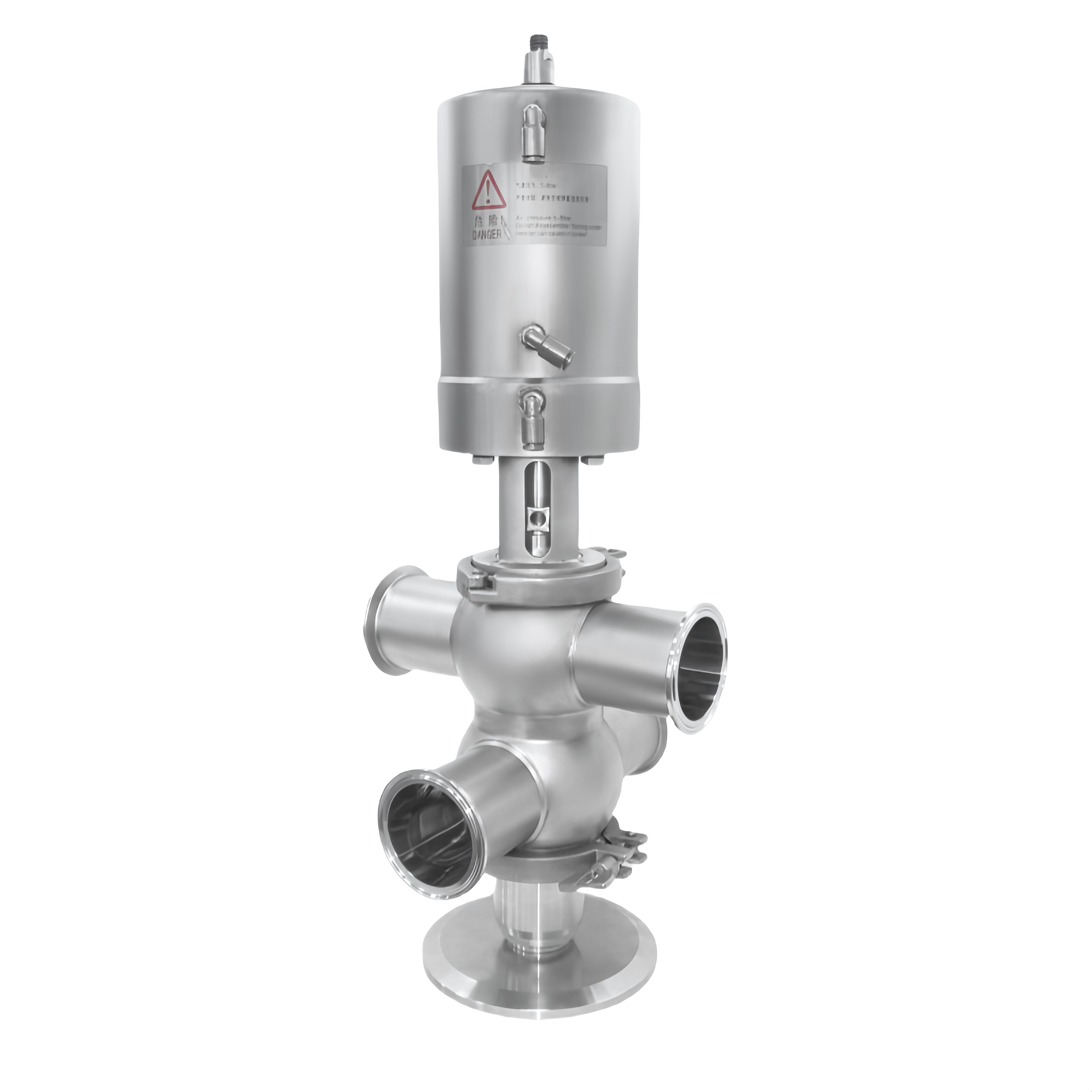
Mixproof Valve for Preventing Cross-Contamination in Sensitive Production Processes

Mixproof Valve for Preventing Cross-Contamination in Sensitive Production Processes

The Mixproof Valve is essential in preventing the cross-contamination of materials during transport or processing. It ensures that two different media do not mix, making it particularly useful in the food, beverage, and pharmaceutical industries. The valve features a unique dual-seal design, allowing for simultaneous flow of two substances without risk of contamination. It is ideal for applications requiring the highest standards of purity and safety, such as in pharmaceutical production and critical food processing.
Get A Quote

Why choose us?

Precision Control

Our pneumatic control valves enable precise flow regulation, supporting automation and enhancing the efficiency of industrial processes in sectors like chemicals, pharmaceuticals, and food production.

Customized Solutions

Whether for small-scale production or large-scale applications, we offer customizable sizes and configurations to meet the specific needs of each client.

No Mechanical Parts

The powder valve utilizes dry gases to reduce particle friction, eliminating mechanical parts and setting a new standard in powder flow control, reducing wear and tear and maintenance costs.

Related products

AVM's mixproof valves with quick disassembly feature split-body designs or tri-clamp connections, reducing maintenance time by 50%. Ideal for frequent cleaning in food and pharmaceutical lines, they allow internal component access without pipeline disassembly. The rugged construction ensures repeatable sealing after multiple disassemblies. Inquire about our quick-maintenance mixproof valves.

Frequently Asked Questions

What is the function of a Rapid Transfer Port?

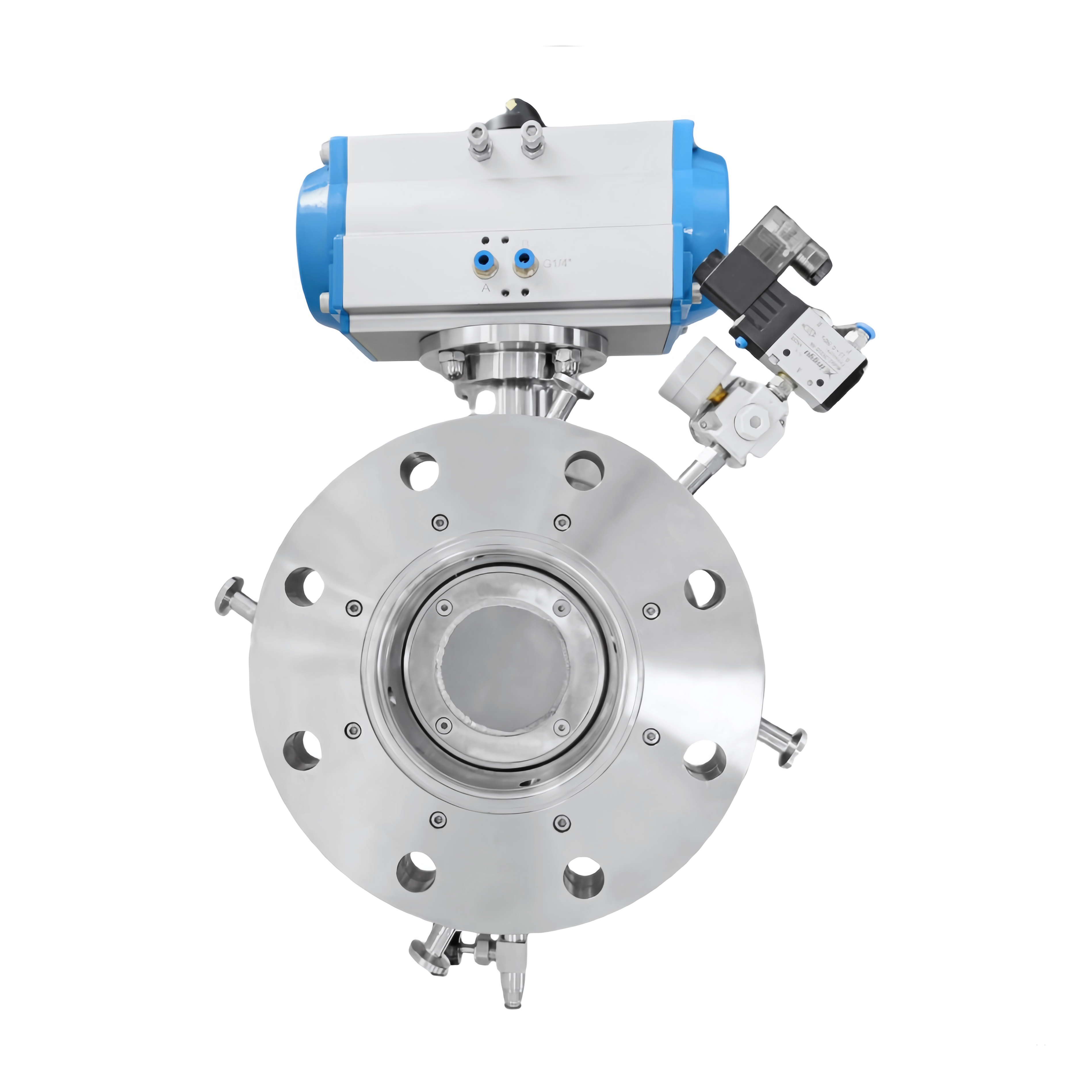
A Rapid Transfer Port (RTP) is designed for efficient and safe material transfer in environments that require strict cleanliness, such as in life sciences. It uses a dual-door system to maintain sterile or toxic-free conditions during two-way transfers, ensuring safety without compromising isolation.
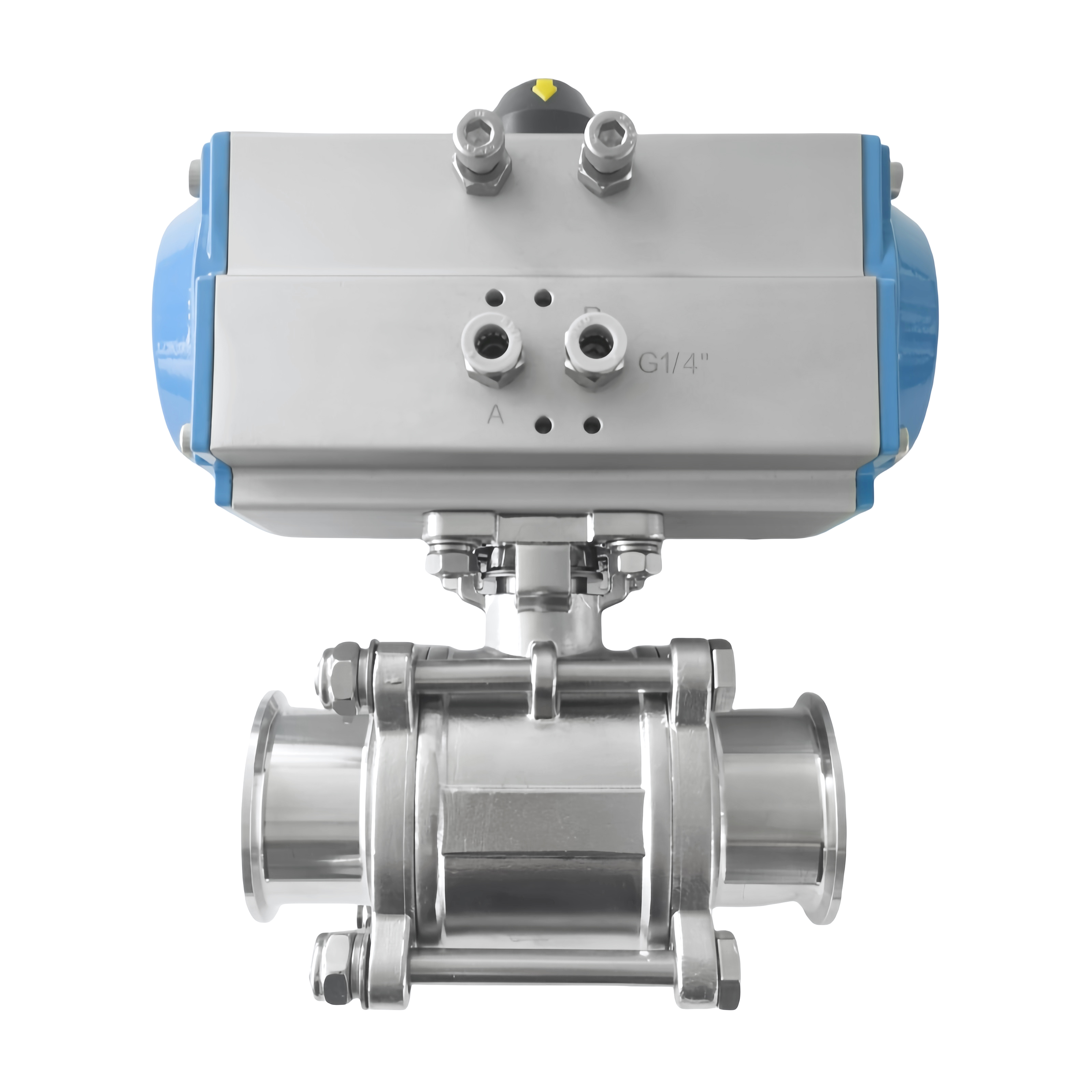
Pneumatic Control Valves use compressed air to actuate the valve, controlling the flow of gases or liquids. Commonly used in industrial automation and chemical processing, they provide precise flow control, require minimal maintenance, and are ideal for hazardous environments.
A Powder Valve controls the flow of powdered materials using dry gases to reduce friction and prevent blockages. It ensures smooth flow by avoiding mechanical shear and can be customized for different scales, from small batches to large-scale production.
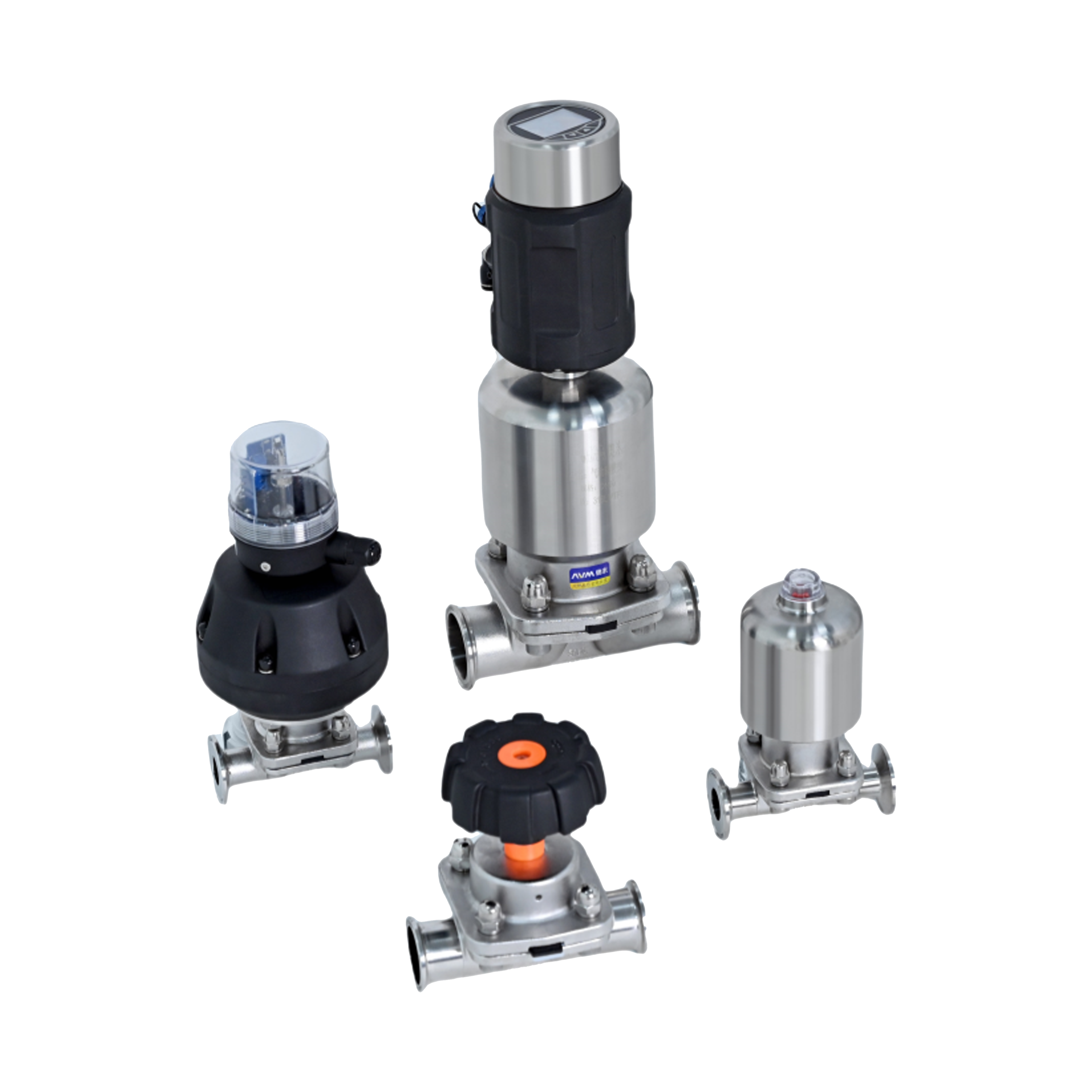
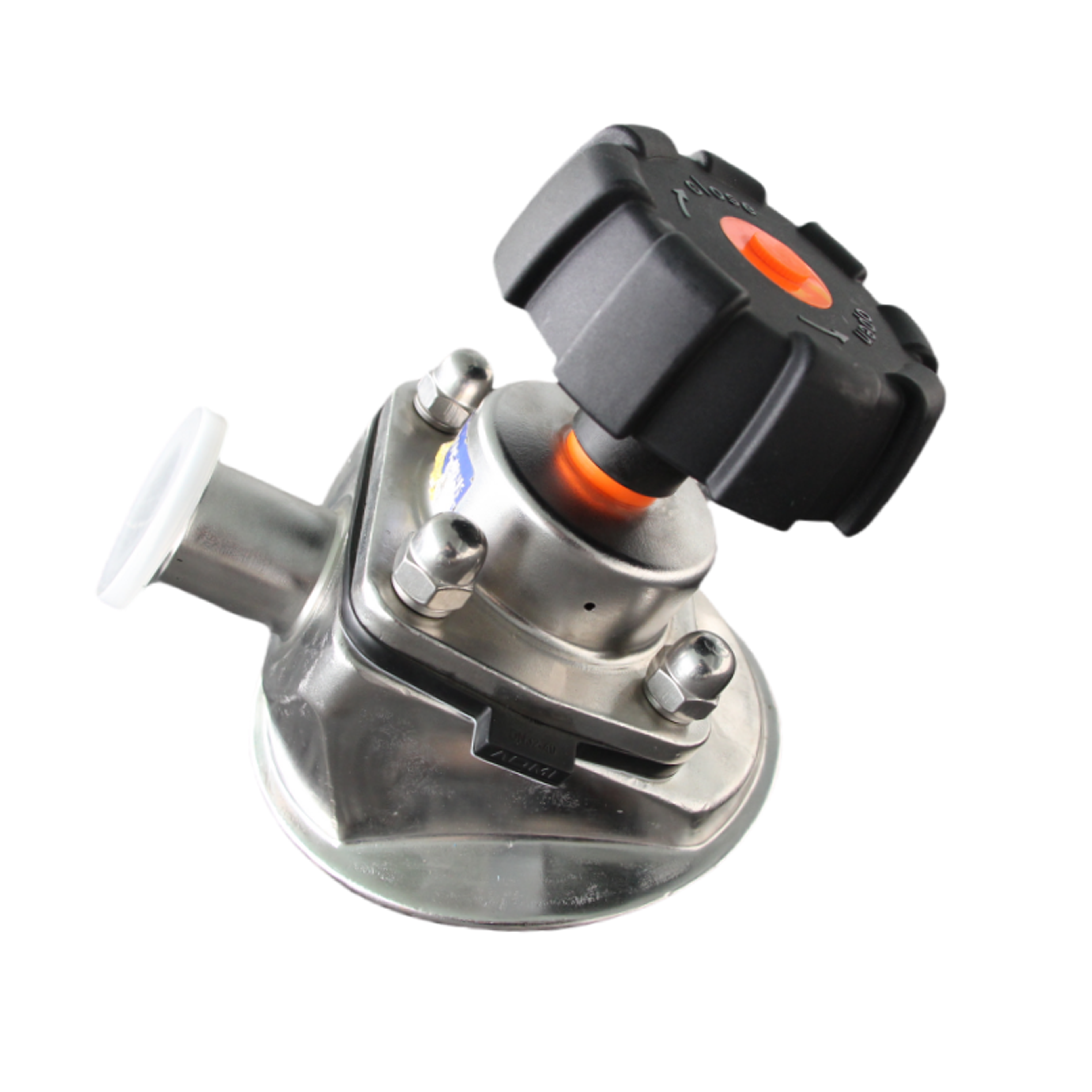
Diaphragm Valves are ideal for industries requiring high purity fluids. They feature a diaphragm that isolates the valve mechanism from the fluid, reducing contamination risk. They are easy to maintain and offer reliable performance in controlling corrosive or sensitive fluids.
Aseptic Transfer ensures materials are transferred between systems without compromising sterility. It is essential in pharmaceutical, biotechnology, and food production to prevent microbial contamination during the transfer of sensitive products.

Related Articles

Inflatable Seal RTP Systems: Enhancing Leak-Proof Performance in Aseptic Environments

19

Jun

Inflatable Seal RTP Systems: Enhancing Leak-Proof Performance in Aseptic Environments

How Inflatable Seal RTP Systems Achieve Sterile Containment Pressure-Activated Sealing Mechanism Explained Inflatable seal system Inflatable seal systems are based on pressure-actuated seal mechanism and employ pressurized air to keep sterile th...
View More
Corrosion-Resistant Diaphragm Valves: Ideal for High-Viscosity Fluids in Food Industry

18

Jun

Corrosion-Resistant Diaphragm Valves: Ideal for High-Viscosity Fluids in Food Industry

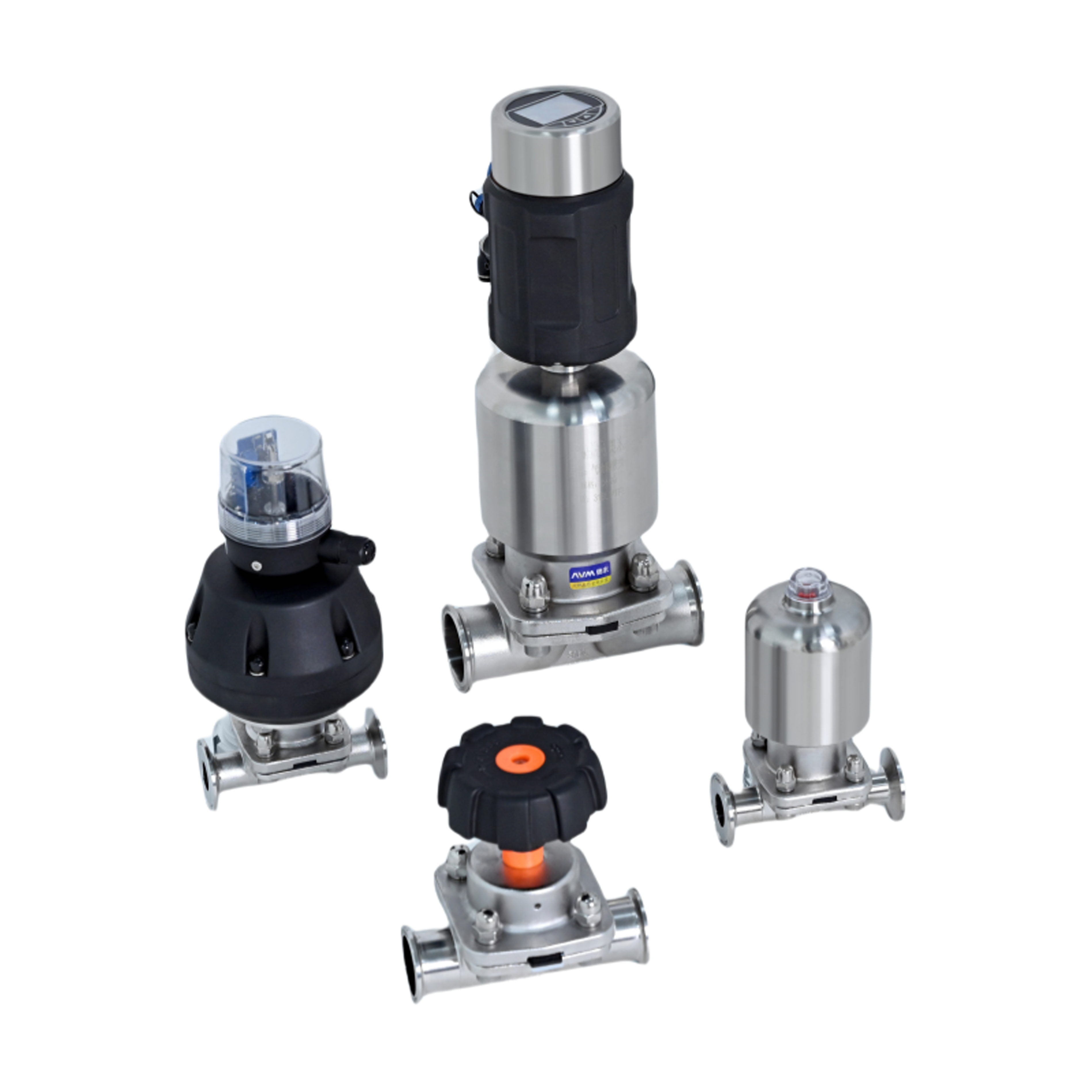
Understanding Corrosion-Resistant Diaphragm Valve Mechanics Hygienic design in the pharmaceutical industries places particular emphasis on the use of corrosion-resistant diaphragm valves. They work by using a diaphragm as the movable barrier ...
View More
Pneumatic Actuated Mixproof Valves: Enhancing Efficiency in Chemical Processing

18

Jun

Pneumatic Actuated Mixproof Valves: Enhancing Efficiency in Chemical Processing

Mixproof Valve Fundamentals for Chemical Processing Understanding Double Seat Mixproof Valve Design Double seat mixproof valves play a key role in stopping different fluids from getting mixed up in industries that handle several liquid streams at on...
View More
How to Choose the Right Pneumatic Control Valve for Pharmaceutical Systems

17

Jul

How to Choose the Right Pneumatic Control Valve for Pharmaceutical Systems

Important Features of Pneumatic Control Valves Within the Pharmaceutical Industry   Effective Flow Control of Active Pharmaceutical Ingredients   Getting flow control right matters a lot in pharmaceutical manufacturing acros...
View More

customer evaluation

James Chen
Mixproof Valves: Critical for Contamination-Free Operations

In our biopharmaceutical lab, preventing cross-contamination is non-negotiable. AVM's mixproof valves with double-seat isolation have eliminated the risk during CIP cycles. The sterile barrier between media streams ensures our vaccines maintain purity, and the robust construction withstands frequent autoclaving without performance degradation.

Robert Martinez
Reliable Barrier in Chemical Intermediates Production

Handling toxic chemicals demands fail-safe isolation, and these valves deliver. The double-closure mechanism has prevented any cross-mixing in our multi-stage synthesis reactors, even under fluctuating pressures. The pneumatic actuation ensures rapid shutdown in emergency scenarios, enhancing our plant's safety profile.

Get a Free Quote

Our representative will contact you soon.
Email
Mobile/WhatsApp
Name
Company Name
Message
0/1000
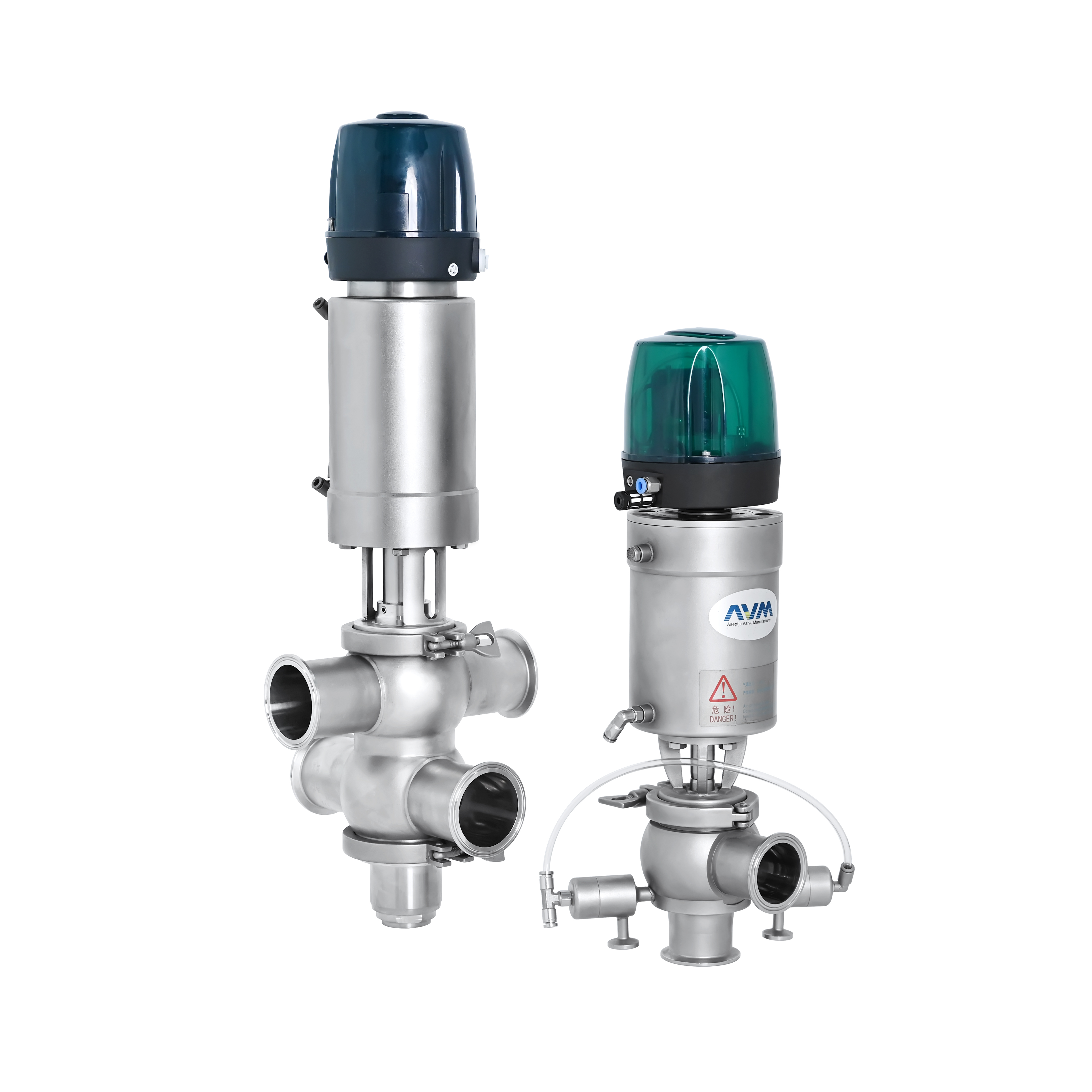
Mixproof Valves: Dual-Seat Isolation for Contamination-Free Operations

Mixproof Valves: Dual-Seat Isolation for Contamination-Free Operations

Designed with double seats and intermediate seal chambers, AVM's Mixproof Valves prevent media cross-contamination in food, pharma, and chemical processes. Ideal for CIP systems, they create a sterile barrier between cleaning fluids and production streams. Compliant with GMP, FDA, and 3A standards, their robust construction withstands frequent sanitization, while the dual-closure design ensures safety in high-risk applications.