AVM - Precision Material Conveyance Solutions for Pharma & Food Industries

All Categories
Mixproof Valves for Preventing Cross-Contamination in Sensitive Fluid Handling

Mixproof Valves for Preventing Cross-Contamination in Sensitive Fluid Handling

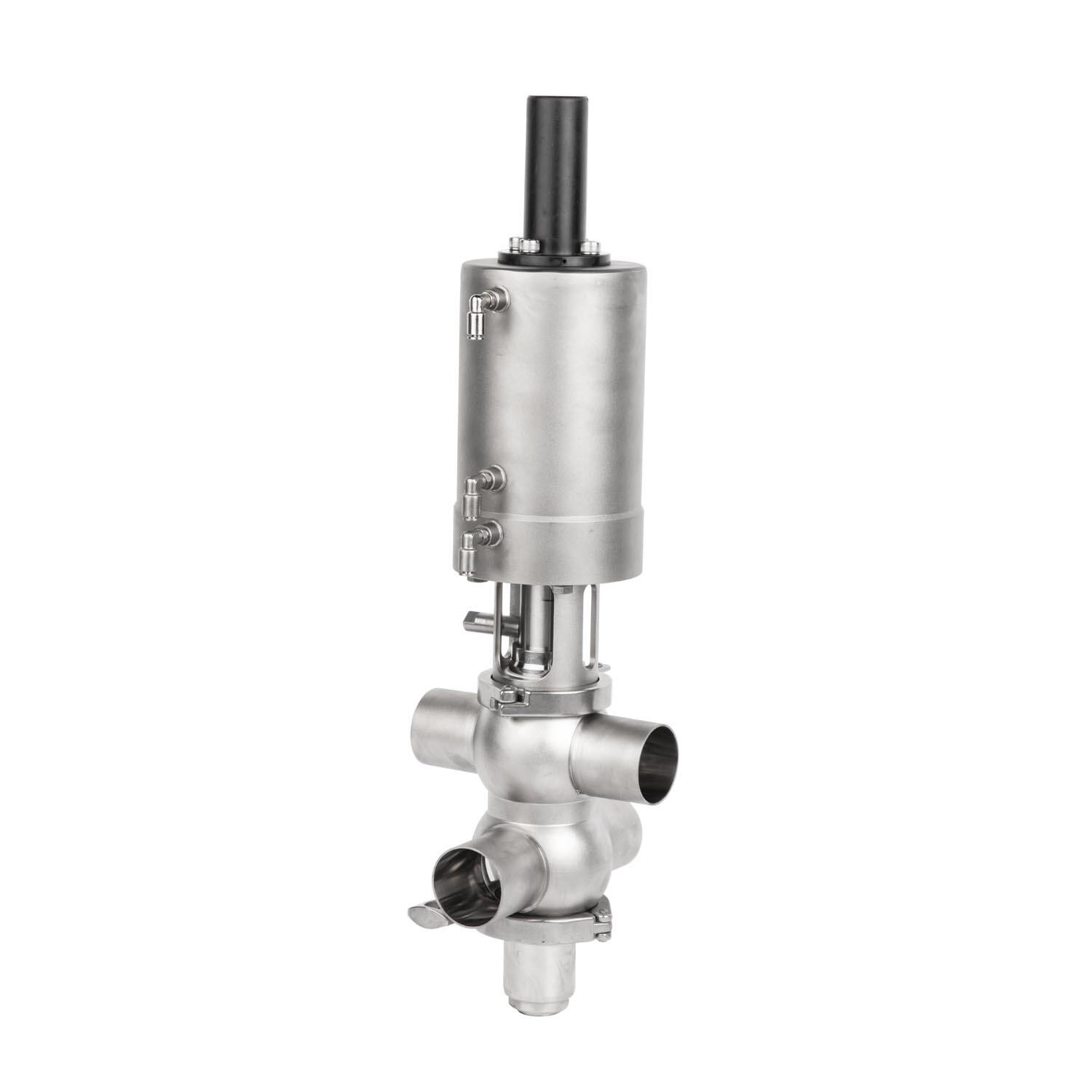
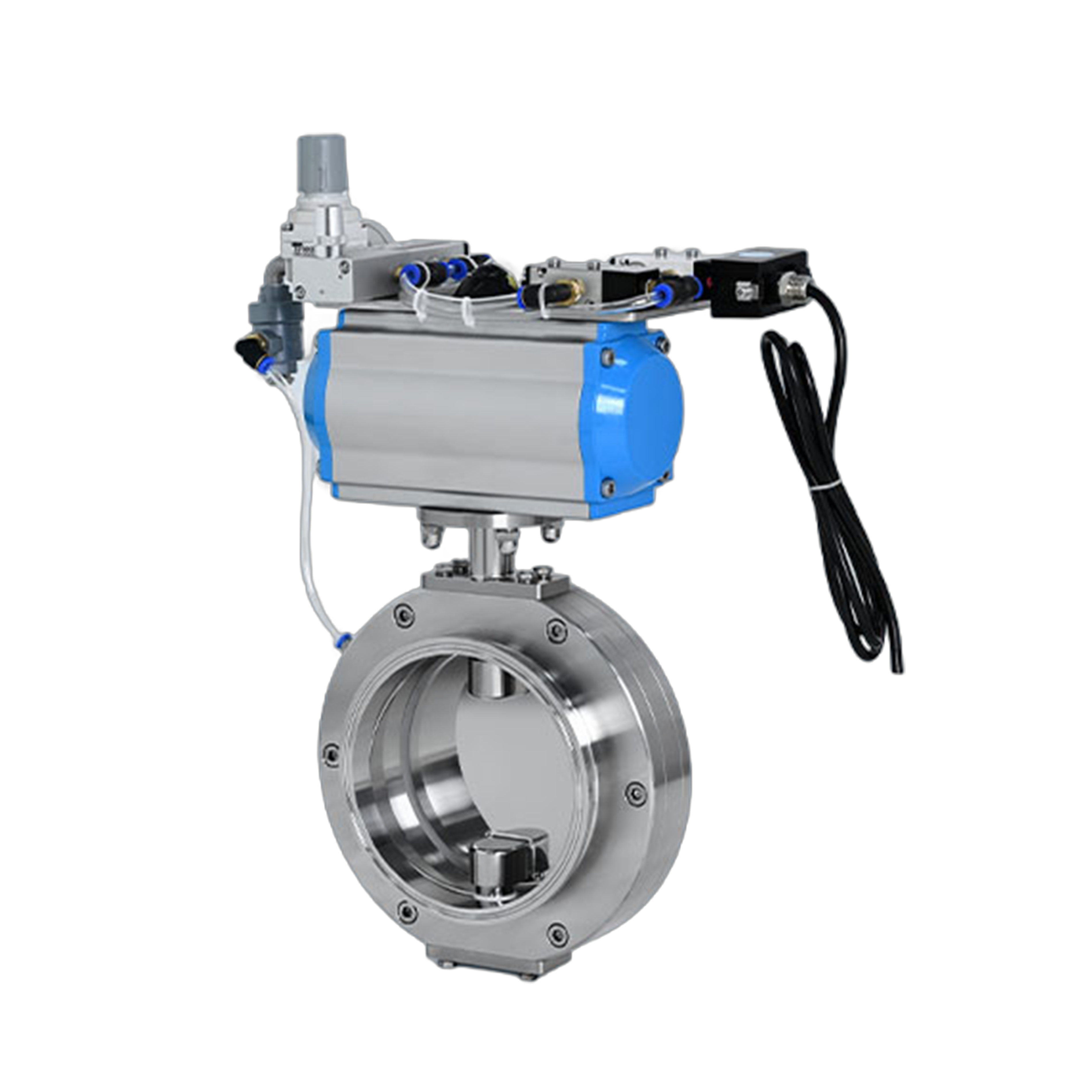
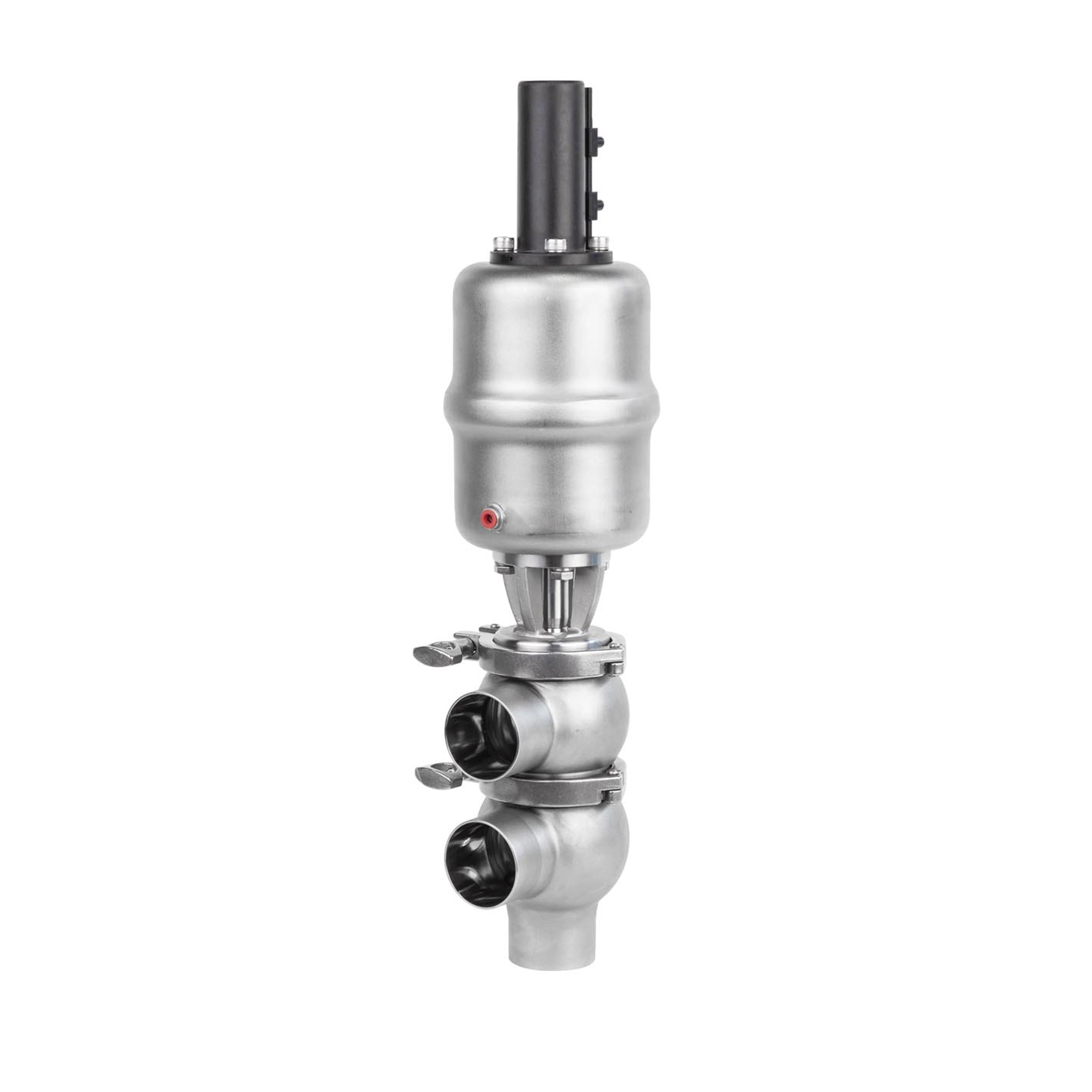
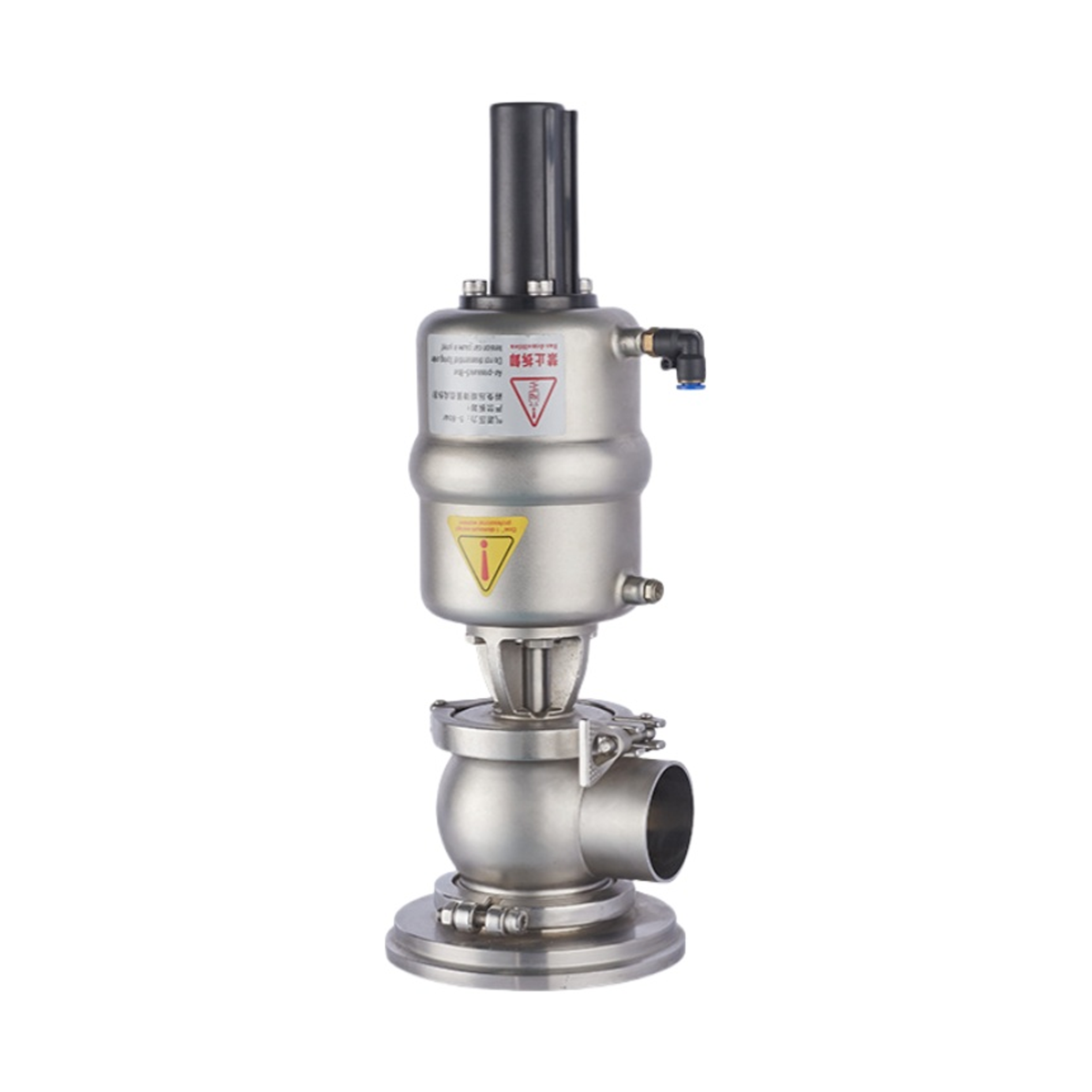
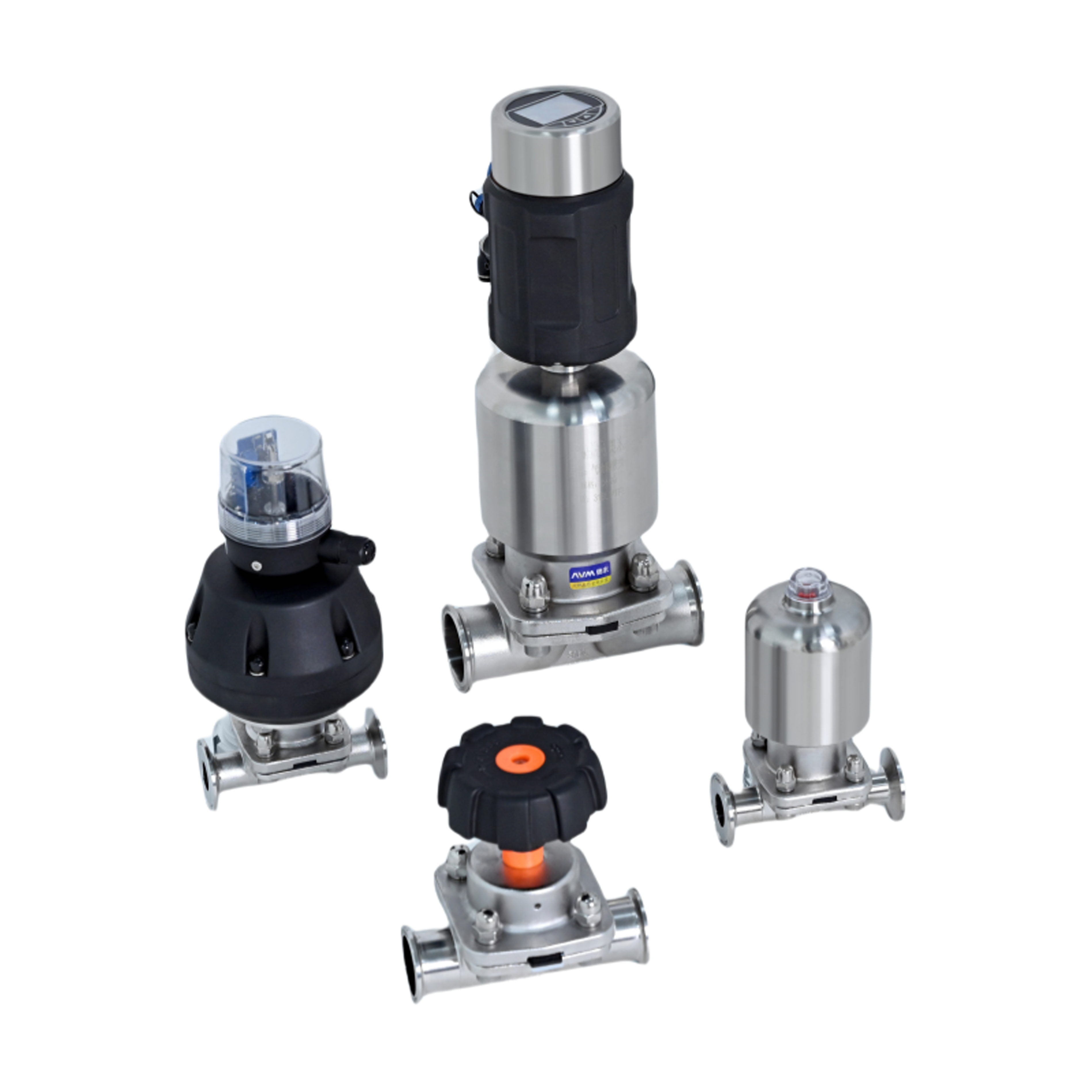
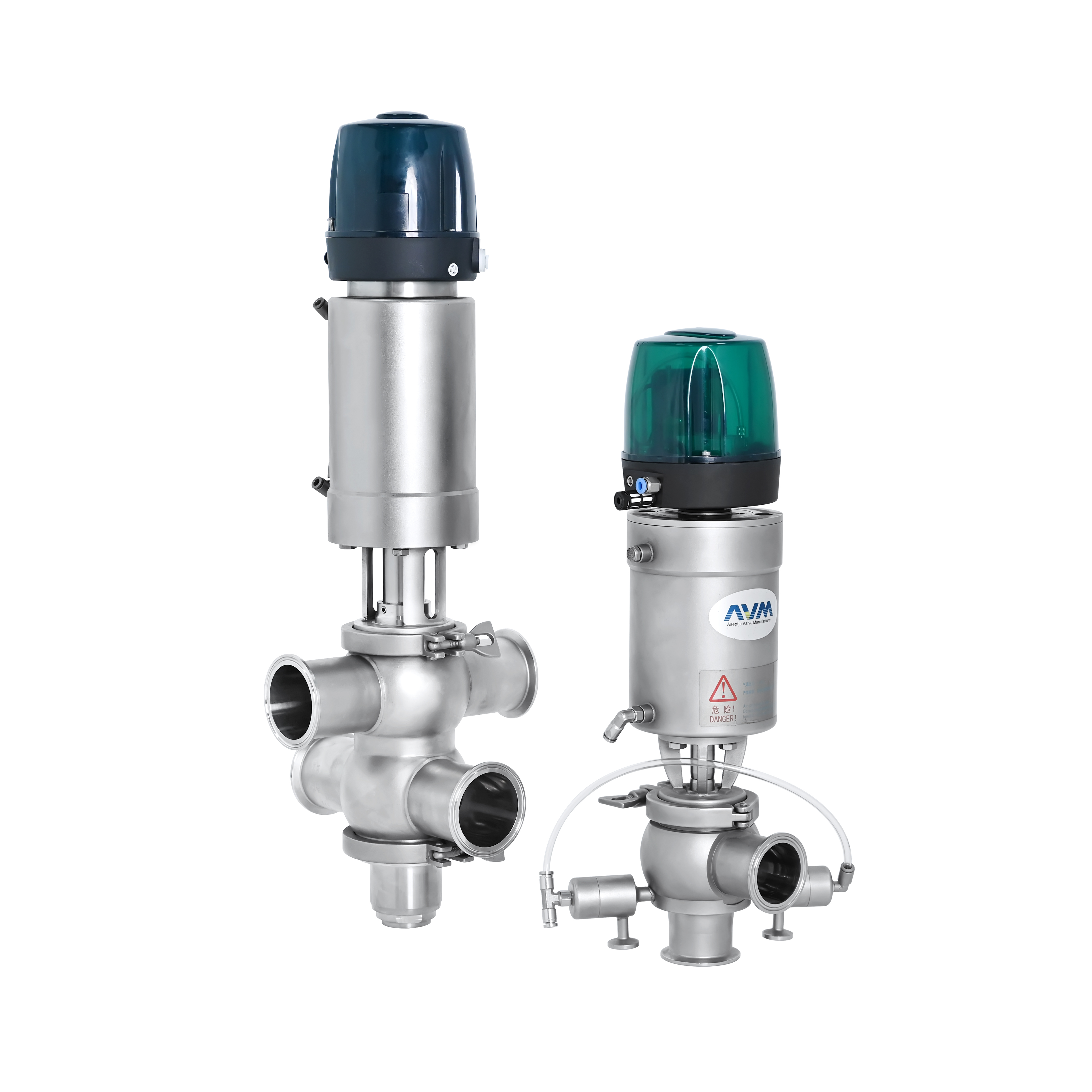
Mixproof Valves are essential in industries where the separation of different materials is crucial, such as in food, pharmaceuticals, and chemicals. These valves prevent cross-contamination by ensuring that fluids do not mix, even when they are being handled or processed simultaneously. The design of the valve includes specialized seals that separate two different channels, ensuring that only the intended material flows through each path. This makes them ideal for applications such as drug production, dairy processing, and beverage manufacturing, where purity and product quality are critical. The ability to maintain separation during production processes minimizes the risk of contamination and enhances product safety.
Get A Quote


Why choose us?

Precision Control

Our pneumatic control valves enable precise flow regulation, supporting automation and enhancing the efficiency of industrial processes in sectors like chemicals, pharmaceuticals, and food production.

Reliable Performance

With robust construction and durable designs, our valves and equipment provide reliable and long-term performance in demanding industries such as chemicals and pharmaceuticals.

No Mechanical Parts

The powder valve utilizes dry gases to reduce particle friction, eliminating mechanical parts and setting a new standard in powder flow control, reducing wear and tear and maintenance costs.

Related products

AVM's mixproof valves incorporate robust double-seat designs, similar to industry-recognized solutions, for effective media isolation in critical processes. Engineered with 316L stainless steel and electropolished surfaces, they meet 3A, FDA, and ISO standards. Suitable for food, pharma, and chemical applications. Reach out to discover our mixproof valve capabilities for your operations.

Frequently Asked Questions

What is the function of a Rapid Transfer Port?

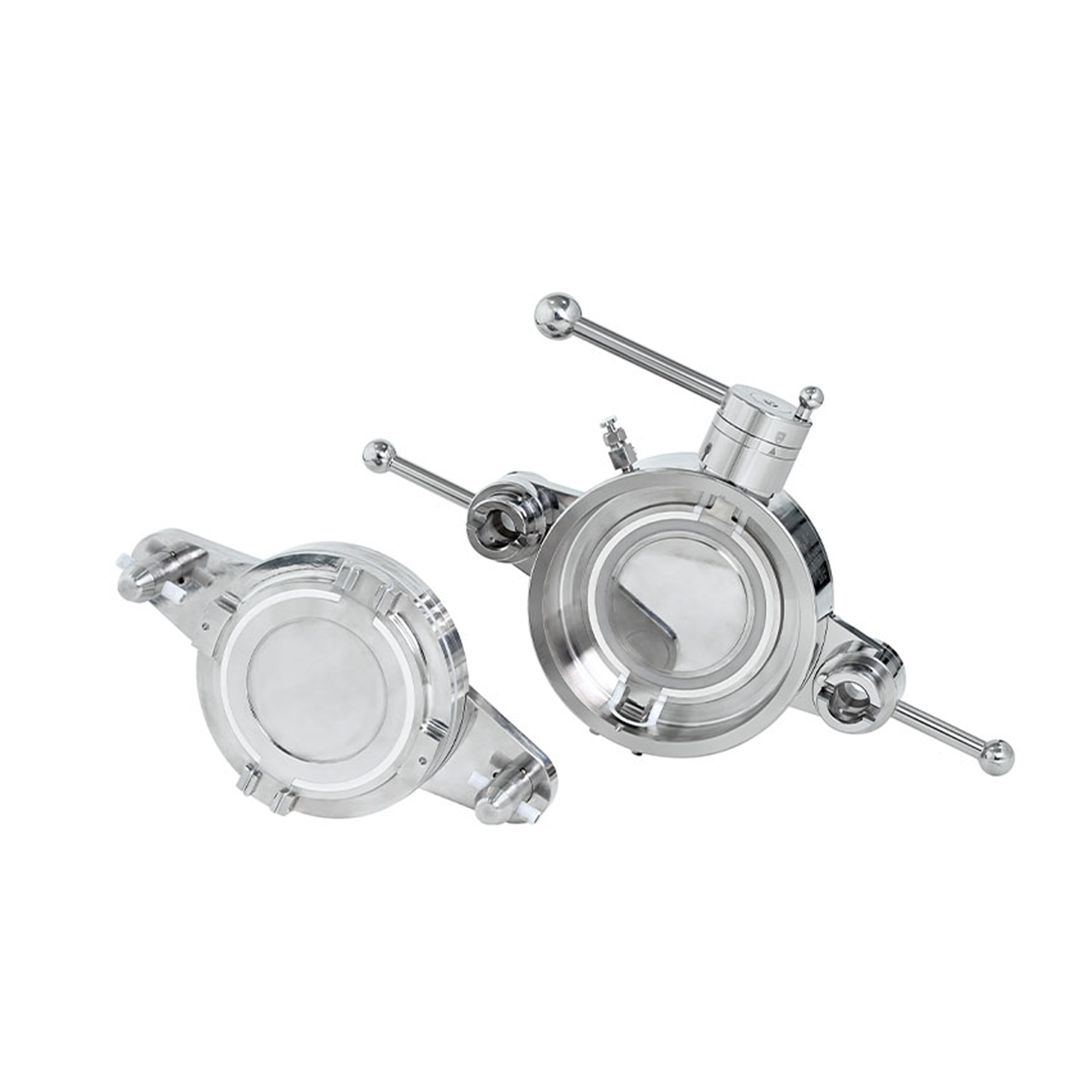
A Rapid Transfer Port (RTP) is designed for efficient and safe material transfer in environments that require strict cleanliness, such as in life sciences. It uses a dual-door system to maintain sterile or toxic-free conditions during two-way transfers, ensuring safety without compromising isolation.
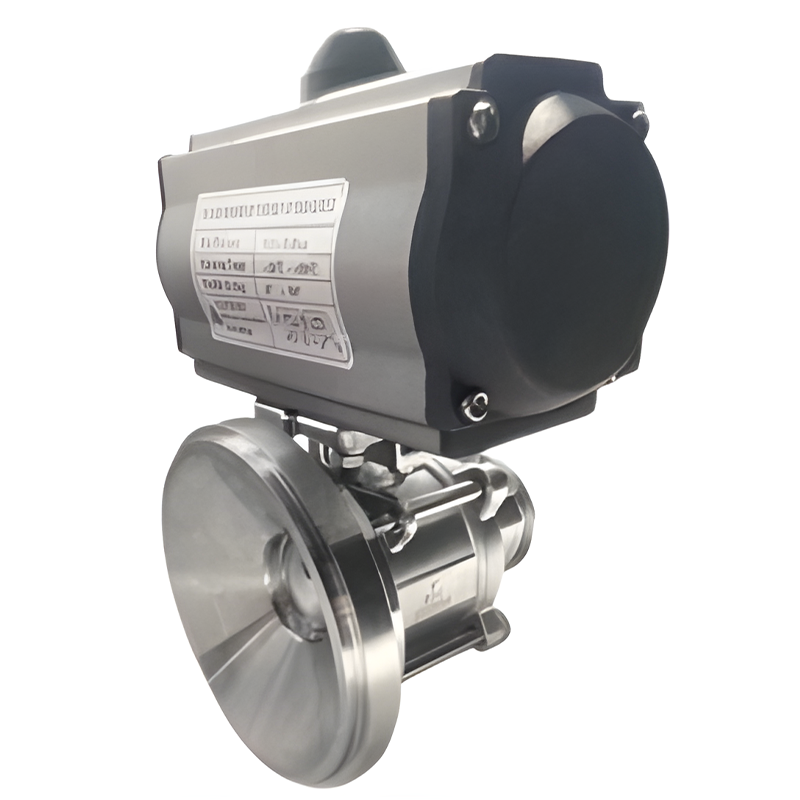
Pneumatic Control Valves use compressed air to actuate the valve, controlling the flow of gases or liquids. Commonly used in industrial automation and chemical processing, they provide precise flow control, require minimal maintenance, and are ideal for hazardous environments.
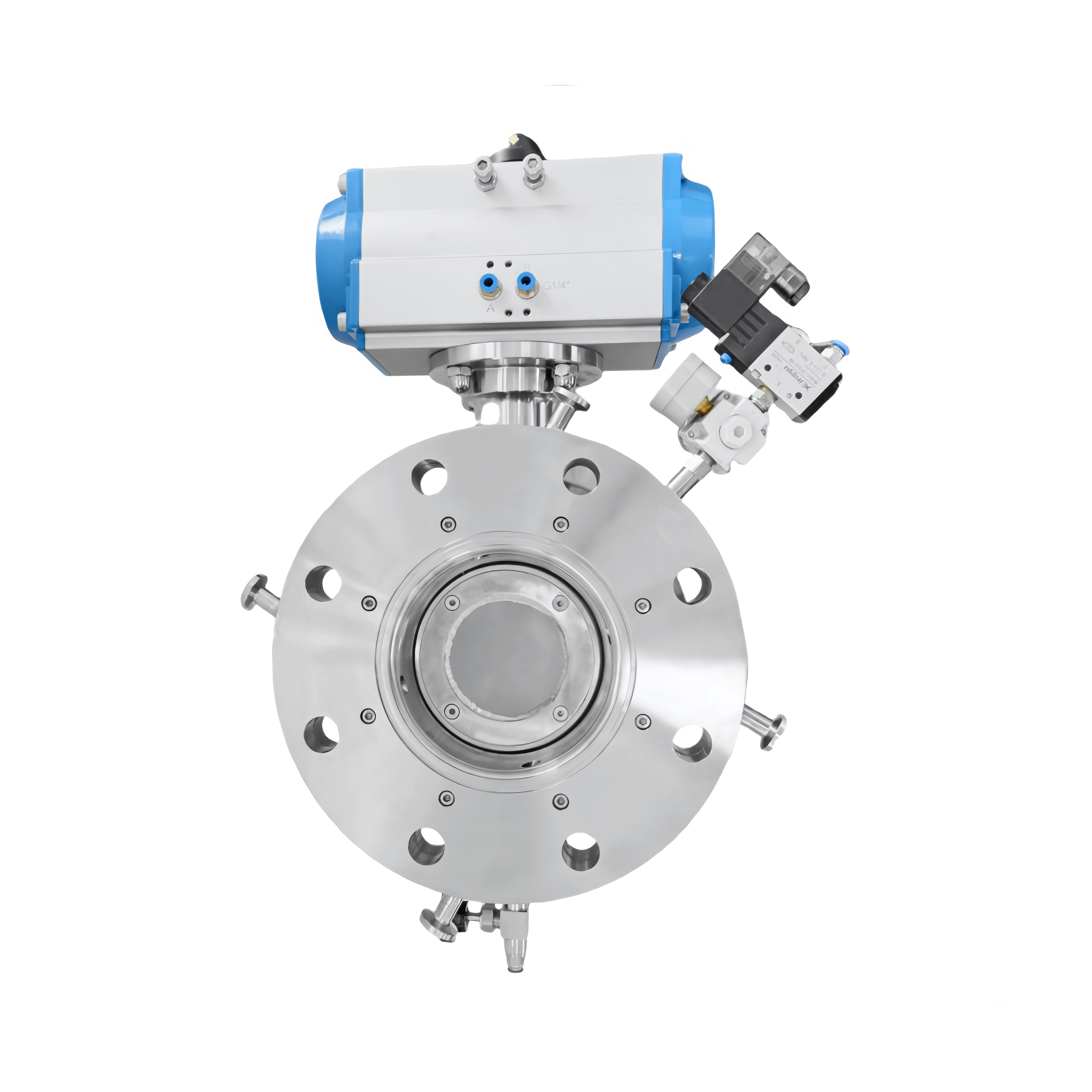
A Split Butterfly Valve is mounted between two flanges in a pipe and is used to control the flow of fluids or gases. Its compact design makes it ideal for tight spaces, commonly found in water systems, HVAC, and industrial piping systems.
Rotary Valves are used to control the flow of powdered materials, providing accurate metering and gas-locking capabilities. They are crucial in industries like food, pharmaceuticals, and chemicals for maintaining flow consistency and preventing material leaks.
Aseptic Transfer ensures materials are transferred between systems without compromising sterility. It is essential in pharmaceutical, biotechnology, and food production to prevent microbial contamination during the transfer of sensitive products.

Related Articles

Inflatable Seal RTP Systems: Enhancing Leak-Proof Performance in Aseptic Environments

19

Jun

Inflatable Seal RTP Systems: Enhancing Leak-Proof Performance in Aseptic Environments

How Inflatable Seal RTP Systems Achieve Sterile Containment Pressure-Activated Sealing Mechanism Explained Inflatable seal system Inflatable seal systems are based on pressure-actuated seal mechanism and employ pressurized air to keep sterile th...
View More
Corrosion-Resistant Diaphragm Valves: Ideal for High-Viscosity Fluids in Food Industry

18

Jun

Corrosion-Resistant Diaphragm Valves: Ideal for High-Viscosity Fluids in Food Industry

Understanding Corrosion-Resistant Diaphragm Valve Mechanics Hygienic design in the pharmaceutical industries places particular emphasis on the use of corrosion-resistant diaphragm valves. They work by using a diaphragm as the movable barrier ...
View More
Explosion-Proof Pneumatic Control Valves: Ensuring Safety in Hazardous Environments

17

Jul

Explosion-Proof Pneumatic Control Valves: Ensuring Safety in Hazardous Environments

Basics of Explosive Proof Pneumatic Valves   Core Parts and Functions   Explosion proof pneumatic control valves have three main components: the actuator, the body, and the seat. Each part contributes to keeping these system...
View More
How to Choose the Right Pneumatic Control Valve for Pharmaceutical Systems

17

Jul

How to Choose the Right Pneumatic Control Valve for Pharmaceutical Systems

Important Features of Pneumatic Control Valves Within the Pharmaceutical Industry   Effective Flow Control of Active Pharmaceutical Ingredients   Getting flow control right matters a lot in pharmaceutical manufacturing acros...
View More

customer evaluation

James Chen
Mixproof Valves: Critical for Contamination-Free Operations

In our biopharmaceutical lab, preventing cross-contamination is non-negotiable. AVM's mixproof valves with double-seat isolation have eliminated the risk during CIP cycles. The sterile barrier between media streams ensures our vaccines maintain purity, and the robust construction withstands frequent autoclaving without performance degradation.

Emma Davis
Superior Isolation for Food Processing Hygiene

Our juice production line requires strict separation between processing fluids and product streams. These valves' dual-seat design with intermediate seal chambers have eradicated any risk of flavor contamination. The quick-disconnect feature simplifies routine inspections, and the compliance with FDA regulations gives our quality control team peace of mind.

Get a Free Quote

Our representative will contact you soon.
Email
Mobile/WhatsApp
Name
Company Name
Message
0/1000
Mixproof Valves: Dual-Seat Isolation for Contamination-Free Operations

Mixproof Valves: Dual-Seat Isolation for Contamination-Free Operations

Designed with double seats and intermediate seal chambers, AVM's Mixproof Valves prevent media cross-contamination in food, pharma, and chemical processes. Ideal for CIP systems, they create a sterile barrier between cleaning fluids and production streams. Compliant with GMP, FDA, and 3A standards, their robust construction withstands frequent sanitization, while the dual-closure design ensures safety in high-risk applications.