
AVM - Precision Material Conveyance Solutions for Pharma & Food Industries

All Categories
Mixproof Valves for Preventing Cross-Contamination During Fluid Transfer

Mixproof Valves for Preventing Cross-Contamination During Fluid Transfer

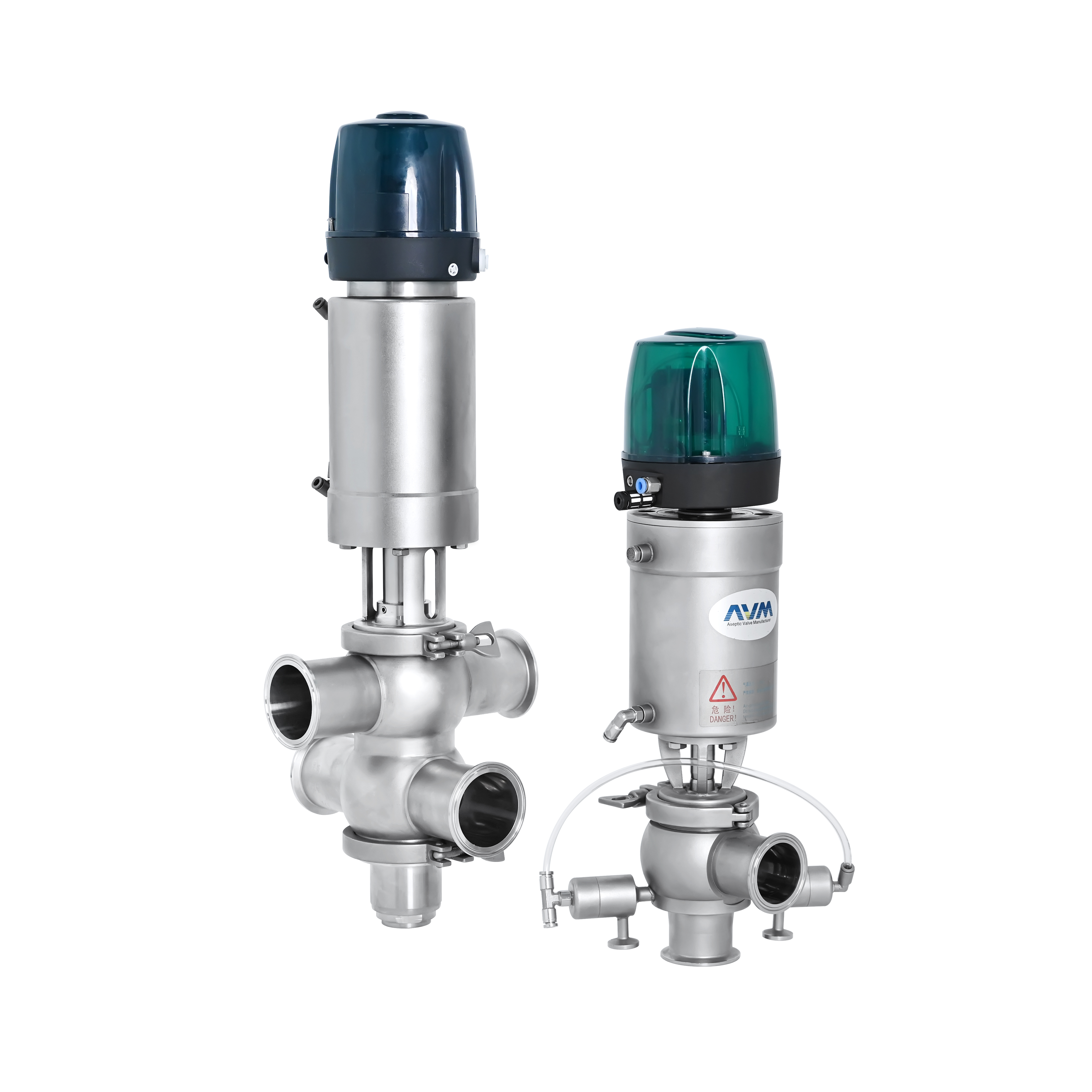
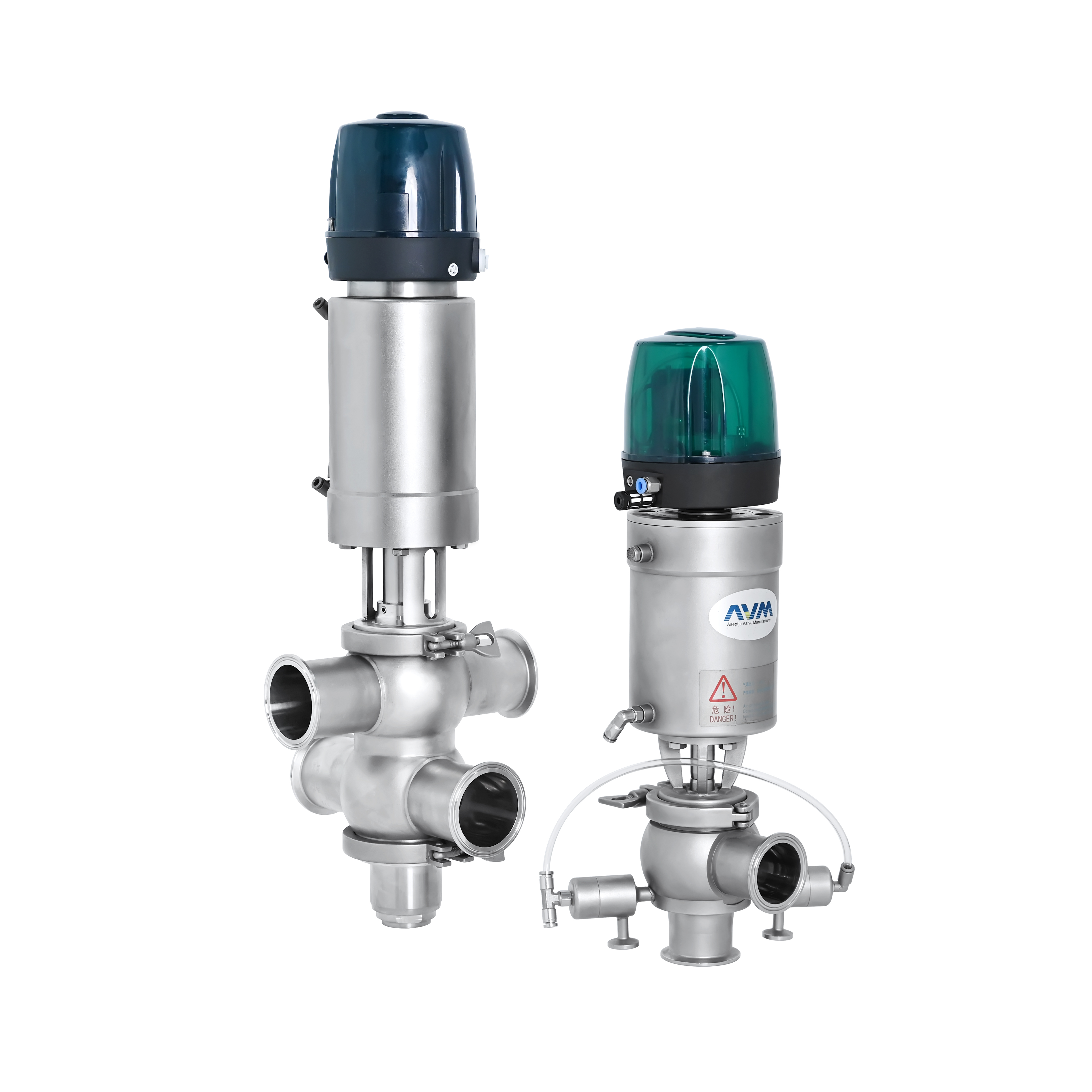
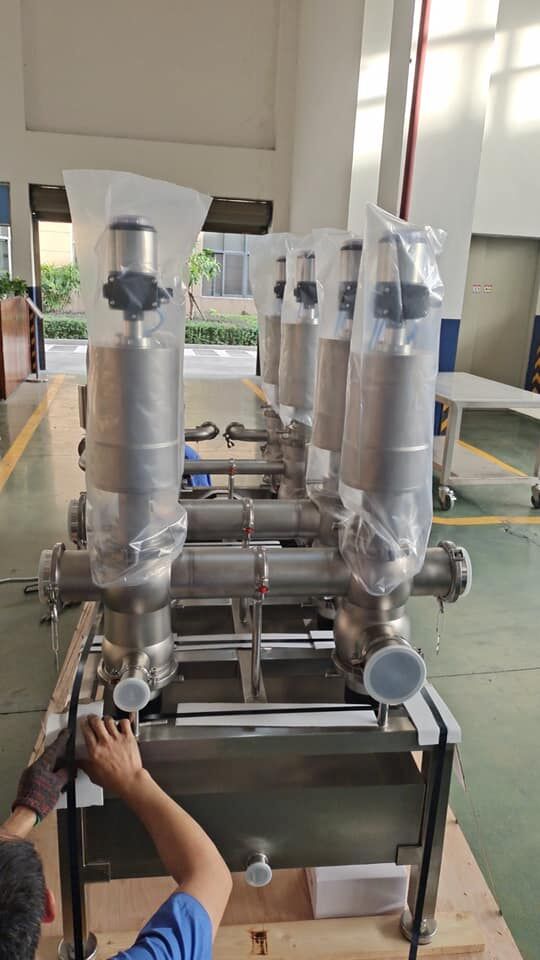
Mixproof Valves are designed to prevent cross-contamination between different fluids during production and processing. These valves are crucial in industries like food and beverage, pharmaceuticals, and biotechnology, where maintaining the purity of materials is critical. With a specialized dual-seal system, Mixproof Valves ensure that different liquids do not mix, even when transferred simultaneously through the same valve. This feature is essential for preventing contamination and ensuring the quality and safety of the final product.
Get A Quote

Why choose us?

Precision Control

Our pneumatic control valves enable precise flow regulation, supporting automation and enhancing the efficiency of industrial processes in sectors like chemicals, pharmaceuticals, and food production.

Customized Solutions

Whether for small-scale production or large-scale applications, we offer customizable sizes and configurations to meet the specific needs of each client.

Reliable Performance

With robust construction and durable designs, our valves and equipment provide reliable and long-term performance in demanding industries such as chemicals and pharmaceuticals.

Related products

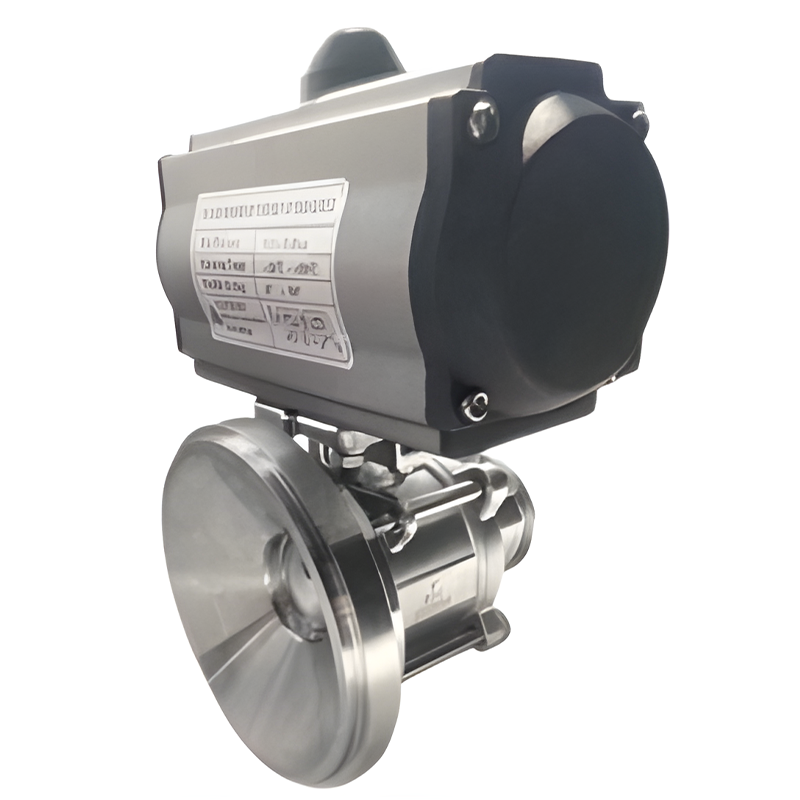
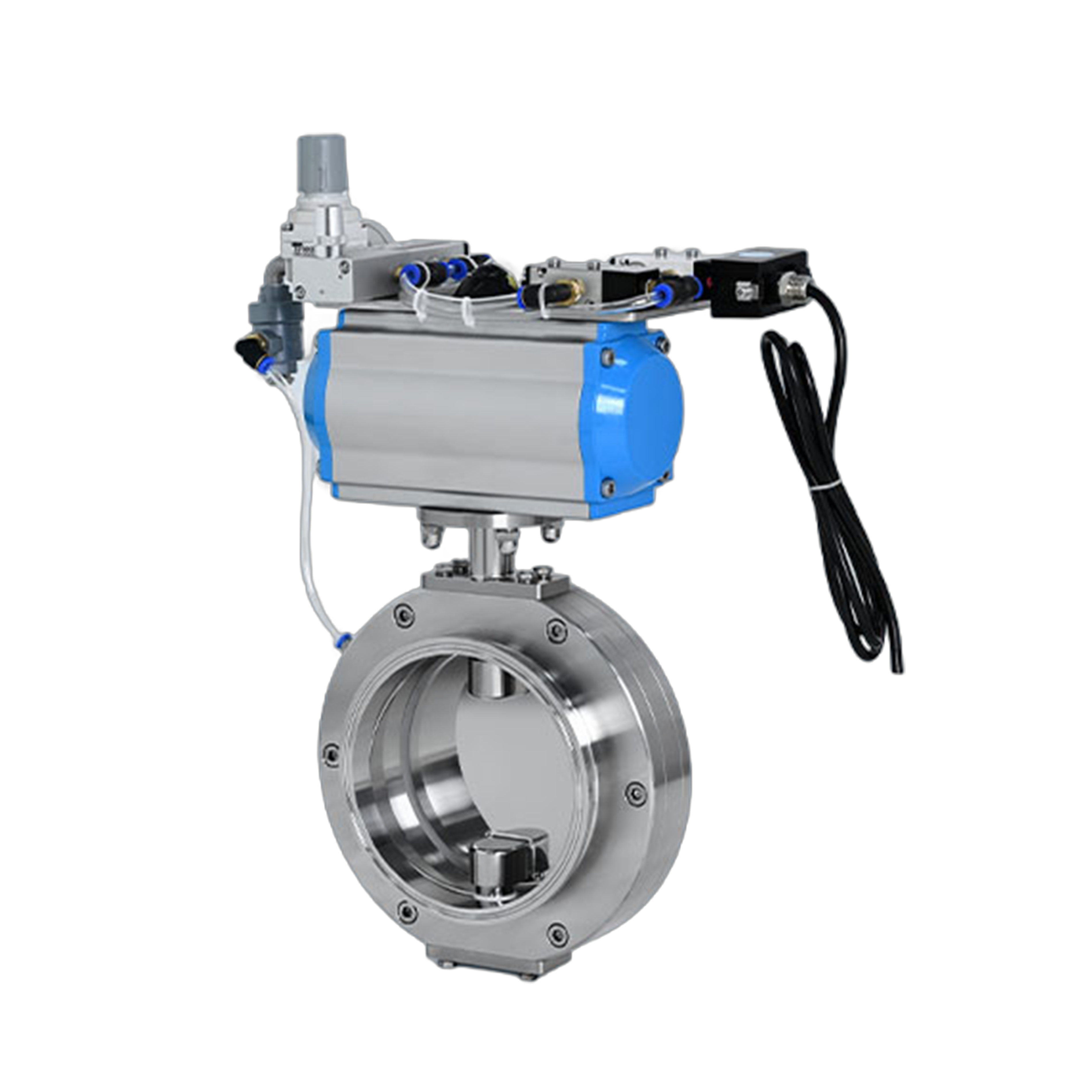
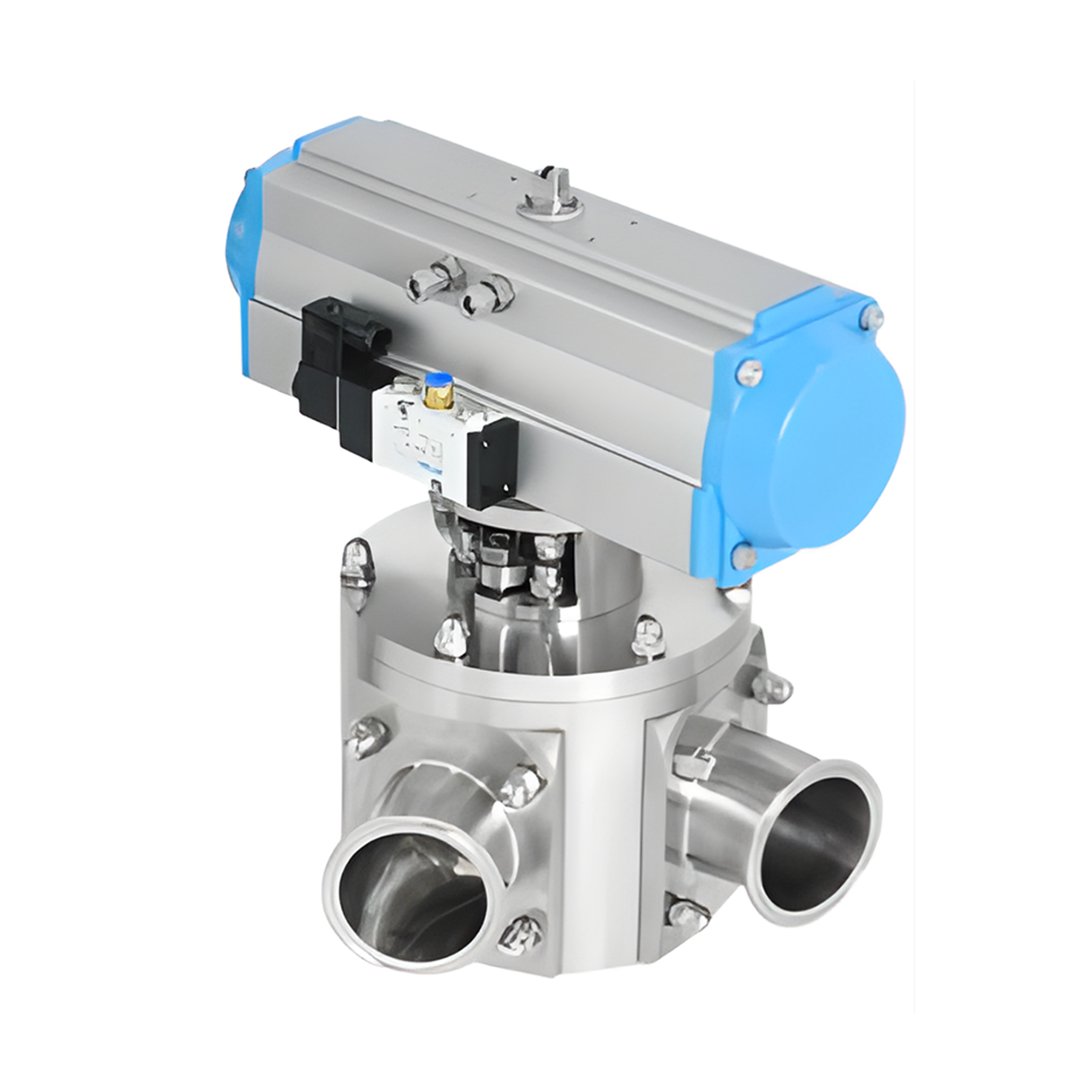
AVM's pneumatic actuated mixproof valves provide rapid response for automated process control in food, pharma, and chemicals. The air-driven actuators enable precise positioning and fail-safe operation during power outages. Available in single-acting (spring-return) or double-acting designs, they support high-cycle applications. Contact us for pneumatic mixproof valve solutions.

Frequently Asked Questions

How does a Pneumatic Control Valve work?

Pneumatic Control Valves use compressed air to actuate the valve, controlling the flow of gases or liquids. Commonly used in industrial automation and chemical processing, they provide precise flow control, require minimal maintenance, and are ideal for hazardous environments.
A Powder Valve controls the flow of powdered materials using dry gases to reduce friction and prevent blockages. It ensures smooth flow by avoiding mechanical shear and can be customized for different scales, from small batches to large-scale production.
Inflatable Seals expand when inflated, forming a tight seal between two surfaces. These are commonly used in industries like food, pharmaceuticals, textiles, and more, to prevent contamination, ensure clean environments, and improve operational efficiency.
Rotary Valves are used to control the flow of powdered materials, providing accurate metering and gas-locking capabilities. They are crucial in industries like food, pharmaceuticals, and chemicals for maintaining flow consistency and preventing material leaks.
Aseptic Transfer ensures materials are transferred between systems without compromising sterility. It is essential in pharmaceutical, biotechnology, and food production to prevent microbial contamination during the transfer of sensitive products.

Related Articles

Inflatable Seal RTP Systems: Enhancing Leak-Proof Performance in Aseptic Environments

19

Jun

Inflatable Seal RTP Systems: Enhancing Leak-Proof Performance in Aseptic Environments

How Inflatable Seal RTP Systems Achieve Sterile Containment Pressure-Activated Sealing Mechanism Explained Inflatable seal system Inflatable seal systems are based on pressure-actuated seal mechanism and employ pressurized air to keep sterile th...
View More
Corrosion-Resistant Diaphragm Valves: Ideal for High-Viscosity Fluids in Food Industry

18

Jun

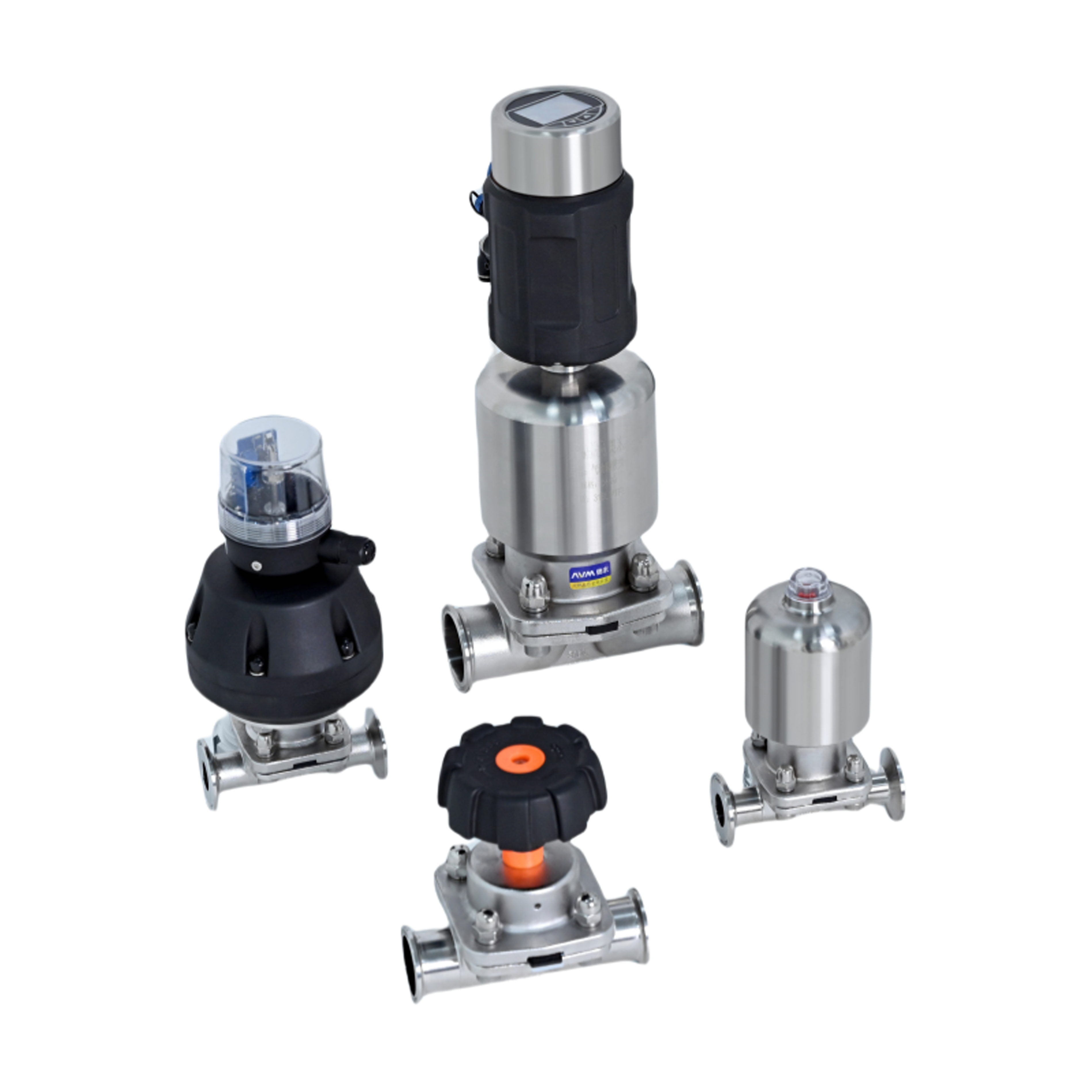
Corrosion-Resistant Diaphragm Valves: Ideal for High-Viscosity Fluids in Food Industry

Understanding Corrosion-Resistant Diaphragm Valve Mechanics Hygienic design in the pharmaceutical industries places particular emphasis on the use of corrosion-resistant diaphragm valves. They work by using a diaphragm as the movable barrier ...
View More
Pneumatic Actuated Mixproof Valves: Enhancing Efficiency in Chemical Processing

18

Jun

Pneumatic Actuated Mixproof Valves: Enhancing Efficiency in Chemical Processing

Mixproof Valve Fundamentals for Chemical Processing Understanding Double Seat Mixproof Valve Design Double seat mixproof valves play a key role in stopping different fluids from getting mixed up in industries that handle several liquid streams at on...
View More
Explosion-Proof Pneumatic Control Valves: Ensuring Safety in Hazardous Environments

17

Jul

Explosion-Proof Pneumatic Control Valves: Ensuring Safety in Hazardous Environments

Basics of Explosive Proof Pneumatic Valves   Core Parts and Functions   Explosion proof pneumatic control valves have three main components: the actuator, the body, and the seat. Each part contributes to keeping these system...
View More

customer evaluation

Emma Davis
Superior Isolation for Food Processing Hygiene

Our juice production line requires strict separation between processing fluids and product streams. These valves' dual-seat design with intermediate seal chambers have eradicated any risk of flavor contamination. The quick-disconnect feature simplifies routine inspections, and the compliance with FDA regulations gives our quality control team peace of mind.

Jennifer Lee
Essential for Aseptic Pharmaceutical Filling

Installed in our parenteral drug filling suite, these valves are critical to maintaining asepsis. The mechanical seal between primary and secondary valves creates a fail-safe barrier during media transfers, and the smooth internal finish prevents particle accumulation. They've become indispensable for our sterile manufacturing compliance.

Get a Free Quote

Our representative will contact you soon.
Email
Mobile/WhatsApp
Name
Company Name
Message
0/1000
Mixproof Valves: Dual-Seat Isolation for Contamination-Free Operations

Mixproof Valves: Dual-Seat Isolation for Contamination-Free Operations

Designed with double seats and intermediate seal chambers, AVM's Mixproof Valves prevent media cross-contamination in food, pharma, and chemical processes. Ideal for CIP systems, they create a sterile barrier between cleaning fluids and production streams. Compliant with GMP, FDA, and 3A standards, their robust construction withstands frequent sanitization, while the dual-closure design ensures safety in high-risk applications.