
High-Quality Sanitary Valves for Pharma & Food Industries | AVM

All Categories
Flexible Flow Control with Divert Valves

Flexible Flow Control with Divert Valves

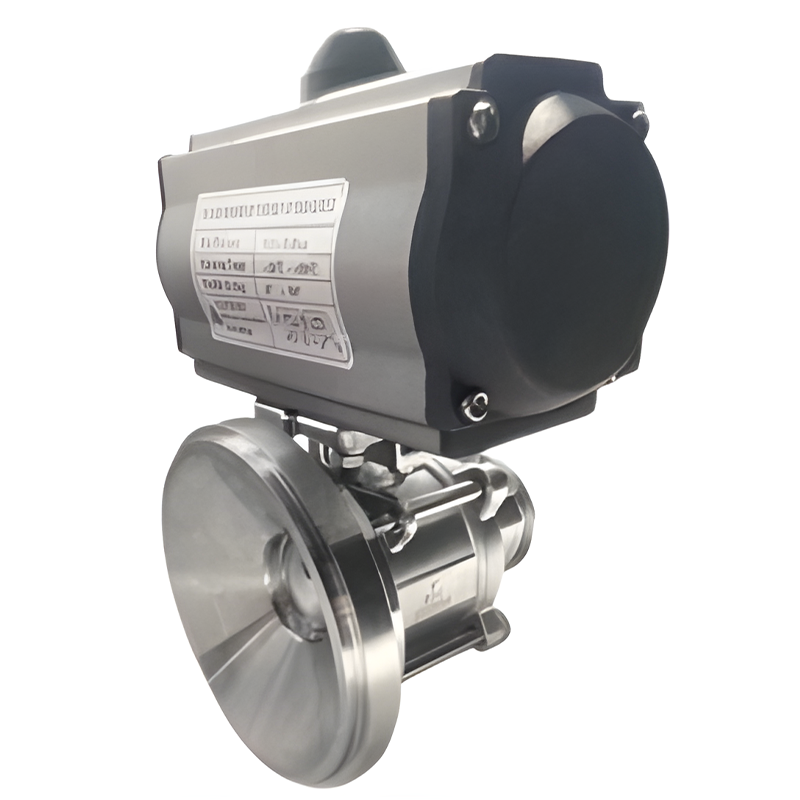
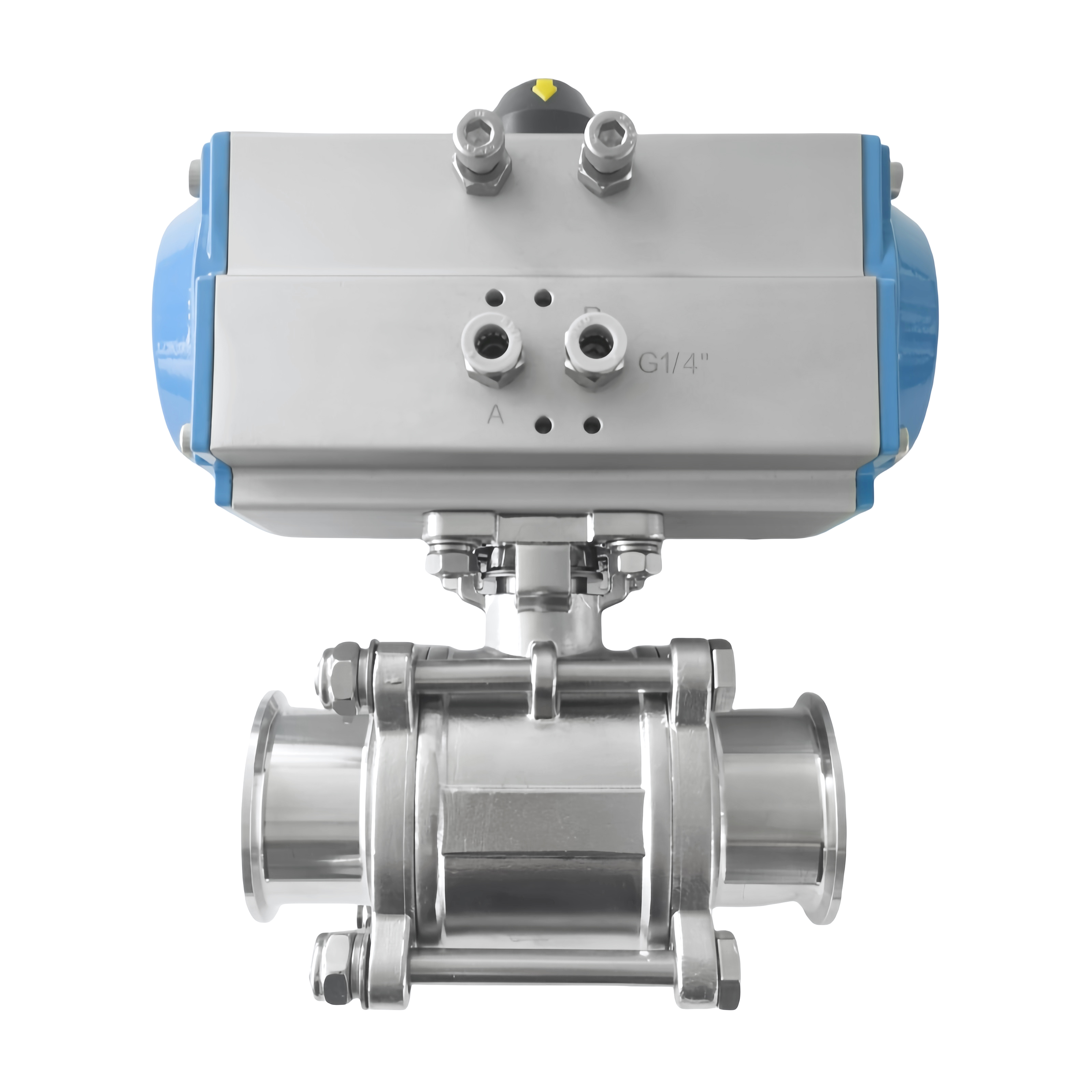
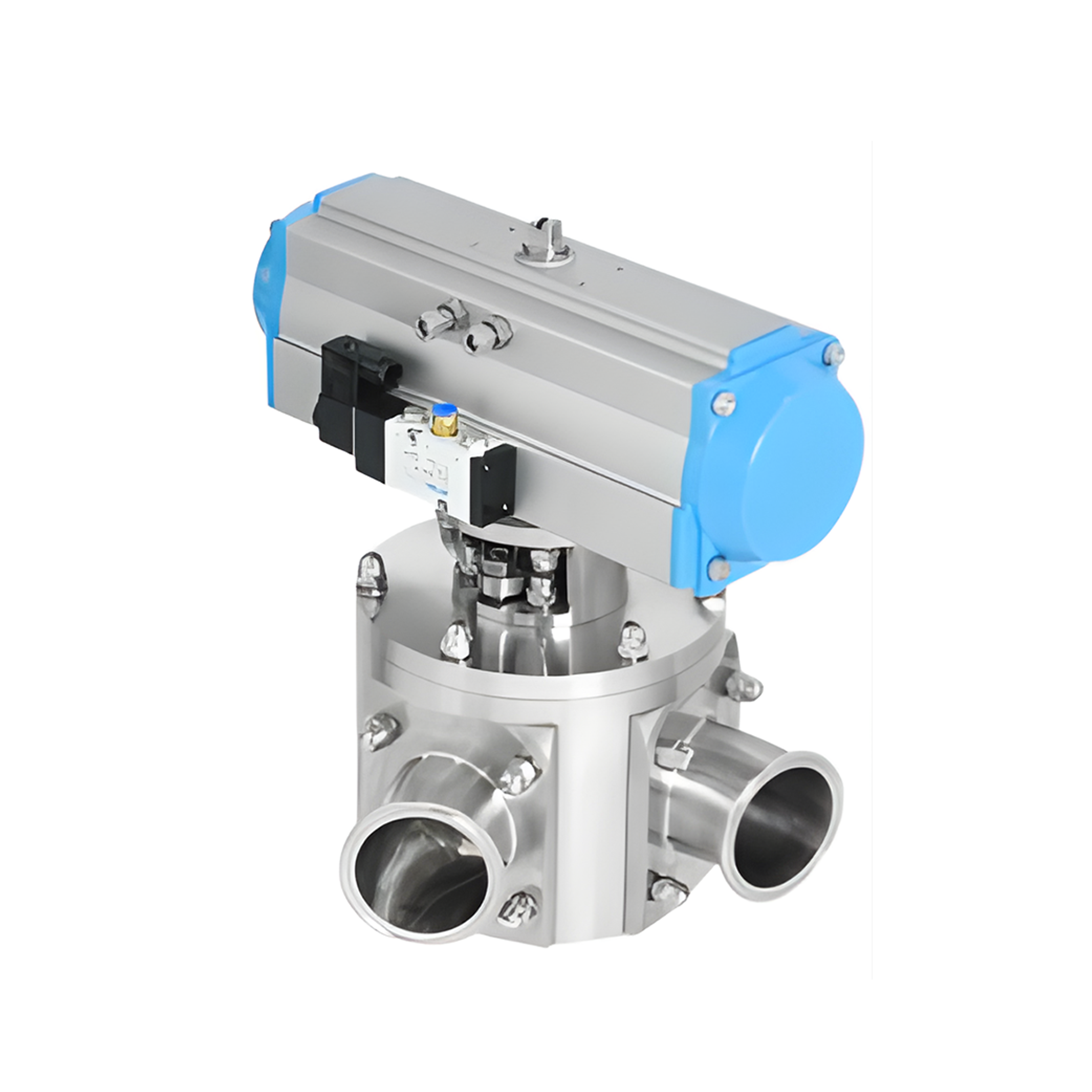
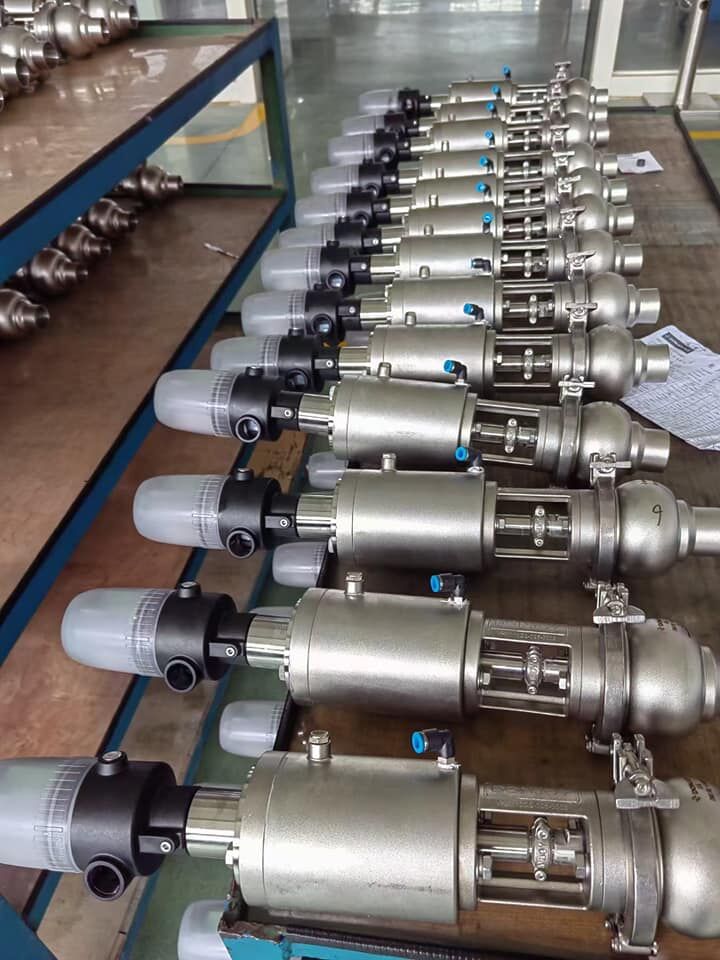
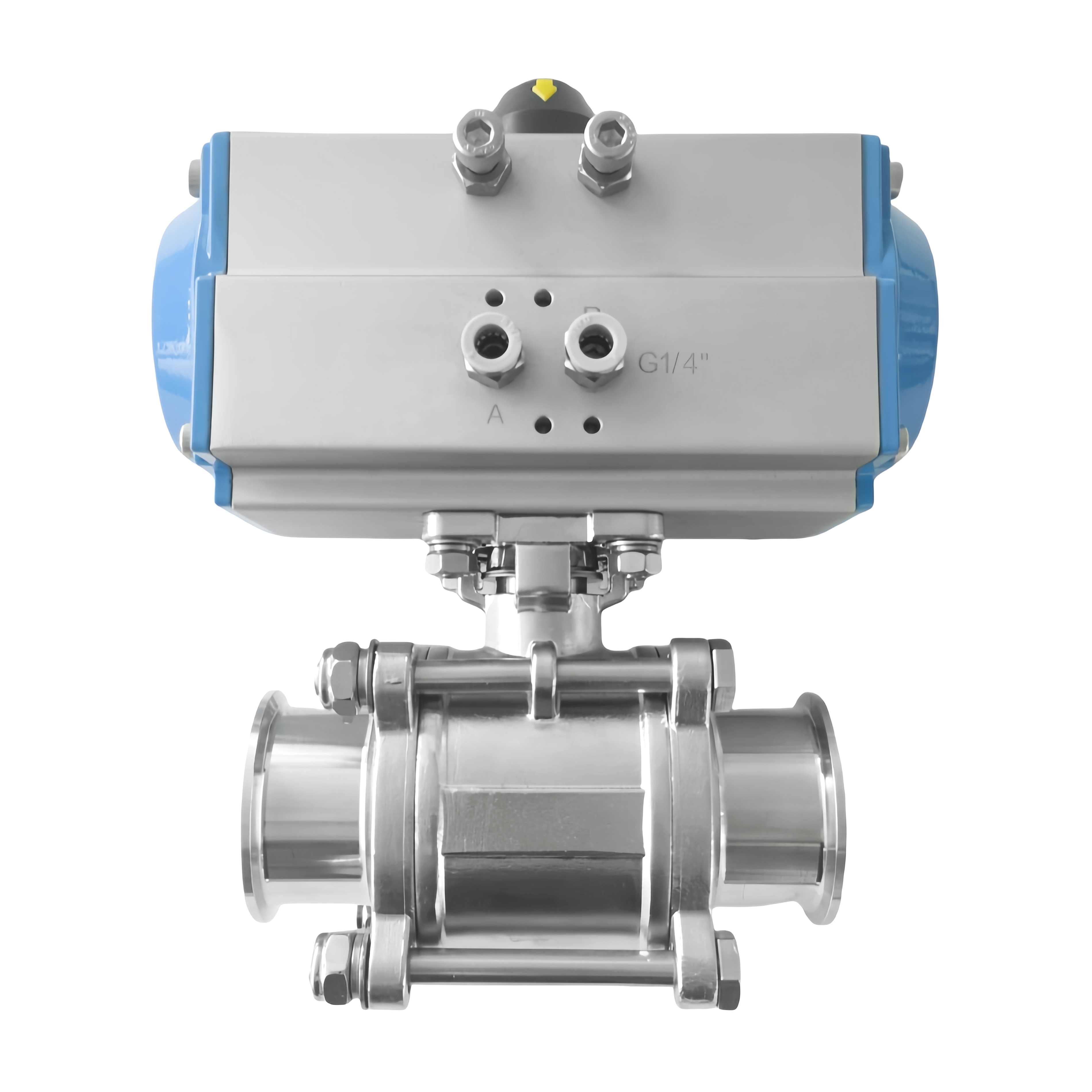
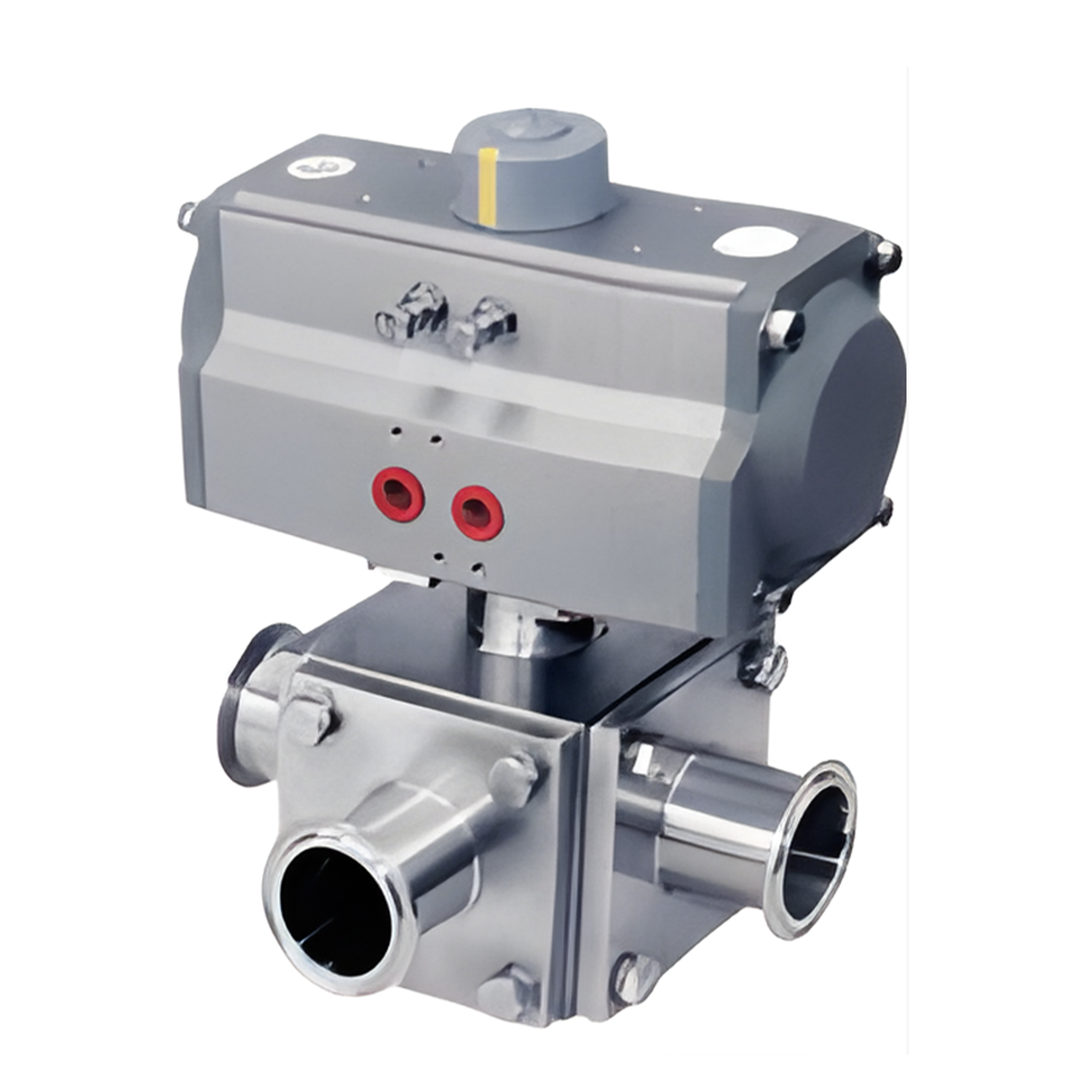
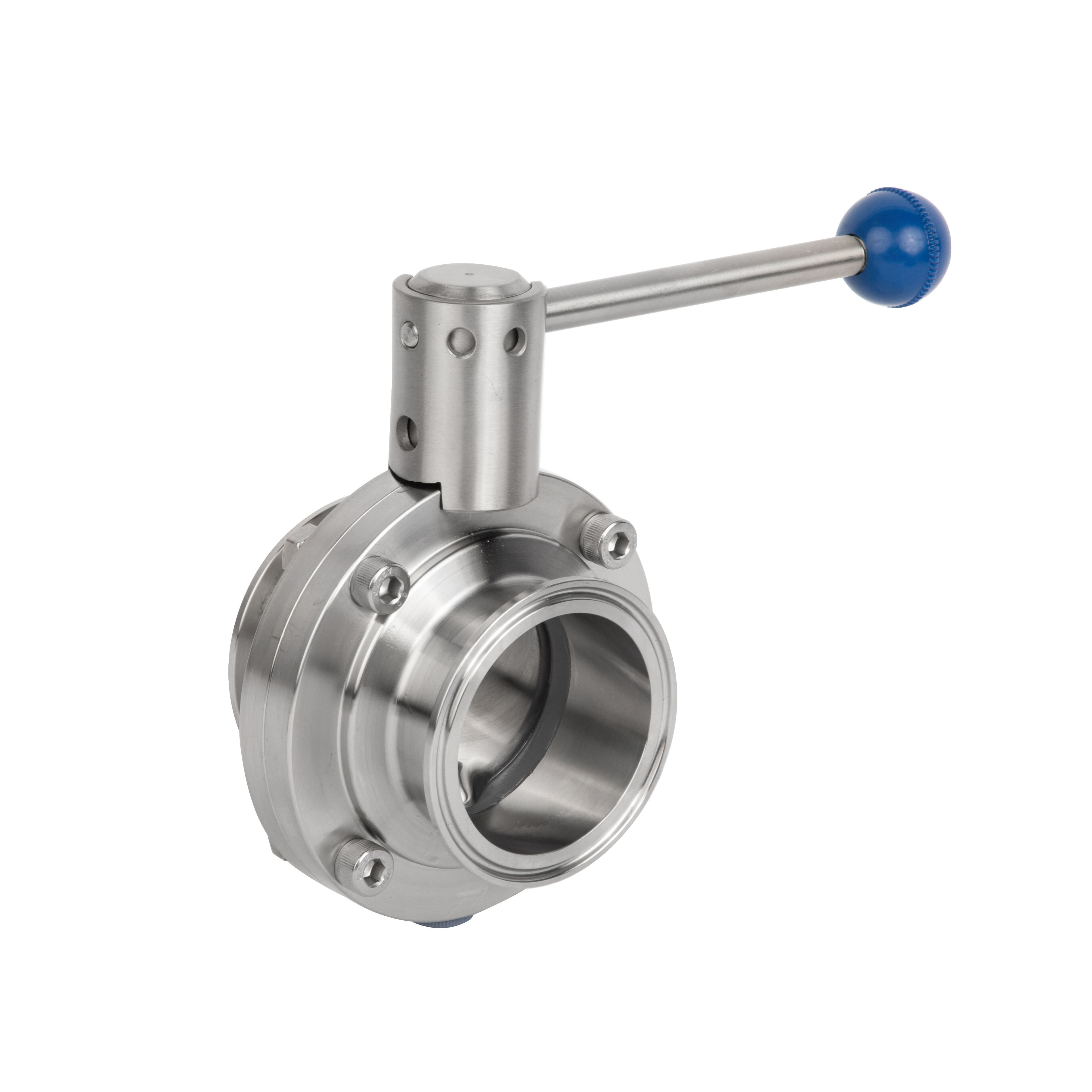
Divert Valves are used to redirect fluid flow from one entry point to multiple exits, allowing for flexible distribution in material handling systems. These valves are commonly used in powder processing, material transportation, and in systems where multiple destinations are needed. Featuring simple yet robust designs, they contribute to enhancing the automation and efficiency of production processes.
Get A Quote

Why choose us?

Innovative Design

Our products, such as the rapid transfer port, feature cutting-edge design, ensuring a seamless integration into high-demand environments where cleanliness and contamination control are crucial.

Advanced Safety Features

With features like a streamlined interlocking system and user-friendly handle design, our products enhance operational safety, reducing physical strain and minimizing contamination risks.

Efficient Sterile Transfer

Our rapid transfer ports are ideal for sterile environments, offering double-door transfer systems that maintain the integrity of isolation and prevent contamination.

Related products

Designed for dairy applications, AVM's sanitary divert valves meet 3A and FDA standards, ideal for milk processing, cheese production, and yogurt lines. The electropolished 316L stainless steel bodies (Ra≤0.8μm) prevent bacterial growth, while tri-clamp connections facilitate CIP/SIP. Engineered with Korean high-precision CNC centers, they ensure hygienic flow switching in dairy facilities. Inquire about our dairy-specific divert valves.

Frequently Asked Questions

What does an AB Valve do?

An AB Valve is used to control the flow direction between two channels. It allows for efficient switching of fluid pathways in automated systems, improving flexibility and control in industrial applications, particularly in production lines and process systems.
Sampling Valves allow for accurate extraction of representative samples from production systems for analysis. They are crucial in maintaining quality control in industries like pharmaceuticals and chemicals, ensuring that the samples accurately reflect the contents of the production line.
A Ball Segment Valve typically has an equal percentage flow characteristic, which provides precise flow control, particularly in systems that require fine-tuned adjustments. It’s especially effective in applications involving abrasive or erosive materials.
Wear resistance is crucial in Ball Segment Valves as they are often used to control abrasive fluids or materials. The valve's design helps minimize wear on the sealing surface, extending its lifespan and maintaining its sealing capability even in harsh operating conditions.
Yes, Segment Ball Valves can handle abrasive materials, but their design needs to account for wear and tear. Some models with V-shaped ball segments are specifically designed to handle abrasive, fibrous, or viscous materials, making them suitable for industries like pulp and paper, or mining.

Related Articles

Inflatable Seal RTP Systems: Enhancing Leak-Proof Performance in Aseptic Environments

19

Jun

Inflatable Seal RTP Systems: Enhancing Leak-Proof Performance in Aseptic Environments

How Inflatable Seal RTP Systems Achieve Sterile Containment Pressure-Activated Sealing Mechanism Explained Inflatable seal system Inflatable seal systems are based on pressure-actuated seal mechanism and employ pressurized air to keep sterile th...
View More
Pneumatic Actuated Mixproof Valves: Enhancing Efficiency in Chemical Processing

18

Jun

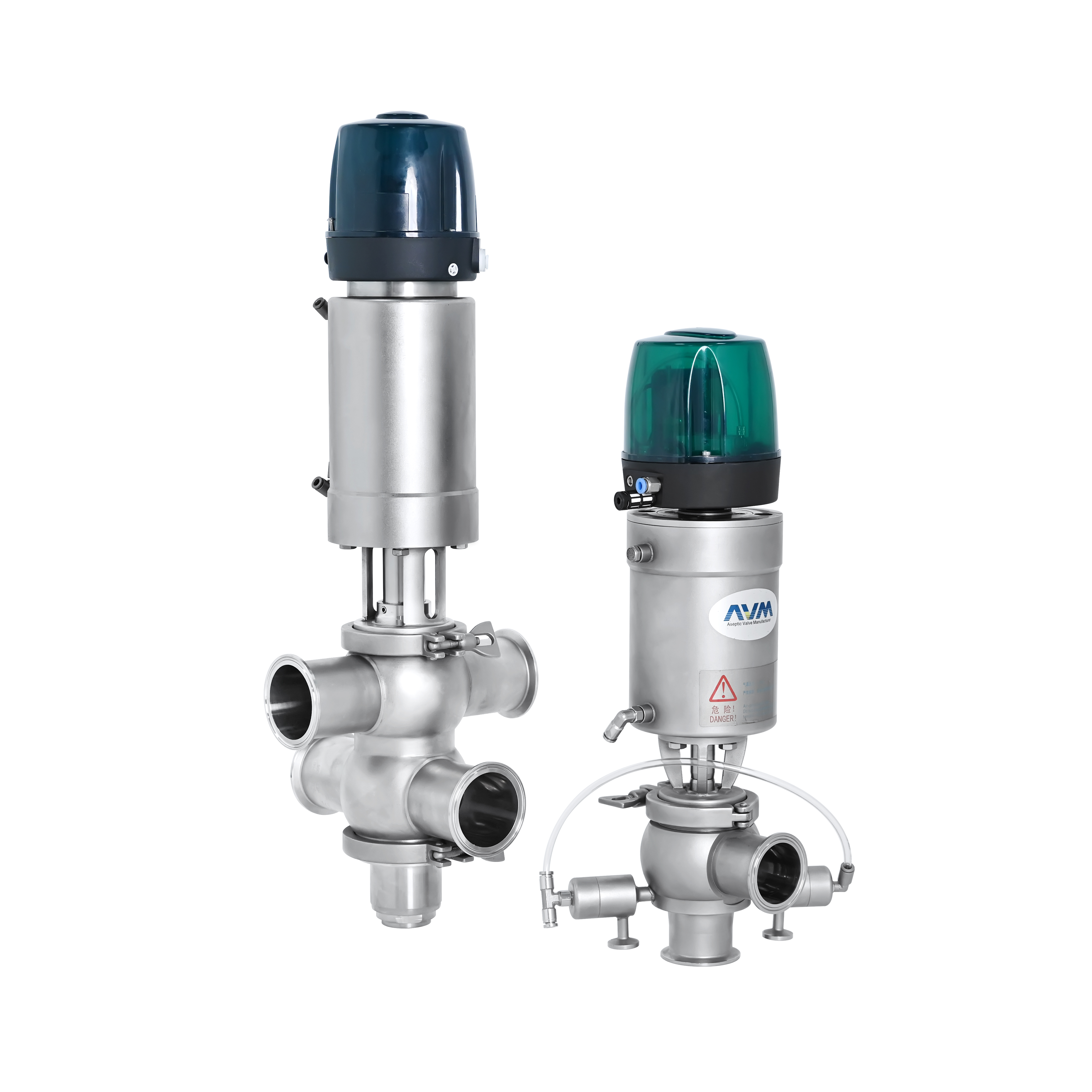
Pneumatic Actuated Mixproof Valves: Enhancing Efficiency in Chemical Processing

Mixproof Valve Fundamentals for Chemical Processing Understanding Double Seat Mixproof Valve Design Double seat mixproof valves play a key role in stopping different fluids from getting mixed up in industries that handle several liquid streams at on...
View More
Explosion-Proof Pneumatic Control Valves: Ensuring Safety in Hazardous Environments

17

Jul

Explosion-Proof Pneumatic Control Valves: Ensuring Safety in Hazardous Environments

Basics of Explosive Proof Pneumatic Valves   Core Parts and Functions   Explosion proof pneumatic control valves have three main components: the actuator, the body, and the seat. Each part contributes to keeping these system...
View More
How to Choose the Right Pneumatic Control Valve for Pharmaceutical Systems

17

Jul

How to Choose the Right Pneumatic Control Valve for Pharmaceutical Systems

Important Features of Pneumatic Control Valves Within the Pharmaceutical Industry   Effective Flow Control of Active Pharmaceutical Ingredients   Getting flow control right matters a lot in pharmaceutical manufacturing acros...
View More

customer evaluation

Maria Garcia
Efficient Flow Switching in Food Production Lines

In our beverage bottling facility, these Y-type valves manage product flow between filtration and packaging lines. The manual override option provides backup during power outages, while the smooth internal finish prevents product buildup. They've been essential for maintaining our high-volume production without downtime.

Lisa Taylor
Robust Flow Control in Wastewater Treatment

Managing effluent flow in our treatment plant, these valves withstand abrasive particles without failure. The resilient seat design provides leak-proof operation, and the heavy-duty construction handles high flow rates. We appreciate the easy maintenance—replaceable seals without disassembling the entire valve.

Get a Free Quote

Our representative will contact you soon.
Email
Mobile/WhatsApp
Name
Company Name
Message
0/1000
Divert Valves: Versatile Flow Redirection for Multi-Line Processes

Divert Valves: Versatile Flow Redirection for Multi-Line Processes

AVM's Divert Valves (T/Y-type) enable rapid flow switching between pipelines in chemical, food, and pharmaceutical industries. Available in manual, pneumatic, or electric actuation, they feature bubble-tight seals and corrosion-resistant stainless steel bodies. The modular design allows easy integration with PLC systems, while polished surfaces meet GMP requirements for hygienic process switching and batch diversion.