
 EN
EN
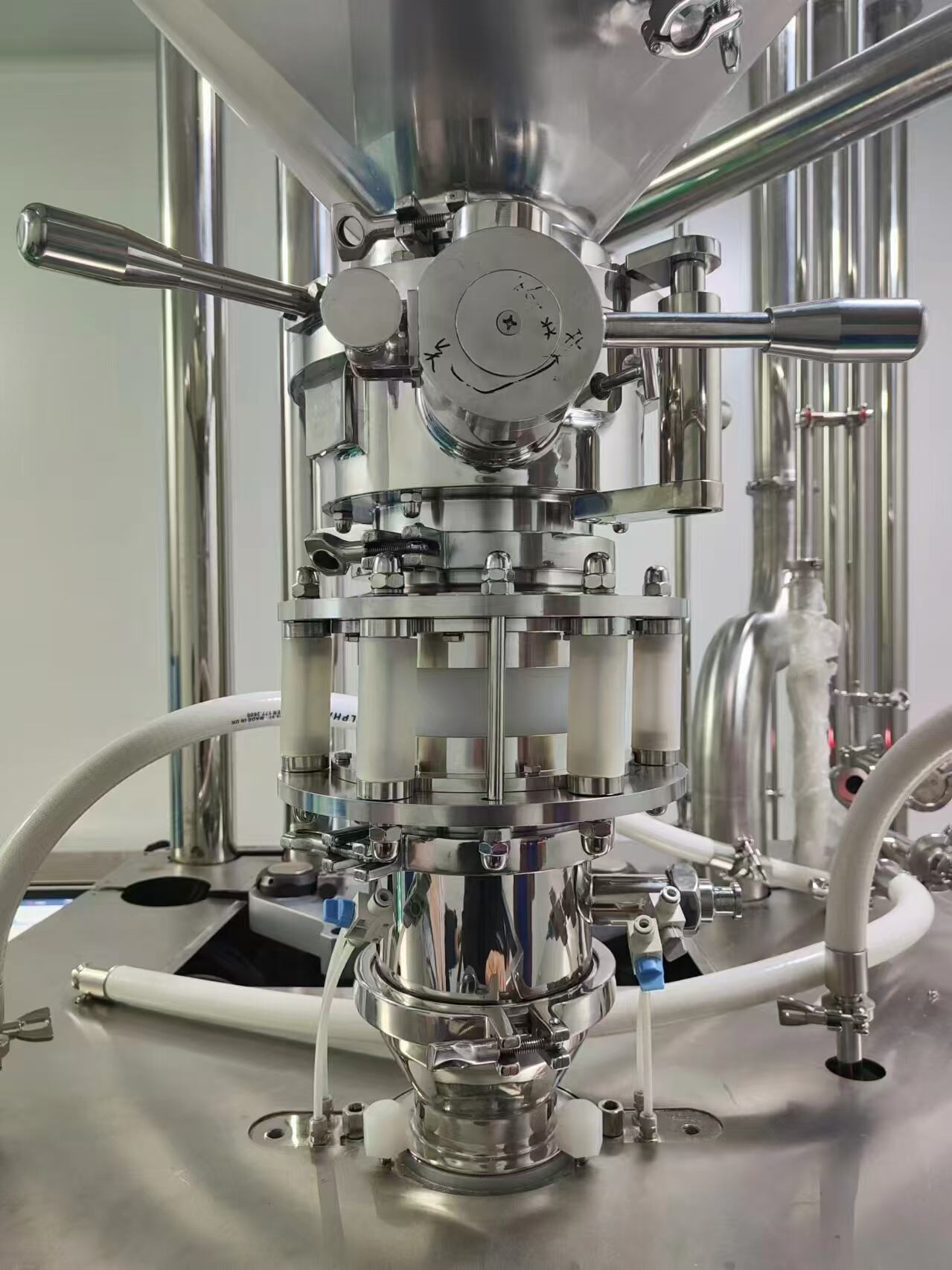
Core Aseptic Transfer Challenges and Their Impact on Sterility Assurance
Human-Induced Contamination in Manual Aseptic Transfer Operations
People still cause most contamination problems when doing manual aseptic transfers. When operators handle vials, put together syringes, or make any kind of intervention, they bring risks into play. Tiny holes in gloves, uneven cleaning practices, and disturbances in air flow all create breaches that can mess up sterility, even inside supposedly pristine cleanroom environments. Long hours on the job lead to tired workers whose techniques suffer over time. This becomes particularly problematic in facilities running at high volume, since more frequent interventions just mean more chances for something to go wrong. The cost of these mistakes adds up fast too. Companies lose batches worth hundreds of thousands of dollars, face regulatory penalties, and worst of all, patients might get harmed. That's why many facilities are turning toward closed system technologies that eliminate direct human contact as part of their contamination control strategy.
Cross-Contamination Risks During Product Changeovers in Shared Systems
When different batches share the same transfer routes, there's a real risk of leftover material sticking around - especially when dealing with powerful drugs or delicate biological products and cell treatments. Equipment with complicated shapes just makes it harder to properly clean everything, and if the cleaning process isn't thorough enough, bits of old stuff stay behind in all sorts of places like pipes, connections points, and isolation chambers. Tiny traces left over from previous manufacturing runs can actually get into new batches when switching between products, which messes up the quality of what comes out at the end. Studies looking at bioreactor systems show that using one-time only flow paths cuts down on contamination problems by about 95 percent versus regular stainless steel setups, according to some research in the PDA Journal of Pharmaceutical Science and Technology. This makes sense for manufacturers wanting better control over their production processes.
Root Causes: Facility, Process, and Human Factors in Aseptic Transfer Failures
Design Gaps in Equipment and Transfer Pathways Enabling Microbial Intrusion
When transfer points and equipment interfaces aren't properly designed, they can become breeding grounds for contamination problems that nobody sees coming. We've seen several recurring issues in practice: valves that don't flush completely leave behind residue, flanges that aren't sealed tight enough let contaminants slip through, and those complicated tubing arrangements where biofilms love to form. Things get even worse when combining stainless steel equipment with single-use parts during system upgrades. Many older facilities still have dead legs longer than 1.5 times the pipe diameter (we're talking about 30% of existing systems), which means fluids just sit there stagnant and pathogens multiply unchecked. Our thermal mapping work shows something else too: temperature differences at connection points regularly lead to condensation buildup, which basically breaks down the sterile environment we're trying to maintain. Most retrofit projects miss these fundamental design problems entirely, forcing operators back into manual processes that actually increase the chance of contamination happening in the first place.
FDA 483 Trends: Human Error Patterns in Aseptic Transfer Validation and Execution
FDA inspection reports consistently identify human factors as the leading cause of aseptic transfer failures. Analysis of 2023–2024 Form 483 observations reveals three recurring error patterns:
- Procedural deviations during sampling: 62% involved incorrect air purge techniques when collecting post-transfer environmental or product samples
- Validation protocol shortcuts: Incomplete documentation in media fill simulations–especially failure to replicate worst-case transfer angles or durations
- Training-system deficiencies: Inconsistent competency verification for pre-use/post-use integrity testing (PUPSIT) execution
Improper torque application during hose connections accounted for 38% of human-related deviations–the most frequent mechanical failure. Deviation rates increase 300% when manual transfers exceed 45 minutes, underscoring the need for error-proofing strategies such as automated torque indicators and real-time procedure adherence monitoring.
Single-Use Technologies That Enable Robust Aseptic Transfer
Aseptic Connectors and Sterile Welding: Validated Solutions for Closed-System Transfer
Single use tech (SUTs) is changing how we handle aseptic transfers with those gamma irradiated parts that come already sterilized. These components cut down on all the hassle of cleaning validations and stop cross contamination when switching batches. The newer stuff like aseptic connectors and sterile welding creates completely sealed paths for fluids, no human touch needed anymore. Stainless steel setups used to be standard but they had issues with microbes getting in. Take rapid transfer ports as just one case study. They can move materials in less than 15 seconds while keeping everything at ISO 5 standards, which matters a lot for sensitive biological products. Some big research done last year looked at 17 different sites and found almost a full 98% drop in microbial problems with these new methods. Sterility failures went from about 0.18% down to barely 0.003% per batch. The market for single use tech keeps expanding fast too, around 32% each year according to Grand View Research. Why? Because changeovers happen much quicker now, cutting setup times by 80%. Plus, those welded connections mean no more worrying about seals failing due to human error. And financially it adds up too. Facilities save roughly $740,000 every year on validation costs and downtime losses based on Ponemon Institute findings from 2023.
Automation and Closed-System Integration as the Future of Aseptic Transfer
Biopharma companies are moving fast toward automation and closed systems because manual aseptic transfers just can't keep up with modern demands anymore. The latest robotics combined with those gloveless isolators that have SIP capabilities cut down contamination risks to almost nothing in properly validated processes, plus they speed things up significantly. Most new fill finish facilities these days are going with gloveless isolators too. These setups save around 40% on HVAC costs compared to old school cleanrooms and maintain good sterility assurance levels throughout steps like lyophilization and capping without needing any hands-on work. There are smart sensors everywhere now monitoring pressure changes, temperature shifts, and checking seals during product transfers. This lets operators jump in early when something starts to go wrong instead of waiting for problems to happen. When we look at all these technologies working together - automation, constant monitoring, and those single use systems - it's clear why they tackle exactly what the FDA 483 reports point out as common human errors. With Pharma 4.0 still evolving, this kind of fully integrated closed processing seems destined to become standard practice across the board. It removes those tricky transition points where contamination might sneak in and makes scaling up from small batch testing to full production much smoother while keeping everything compliant with regulations.
FAQ
What is aseptic transfer?
Aseptic transfer involves moving sterilized materials or products within a pharmaceutical or biotechnological manufacturing setting avoiding contamination.
Why is human-induced contamination a challenge in aseptic transfer?
Manual interventions can introduce risks such as glove perforations, improper aseptic techniques, and breaches in controlled air environments.
What is single-use technology?
Single-use technology refers to pre-sterilized components used once and then discarded, reducing cleaning validation needs and cross-contamination risks.
How does automation benefit aseptic transfer?
Automation reduces human error and optimizes processes by implementing robotics and closed systems, ensuring better sterility and compliance with regulations.