
 EN
EN
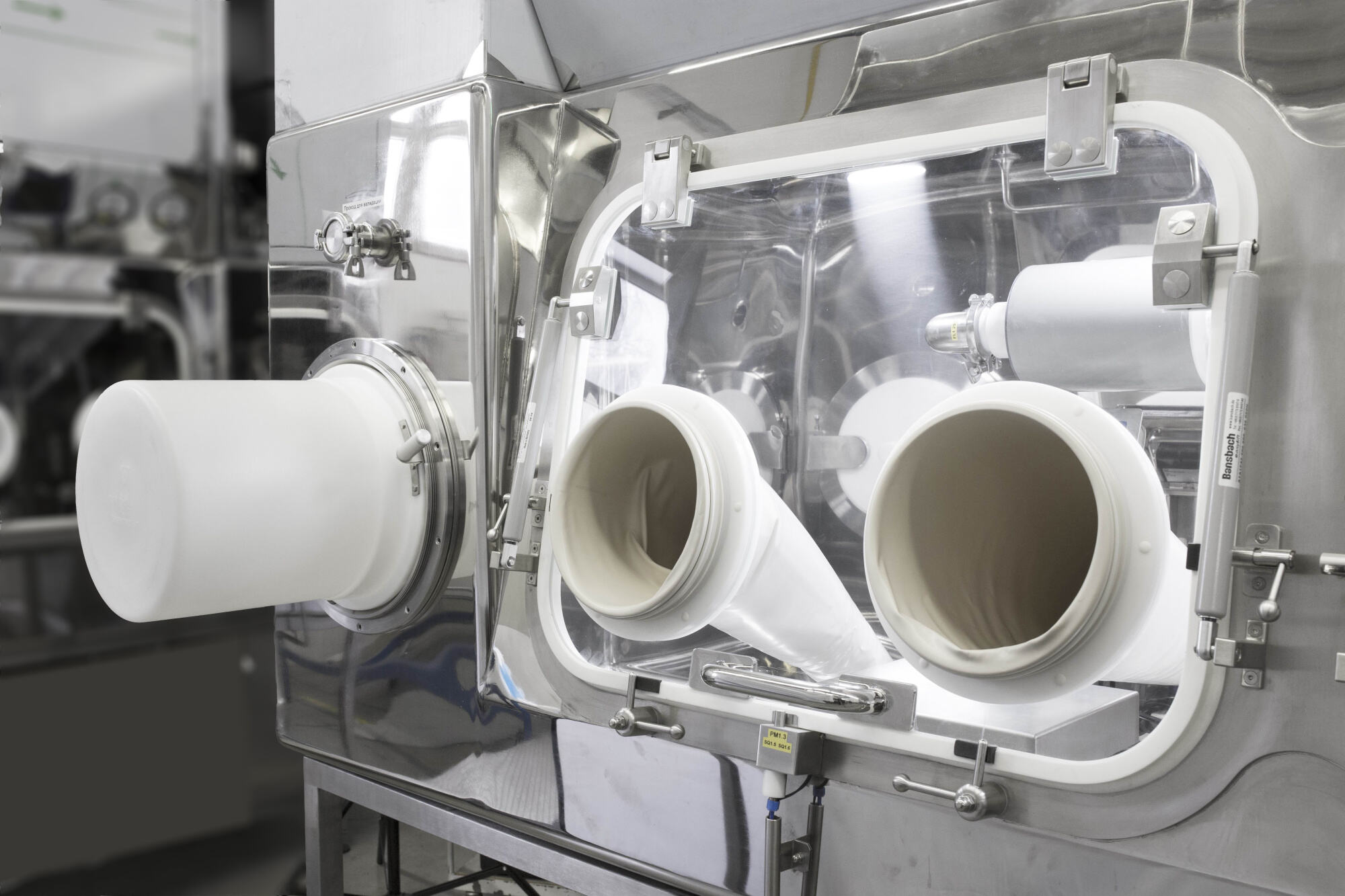
Sterility Assurance: How Rapid Transfer Ports Enable True Sterility-by-Design
Eliminating Human and Environmental Contamination Pathways via Double-Door Interlock
People still cause most problems in sterile processing areas, with around 73% of all aseptic failures traced back to human activity according to recent FDA audits from 2020 to 2023. Rapid transfer ports help fix this issue thanks to their special alpha-beta double door system that acts like a wall between spaces. When one door is open, the other stays locked tight, which stops things getting mixed up between clean zones and regular areas. This setup tackles several major sources of contamination at once. For starters, it blocks dust particles floating in from staff members. Then there's the stuff transferred on gloves and lab coats that can carry microbes across boundaries. Lastly, materials moving between sections won't spread contaminants either since everything stays properly contained throughout the process.
Automated sequencing enforces the interlock, and when integrated with vaporized hydrogen peroxide (VHP) decontamination cycles between transfers, facilities report 95% fewer environmental monitoring alerts tied to material handling. This closed-transfer approach meets Annex 1's requirement for minimizing human involvement and maintaining unidirectional airflow integrity.
Validation Evidence: Helium Leak Testing Confirms <0.1 CFU/1000 L Airflow Integrity (ISO 14644-3)
Performance validation confirms rapid transfer port reliability using helium leak testing per ISO 14644-3 (2019)—the gold-standard method for quantifying seal integrity. The protocol involves injecting tracer gas at 4.0 Pa pressure differentials and scanning flange interfaces with mass spectrometers to assess microbial ingress potential.
Systems that have been validated typically maintain leakage rates below 0.1 colony forming units (CFU) for every 1000 liters of air moving through them, which actually goes beyond what's required by ISO Class 5 standards for clean air. Independent testing has found that when ports are kept in good condition, they offer sterility assurance levels around 10 to the power of negative 6. That basically means there would be less than one living microbe surviving out of a million times the system is used. The data collected from these tests gives solid documentation that manufacturers can present during audits, helping them meet all the necessary regulations for sterile production processes.
Risk Reduction: Quantifying Contamination Control Gains with Rapid Transfer Ports
FDA Data Insight: Reducing Human Intervention—The #1 Cause of Aseptic Failures (2020–2023)
The FDA has found that most problems in aseptic processes come from people doing things wrong, actually accounting for more than 85% of all breaches. Looking at data between 2020 and 2023 shows something interesting: when companies started using these rapid transfer ports, they cut down on manual transfers by around 72%. And guess what? There was also a big drop in those pesky particulate contamination issues mentioned in Form 483 reports from inspectors, down about 68%. What makes RTPs so effective? They replace old methods like glove ports and sampling hatches which have been known trouble spots for years because operators tend to introduce contaminants through them. With RTPs, we're moving away from relying solely on following procedures correctly towards systems that just work better by design.
Real-World Impact: 92% Drop in Media Fill Failures After RTP Integration in Class A Isolators (PDA TR78, 2022)
When one international CDMO swapped out manual transfers for RTP technology in their 17 Class A isolators, they saw media fill failures drop dramatically from 5.2% down to just 0.4% over about eight months, which represents nearly a 92% improvement according to industry standards. The PDA Technical Report number 78 published back in 2022 explains why this happened so effectively. Basically, there were three main factors at play here. First, they eliminated those pesky transfer sleeve manipulation errors that used to plague operations. Second, they got rid of all those annoying dynamic airflow issues that occurred when materials were being exchanged. And third, they implemented automatic surface cleaning between each cycle. What we're seeing now isn't just better results, but actually a fundamental change in approach. Instead of constantly fixing problems after they occur with contamination events, facilities are starting to build preventive measures right into their designs from day one.
Operational Efficiency: Accelerating Batch Turnaround Through Rapid Transfer Port Integration
Time Savings: 68% of Biopharma Facilities Achieve ¥30% Faster Batch Turnaround (BioPhorum, 2023)
Rapid transfer ports accelerate batch turnaround by replacing time-intensive, operator-dependent decontamination protocols with a standardized, closed mechanical interface validated to ISO 14644-3. BioPhorum's 2023 benchmarking study found 68% of biopharma facilities achieved ¥30% faster batch turnover after RTP integration—driven primarily by elimination of airlock decontamination cycles and reduced operator intervention.
| Transfer Step | Traditional Method | RTP System |
|---|---|---|
| Material Loading | 15–20 min (including decontamination) | <90 seconds |
| Airlock Decontamination | Required between transfers | Eliminated |
| Operator Intervention | High (manual handling) | None (closed transfer) |
Process Synchronization: Matching <90-Second RTP Cycles with Single-Use Bag Swaps and Pre-Sterilized Loading
Today's RTP systems can finish entire transfer cycles within just 90 seconds or so, which makes them work really well with single use tech like those pre sterilized connectors and those disposable bags we swap out. When everything lines up properly, it creates this continuous workflow that cuts down on waiting periods between different processing stages by about three quarters according to recent studies on isolator performance. The long waits used to happen because validation took forever, but now those bottlenecks are almost gone. And here's what's important nobody loses sterility during these faster transfers. The whole system stays sealed tight at ISO Class 5 standards throughout the whole operation, making it possible for isolators to connect smoothly with whatever comes next in the filling line process.
FAQ
What are rapid transfer ports (RTPs)?
Rapid transfer ports are systems that facilitate materials transfer between contaminated and sterile environments without human intervention, minimizing contamination risks.
How do RTPs enhance sterility in manufacturing processes?
RTPs use a double-door interlock system to prevent the mixing of clean and regular areas, blocking entry points for dust, microbes, and other contaminants.
What validation method is used to confirm RTP effectiveness?
Helium leak testing in accordance with ISO 14644-3 is used to validate the reliability of RTPs, ensuring they maintain low microbial ingress and sterility assurance.
How do RTPs impact batch turnaround times?
By eliminating lengthy decontamination procedures and minimizing human involvement, RTPs can reduce batch processing time by up to 30%.