
Industrial Valves for Sanitary & Hazardous Material Handling | AVM

All Categories
Rapid Transfer Port for Safe, Efficient Sterile Material Transfer in Sensitive Environments

Rapid Transfer Port for Safe, Efficient Sterile Material Transfer in Sensitive Environments

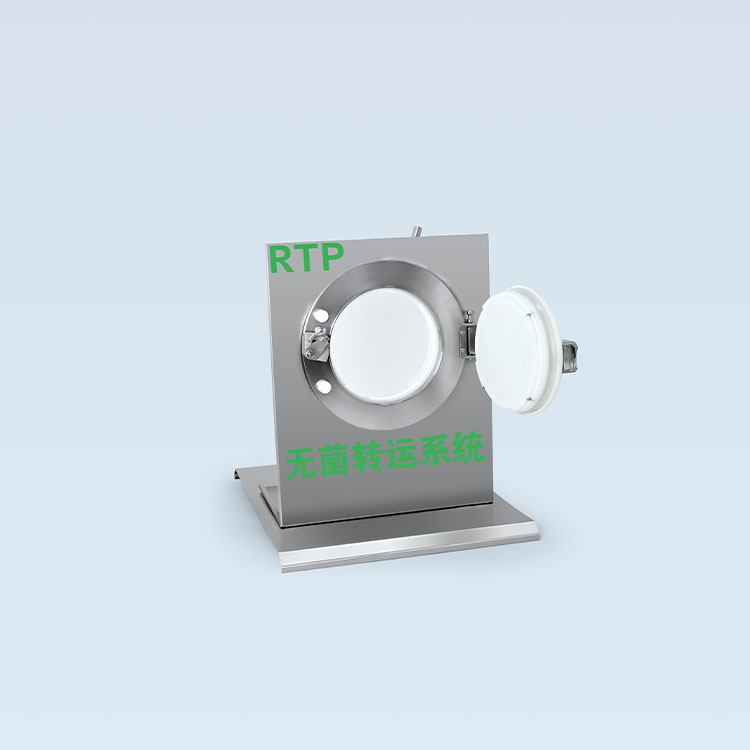
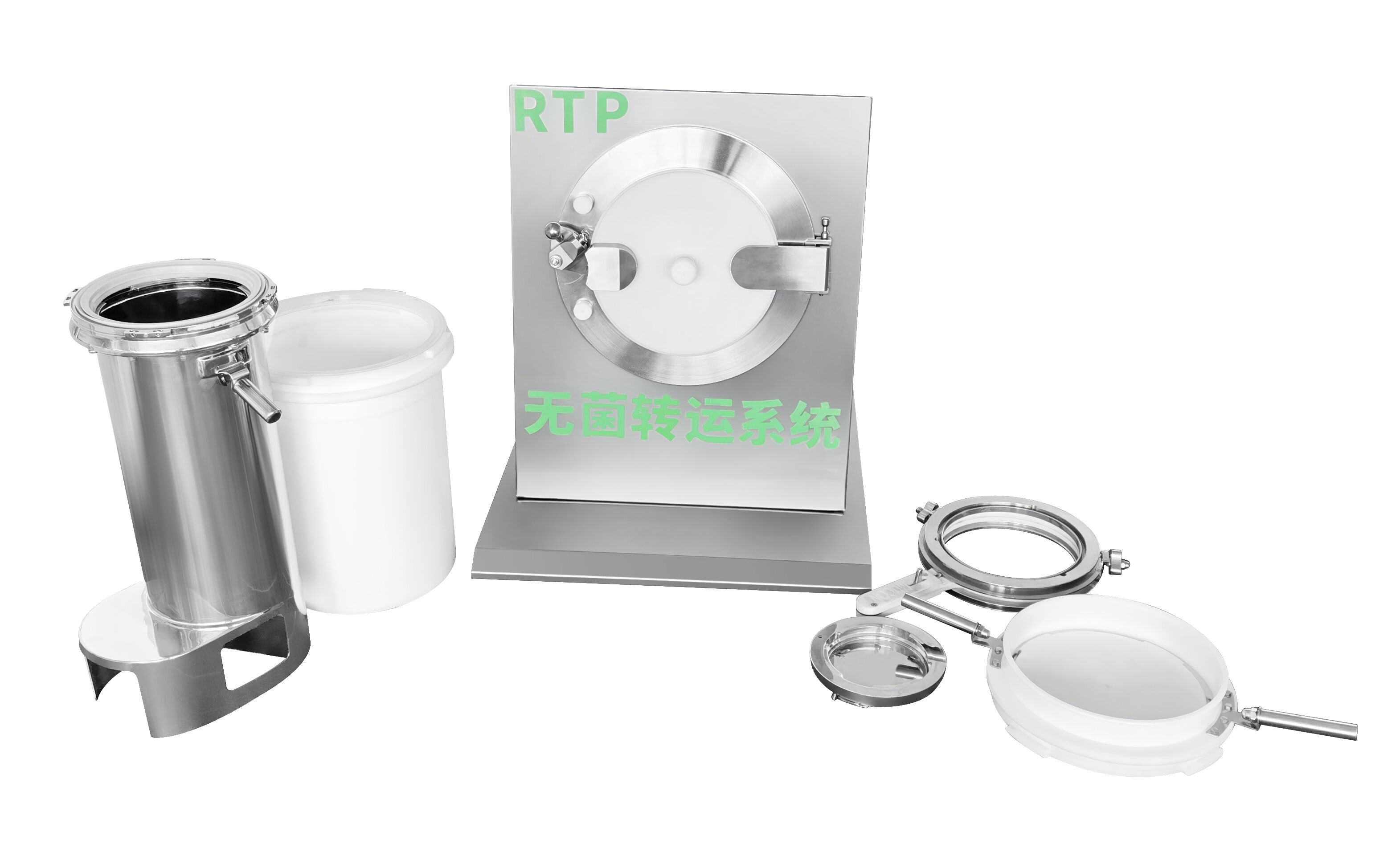
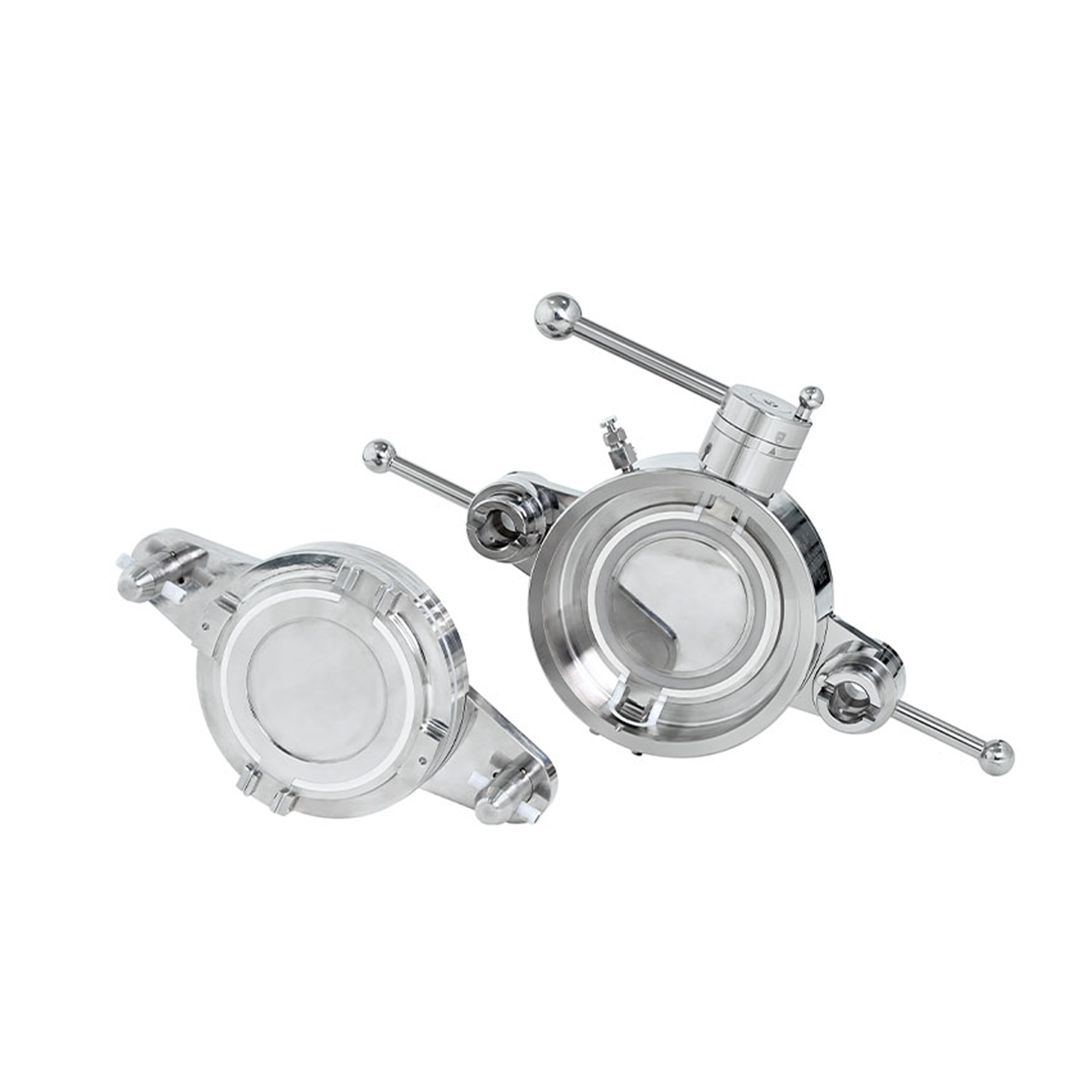
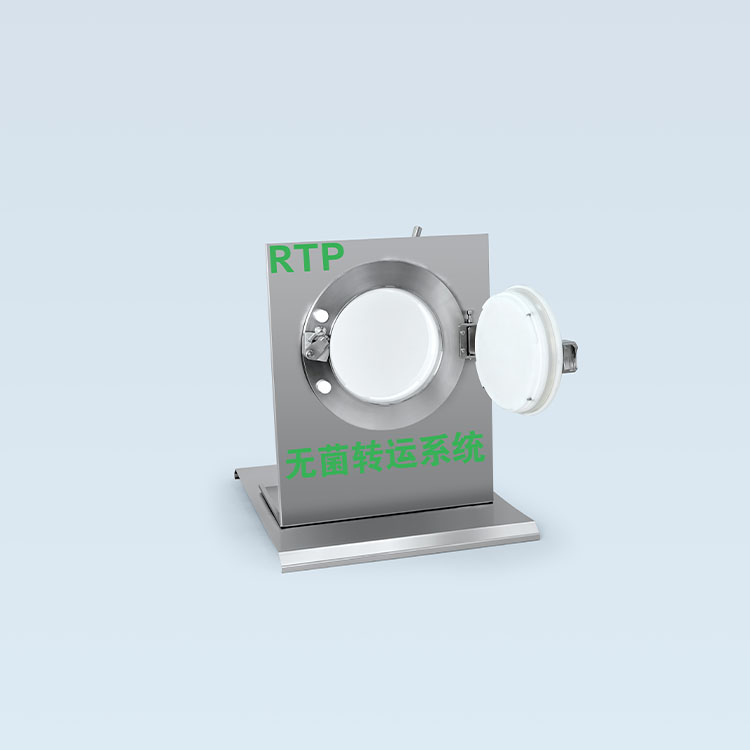
Our Rapid Transfer Port is designed for high-efficiency, secure material transfer in critical environments, particularly where cleanliness is paramount, such as life sciences. It utilizes a double-door transfer system, ensuring no breach in sterile or toxic environments. The design includes an innovative handle that breaks the Beta container seal with minimal effort, reducing operator strain and improving safety. This port is ideal for industries that require rigorous sterility and safety protocols, such as pharmaceuticals and biotechnology.
Get A Quote

Why choose us?

Advanced Safety Features

With features like a streamlined interlocking system and user-friendly handle design, our products enhance operational safety, reducing physical strain and minimizing contamination risks.

High-Quality Materials

We use high-quality materials such as stainless steel, brass, and ductile iron, ensuring durability and long-lasting performance even in challenging industrial settings.

Efficient Sterile Transfer

Our rapid transfer ports are ideal for sterile environments, offering double-door transfer systems that maintain the integrity of isolation and prevent contamination.

Related products

For vaccine production, AVM's rapid transfer ports (RTP) feature dual mechanical seals and aseptic barrier technology, critical for handling viral vectors and adjuvants. Compliant with WHO and PDA guidelines, the 316L stainless steel construction prevents cross-contamination during formulation and filling, with materials traceable to GMP standards.

Frequently Asked Questions

How does a Pneumatic Control Valve work?

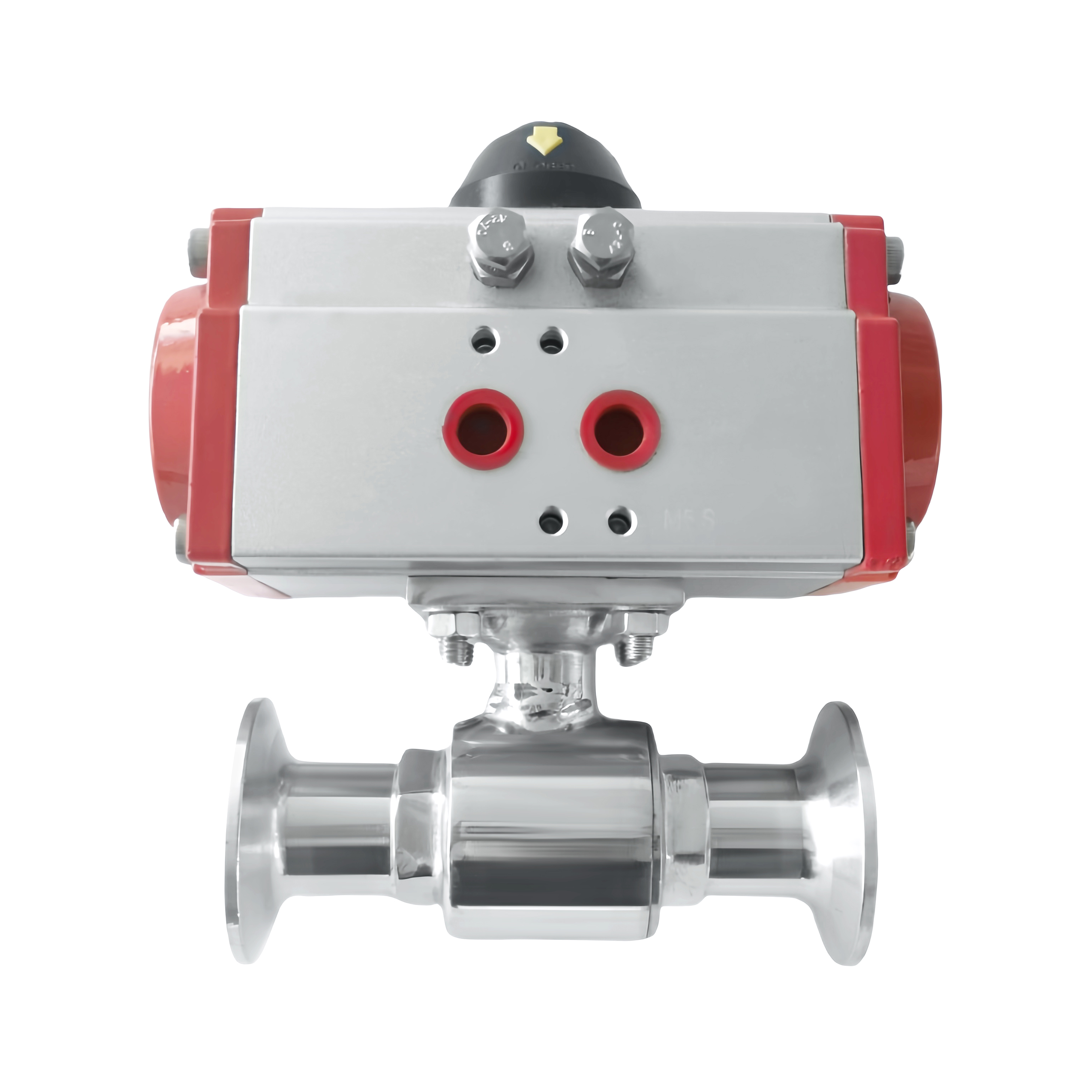
Pneumatic Control Valves use compressed air to actuate the valve, controlling the flow of gases or liquids. Commonly used in industrial automation and chemical processing, they provide precise flow control, require minimal maintenance, and are ideal for hazardous environments.
Inflatable Seals expand when inflated, forming a tight seal between two surfaces. These are commonly used in industries like food, pharmaceuticals, textiles, and more, to prevent contamination, ensure clean environments, and improve operational efficiency.
A Ball Segment Valve uses an elliptical design to ensure better wear resistance, making it ideal for abrasive materials. A Segment Ball Valve typically has a V-shaped flow path, allowing for precise flow control in industries like chemicals, paper, and textiles.
Rotary Valves are used to control the flow of powdered materials, providing accurate metering and gas-locking capabilities. They are crucial in industries like food, pharmaceuticals, and chemicals for maintaining flow consistency and preventing material leaks.
Aseptic Transfer ensures materials are transferred between systems without compromising sterility. It is essential in pharmaceutical, biotechnology, and food production to prevent microbial contamination during the transfer of sensitive products.

Related Articles

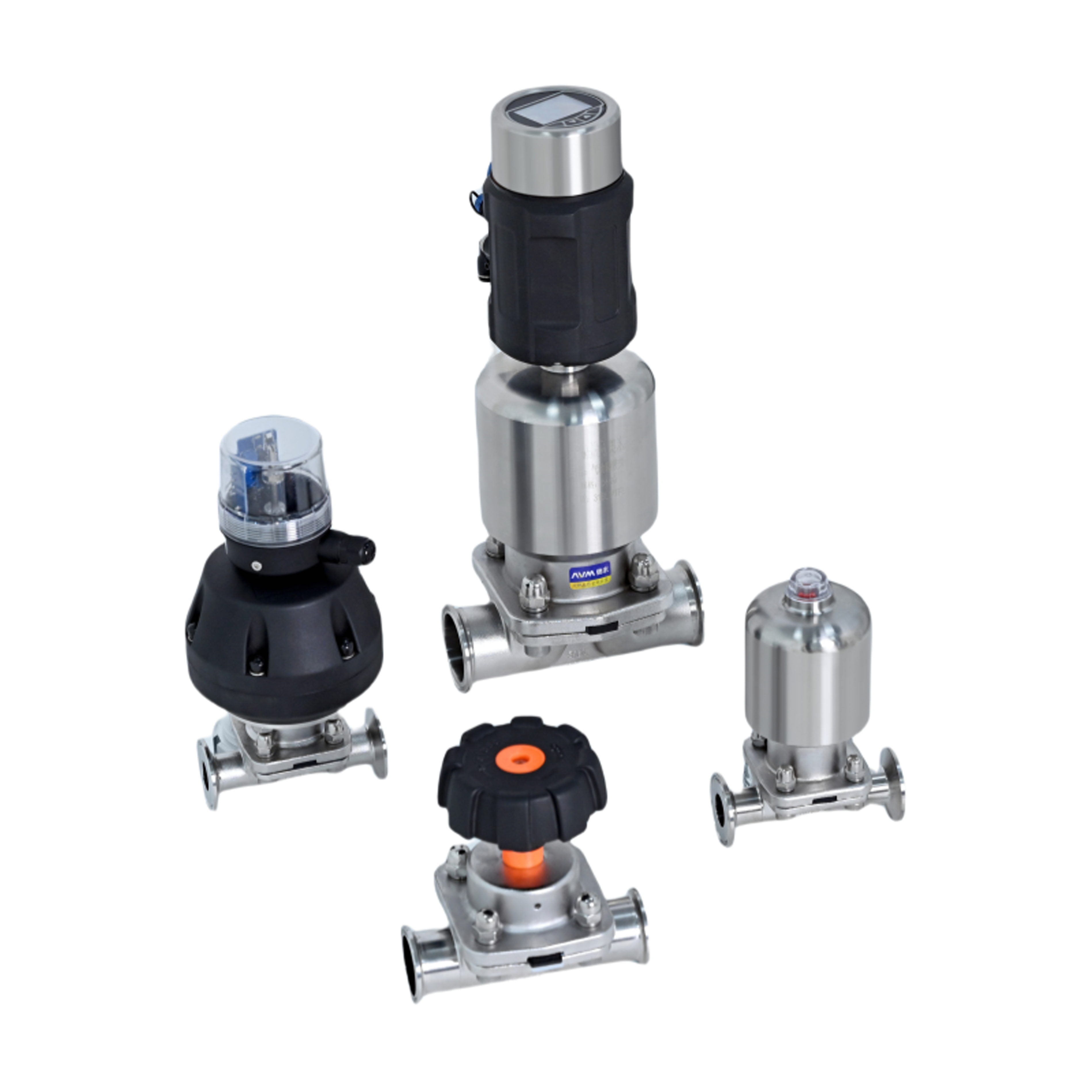
Corrosion-Resistant Diaphragm Valves: Ideal for High-Viscosity Fluids in Food Industry

18

Jun

Corrosion-Resistant Diaphragm Valves: Ideal for High-Viscosity Fluids in Food Industry

Understanding Corrosion-Resistant Diaphragm Valve Mechanics Hygienic design in the pharmaceutical industries places particular emphasis on the use of corrosion-resistant diaphragm valves. They work by using a diaphragm as the movable barrier ...
View More
Rapid Transfer Port: Ensuring Safe Material Transfer

25

Nov

Rapid Transfer Port: Ensuring Safe Material Transfer

Understanding Rapid Transfer Ports and Their Role in ContainmentWhat Is a Rapid Transfer Port (RTP)?A Rapid Transfer Port (RTP) is a closed-system technology that enables sterile material transfer between two isolated environments while maintaining c...
View More
The Role of AB Valve in Process Automation

25

Nov

The Role of AB Valve in Process Automation

Understanding the AB Valve and Its Function in Flow Control Defining AB Valve and Its Significance in Valve Automation AB valves, also known as Automated Balancing Valves, represent a major breakthrough for controlling flow in industrial settings. T...
View More
How Powder Valve Prevents Clogging in Powder Transfer?

11

Dec

How Powder Valve Prevents Clogging in Powder Transfer?

Why Powder Clogging Occurs: Bridging, Ratholing, and Flow Failure Root Causes: Cohesion, Aeration, and Particle Geometry When powder doesn't flow properly, it usually comes down to three main issues: how particles stick together, trapped air problem...
View More

customer evaluation

Thomas Wright
Rapid Transfer Ports: Game-Changer for Aseptic Connections

AVM's RTP systems have revolutionized our pharmaceutical lab's sterile operations. The mechanical quick-seal design allows the rapid docking of biosafety cabinets without tools, reducing contamination risks. The integrated inflatable seal provides a hermetic barrier, and the stainless steel housing withstands daily autoclaving.

Daniel Morgan
Reliable Sterile Connections in Vaccine Fill-Finish

Our COVID-19 vaccine filling line uses AVM's RTP ports for syringe loader integration. The pneumatic actuation provides consistent sealing pressure, and the modular design allows easy retrofitting to existing equipment. Their performance has been critical for meeting our high-volume production demands.

Get a Free Quote

Our representative will contact you soon.
Email
Mobile/WhatsApp
Name
Company Name
Message
0/1000
Rapid Transfer Port (RTP): Quick Aseptic Connection Solution

Rapid Transfer Port (RTP): Quick Aseptic Connection Solution

AVM's RTP systems enable rapid, tool-free docking of sterile chambers with mechanical/pneumatic seals. Ideal for pharmaceutical production and labs, they ensure leak-proof connections during material transfer. With modular designs and stainless-steel construction, they withstand autoclaving and meet GMP requirements, enhancing efficiency in aseptic processes.