Industrial Valves for Sanitary & Hazardous Material Handling | AVM

All Categories
AVM: Your Trusted Partner in Material Conveyance Solutions

AVM: Your Trusted Partner in Material Conveyance Solutions

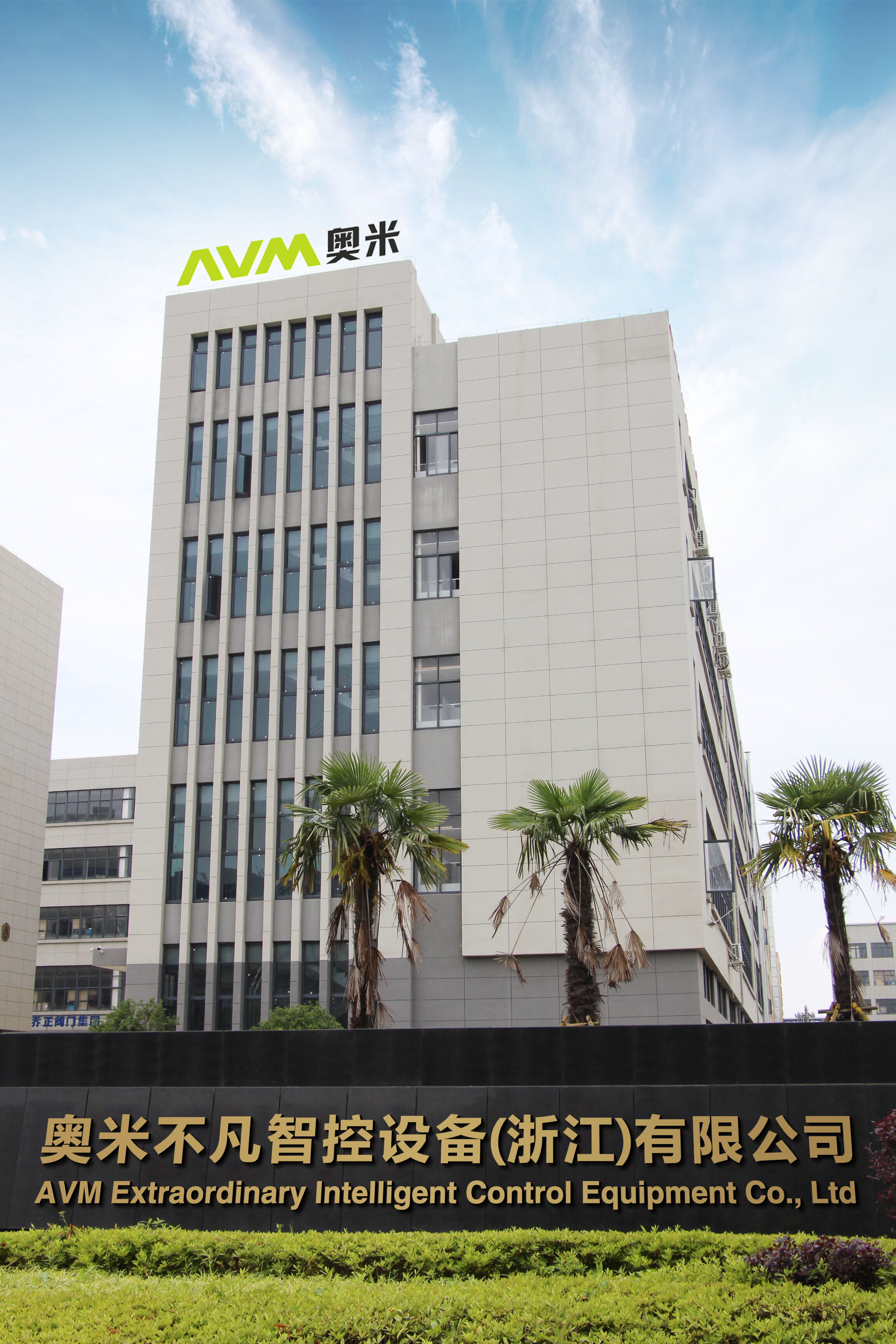
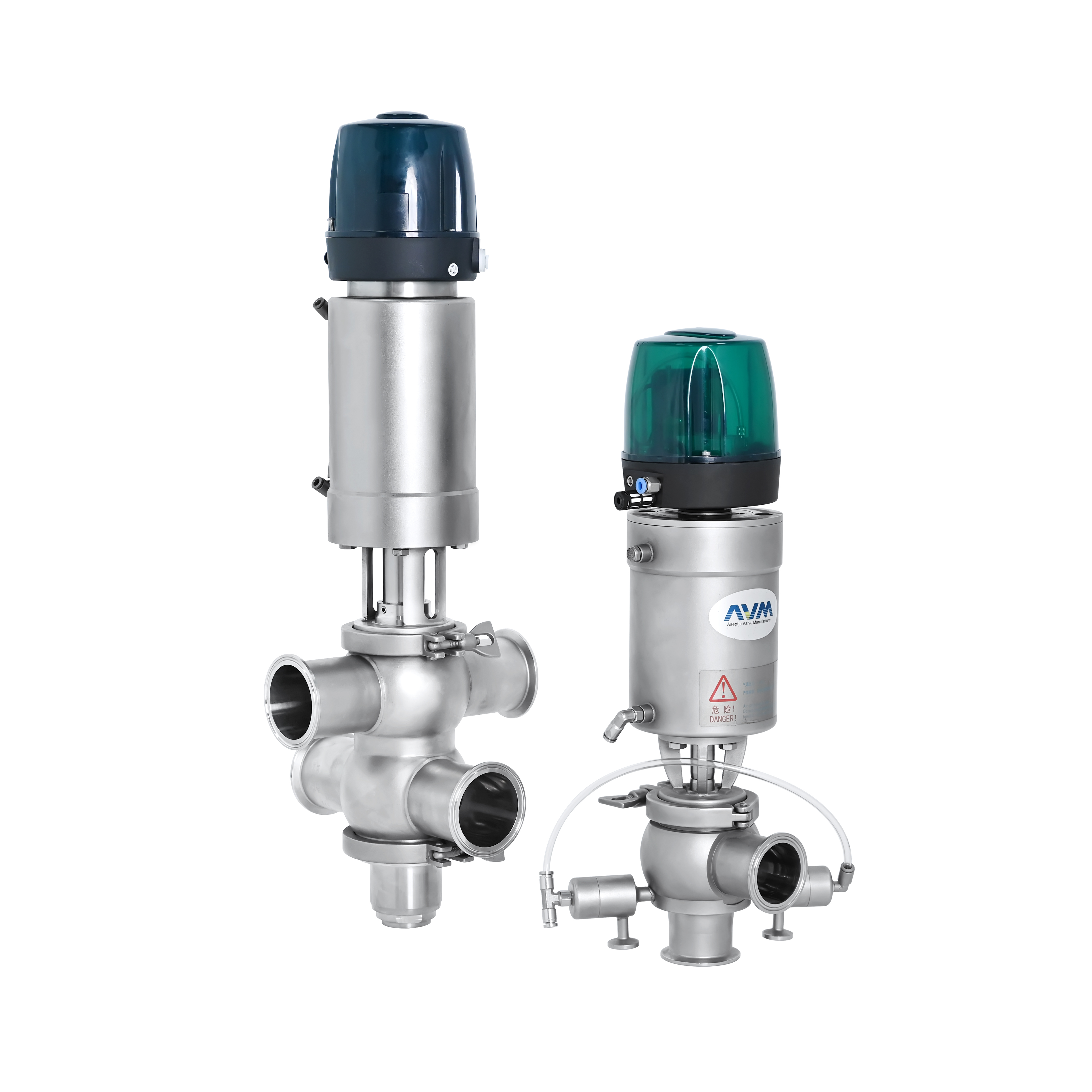
AVM Unrivaled Intelligent Control Equipment Co., Ltd., a modern enterprise, integrates design, production, sales, and service. Focused on sterile, toxic, and hazardous material conveyance solutions, our product lineup features powder valves, SBV, RTP valves, dome valves, and more. Widely used in pharma, food, dairy, chemical, and other industries, these products meet DIN, SMS, 3A, ISO, and other international standards, complying with GMP and FDA regulations. With ISO 9001 and 3A sanitary certifications, and advanced CNC equipment like Japanese Mazak and South Korean high-precision machining centers, we ensure top-notch quality. Committed to "quality for development, trust as life", AVM aims to be your reliable long-term partner for a healthier future.
Get A Quote


Why choose us?

Innovative Design

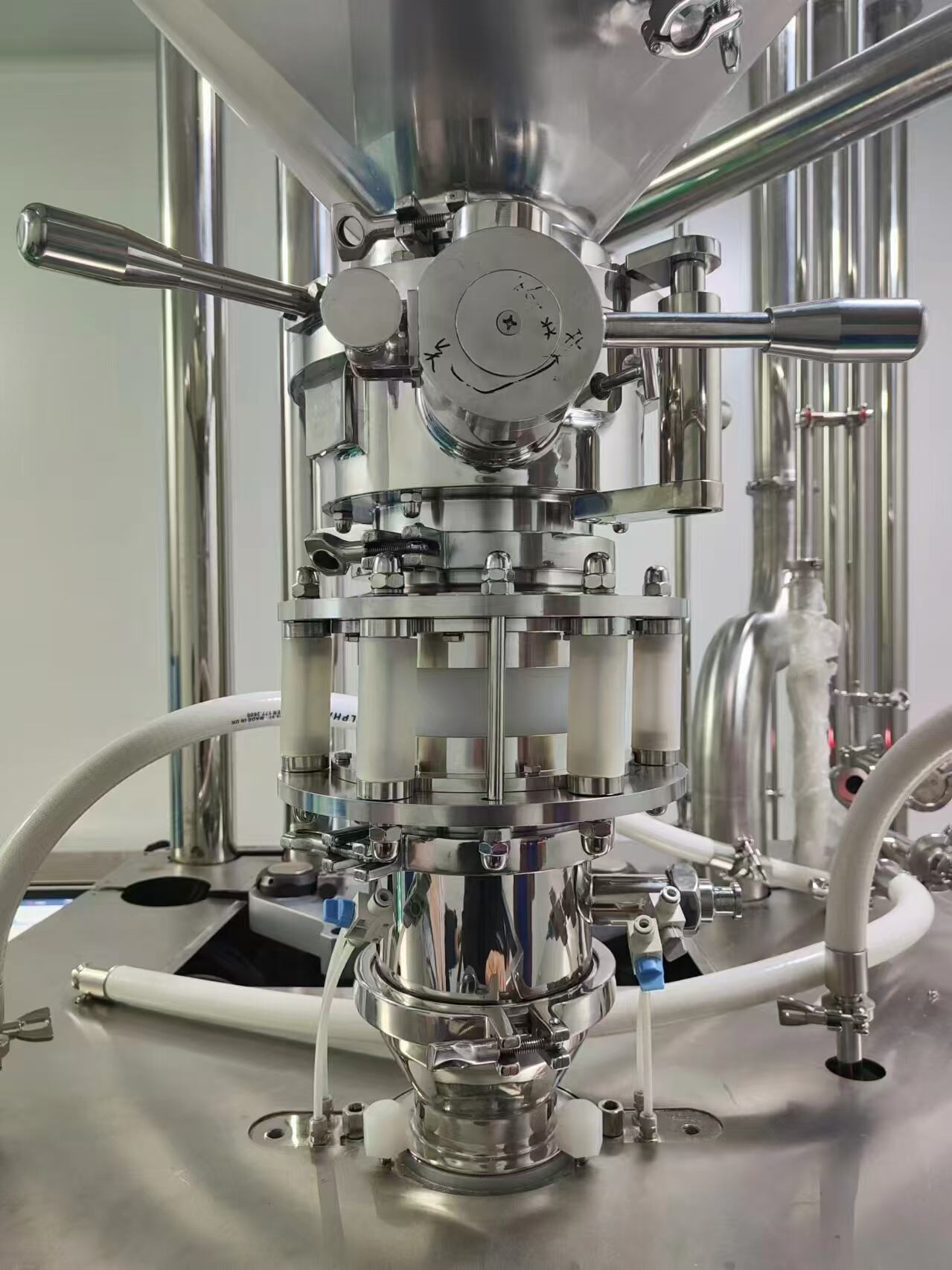
Our products, such as the rapid transfer port, feature cutting-edge design, ensuring a seamless integration into high-demand environments where cleanliness and contamination control are crucial.

Advanced Safety Features

With features like a streamlined interlocking system and user-friendly handle design, our products enhance operational safety, reducing physical strain and minimizing contamination risks.

High-Quality Materials

We use high-quality materials such as stainless steel, brass, and ductile iron, ensuring durability and long-lasting performance even in challenging industrial settings.

Related products

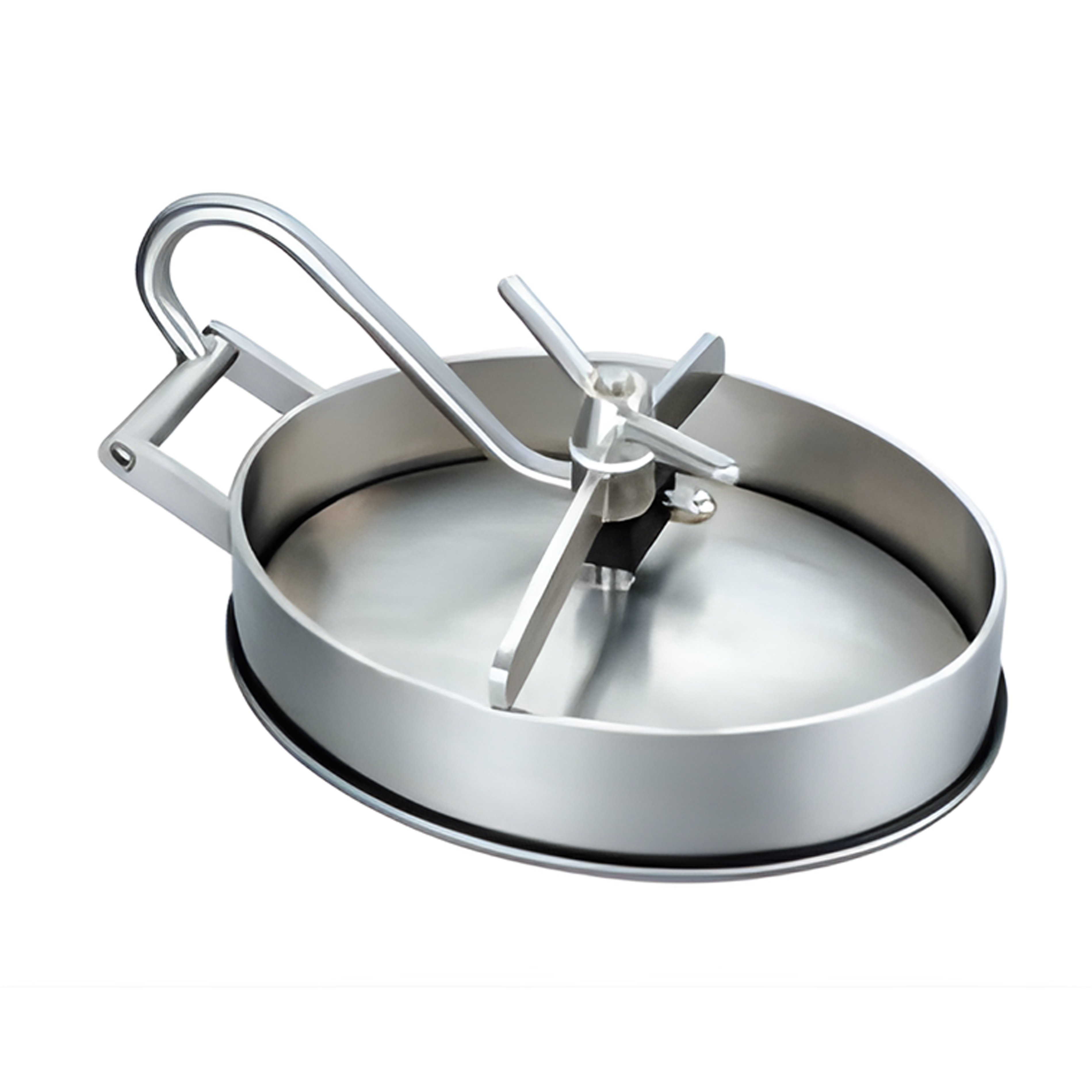
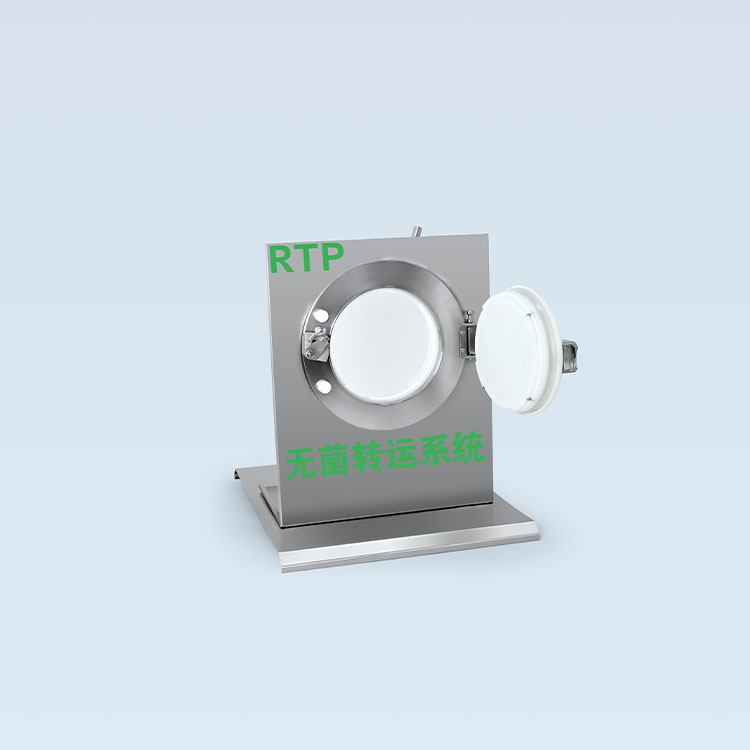
AVM's RTP systems for laboratory aseptic work offer modular, benchtop solutions for sterile sampling and media transfer in biosafety cabinets. The manual-connect design with mechanical seals fits lab-scale setups, supporting GLP and cGMP protocols. Constructed from 316L stainless steel, they enable reliable asepsis in research and development.

Frequently Asked Questions

How does a Pneumatic Control Valve work?

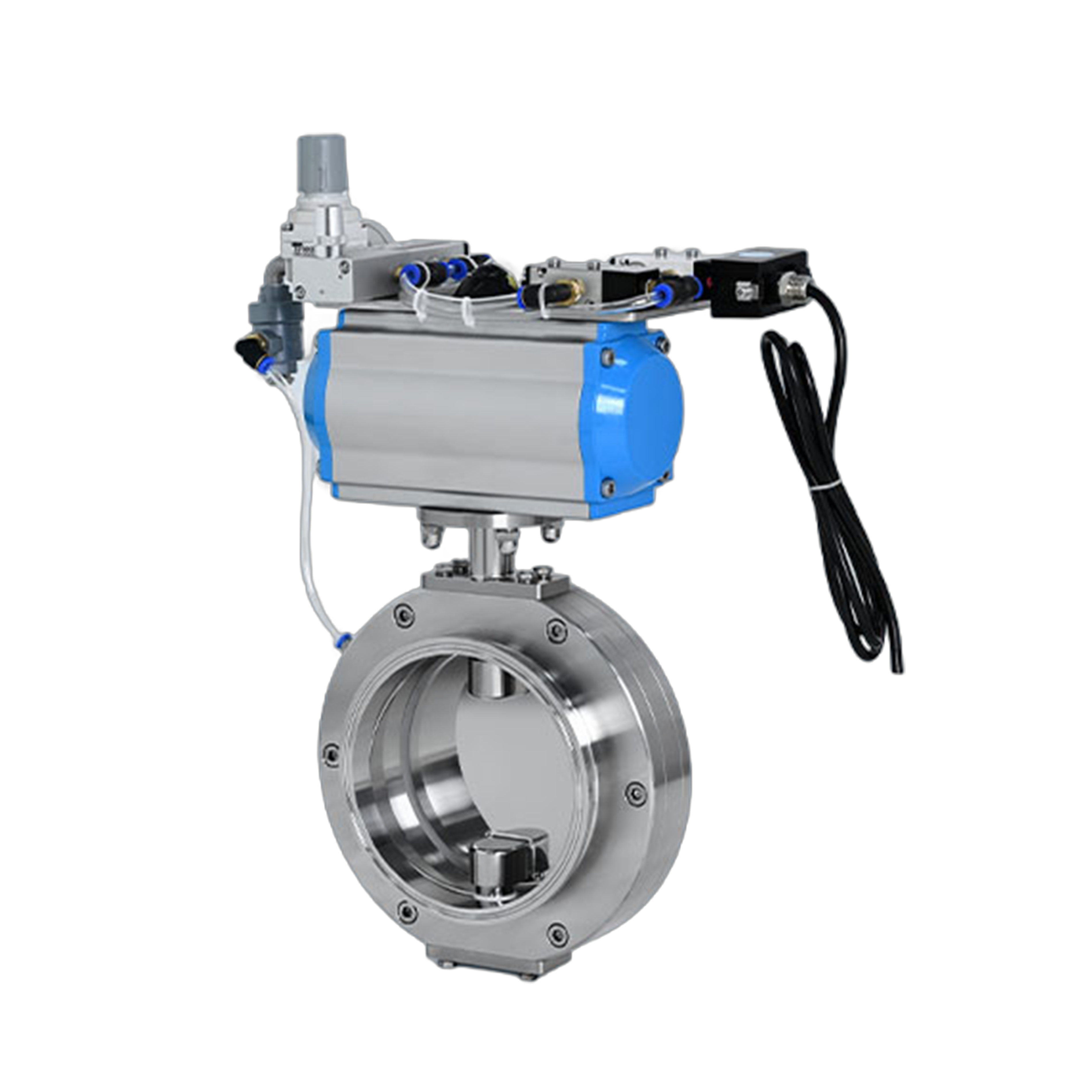
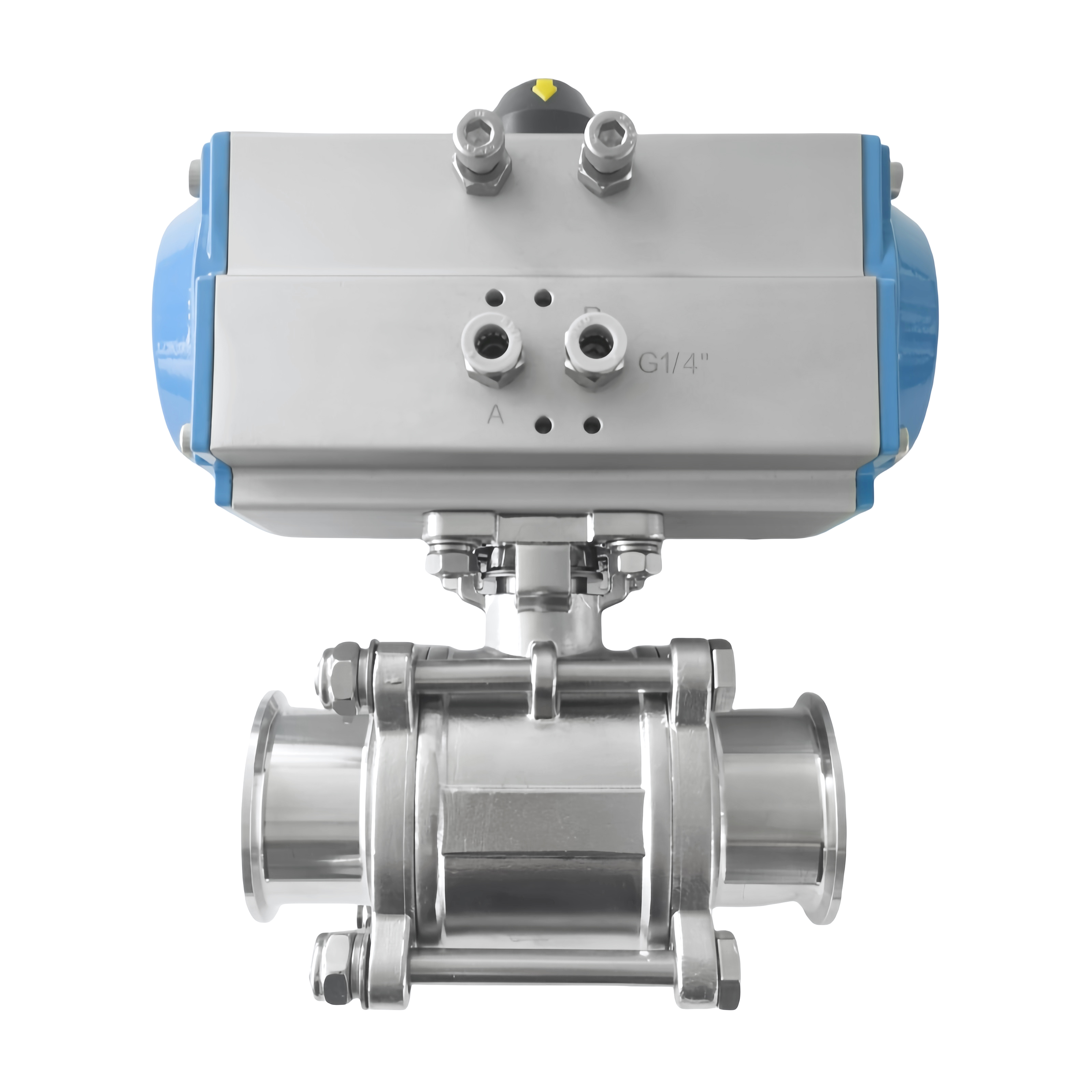
Pneumatic Control Valves use compressed air to actuate the valve, controlling the flow of gases or liquids. Commonly used in industrial automation and chemical processing, they provide precise flow control, require minimal maintenance, and are ideal for hazardous environments.
Inflatable Seals expand when inflated, forming a tight seal between two surfaces. These are commonly used in industries like food, pharmaceuticals, textiles, and more, to prevent contamination, ensure clean environments, and improve operational efficiency.
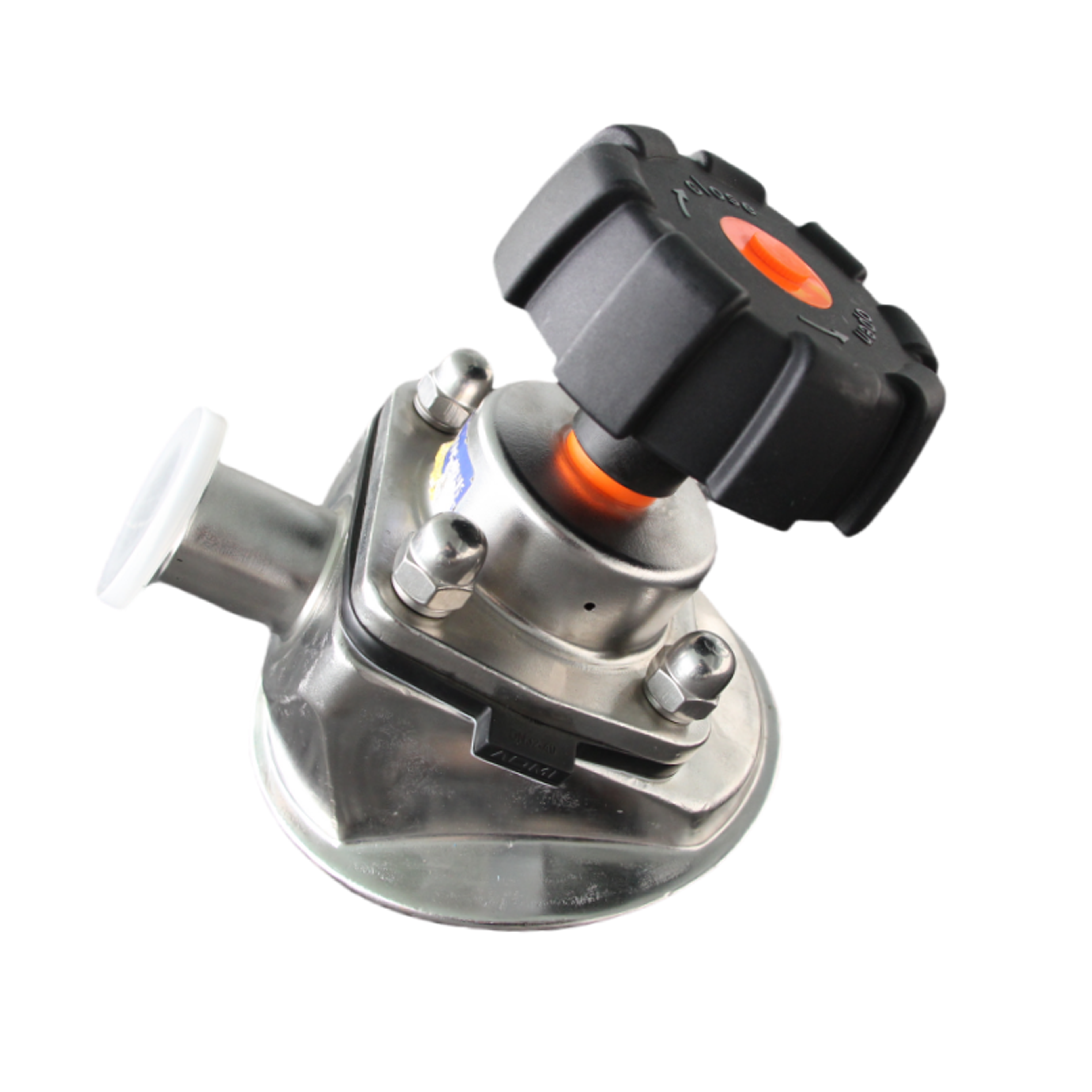
Diaphragm Valves are ideal for industries requiring high purity fluids. They feature a diaphragm that isolates the valve mechanism from the fluid, reducing contamination risk. They are easy to maintain and offer reliable performance in controlling corrosive or sensitive fluids.
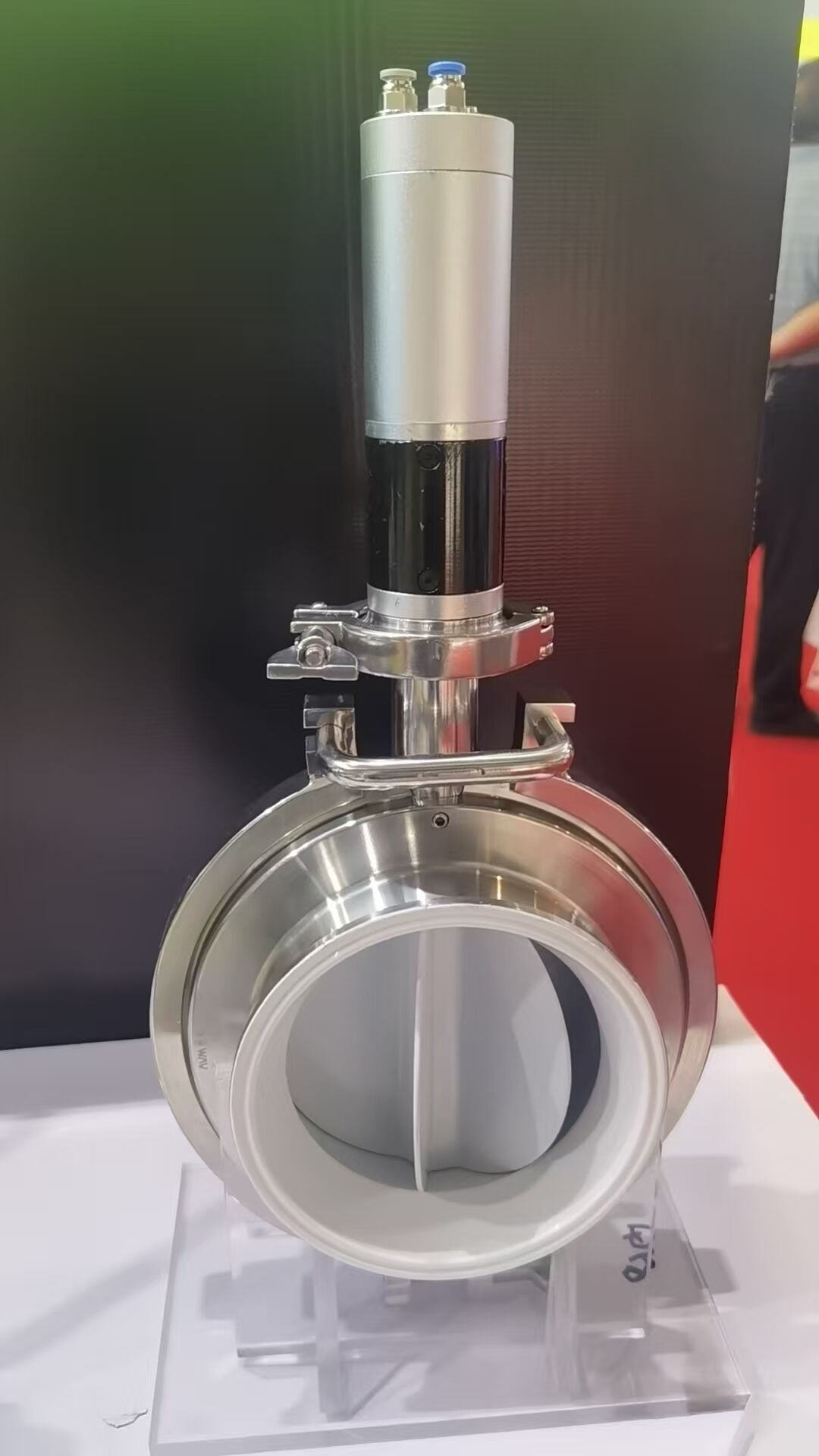
A Split Butterfly Valve is mounted between two flanges in a pipe and is used to control the flow of fluids or gases. Its compact design makes it ideal for tight spaces, commonly found in water systems, HVAC, and industrial piping systems.
Aseptic Transfer ensures materials are transferred between systems without compromising sterility. It is essential in pharmaceutical, biotechnology, and food production to prevent microbial contamination during the transfer of sensitive products.

Related Articles

Inflatable Seal RTP Systems: Enhancing Leak-Proof Performance in Aseptic Environments

19

Jun

Inflatable Seal RTP Systems: Enhancing Leak-Proof Performance in Aseptic Environments

How Inflatable Seal RTP Systems Achieve Sterile Containment Pressure-Activated Sealing Mechanism Explained Inflatable seal system Inflatable seal systems are based on pressure-actuated seal mechanism and employ pressurized air to keep sterile th...
View More
How to Choose the Right Pneumatic Control Valve for Pharmaceutical Systems

17

Jul

How to Choose the Right Pneumatic Control Valve for Pharmaceutical Systems

Important Features of Pneumatic Control Valves Within the Pharmaceutical Industry   Effective Flow Control of Active Pharmaceutical Ingredients   Getting flow control right matters a lot in pharmaceutical manufacturing acros...
View More
Selecting Rotary Valve for Specific Powder Characteristics

11

Dec

Selecting Rotary Valve for Specific Powder Characteristics

Matching Rotary Valve Design to Powder Flow Behavior Angle of Repose, Flow Function Number (FF), and Bridging Risk Assessment When looking at how powders flow, two key factors stand out for predicting bridging problems in rotary valves: the angle of...
View More
Challenges in Aseptic Transfer and Solutions

11

Dec

Challenges in Aseptic Transfer and Solutions

Core Aseptic Transfer Challenges and Their Impact on Sterility AssuranceHuman-Induced Contamination in Manual Aseptic Transfer OperationsPeople still cause most contamination problems when doing manual aseptic transfers. When operators handle vials, ...
View More

customer evaluation

Daniel Morgan
Reliable Sterile Connections in Vaccine Fill-Finish

Our COVID-19 vaccine filling line uses AVM's RTP ports for syringe loader integration. The pneumatic actuation provides consistent sealing pressure, and the modular design allows easy retrofitting to existing equipment. Their performance has been critical for meeting our high-volume production demands.

Lisa Taylor
Aseptic Flexibility in Laboratory Scale-Ups

Transitioning from R&D to pilot production, these RTP ports have simplified our aseptic transfers. The compact design fits tight fume hood spaces, and the reusable stainless steel construction offers cost savings over single-use systems. They've become essential for our GMP-compliant process validation.

Get a Free Quote

Our representative will contact you soon.
Email
Mobile/WhatsApp
Name
Company Name
Message
0/1000
Rapid Transfer Port (RTP): Quick Aseptic Connection Solution

Rapid Transfer Port (RTP): Quick Aseptic Connection Solution

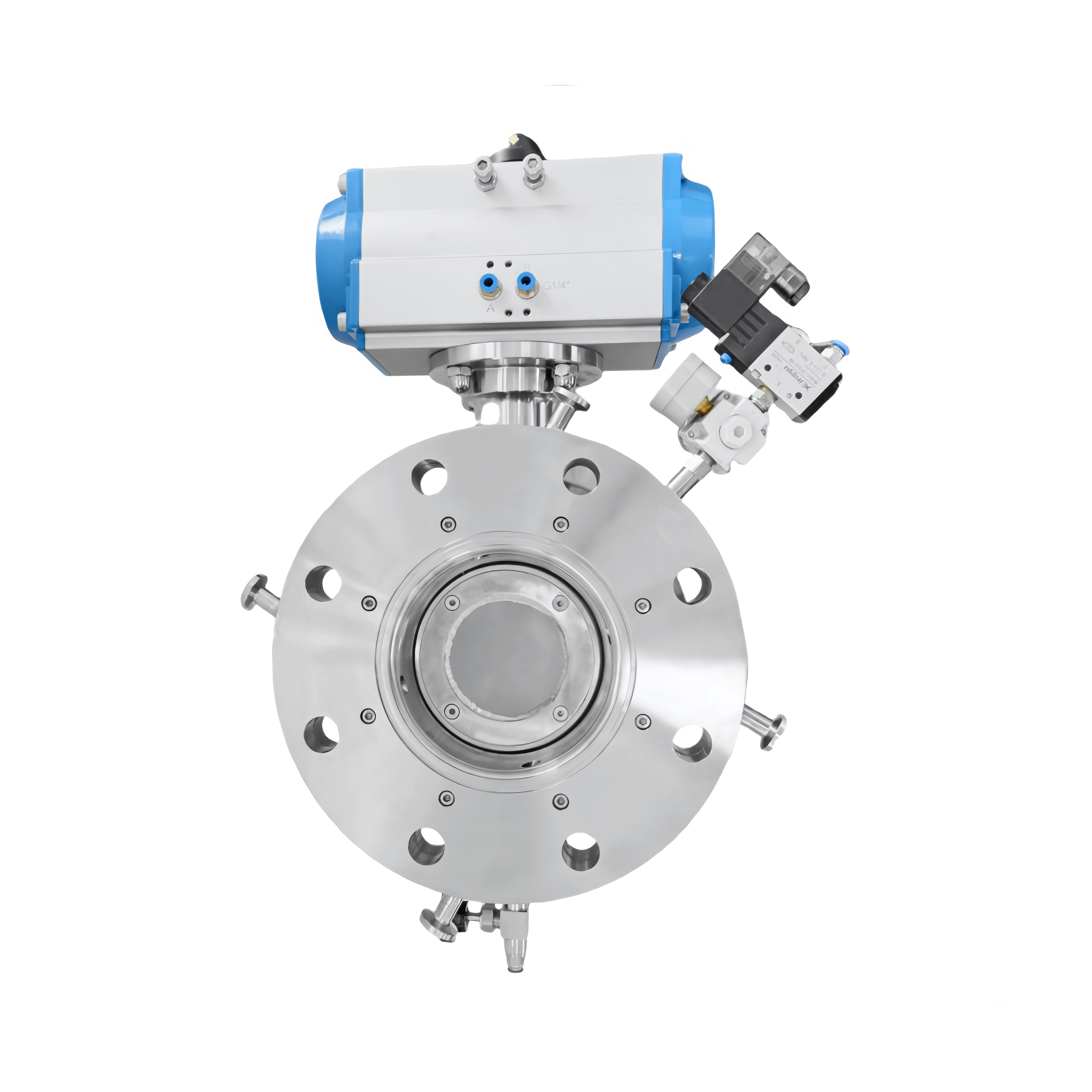
AVM's RTP systems enable rapid, tool-free docking of sterile chambers with mechanical/pneumatic seals. Ideal for pharmaceutical production and labs, they ensure leak-proof connections during material transfer. With modular designs and stainless-steel construction, they withstand autoclaving and meet GMP requirements, enhancing efficiency in aseptic processes.