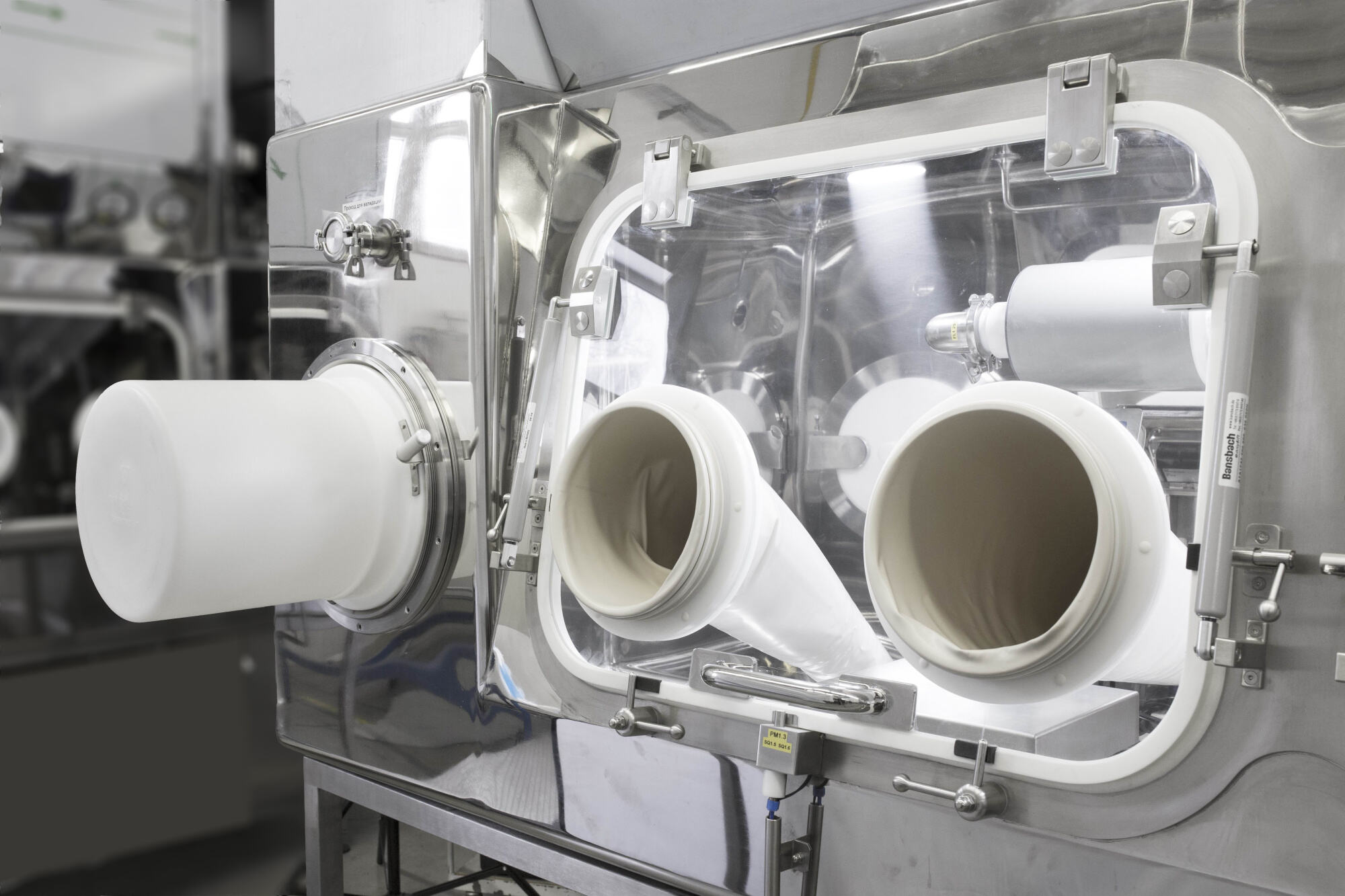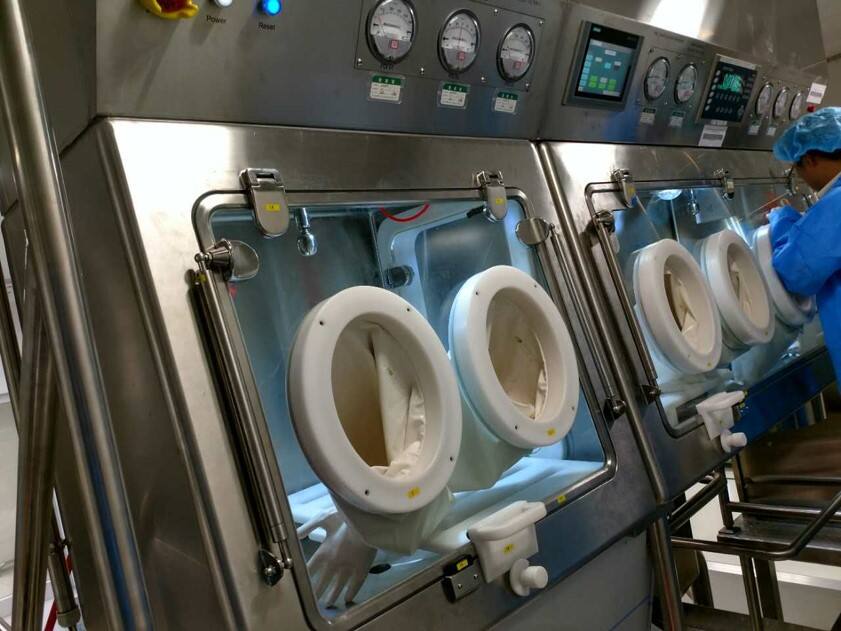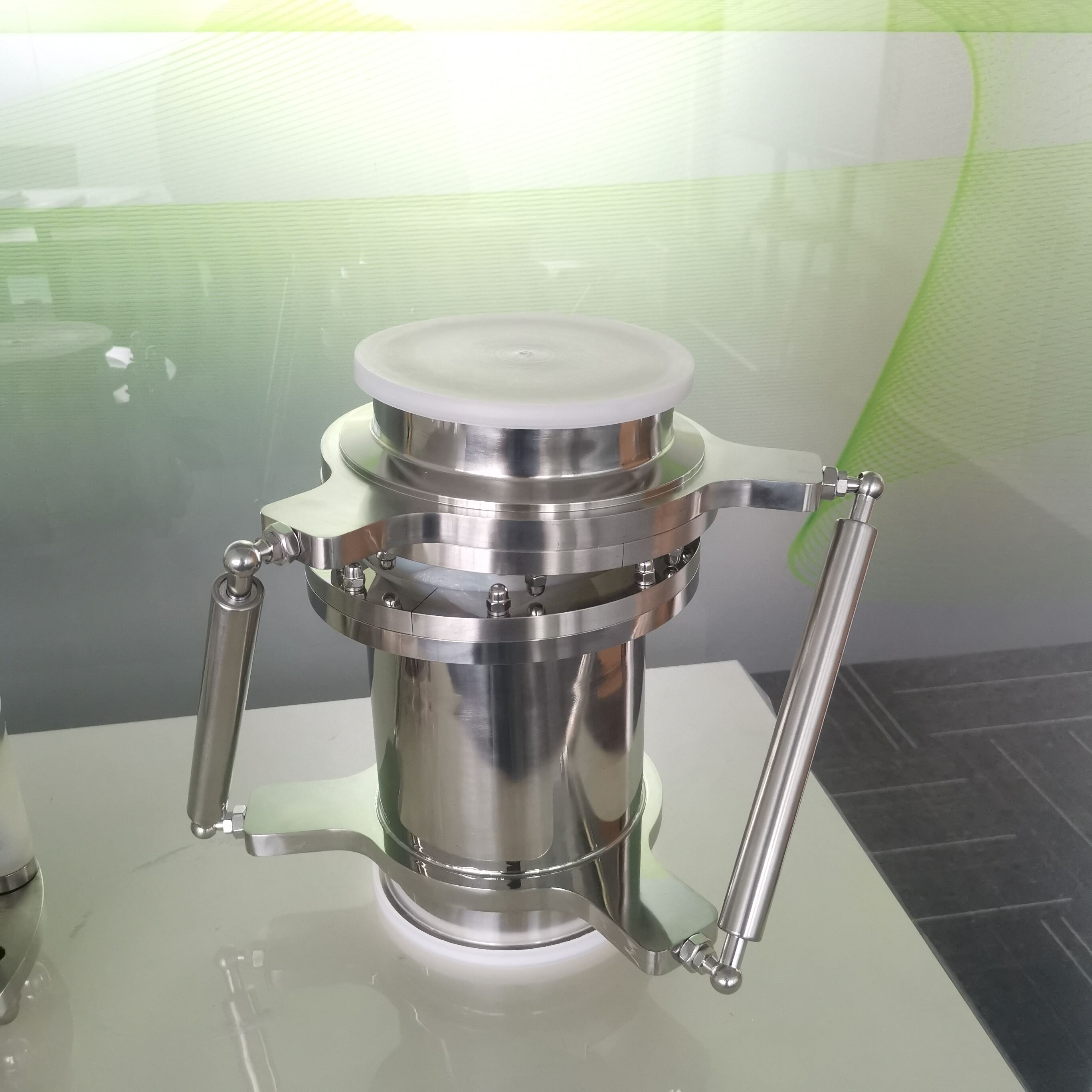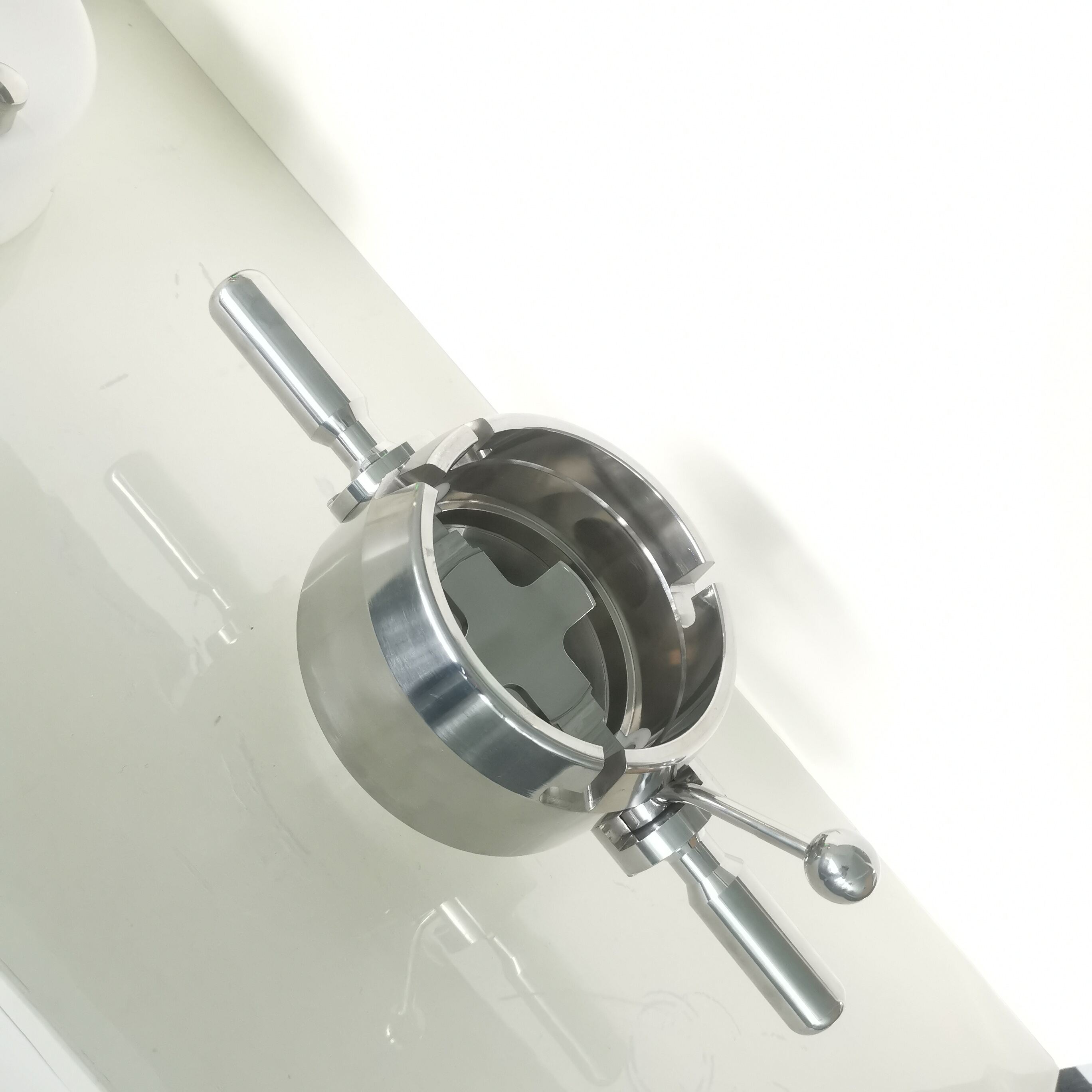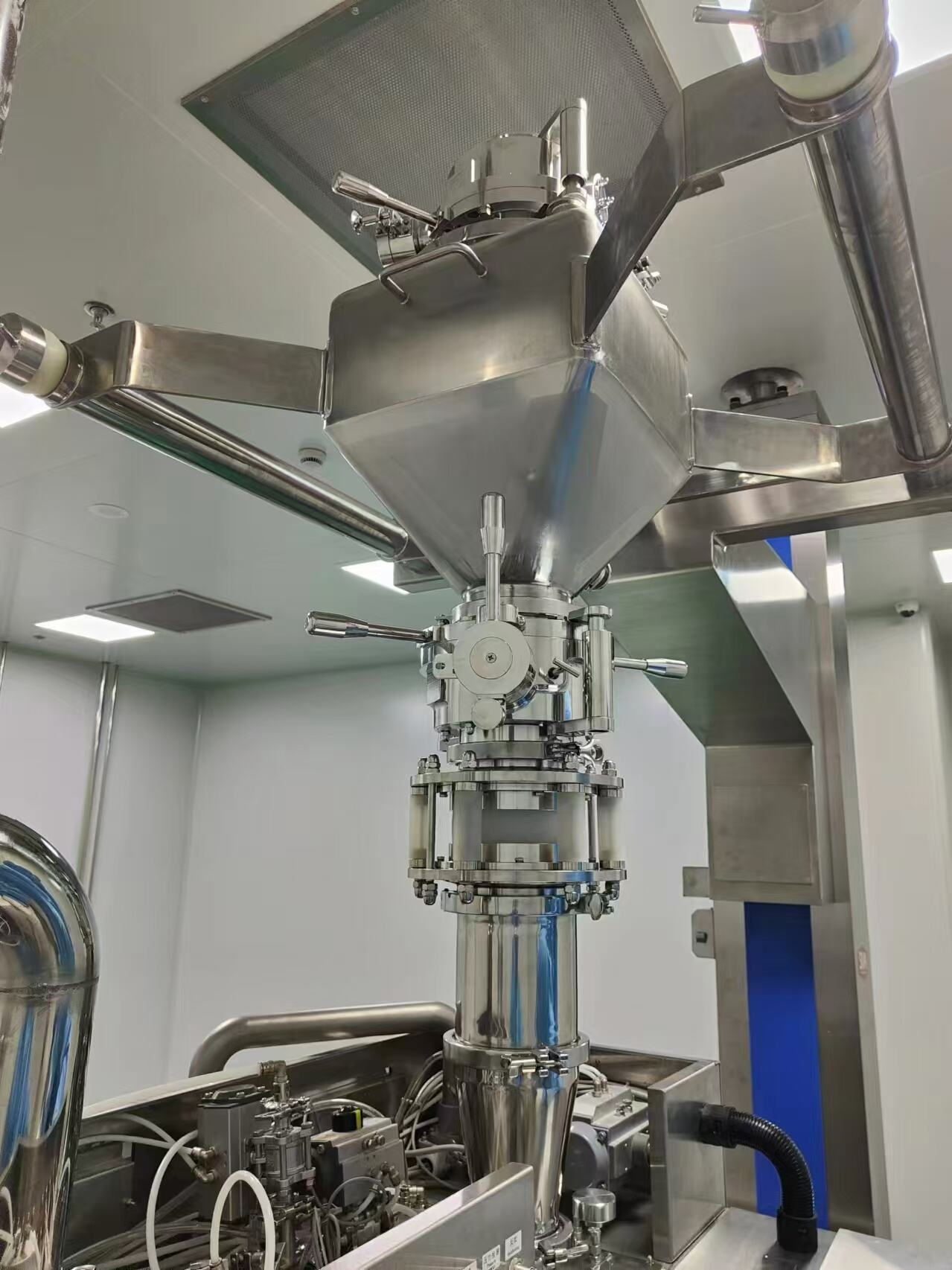
Sterility Assurance: How Rapid Transfer Ports Enable True Sterility-by-Design Eliminating Human and Environmental Contamination Pathways via Double-Door Interlock People still cause most problems in sterile processing areas, with around 73% of all a...
VIEW MORE
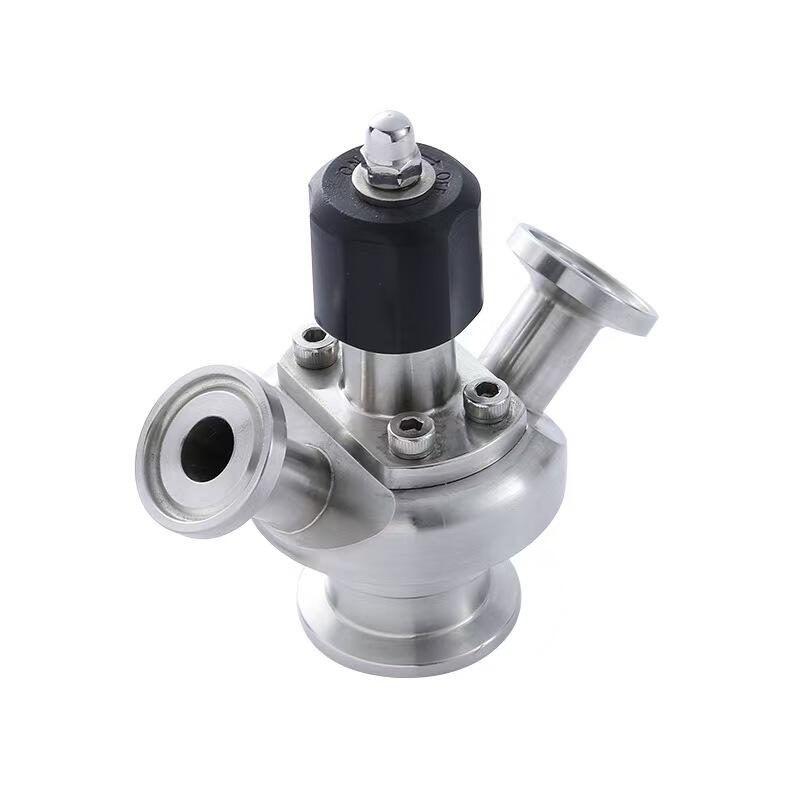
Core Hygienic Design Principles for Sampling Valves Eliminating Microbial Havens: Crevice-free geometry and full drainability Sampling valve design must eliminate crevices—micro-environments where pathogens like Listeria and Salmonella persist. EHEDG...
VIEW MORE
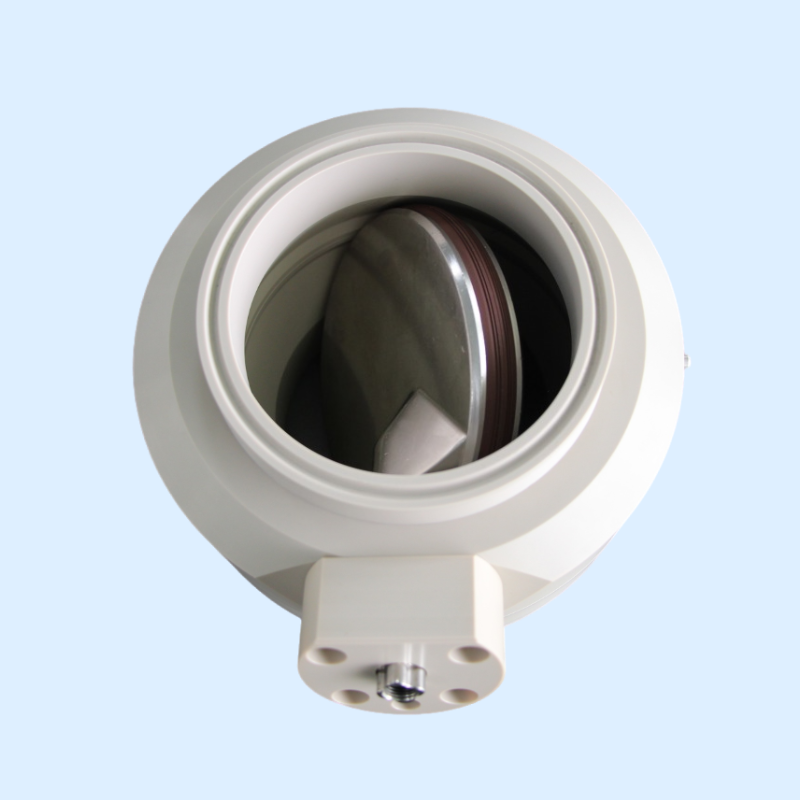
Split Butterfly Valve Installation: Precision Alignment and SealingFlange Alignment and Bolt Tightening Sequence for Leak-Free SealingGetting those flange alignments right really matters if we want to avoid those pesky stress induced leaks in split b...
VIEW MORE
The Critical Role of Aseptic Transfer in Sterile ManufacturingSterile pharmaceutical production relies heavily on proper aseptic transfer protocols to stop contamination when moving materials through different manufacturing stages. Terminal steriliza...
VIEW MORE
Rapid Transfer Port Fundamentals: Design and Aseptic PrincipleA rapid transfer port (RTP) enables sterile material movement between isolated environments using a dual-component design. This system prevents contamination through two core mechanisms: a...
VIEW MORE
Identifying and Resolving Air Leaks in Rotary Valves Causes of rotary valve air leakage: clearance, displacement, and seal degradation Most air leaks in rotary valves come down to three main problems with the mechanics. When there's too much space b...
VIEW MORE
What Is a Powder Valve and Why It Matters in Bulk Material Handling Powder valves manage dry bulk materials like powders, pellets, and granules within industrial pneumatic and gravity fed systems. These valves do several important things at once they...
VIEW MORE
Selecting the Right Powder Valve for Flow Accuracy Matching Valve Type to Material Properties and Process Requirements Achieving consistent flow accuracy starts with aligning valve specifications with powder behavior and operational demands. Cohesive...
VIEW MORE
How Split Butterfly Valves Enable Zero-Leak Containment in High-Integrity Processes Dual-Disc Sealing Architecture and Active/Passive Unit Integration Split butterfly valves deliver essentially zero leaks thanks to their dual disc sealing design. On...
VIEW MORE
Core Design Advancements in Rapid Transfer Port ArchitectureNext-Generation Rapid Transfer Port Architectures: ERT, SLTP, and SRTPToday's fast transfer port systems come with three main design approaches worth noting: the Enclosed Rapid Transfer syst...
VIEW MORE
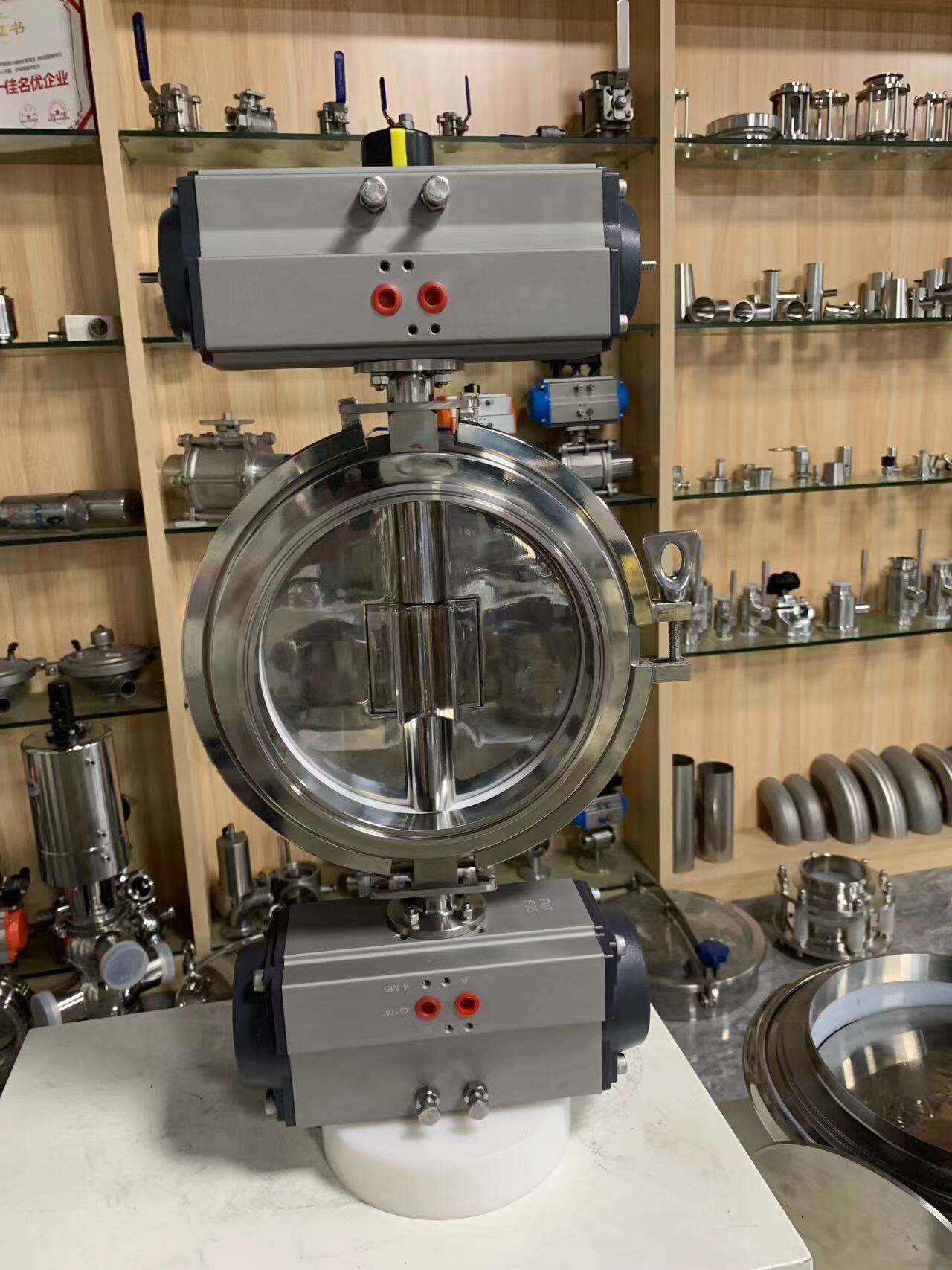
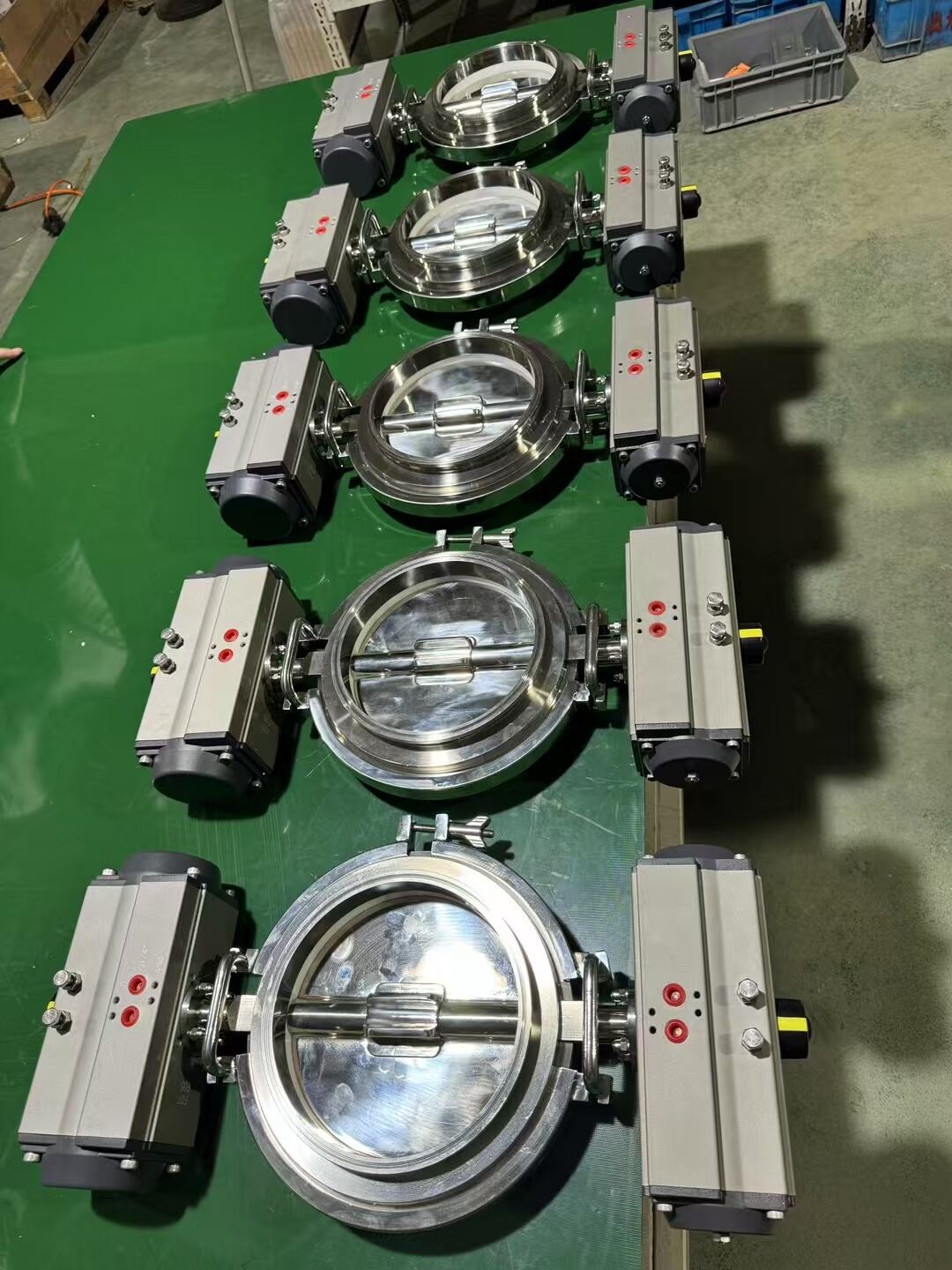
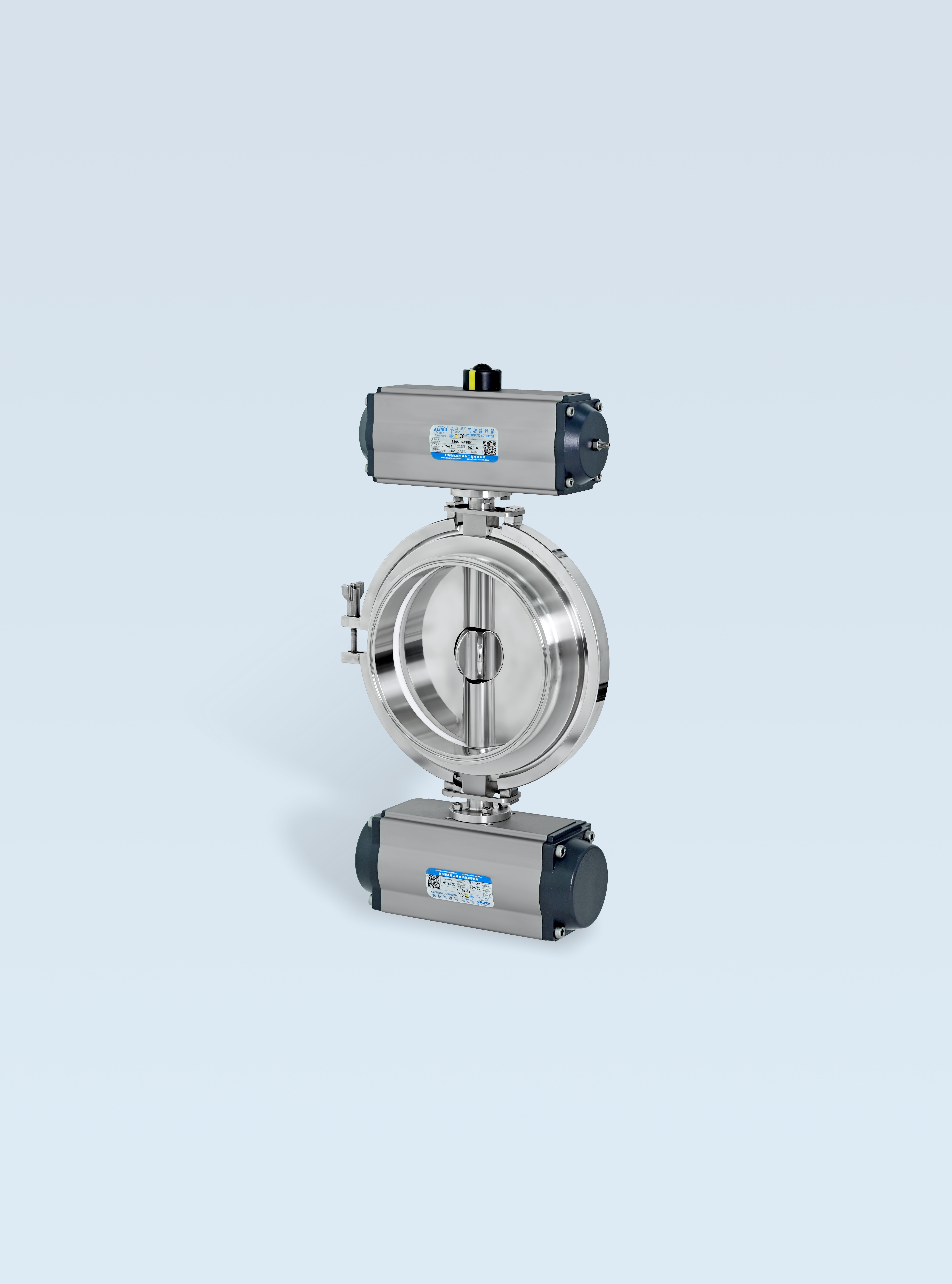
Dual-Halves Architecture: How the Split Butterfly Valve Enables Controlled, Fail-Safe Actuation Modular Active–Passive Unit Integration and Field-Serviceable Design Split butterfly valves feature a dual half design that keeps the moving parts ...
VIEW MORE
How Split Butterfly Valve Design Enables Bidirectional Flow ControlSplit Disc Architecture: Mechanical Separation for Independent Flow Path ManagementSplit disc valves work differently from traditional designs because they have two separate parts tha...
VIEW MORE