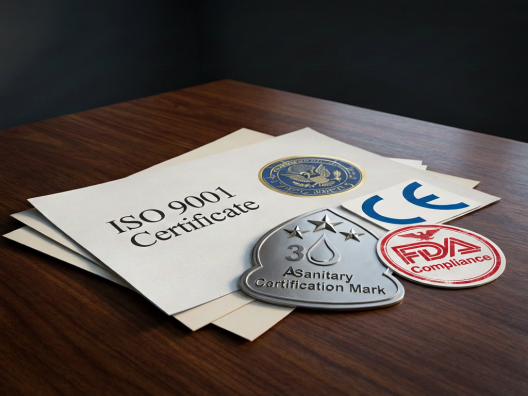
The 3-A Sanitary Standards program is North America's premier equipment-hygiene certification system for the food, beverage, and dairy industries. Jointly governed by the International Association for Food Protection, the Food Processing Suppliers As...
VIEW MORE
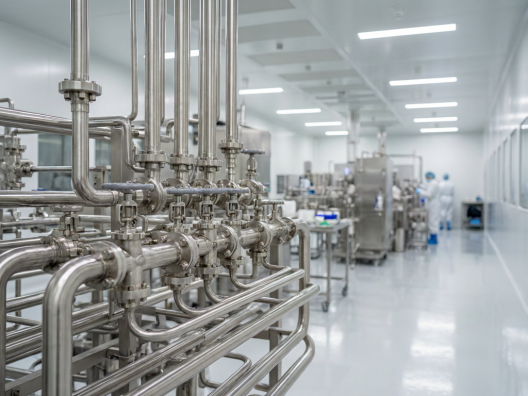
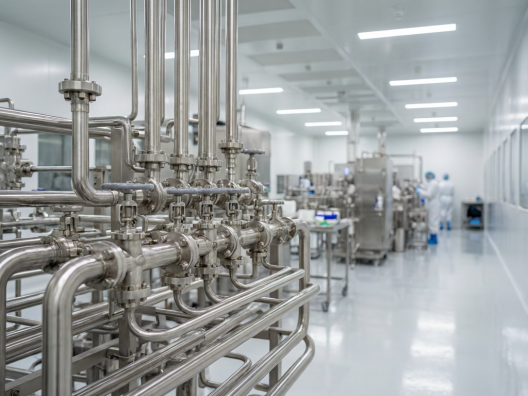
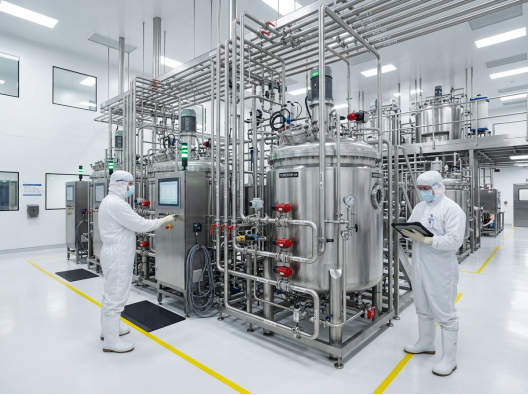
Good Manufacturing Practice (GMP) — the global regulatory framework governing pharmaceutical production — imposes rigorous requirements on the design, selection, installation, and maintenance of process equipment. Within GMP-regulated fac...
VIEW MORE
The sanitary sight glass is an essential auxiliary device in food, pharmaceutical, and chemical piping systems, providing operators with direct visual observation of process conditions — including fluid color, turbidity, flow state, fill level,...
VIEW MORE
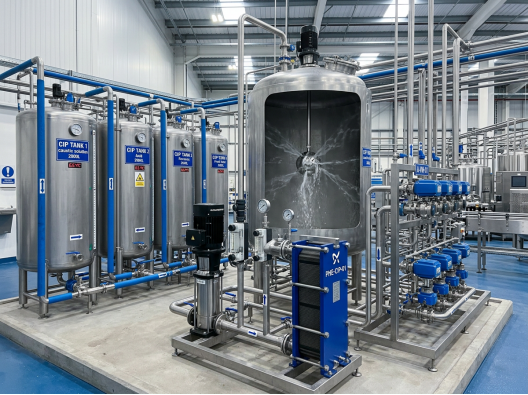
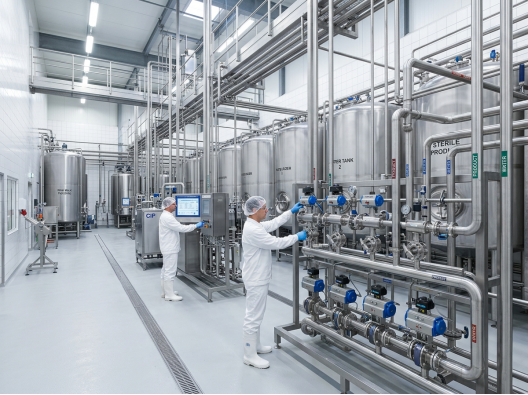
Clean-In-Place (CIP) is the foundational hygiene infrastructure in food, beverage, and pharmaceutical manufacturing — enabling automated, validated cleaning of process equipment without disassembly. A well-designed CIP system reduces downtime b...
VIEW MORE
The Occupational Exposure Band (OEB) classification system is the pharmaceutical industry's standardized framework for categorizing the potency — and therefore the handling hazard — of active pharmaceutical ingredients. Ranging from OEB1 ...
VIEW MORE
In hygienic equipment manufacturing, the internal surface roughness (Ra value) of stainless-steel components is the single most important parameter governing cleanability, microbial control, and product purity. A lower Ra value means a smoother surfa...
VIEW MORE
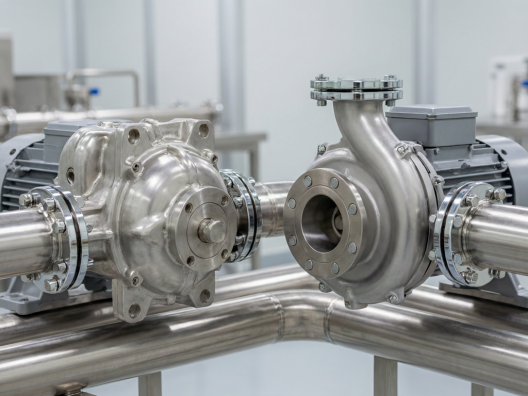
Selecting the correct pump technology is one of the most consequential engineering decisions in any food-processing facility. The two dominant hygienic pump families — rotary lobe (positive-displacement) and centrifugal — each offer disti...
VIEW MORE
The inflatable-seal ball valve represents an advanced approach to achieving absolute zero-leakage shutoff in demanding biopharmaceutical applications. Unlike conventional ball valves that rely on spring-loaded or pressure-energized seats, this design...
VIEW MORE
The aseptic mixproof valve is a highly specialized flow-control device engineered to allow two different fluids to flow independently through a single valve body with absolute assurance against intermixing — even under single-fault conditions. ...
VIEW MORE
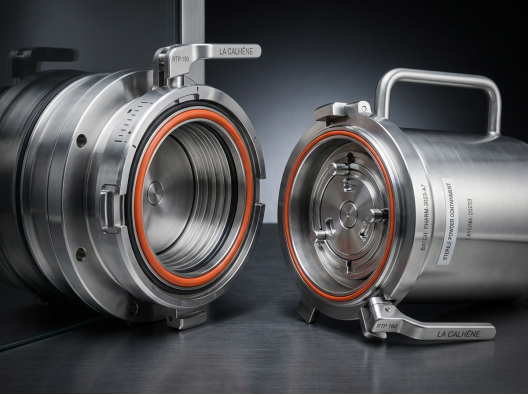
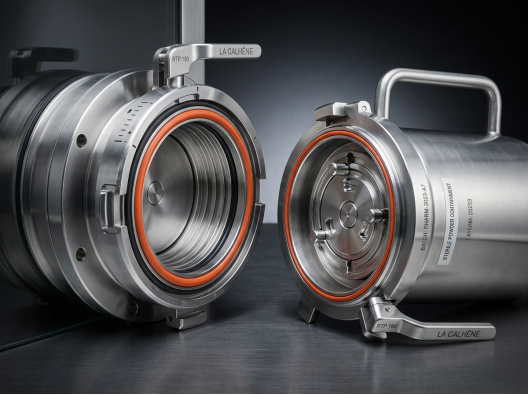
The Rapid Transfer Port (RTP) — also referred to as an alpha-beta valve — is the industry benchmark for achieving high-containment powder transfers in pharmaceutical manufacturing. When handling compounds classified at OEB4 (OEL 1–1...
VIEW MORE
The sanitary diaphragm valve remains one of the most widely specified flow-control devices in biopharmaceutical and food processing. Its inherently hygienic design fully isolates the actuator mechanism from the process fluid, eliminates dead legs, an...
VIEW MORE
The split butterfly valve (SBV) is a purpose-engineered containment device used throughout the pharmaceutical, fine-chemical, and food industries to achieve dust-tight powder transfer between process vessels. Consisting of an active (plant-side) half...
VIEW MORE