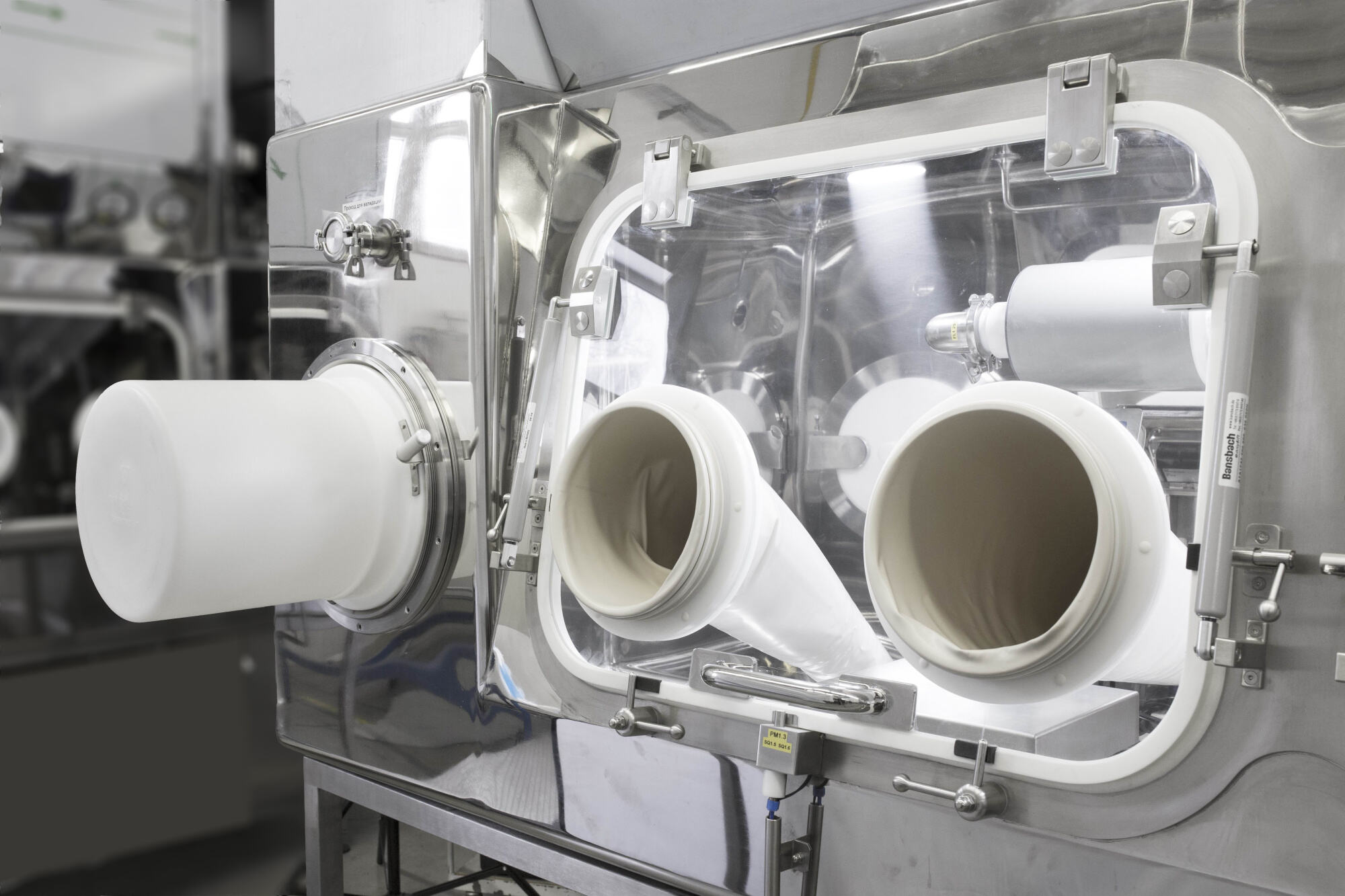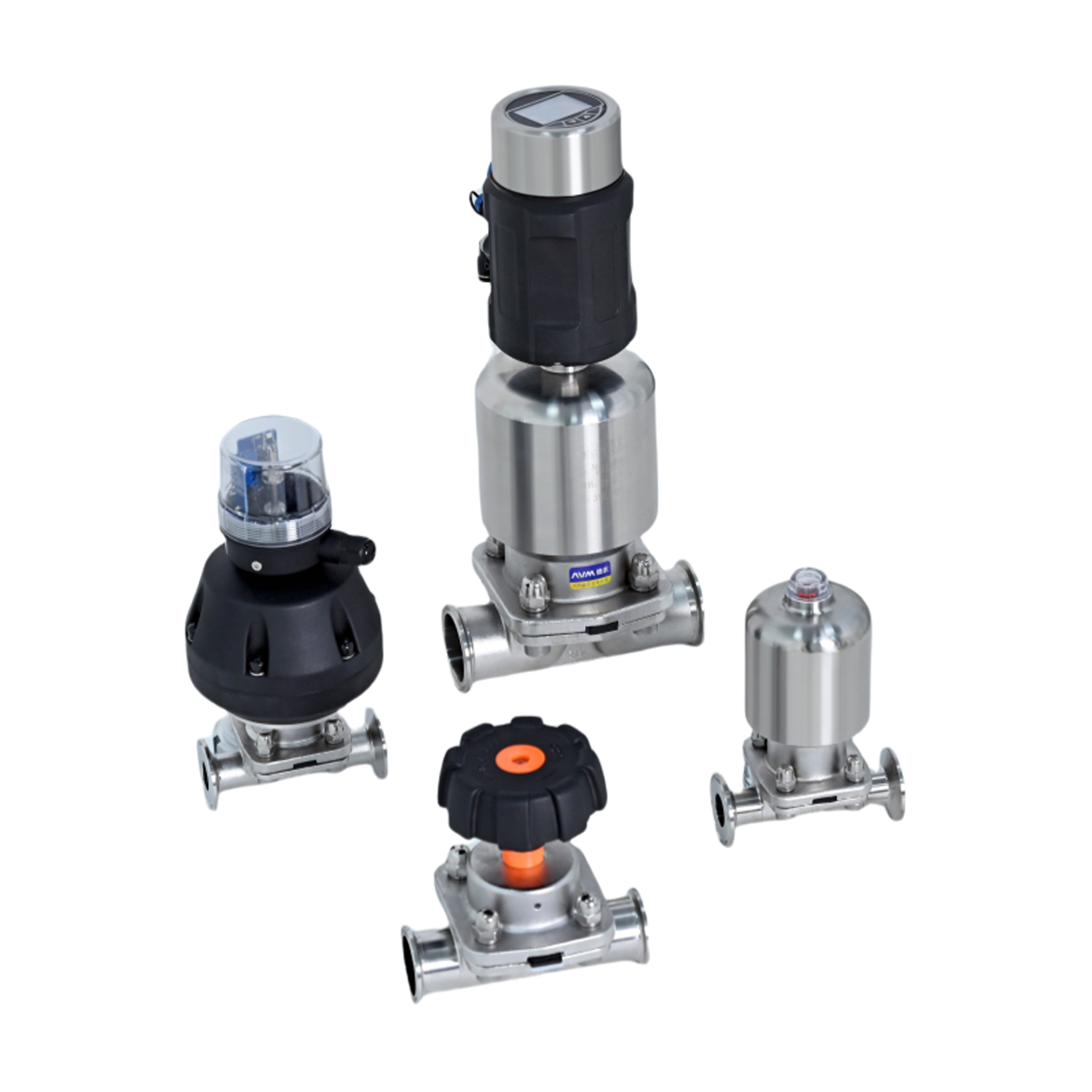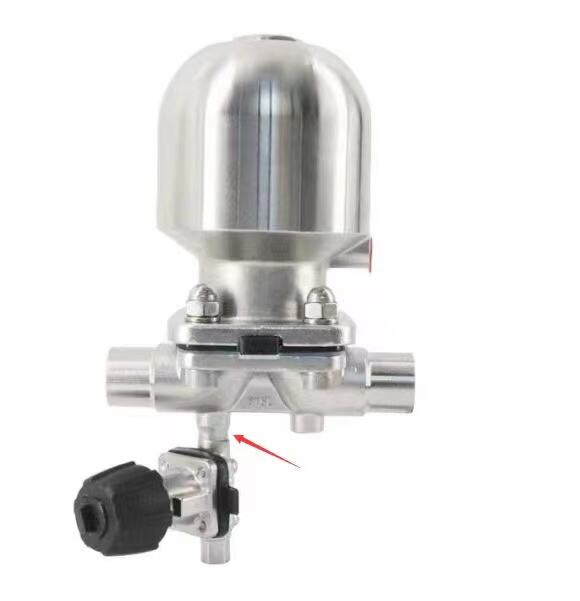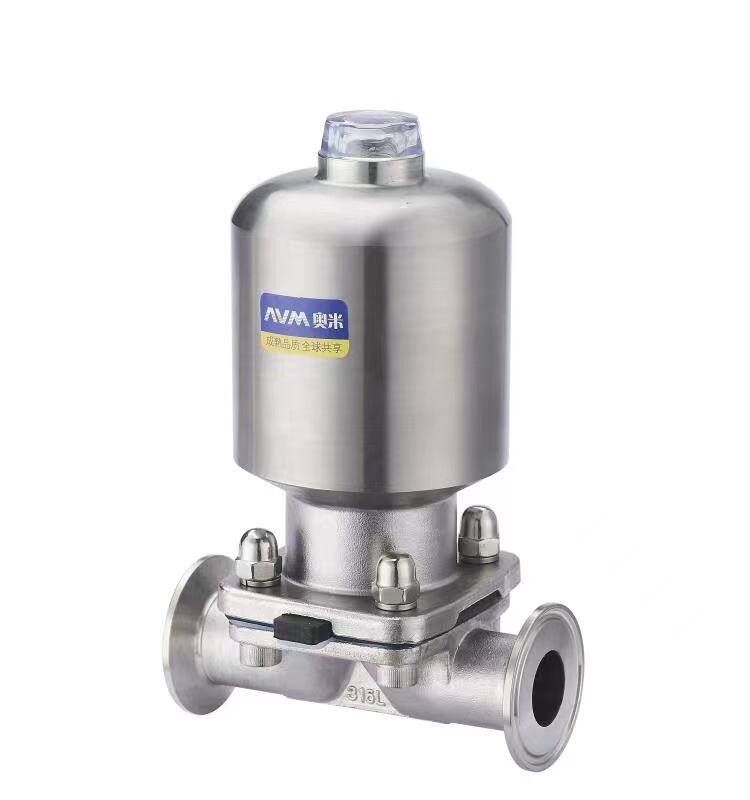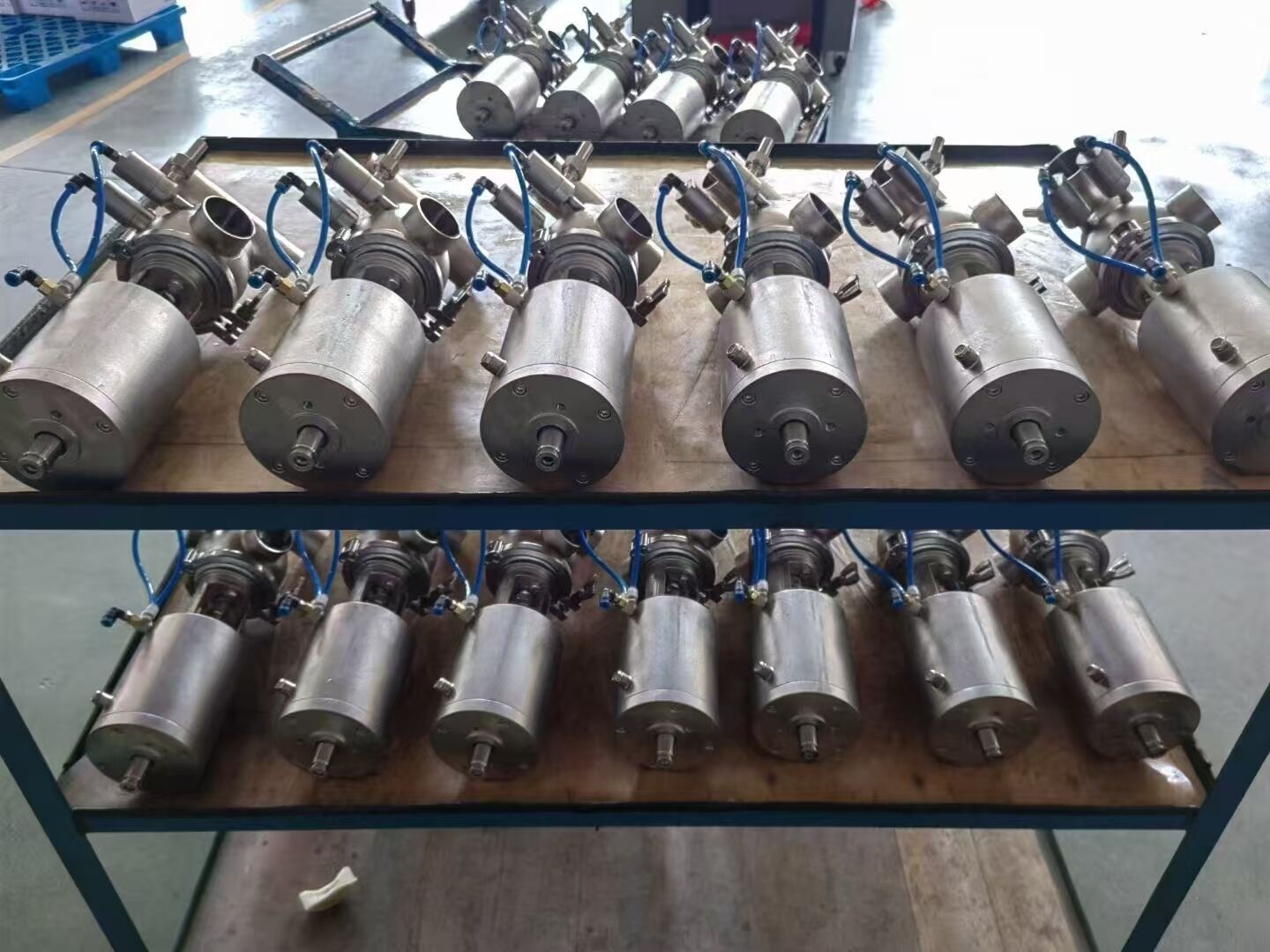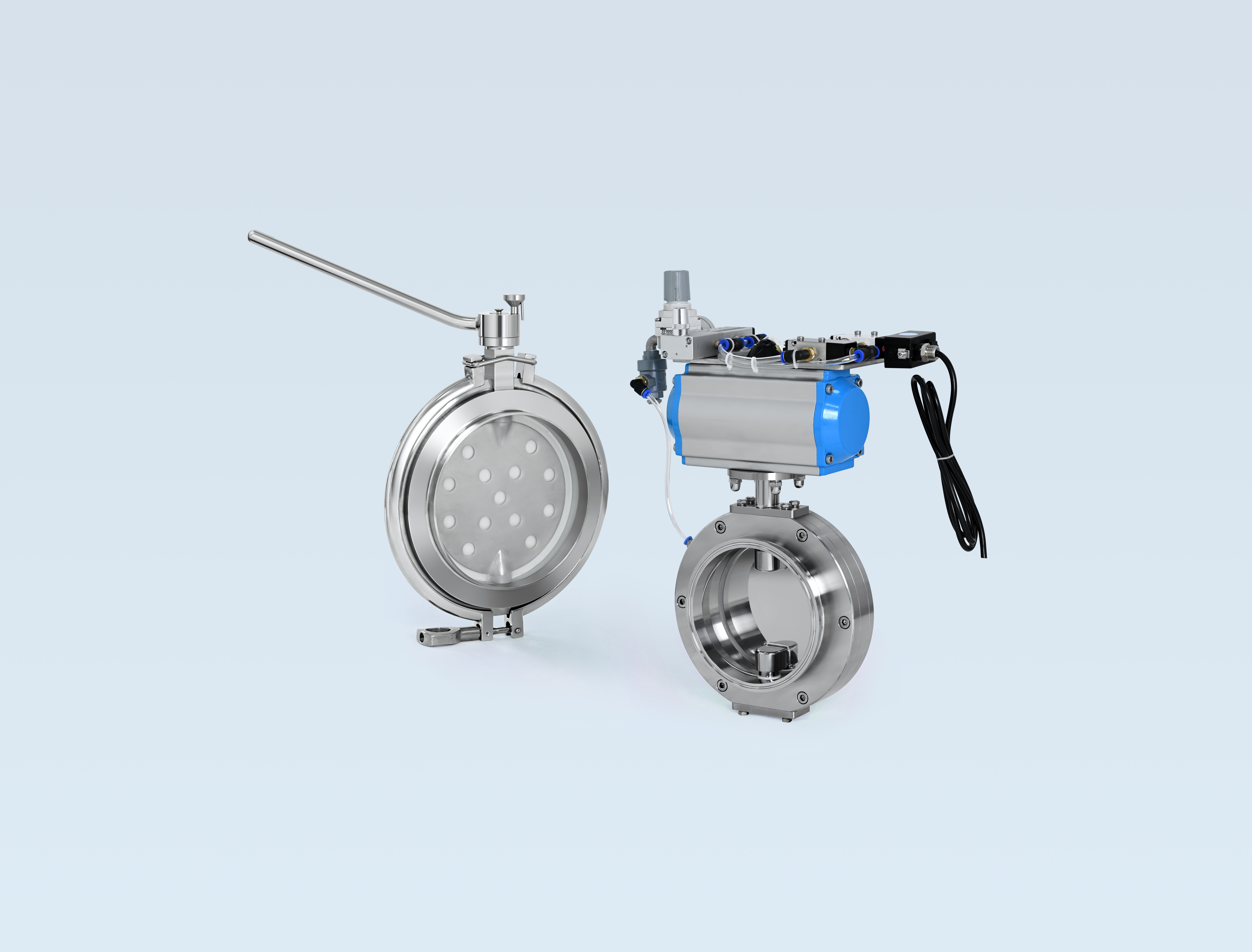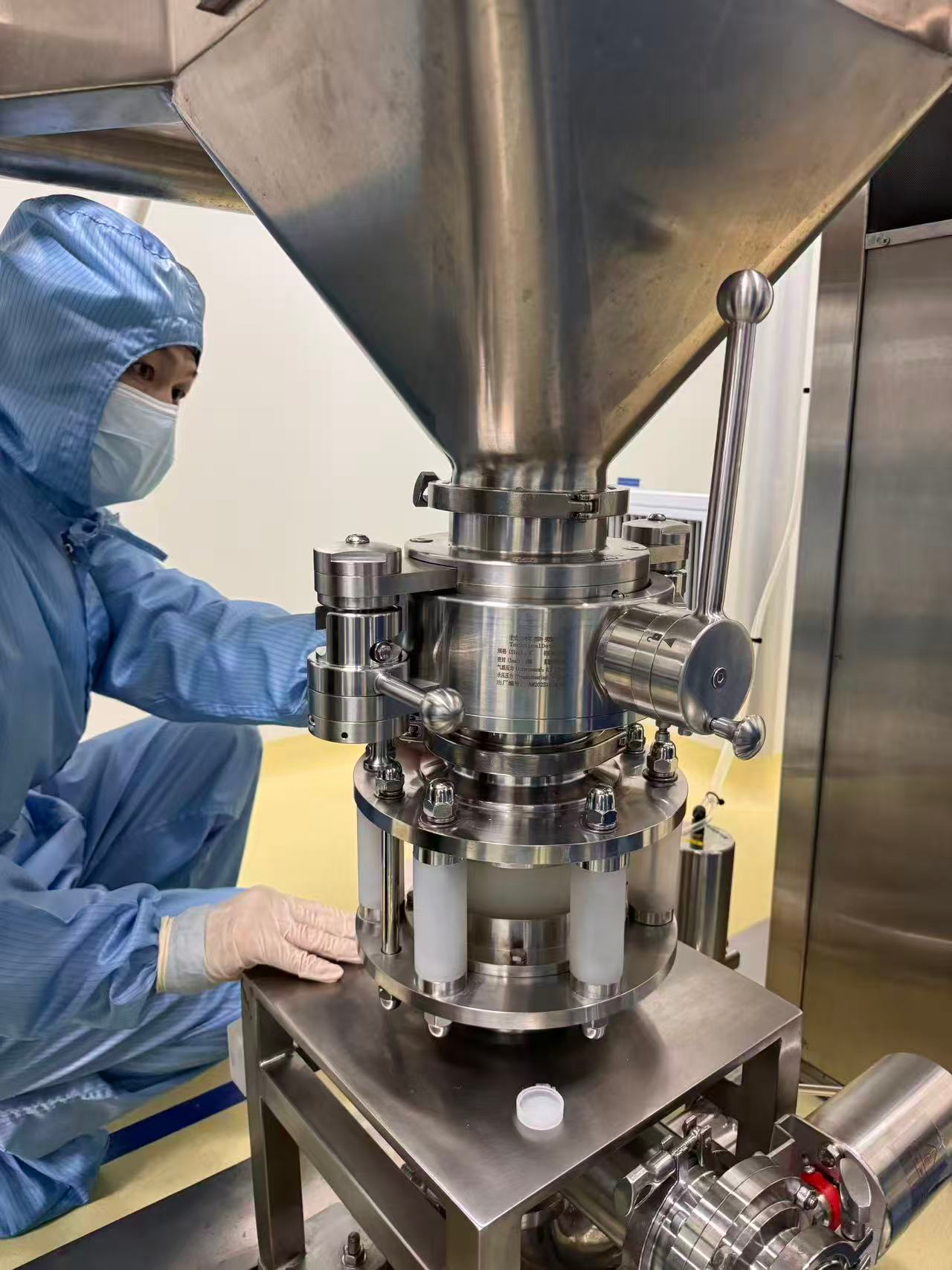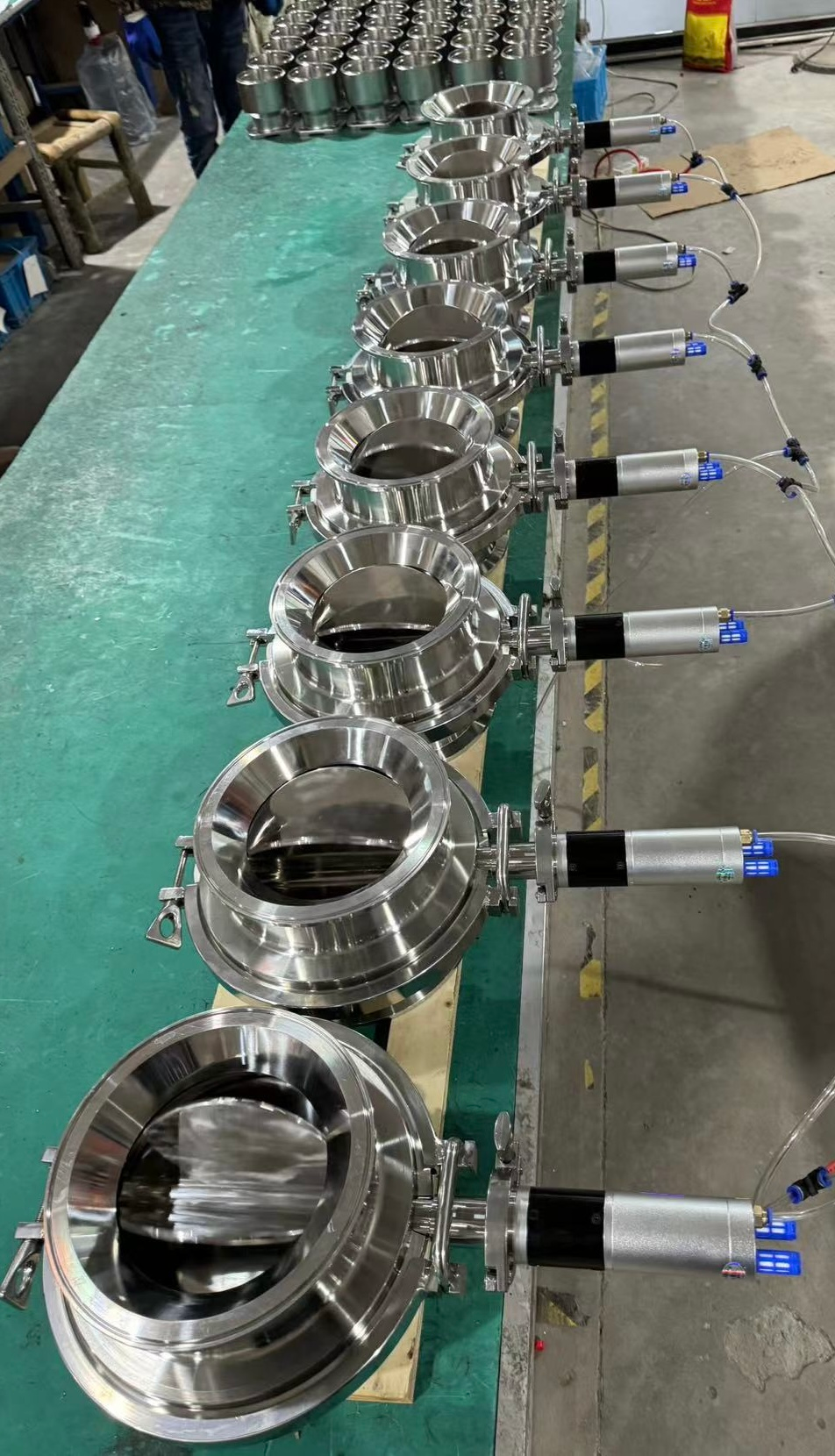
What Is a Powder Valve and Why It Matters in Bulk Material Handling Powder valves manage dry bulk materials like powders, pellets, and granules within industrial pneumatic and gravity fed systems. These valves do several important things at once they...
VIEW MORE
Selecting the Right Powder Valve for Flow Accuracy Matching Valve Type to Material Properties and Process Requirements Achieving consistent flow accuracy starts with aligning valve specifications with powder behavior and operational demands. Cohesive...
VIEW MORE
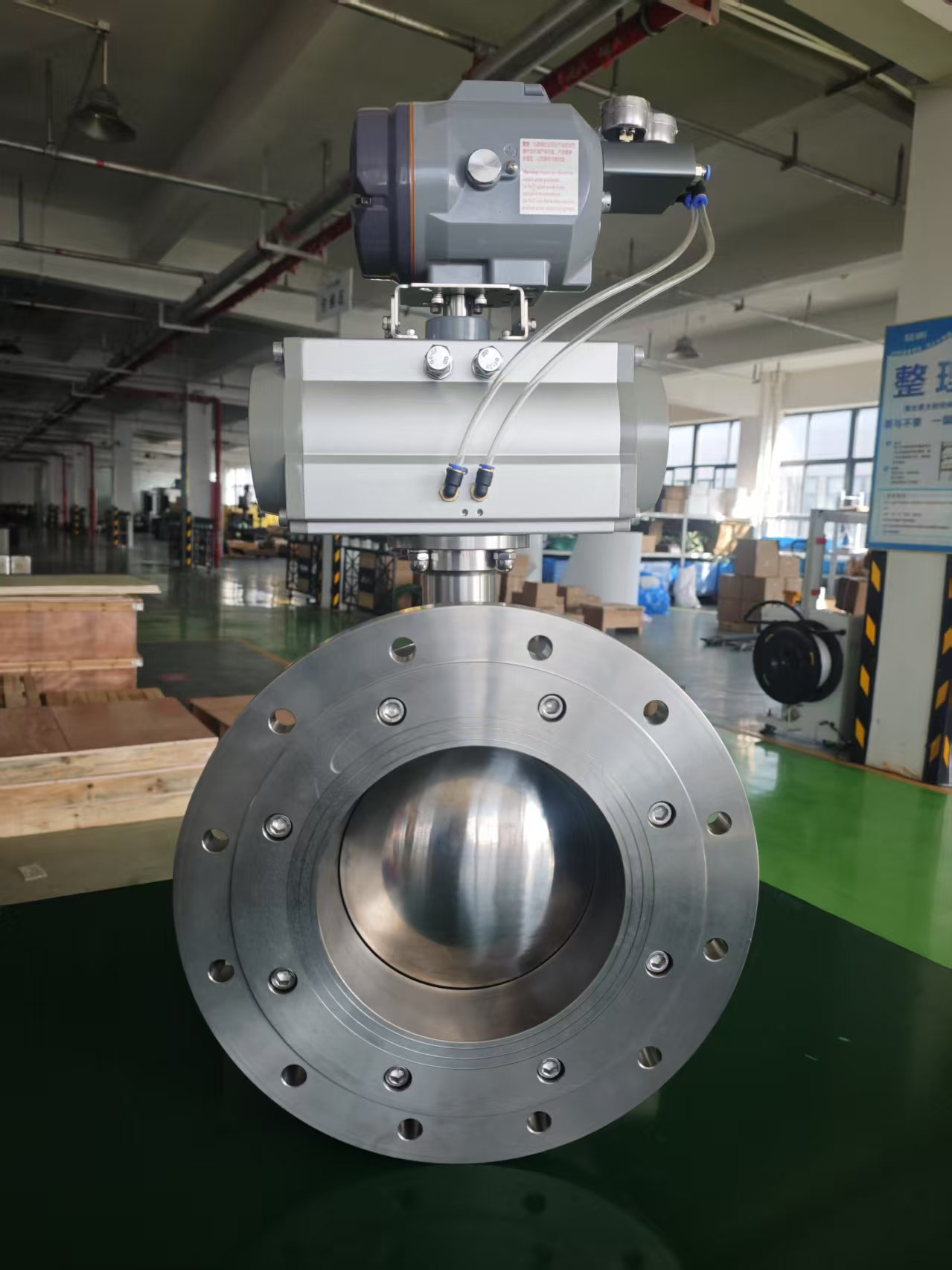
How Split Butterfly Valves Enable Zero-Leak Containment in High-Integrity Processes Dual-Disc Sealing Architecture and Active/Passive Unit Integration Split butterfly valves deliver essentially zero leaks thanks to their dual disc sealing design. On...
VIEW MORE
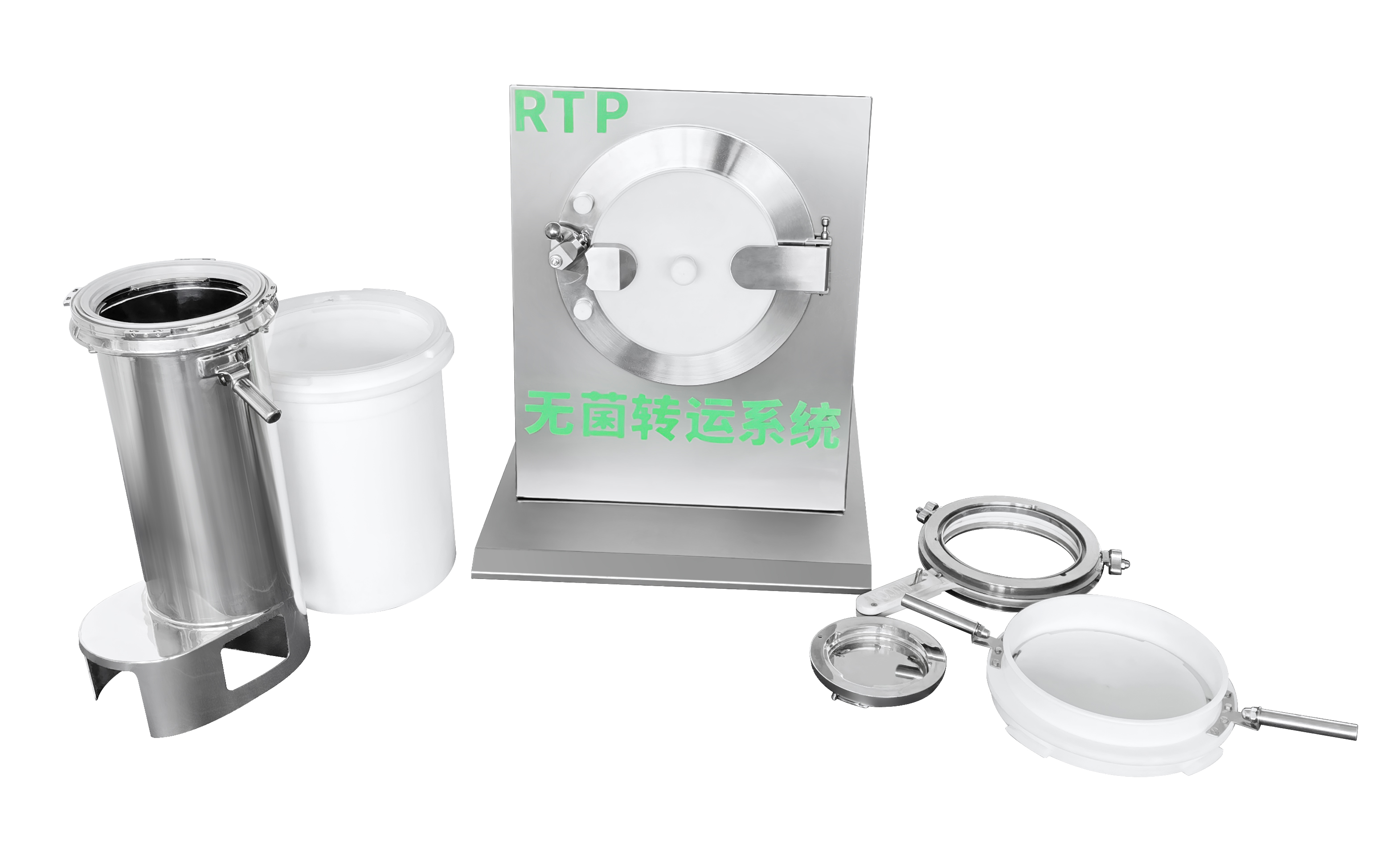
Core Design Advancements in Rapid Transfer Port ArchitectureNext-Generation Rapid Transfer Port Architectures: ERT, SLTP, and SRTPToday's fast transfer port systems come with three main design approaches worth noting: the Enclosed Rapid Transfer syst...
VIEW MORE
Dual-Halves Architecture: How the Split Butterfly Valve Enables Controlled, Fail-Safe Actuation Modular Active–Passive Unit Integration and Field-Serviceable Design Split butterfly valves feature a dual half design that keeps the moving parts ...
VIEW MORE
How Split Butterfly Valve Design Enables Bidirectional Flow ControlSplit Disc Architecture: Mechanical Separation for Independent Flow Path ManagementSplit disc valves work differently from traditional designs because they have two separate parts tha...
VIEW MORE
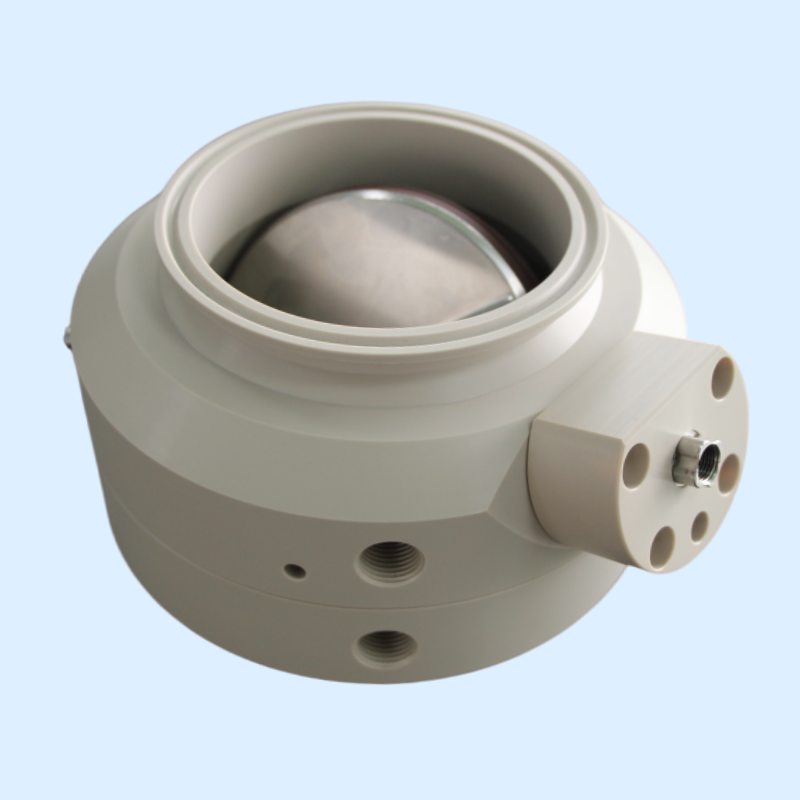
Why Material Selection Is Critical for Split Butterfly Valve ReliabilityWhat materials go into making a split butterfly valve has a major impact on how long it will last before failing in tough industrial settings. When the wrong materials are used, ...
VIEW MORE
Why Powder Valve Sizing Is Critical for Reliable Bulk Solids HandlingGetting the right size for powder valves makes all the difference when it comes to how well bulk solids systems perform over time. When valves are too small, they restrict material ...
VIEW MORE
Hygienic Design: Preventing Contamination Through Crevice-Free ConstructionWhy Conventional Valves Compromise Purity in Pharma and Food ProcessingMost traditional valves come with threaded connections, hidden bolts inside, and those tricky little poc...
VIEW MORE
Core Aseptic Transfer Challenges and Their Impact on Sterility AssuranceHuman-Induced Contamination in Manual Aseptic Transfer OperationsPeople still cause most contamination problems when doing manual aseptic transfers. When operators handle vials, ...
VIEW MORE
Why Powder Clogging Occurs: Bridging, Ratholing, and Flow Failure Root Causes: Cohesion, Aeration, and Particle Geometry When powder doesn't flow properly, it usually comes down to three main issues: how particles stick together, trapped air problem...
VIEW MORE
Matching Rotary Valve Design to Powder Flow Behavior Angle of Repose, Flow Function Number (FF), and Bridging Risk Assessment When looking at how powders flow, two key factors stand out for predicting bridging problems in rotary valves: the angle of...
VIEW MORE