 EN
EN
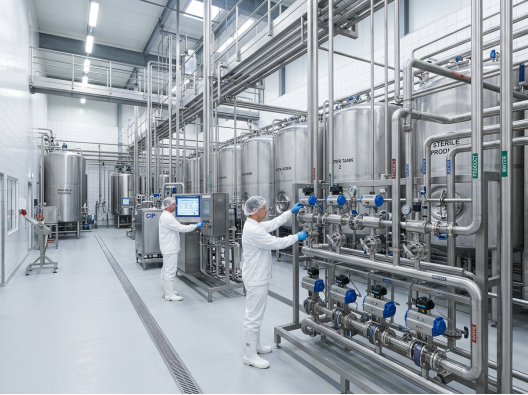
The aseptic mixproof valve is a highly specialized flow-control device engineered to allow two different fluids to flow independently through a single valve body with absolute assurance against intermixing — even under single-fault conditions. This fail-safe capability makes it indispensable in dairy, beverage, and pharmaceutical plants where product and CIP media share common piping infrastructure.
The operating principle centers on a double-seal plus leakage-detection-chamber architecture. Two independent seat seals create a small atmospheric drain cavity between them. Should either seal develop a leak, the escaping fluid drains harmlessly to atmosphere through a visible tell-tale port — never crossing into the opposing product stream. This "leak-before-mix" philosophy represents the highest level of product-safety assurance mandated by international food-safety regulations.
In ultra-high-temperature (UHT) milk processing, for example, sterile product and aggressive CIP solutions (typically 2% NaOH at 75 °C) must coexist in a common pipe matrix. A conventional single-seat valve failure would allow caustic to contaminate finished product — a catastrophic food-safety event. The mixproof valve's double-seal architecture completely eliminates this risk vector.
AVM manufactures its aseptic mixproof valves entirely from 316L stainless steel with FDA-compliant elastomer seat seals. Products are designed and inspected per DIN and 3-A Sanitary Standards, ensuring crevice-free internal geometries optimized for both CIP efficiency and SIP sterilization.
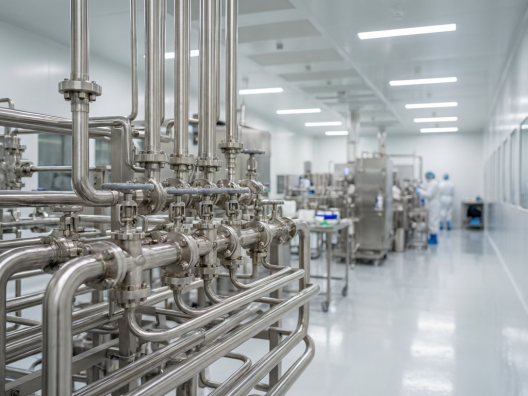
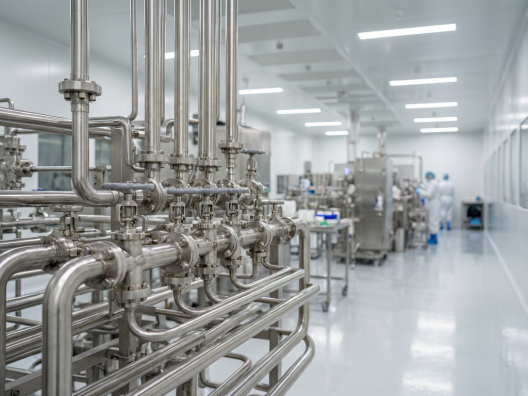
Selection parameters include: nominal bore (DN25–DN150); pressure class; flow coefficient (Cv/Kv); actuation type (normally-closed pneumatic is standard); seat-lift cleaning method (seat-lift flush); connection standard (DIN 11851, SMS, ISO, or Tri-Clamp); and operating temperature range. For high-cycling applications, engineers must also evaluate seat-seal service life and spare-part availability.
In pharmaceutical multi-product facilities, mixproof valves enable safe segregation of different drug-product streams sharing a common transfer panel. This reduces piping complexity, saves cleanroom floor space, and minimizes changeover time — while maintaining validated separation between product families.
AVM's ISO 9001 quality system and professional manufacturing capabilities — including Mazak CNC machining and comprehensive final inspection — ensure consistent product quality across production lots. The company's valves are exported globally and have accumulated extensive track records in dairy, food, beverage, and pharmaceutical service.