
AVM - Precision Material Conveyance Solutions for Pharma & Food Industries

All Categories
Prevent Cross-Contamination with Mixproof Valves

Prevent Cross-Contamination with Mixproof Valves

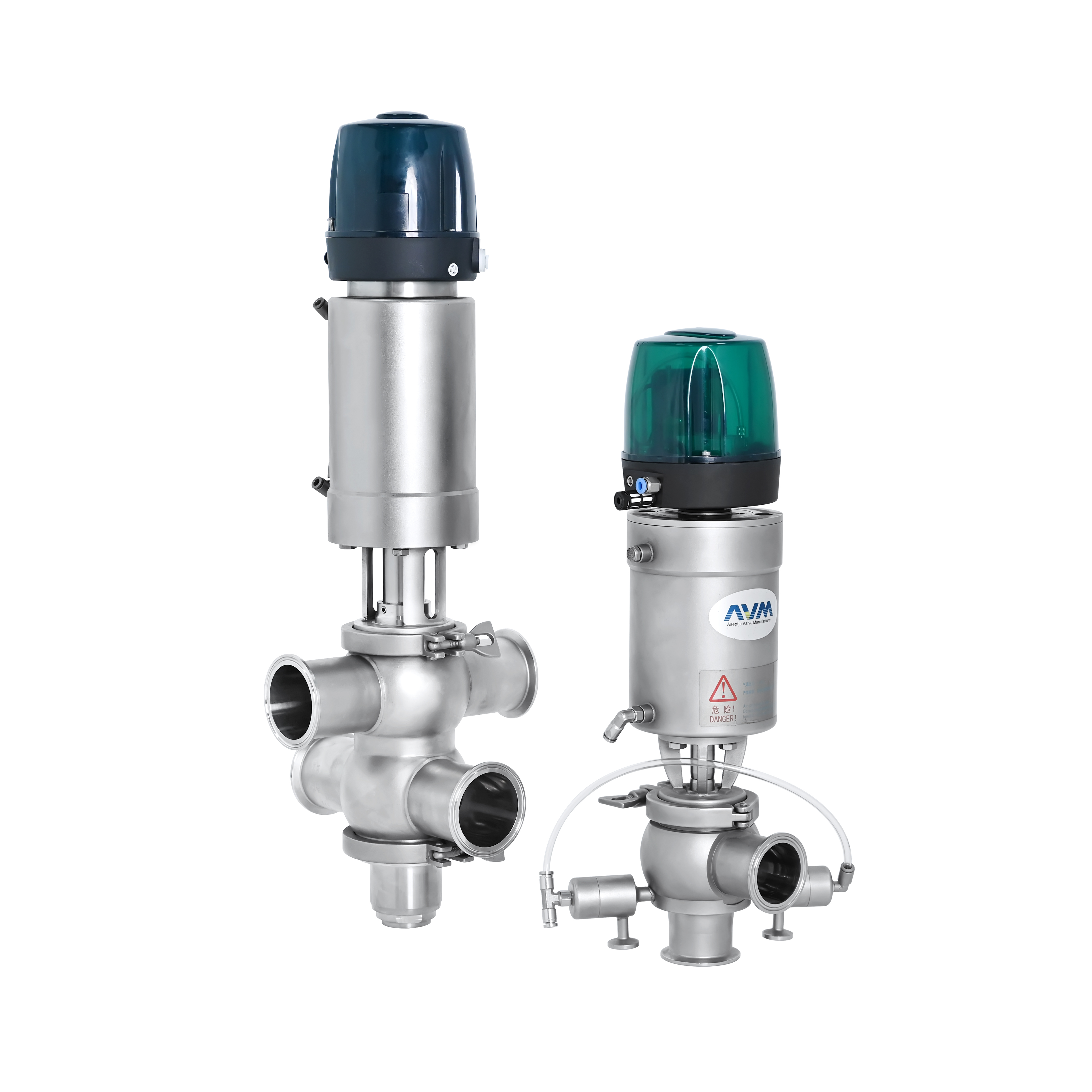
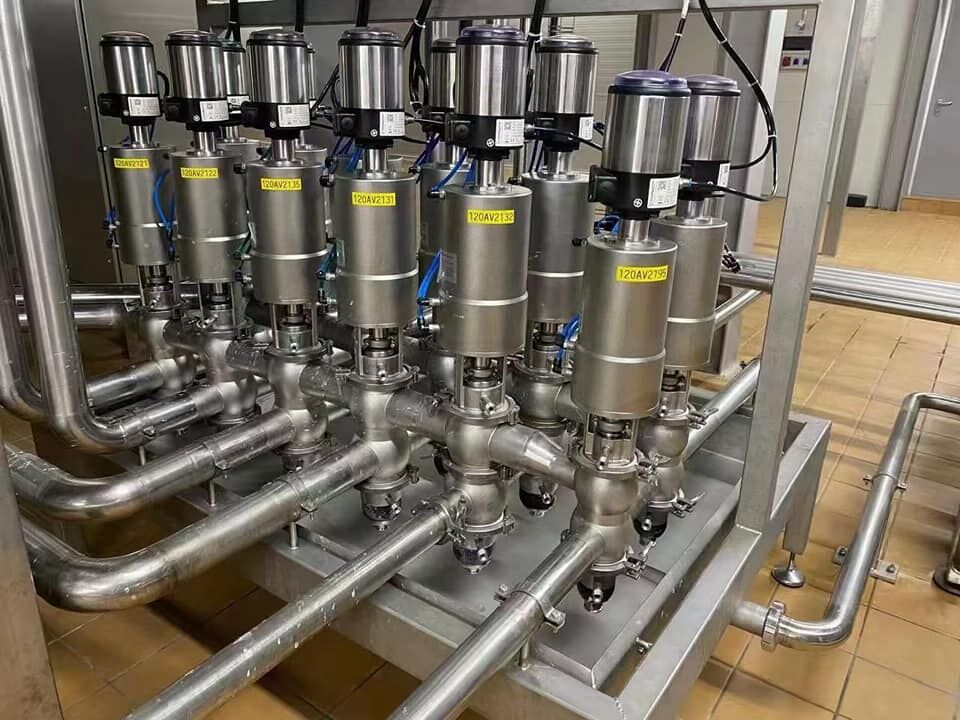
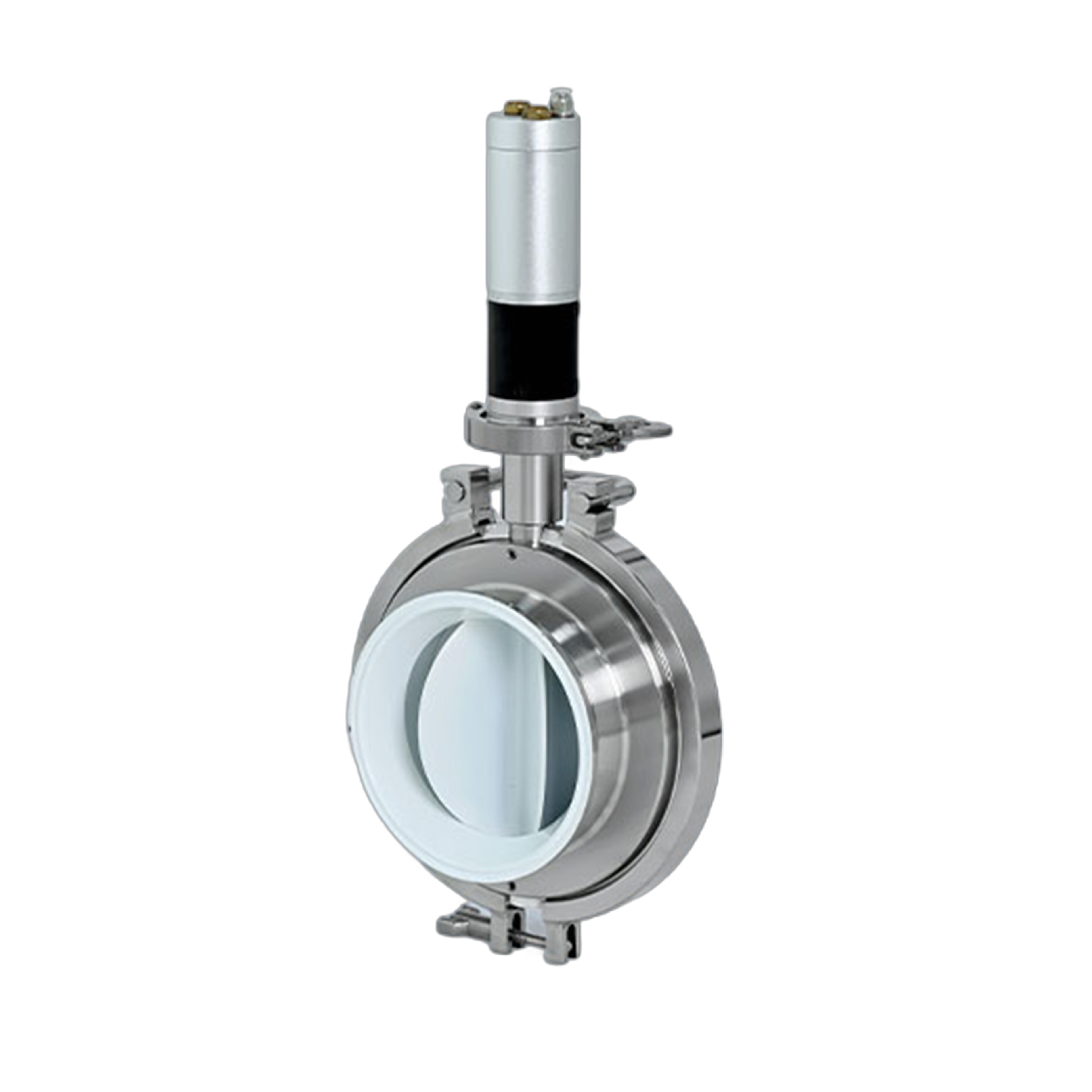
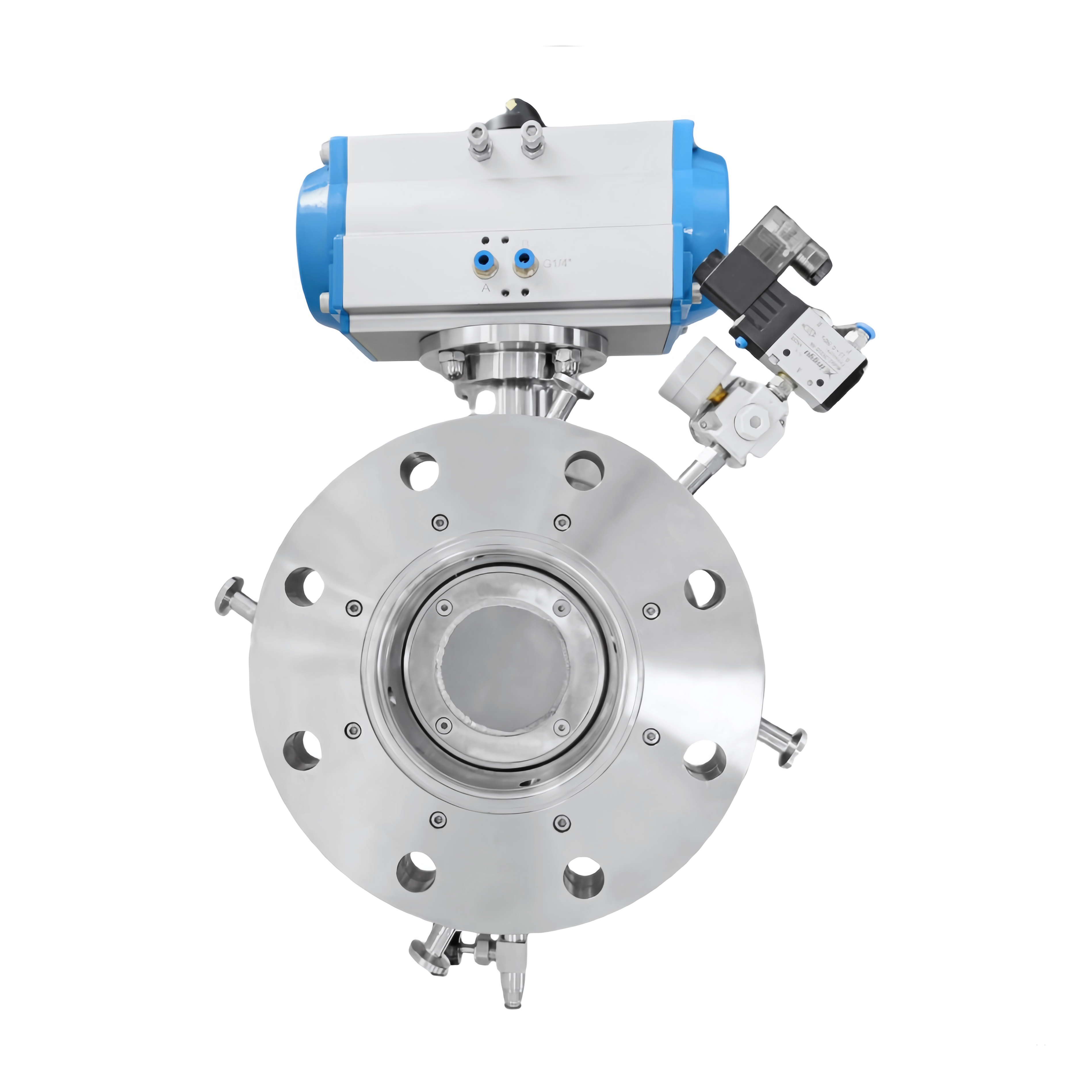
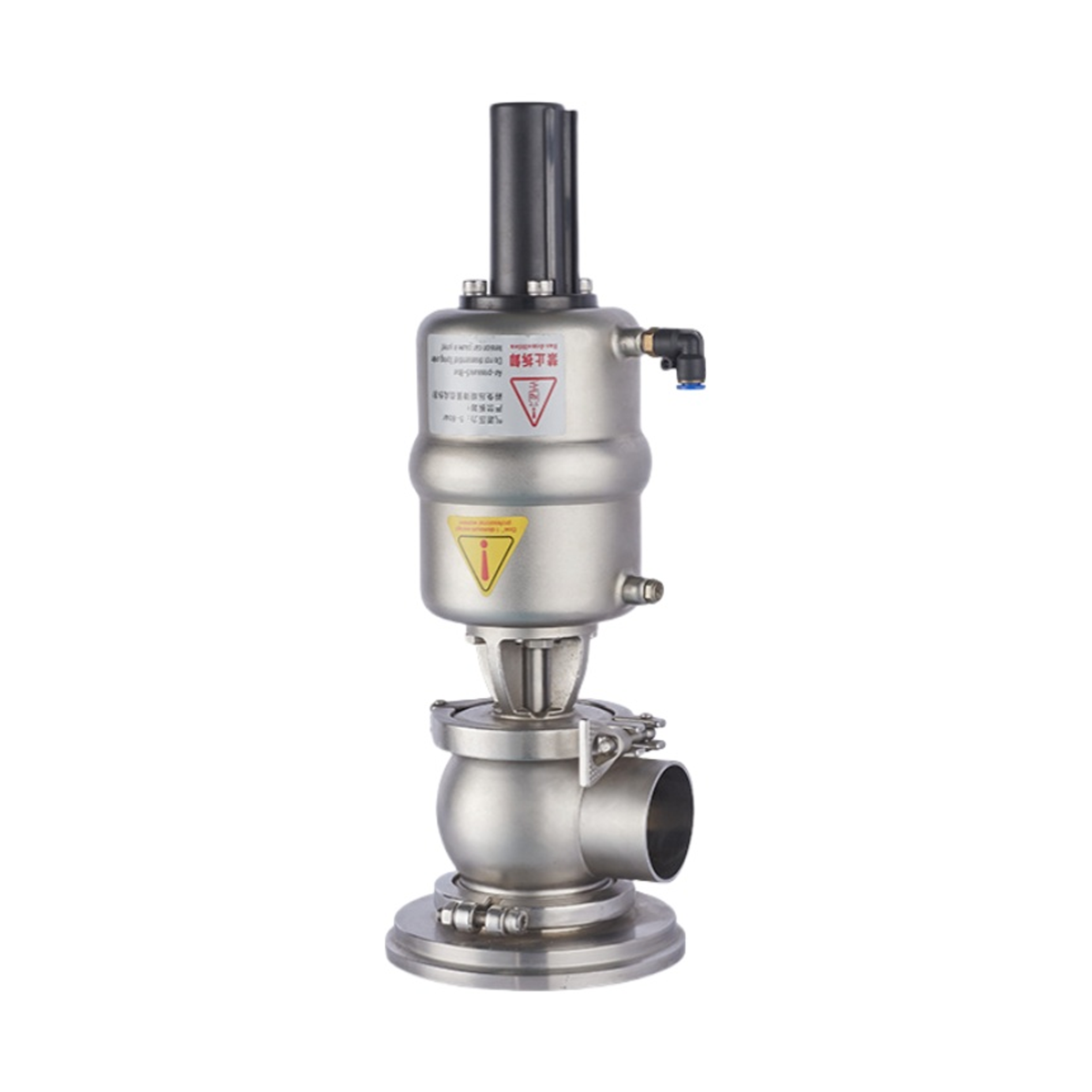
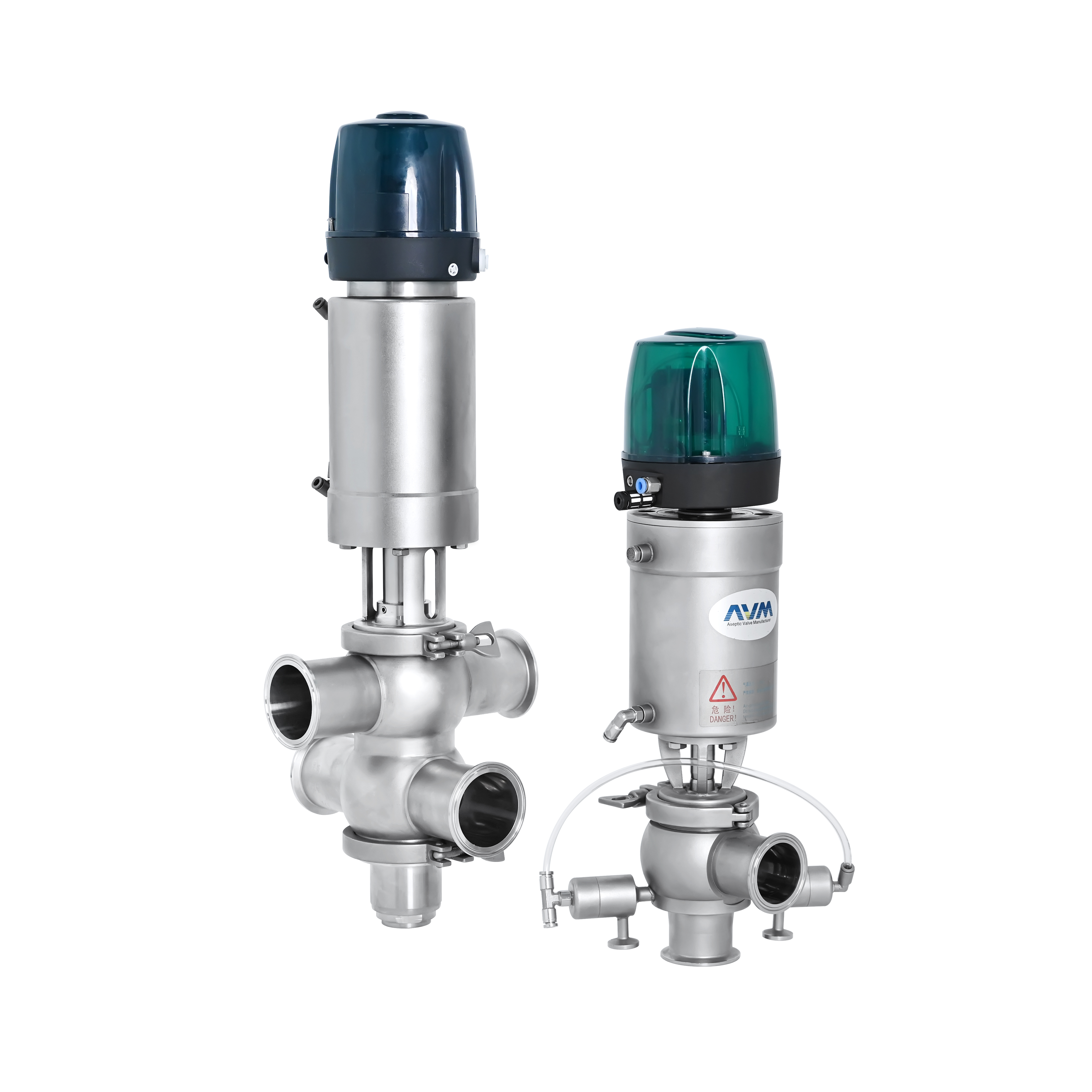
The Mixproof Valve is designed to prevent the mixing of different materials, particularly in sensitive industries such as food processing, pharmaceuticals, and chemicals. By ensuring that no two different substances can come into contact, the valve ensures the highest level of safety and product quality. It features a unique dual-sealing design and is particularly beneficial in systems where separate flows of fluids must be handled without any risk of cross-contamination, maintaining the integrity of each product stream.
Get A Quote

Why choose us?

Customized Solutions

Whether for small-scale production or large-scale applications, we offer customizable sizes and configurations to meet the specific needs of each client.

Reliable Performance

With robust construction and durable designs, our valves and equipment provide reliable and long-term performance in demanding industries such as chemicals and pharmaceuticals.

No Mechanical Parts

The powder valve utilizes dry gases to reduce particle friction, eliminating mechanical parts and setting a new standard in powder flow control, reducing wear and tear and maintenance costs.

Related products

AVM's stainless steel 316L mixproof valves offer superior corrosion resistance for aggressive media in chemical, pharmaceutical, and food industries. The 316L construction with Ra≤0.8μm polish meets 3A, FDA, and EHEDG standards, ensuring hygiene and durability. Double-seat design with pressure-monitored intermediate chambers prevents cross-contamination. Engineered with Japanese Mazak CNC technology for precision. Inquire about our 316L mixproof valves.

Frequently Asked Questions

What is the advantage of using a Diaphragm Valve?

Diaphragm Valves are ideal for industries requiring high purity fluids. They feature a diaphragm that isolates the valve mechanism from the fluid, reducing contamination risk. They are easy to maintain and offer reliable performance in controlling corrosive or sensitive fluids.
Sanitary Butterfly Valves are designed to maintain high hygiene standards in industries like food and beverage. Made of stainless steel and treated to prevent bacterial growth, they control fluid flow while ensuring no contamination in the production process.
A Ball Segment Valve uses an elliptical design to ensure better wear resistance, making it ideal for abrasive materials. A Segment Ball Valve typically has a V-shaped flow path, allowing for precise flow control in industries like chemicals, paper, and textiles.
A Split Butterfly Valve is mounted between two flanges in a pipe and is used to control the flow of fluids or gases. Its compact design makes it ideal for tight spaces, commonly found in water systems, HVAC, and industrial piping systems.
Rotary Valves are used to control the flow of powdered materials, providing accurate metering and gas-locking capabilities. They are crucial in industries like food, pharmaceuticals, and chemicals for maintaining flow consistency and preventing material leaks.

Related Articles

Corrosion-Resistant Diaphragm Valves: Ideal for High-Viscosity Fluids in Food Industry

18

Jun

Corrosion-Resistant Diaphragm Valves: Ideal for High-Viscosity Fluids in Food Industry

Understanding Corrosion-Resistant Diaphragm Valve Mechanics Hygienic design in the pharmaceutical industries places particular emphasis on the use of corrosion-resistant diaphragm valves. They work by using a diaphragm as the movable barrier ...
View More
Pneumatic Actuated Mixproof Valves: Enhancing Efficiency in Chemical Processing

18

Jun

Pneumatic Actuated Mixproof Valves: Enhancing Efficiency in Chemical Processing

Mixproof Valve Fundamentals for Chemical Processing Understanding Double Seat Mixproof Valve Design Double seat mixproof valves play a key role in stopping different fluids from getting mixed up in industries that handle several liquid streams at on...
View More
Explosion-Proof Pneumatic Control Valves: Ensuring Safety in Hazardous Environments

17

Jul

Explosion-Proof Pneumatic Control Valves: Ensuring Safety in Hazardous Environments

Basics of Explosive Proof Pneumatic Valves   Core Parts and Functions   Explosion proof pneumatic control valves have three main components: the actuator, the body, and the seat. Each part contributes to keeping these system...
View More
How to Choose the Right Pneumatic Control Valve for Pharmaceutical Systems

17

Jul

How to Choose the Right Pneumatic Control Valve for Pharmaceutical Systems

Important Features of Pneumatic Control Valves Within the Pharmaceutical Industry   Effective Flow Control of Active Pharmaceutical Ingredients   Getting flow control right matters a lot in pharmaceutical manufacturing acros...
View More

customer evaluation

Emma Davis
Superior Isolation for Food Processing Hygiene

Our juice production line requires strict separation between processing fluids and product streams. These valves' dual-seat design with intermediate seal chambers have eradicated any risk of flavor contamination. The quick-disconnect feature simplifies routine inspections, and the compliance with FDA regulations gives our quality control team peace of mind.

Robert Martinez
Reliable Barrier in Chemical Intermediates Production

Handling toxic chemicals demands fail-safe isolation, and these valves deliver. The double-closure mechanism has prevented any cross-mixing in our multi-stage synthesis reactors, even under fluctuating pressures. The pneumatic actuation ensures rapid shutdown in emergency scenarios, enhancing our plant's safety profile.

Get a Free Quote

Our representative will contact you soon.
Email
Mobile/WhatsApp
Name
Company Name
Message
0/1000
Mixproof Valves: Dual-Seat Isolation for Contamination-Free Operations

Mixproof Valves: Dual-Seat Isolation for Contamination-Free Operations

Designed with double seats and intermediate seal chambers, AVM's Mixproof Valves prevent media cross-contamination in food, pharma, and chemical processes. Ideal for CIP systems, they create a sterile barrier between cleaning fluids and production streams. Compliant with GMP, FDA, and 3A standards, their robust construction withstands frequent sanitization, while the dual-closure design ensures safety in high-risk applications.