Industrial Valves for Sanitary & Hazardous Material Handling | AVM

All Categories
High-Security Rapid Transfer Ports for Sterile Material Handling

High-Security Rapid Transfer Ports for Sterile Material Handling

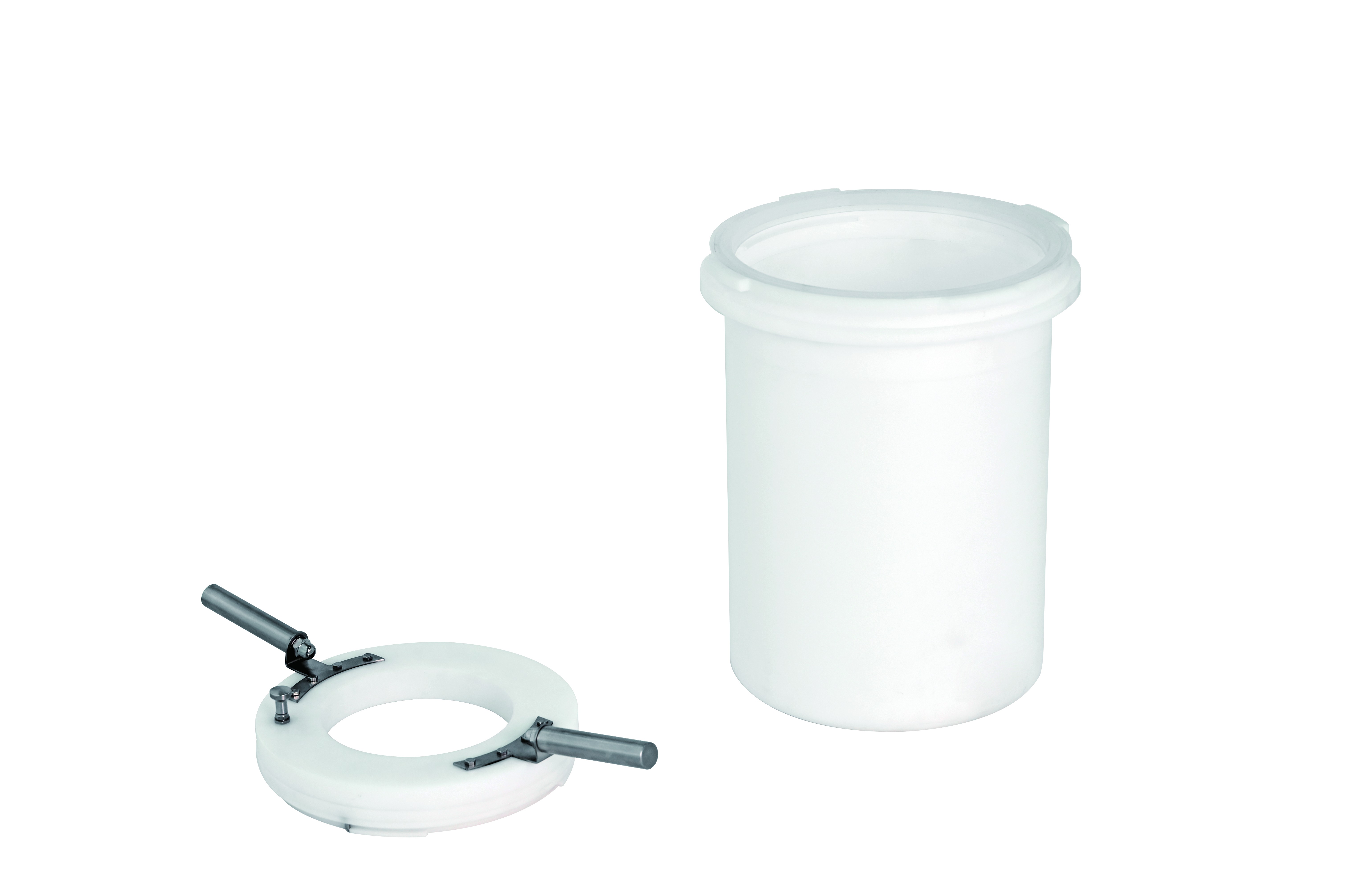
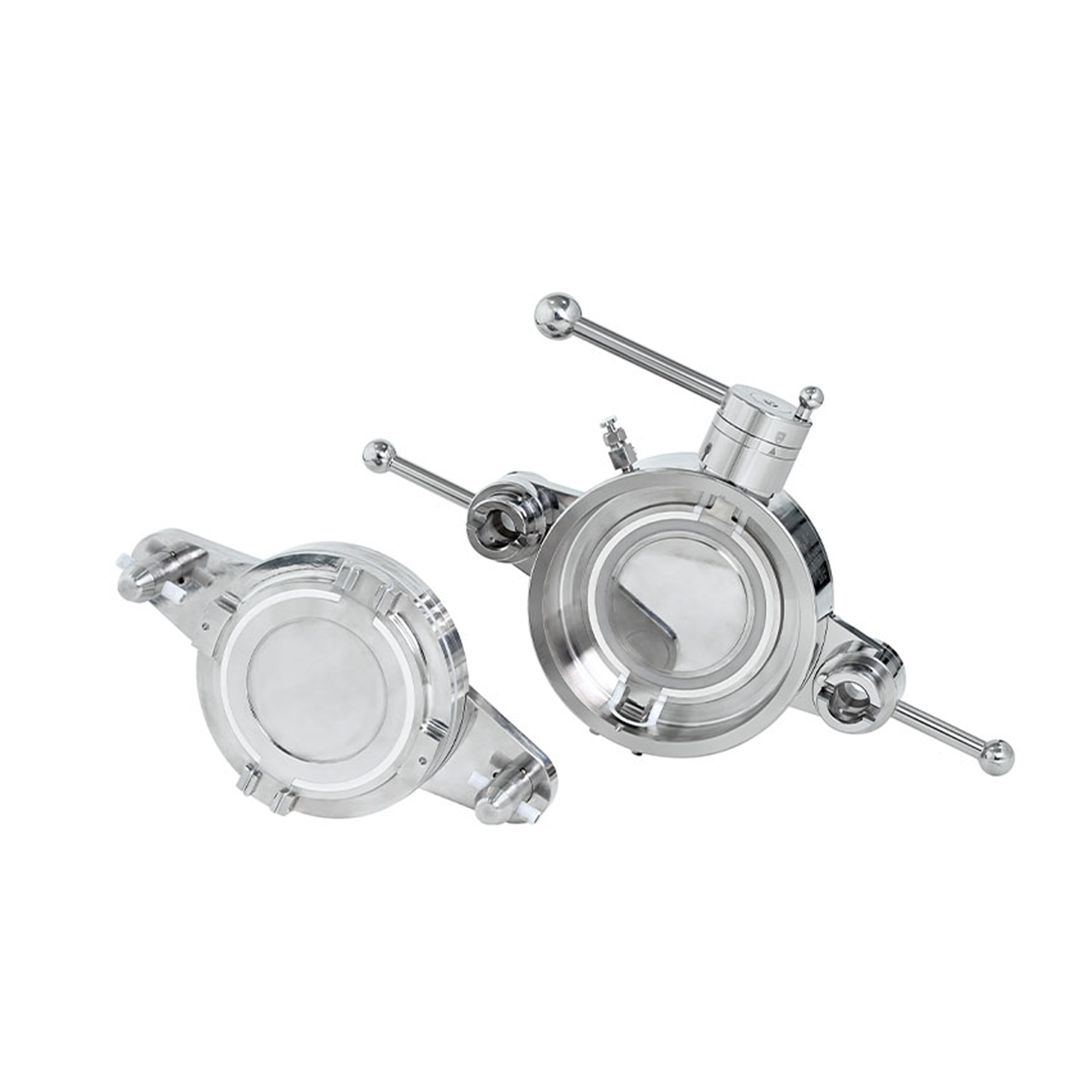
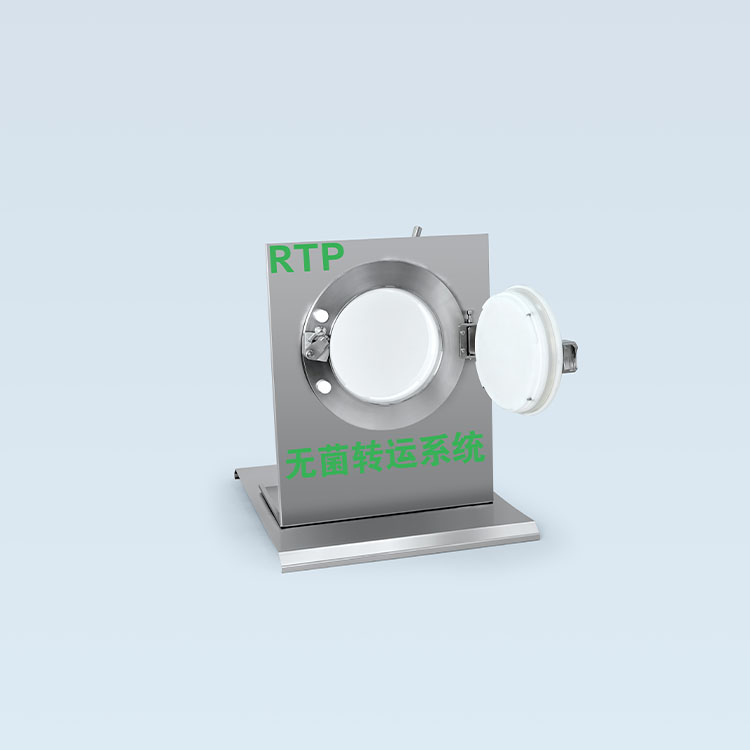
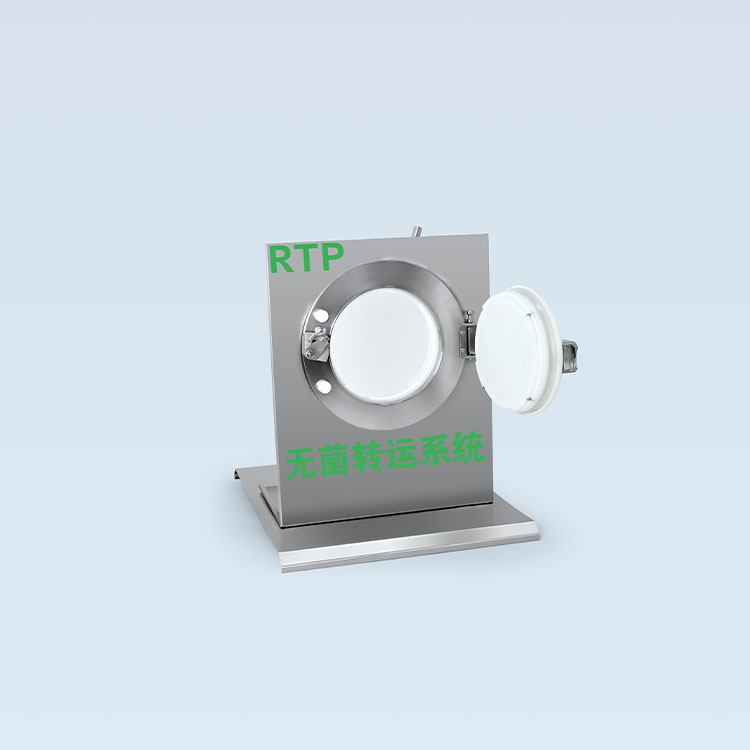
Rapid Transfer Ports (RTP) are an essential tool in maintaining sterile conditions during material transfers in environments such as pharmaceutical manufacturing, biotech labs, and cleanrooms. These ports feature a double-door system that ensures no contamination occurs during transfer between sterile zones. Their ergonomic design includes a low-effort handle mechanism that allows easy opening with minimal force, improving operator safety and efficiency. Designed for simple maintenance, the ports have smooth surfaces and no exposed fasteners, making them easy to clean and decontaminate. Ideal for environments requiring high sterility, RTPs protect the integrity of sensitive materials, ensuring compliance with strict industry standards for contamination control.
Get A Quote


Why choose us?

Innovative Design

Our products, such as the rapid transfer port, feature cutting-edge design, ensuring a seamless integration into high-demand environments where cleanliness and contamination control are crucial.

Advanced Safety Features

With features like a streamlined interlocking system and user-friendly handle design, our products enhance operational safety, reducing physical strain and minimizing contamination risks.

Efficient Sterile Transfer

Our rapid transfer ports are ideal for sterile environments, offering double-door transfer systems that maintain the integrity of isolation and prevent contamination.

Related products

AVM's rapid transfer ports for aseptic connections combine mechanical/pneumatic sealing with ergonomic design, suitable for isolators, autoclaves, and processing equipment. The leak-proof seals meet ISO 14644-1 standards, ensuring asepsis in critical drug manufacturing and biotech research.

Frequently Asked Questions

What is the function of a Rapid Transfer Port?

A Rapid Transfer Port (RTP) is designed for efficient and safe material transfer in environments that require strict cleanliness, such as in life sciences. It uses a dual-door system to maintain sterile or toxic-free conditions during two-way transfers, ensuring safety without compromising isolation.
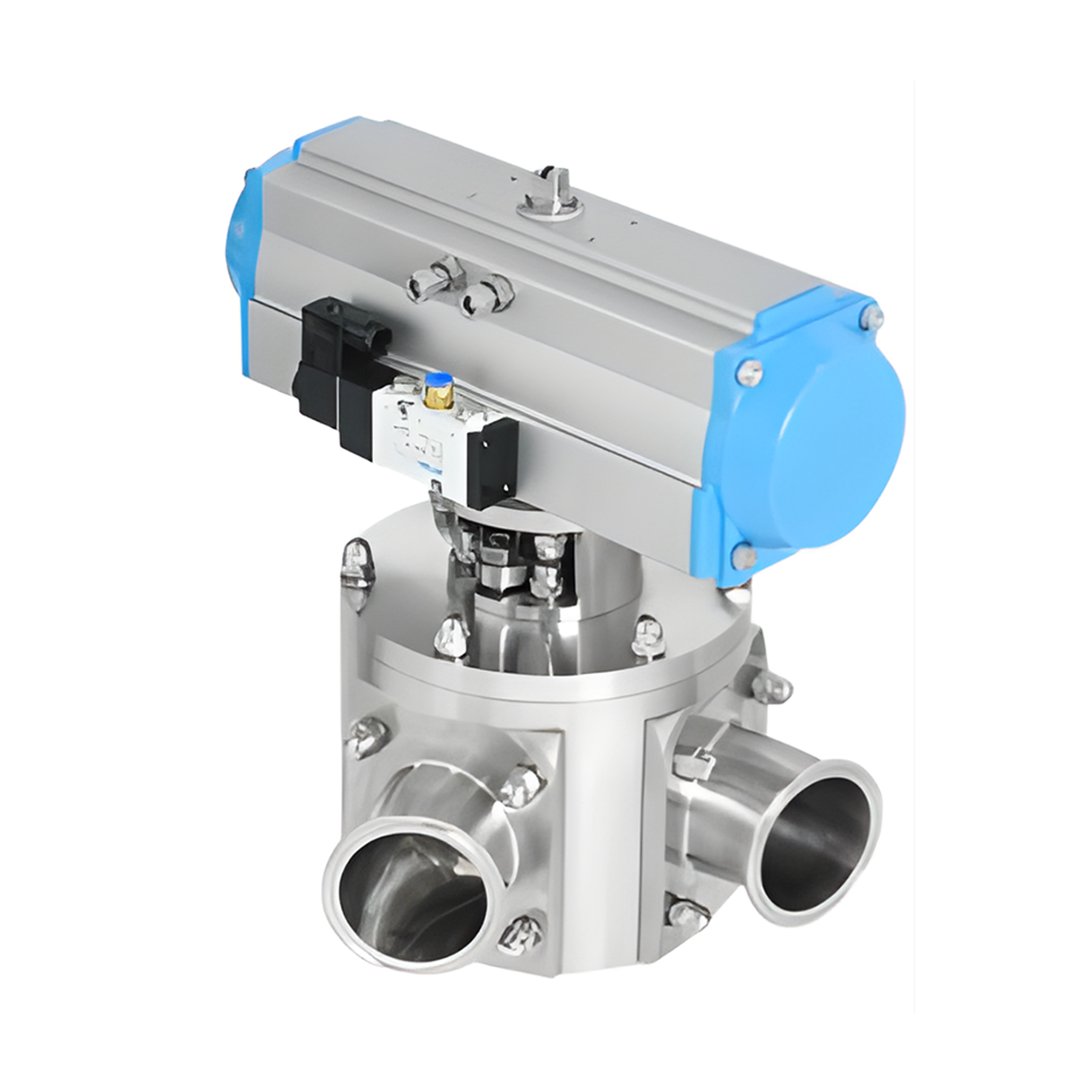
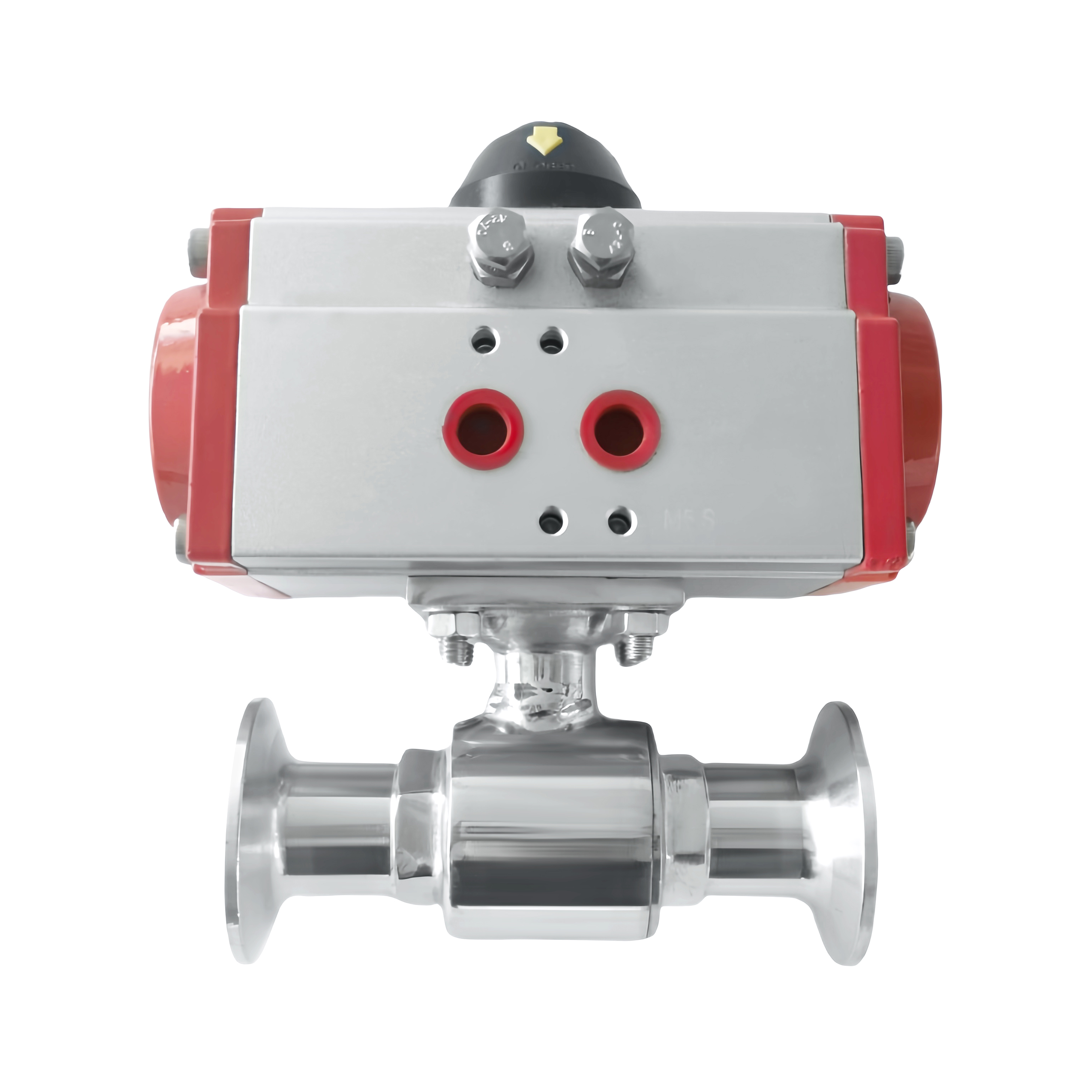
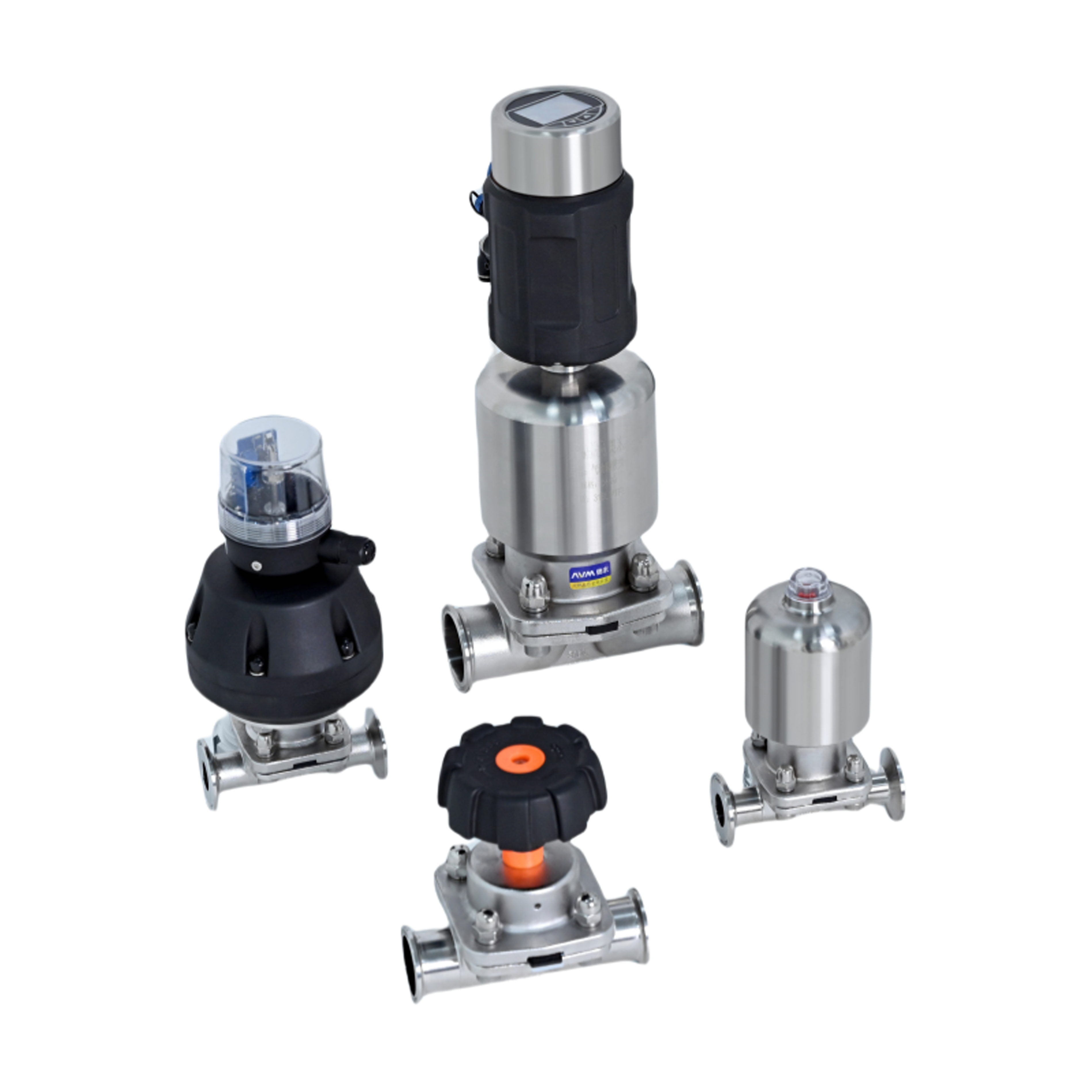
Pneumatic Control Valves use compressed air to actuate the valve, controlling the flow of gases or liquids. Commonly used in industrial automation and chemical processing, they provide precise flow control, require minimal maintenance, and are ideal for hazardous environments.
A Powder Valve controls the flow of powdered materials using dry gases to reduce friction and prevent blockages. It ensures smooth flow by avoiding mechanical shear and can be customized for different scales, from small batches to large-scale production.
A Ball Segment Valve uses an elliptical design to ensure better wear resistance, making it ideal for abrasive materials. A Segment Ball Valve typically has a V-shaped flow path, allowing for precise flow control in industries like chemicals, paper, and textiles.
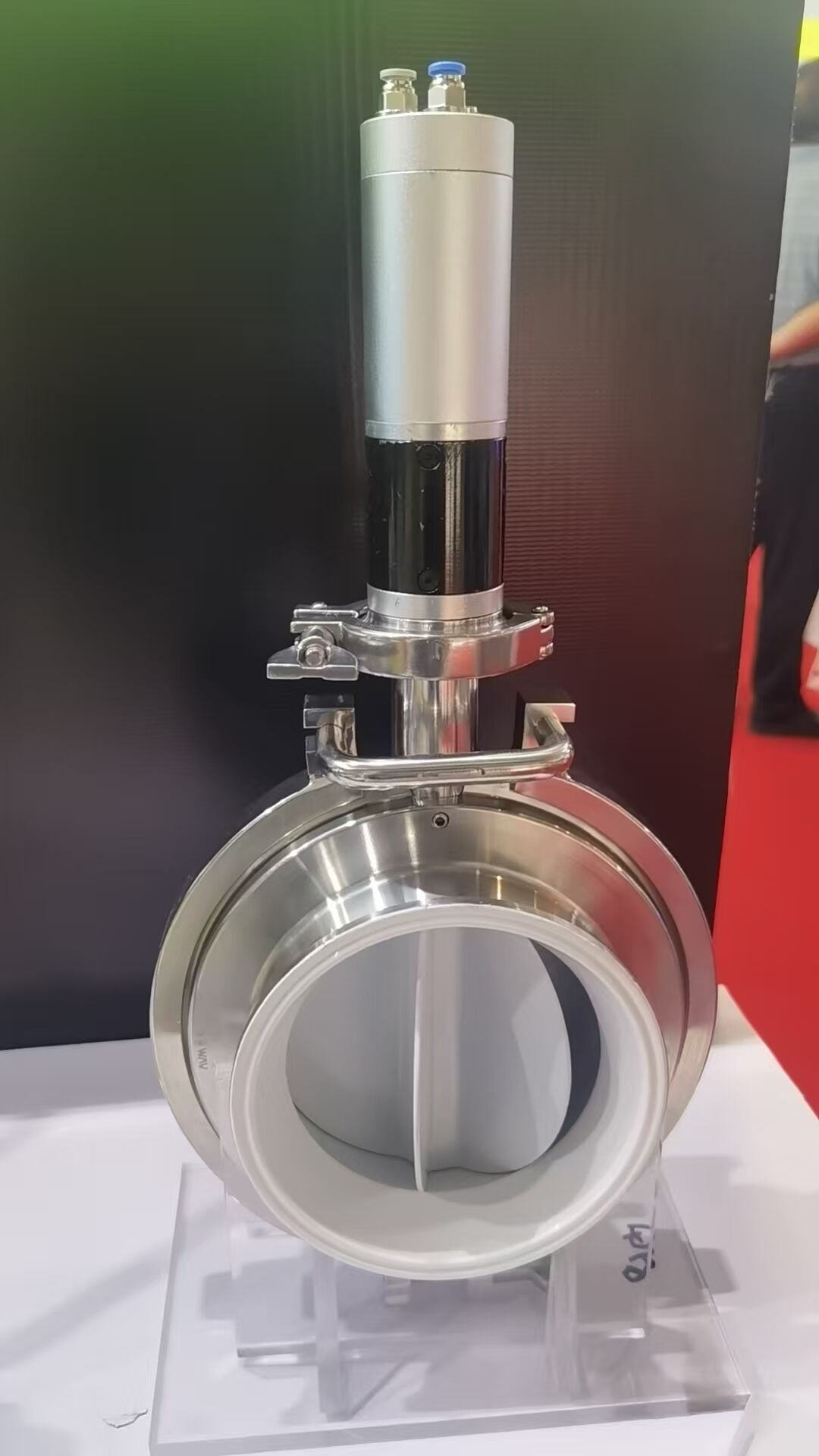
A Split Butterfly Valve is mounted between two flanges in a pipe and is used to control the flow of fluids or gases. Its compact design makes it ideal for tight spaces, commonly found in water systems, HVAC, and industrial piping systems.

Related Articles

Corrosion-Resistant Diaphragm Valves: Ideal for High-Viscosity Fluids in Food Industry

18

Jun

Corrosion-Resistant Diaphragm Valves: Ideal for High-Viscosity Fluids in Food Industry

Understanding Corrosion-Resistant Diaphragm Valve Mechanics Hygienic design in the pharmaceutical industries places particular emphasis on the use of corrosion-resistant diaphragm valves. They work by using a diaphragm as the movable barrier ...
View More
Rapid Transfer Port: Ensuring Safe Material Transfer

25

Nov

Rapid Transfer Port: Ensuring Safe Material Transfer

Understanding Rapid Transfer Ports and Their Role in ContainmentWhat Is a Rapid Transfer Port (RTP)?A Rapid Transfer Port (RTP) is a closed-system technology that enables sterile material transfer between two isolated environments while maintaining c...
View More
Selecting Rotary Valve for Specific Powder Characteristics

11

Dec

Selecting Rotary Valve for Specific Powder Characteristics

Matching Rotary Valve Design to Powder Flow Behavior Angle of Repose, Flow Function Number (FF), and Bridging Risk Assessment When looking at how powders flow, two key factors stand out for predicting bridging problems in rotary valves: the angle of...
View More
Choosing the Right Size of Powder Valve for Your Production

11

Dec

Choosing the Right Size of Powder Valve for Your Production

Why Powder Valve Sizing Is Critical for Reliable Bulk Solids HandlingGetting the right size for powder valves makes all the difference when it comes to how well bulk solids systems perform over time. When valves are too small, they restrict material ...
View More

customer evaluation

Maria Garcia
Efficient Aseptic Docking in Bioreactor Operations

In our large-scale fermentation facility, these RTP ports enable quick media additions without breaking sterility. The manual override feature ensures operations continue during power fluctuations, and the visual alignment indicators simplify operator training. They've reduced our bioreactor downtime by 40%.

Lisa Taylor
Aseptic Flexibility in Laboratory Scale-Ups

Transitioning from R&D to pilot production, these RTP ports have simplified our aseptic transfers. The compact design fits tight fume hood spaces, and the reusable stainless steel construction offers cost savings over single-use systems. They've become essential for our GMP-compliant process validation.

Get a Free Quote

Our representative will contact you soon.
Email
Mobile/WhatsApp
Name
Company Name
Message
0/1000
Rapid Transfer Port (RTP): Quick Aseptic Connection Solution

Rapid Transfer Port (RTP): Quick Aseptic Connection Solution

AVM's RTP systems enable rapid, tool-free docking of sterile chambers with mechanical/pneumatic seals. Ideal for pharmaceutical production and labs, they ensure leak-proof connections during material transfer. With modular designs and stainless-steel construction, they withstand autoclaving and meet GMP requirements, enhancing efficiency in aseptic processes.