Industrial Valves for Sanitary & Hazardous Material Handling | AVM

All Categories
Seamless and Sterile Material Transfers with Rapid Transfer Ports

Seamless and Sterile Material Transfers with Rapid Transfer Ports

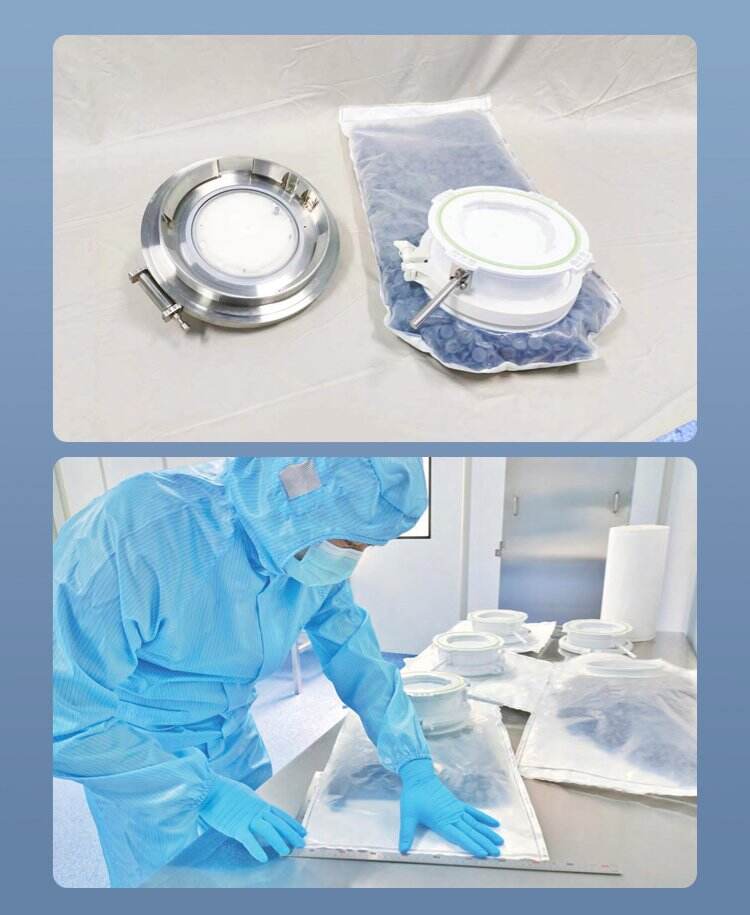
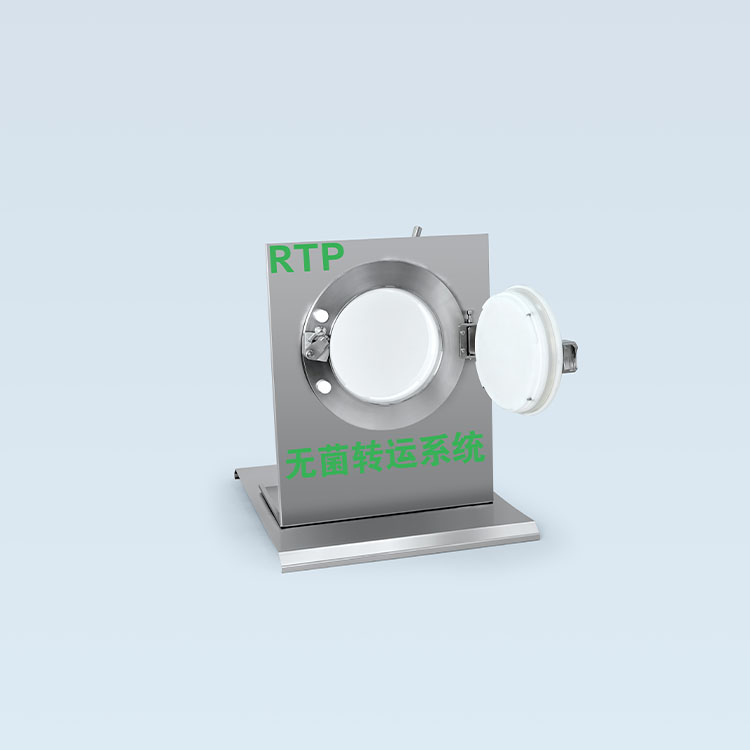
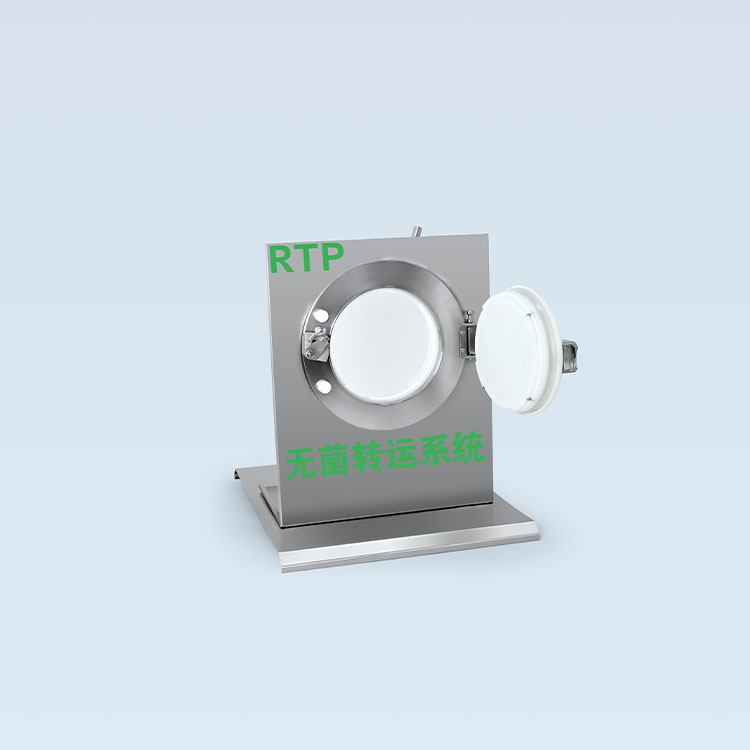
Rapid Transfer Ports (RTP) are designed for high-efficiency and safe material transfers in environments where sterility is essential, such as in pharmaceutical and biotech industries. These ports are equipped with a double-door system that ensures no contamination occurs when transferring materials between sterile zones. The innovative handle design minimizes the force needed to break the seal on beta containers, reducing operator effort and increasing safety. Additionally, the ports come with a streamlined interlocking mechanism and smooth, easy-to-clean surfaces, making them ideal for maintaining sterility in controlled environments. The design makes RTPs an invaluable asset in situations involving hazardous or sensitive materials, ensuring a secure and contamination-free transfer process.
Get A Quote


Why choose us?

Innovative Design

Our products, such as the rapid transfer port, feature cutting-edge design, ensuring a seamless integration into high-demand environments where cleanliness and contamination control are crucial.

Advanced Safety Features

With features like a streamlined interlocking system and user-friendly handle design, our products enhance operational safety, reducing physical strain and minimizing contamination risks.

Efficient Sterile Transfer

Our rapid transfer ports are ideal for sterile environments, offering double-door transfer systems that maintain the integrity of isolation and prevent contamination.

Related products

AVM's sterile rapid transfer ports for bioprocessing support aseptic operations in cell therapy and gene editing, with gamma-sterilized components and USP Class VI materials. The single-use or reusable designs integrate with bioreactors, maintaining sterility throughout cell culture and purification workflows.

Frequently Asked Questions

How does a Pneumatic Control Valve work?

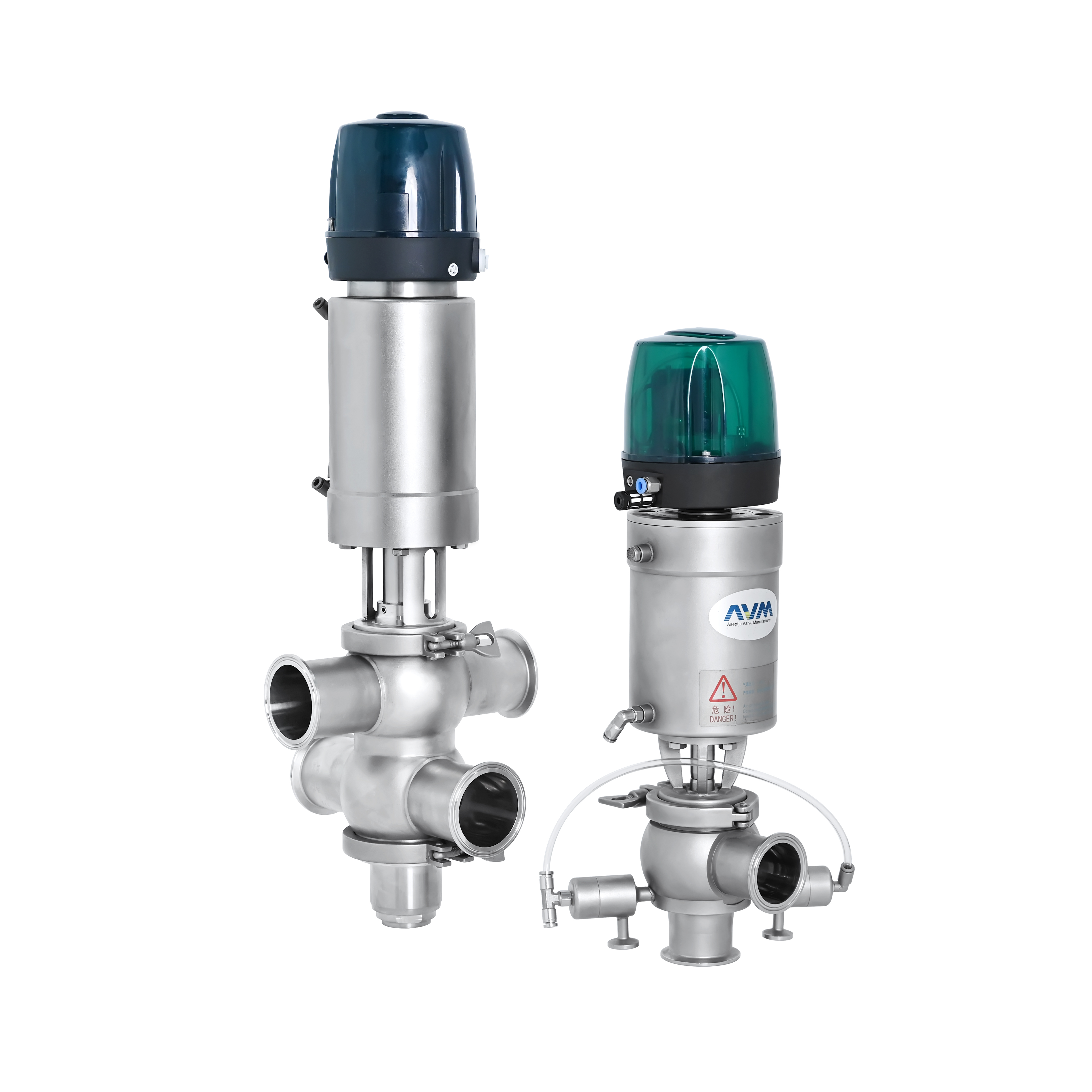
Pneumatic Control Valves use compressed air to actuate the valve, controlling the flow of gases or liquids. Commonly used in industrial automation and chemical processing, they provide precise flow control, require minimal maintenance, and are ideal for hazardous environments.
A Powder Valve controls the flow of powdered materials using dry gases to reduce friction and prevent blockages. It ensures smooth flow by avoiding mechanical shear and can be customized for different scales, from small batches to large-scale production.
Inflatable Seals expand when inflated, forming a tight seal between two surfaces. These are commonly used in industries like food, pharmaceuticals, textiles, and more, to prevent contamination, ensure clean environments, and improve operational efficiency.
A Ball Segment Valve uses an elliptical design to ensure better wear resistance, making it ideal for abrasive materials. A Segment Ball Valve typically has a V-shaped flow path, allowing for precise flow control in industries like chemicals, paper, and textiles.
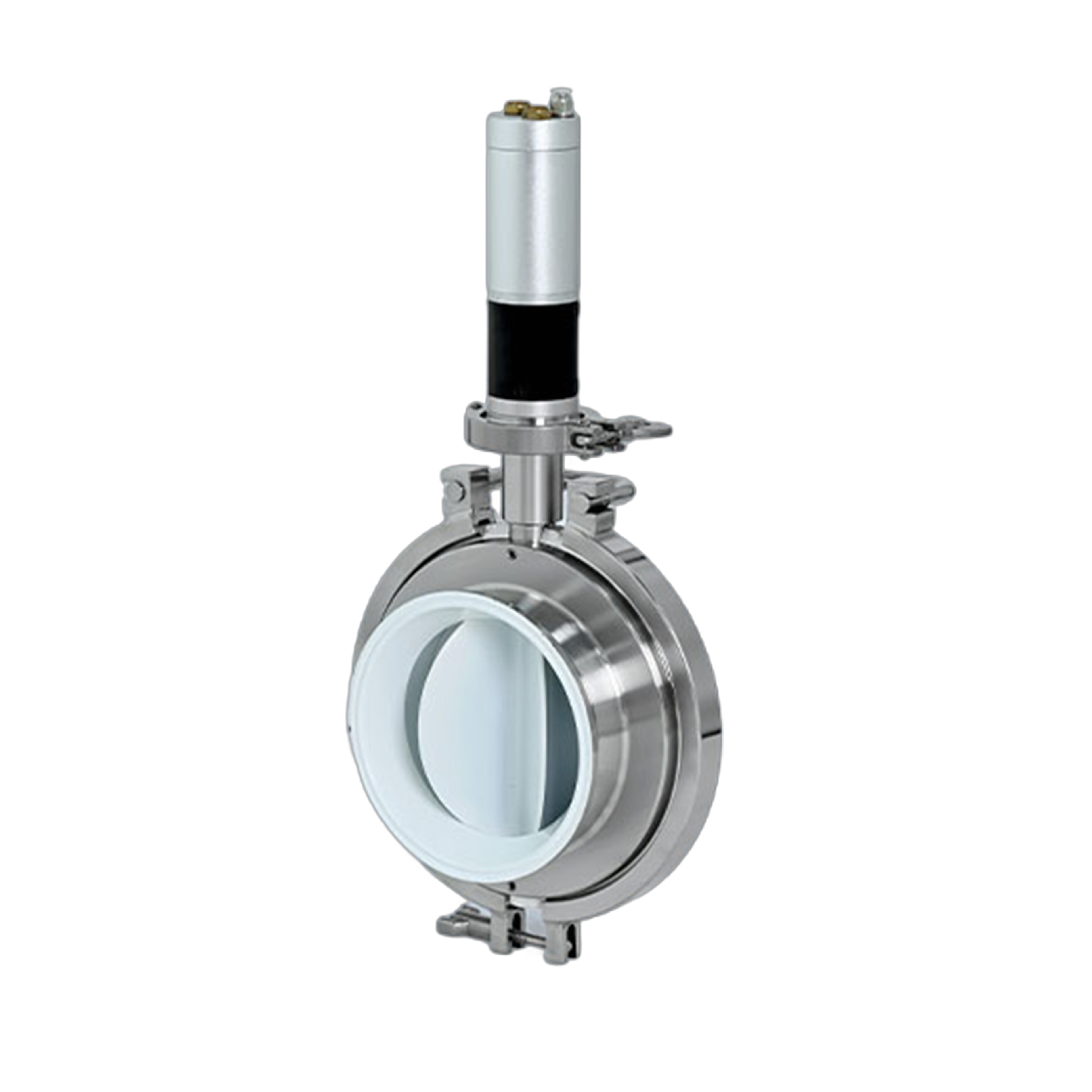
A Split Butterfly Valve is mounted between two flanges in a pipe and is used to control the flow of fluids or gases. Its compact design makes it ideal for tight spaces, commonly found in water systems, HVAC, and industrial piping systems.

Related Articles

Advantages of Diaphragm Valve in Fluid Control

25

Nov

Advantages of Diaphragm Valve in Fluid Control

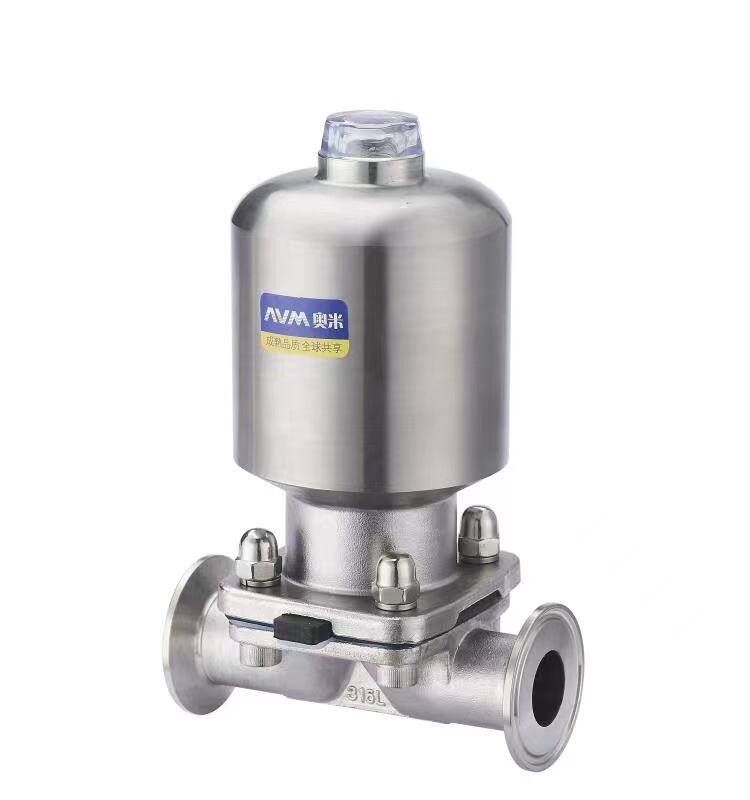
Superior Sealing and Contamination PreventionBubble-Tight Sealing Mechanism in On-Off ServiceDiaphragm valves achieve zero-leakage performance through a unique elastomer membrane that creates a hermetic seal against the weir. This design eliminates t...
View More
Rapid Transfer Port: Ensuring Safe Material Transfer

25

Nov

Rapid Transfer Port: Ensuring Safe Material Transfer

Understanding Rapid Transfer Ports and Their Role in ContainmentWhat Is a Rapid Transfer Port (RTP)?A Rapid Transfer Port (RTP) is a closed-system technology that enables sterile material transfer between two isolated environments while maintaining c...
View More
Selecting Rotary Valve for Specific Powder Characteristics

11

Dec

Selecting Rotary Valve for Specific Powder Characteristics

Matching Rotary Valve Design to Powder Flow Behavior Angle of Repose, Flow Function Number (FF), and Bridging Risk Assessment When looking at how powders flow, two key factors stand out for predicting bridging problems in rotary valves: the angle of...
View More
How Sanitary Butterfly Valve Ensures Material Purity?

11

Dec

How Sanitary Butterfly Valve Ensures Material Purity?

Hygienic Design: Preventing Contamination Through Crevice-Free ConstructionWhy Conventional Valves Compromise Purity in Pharma and Food ProcessingMost traditional valves come with threaded connections, hidden bolts inside, and those tricky little poc...
View More

customer evaluation

Thomas Wright
Rapid Transfer Ports: Game-Changer for Aseptic Connections

AVM's RTP systems have revolutionized our pharmaceutical lab's sterile operations. The mechanical quick-seal design allows the rapid docking of biosafety cabinets without tools, reducing contamination risks. The integrated inflatable seal provides a hermetic barrier, and the stainless steel housing withstands daily autoclaving.

Daniel Morgan
Reliable Sterile Connections in Vaccine Fill-Finish

Our COVID-19 vaccine filling line uses AVM's RTP ports for syringe loader integration. The pneumatic actuation provides consistent sealing pressure, and the modular design allows easy retrofitting to existing equipment. Their performance has been critical for meeting our high-volume production demands.

Get a Free Quote

Our representative will contact you soon.
Email
Mobile/WhatsApp
Name
Company Name
Message
0/1000
Rapid Transfer Port (RTP): Quick Aseptic Connection Solution

Rapid Transfer Port (RTP): Quick Aseptic Connection Solution

AVM's RTP systems enable rapid, tool-free docking of sterile chambers with mechanical/pneumatic seals. Ideal for pharmaceutical production and labs, they ensure leak-proof connections during material transfer. With modular designs and stainless-steel construction, they withstand autoclaving and meet GMP requirements, enhancing efficiency in aseptic processes.