
 EN
EN
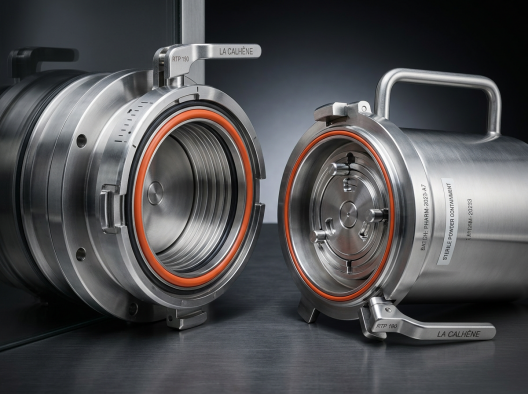
SMEPAC — Standardized Measurement of Equipment Particulate Airborne Concentration — is the ISPE-published (International Society for Pharmaceutical Engineering) standardized methodology for evaluating the containment performance of powder-handling equipment. It provides a unified testing protocol and assessment framework for split butterfly valves, rapid transfer ports, isolator glove systems, and other dust-containment devices, serving as a key technical reference for pharmaceutical equipment selection and validation.
The fundamental purpose of SMEPAC testing is to quantify the airborne dust concentration released into the operator breathing zone during equipment operations — thereby determining whether the device's actual containment performance meets the Occupational Exposure Limit (OEL) requirement for the compound being handled. Testing typically employs lactose monohydrate as a surrogate powder, selected for its particle-size distribution and flow characteristics that approximate most pharmaceutical powders.
The standardized SMEPAC test procedure involves: operating the equipment through its normal cycle (docking, powder transfer, undocking) within a controlled environment (typically a negative-pressure test enclosure); simultaneously capturing airborne particulate using calibrated personal air samplers (IOM sampler heads or Button samplers) at defined breathing-zone positions; and subsequently determining surrogate-powder concentration by gravimetric analysis or HPLC quantification.
AVM's split butterfly valves and RTP products have undergone containment verification per ISPE SMEPAC guidelines. Test results confirm OEB4-level containment performance (airborne concentration < 10 µg/m³), with select configurations achieving OEB5 (< 1 µg/m³). This validated performance data provides customers with authoritative technical evidence for equipment-selection justification and qualification documentation.
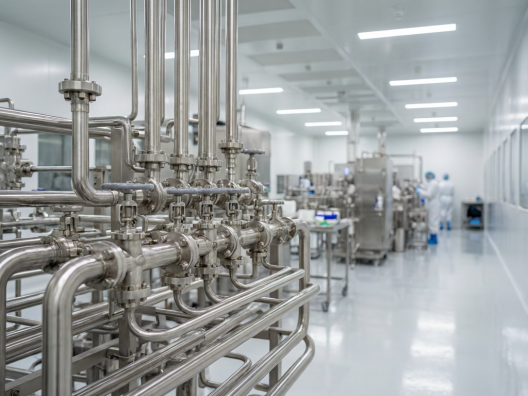
Critical SMEPAC test variables requiring control include: background particulate concentration in the test environment (must be below analytical detection limit); surrogate-powder charge mass and particle-size distribution; standardized operating sequence (number of transfer cycles, speed); air-sampler positioning and sampling duration; and sampler calibration status. Differences in test methodology can significantly affect results — meaning direct comparison of containment claims between manufacturers requires attention to methodological consistency.
For pharmaceutical customers applying SMEPAC data within project validation: containment test reports can serve as Design Qualification (DQ) evidence confirming that selected equipment is capable of meeting the process compound's OEL requirement. During Operational Qualification (OQ), facilities may conduct site-specific SMEPAC testing to verify performance under actual installation conditions.
AVM recommends incorporating SMEPAC evaluation early in the equipment-selection process. The company provides standardized test reports and related technical support, enabling customers to efficiently complete equipment qualification activities. Selecting equipment backed by authoritative containment verification data gives pharmaceutical manufacturers confidence when facing regulatory inspections and customer audits.