 EN
EN
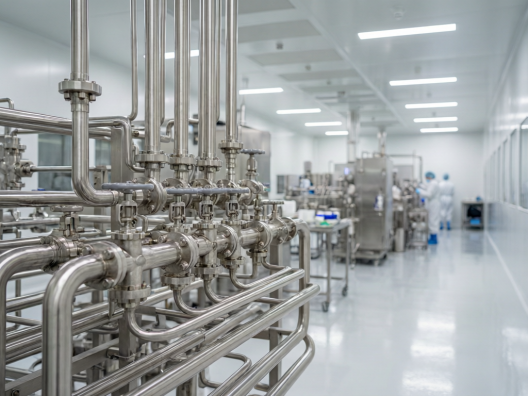
The ATEX Directives (from the French "ATmosphères EXplosibles") comprise two EU regulatory instruments governing equipment intended for use in potentially explosive atmospheres. For pharmaceutical manufacturers, many production operations involve combustible dusts (drug powders, excipients) or flammable solvents (ethanol, isopropanol, acetone) — making ATEX compliance a critical equipment-selection consideration.
The Equipment Directive 2014/34/EU establishes essential health-and-safety requirements for products intended for use in explosive atmospheres. Equipment is classified into three categories based on the required protection level: Category 1 (very high — for zones with continuous explosive atmosphere); Category 2 (high — for zones where explosive atmosphere is likely during normal operation); and Category 3 (normal — for zones where explosive atmosphere is unlikely but possible briefly).
In pharmaceutical solid-dosage facilities, powder-handling operations (milling, sieving, blending, charging) can generate combustible dust clouds that constitute explosive atmospheres. Such zones are typically classified as Zone 20 (continuous presence), Zone 21 (likely during normal operation), or Zone 22 (not likely but possible briefly). Valves installed in these classified zones must carry the corresponding ATEX equipment-category certification.
AVM's split butterfly valve (SBV) product platform has achieved compliance with the European ATEX Directive, authorizing legal installation in classified hazardous zones within pharmaceutical manufacturing facilities. This certification confirms that the product will not become an ignition source under normal operating conditions or reasonably foreseeable malfunction scenarios.
ATEX technical requirements for valve equipment primarily address: surface-temperature limits (must not exceed 2/3 of dust auto-ignition temperature or gas auto-ignition temperature); electrostatic-discharge protection (all metallic components must be bonded and grounded; non-conductive materials that could accumulate static charge are restricted); mechanical-spark protection (avoidance of light-alloy/steel friction combinations); and dust-ingress protection (equipment must not allow internal dust accumulation that could become an ignition hazard).
For Chinese equipment manufacturers exporting to European markets, ATEX certification is a mandatory market-access requirement. Beyond product testing, the certification process requires the manufacturer to maintain a controlled quality system and undergo Notified Body type examination and periodic surveillance audits.
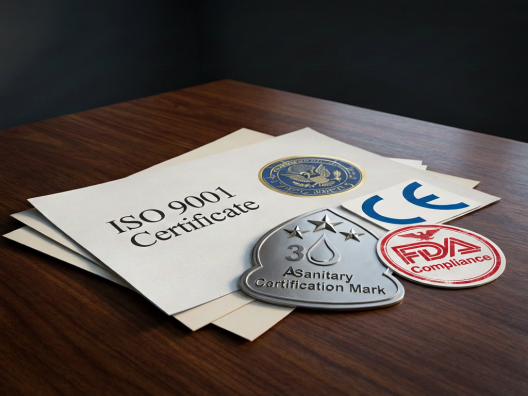
AVM integrates ATEX compliance requirements into its product-design process and maintains this through its ISO 9001 quality management system. For customers requiring explosion-protected equipment, AVM provides complete certification documentation and technical support to facilitate smooth regulatory approval in European destination markets.